
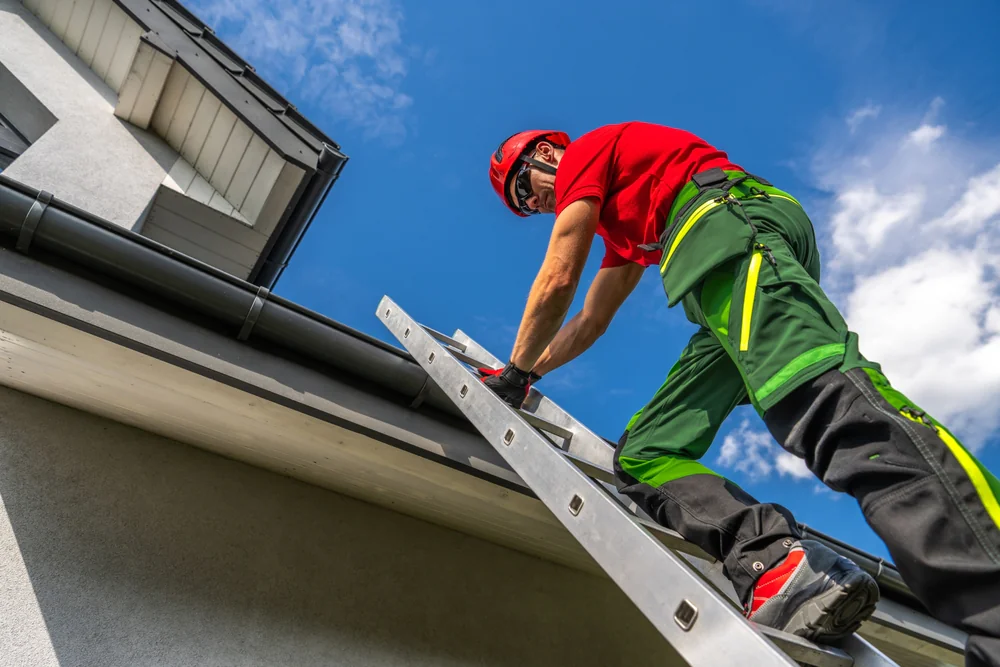
Hear From Our Clients
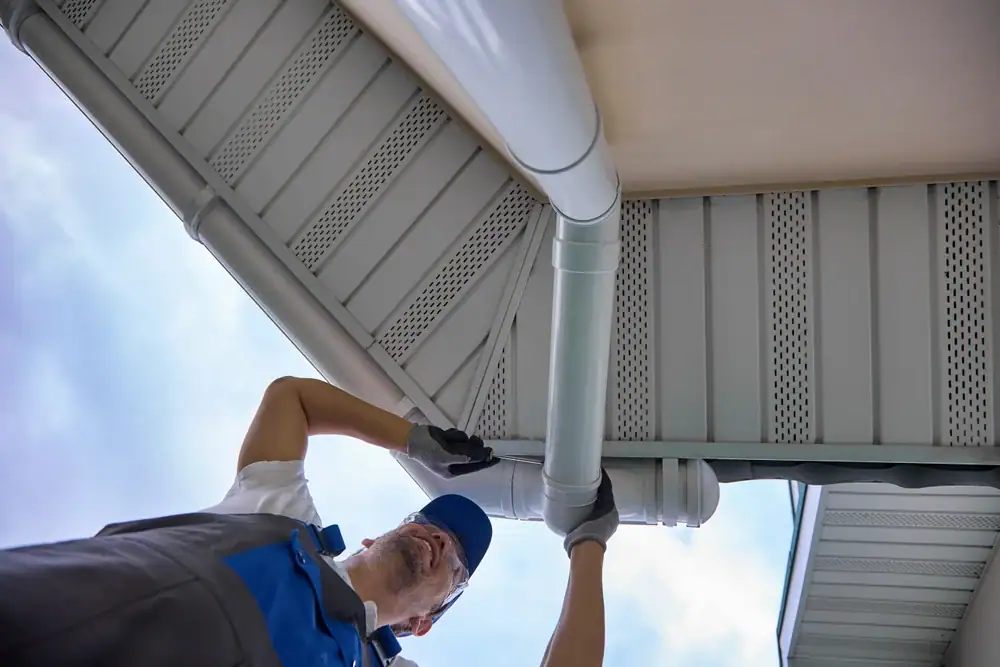
You’re looking at gutter replacement because something’s already going wrong. Water pooling near your foundation. Sagging sections pulling away from the fascia. Downspouts that back up every time it rains hard.
Here’s what happens when your new system goes in correctly. Water moves off your roof and away from your house the way it should. Your foundation stays dry. Your basement stays dry. You’re not out there cleaning debris out of overflowing gutters three times a year.
The difference between a gutter system that works and one that doesn’t comes down to proper sizing for Long Island’s rainfall, marine-grade materials that handle salt air, and installation that accounts for our freeze-thaw cycles. Get those right and you’re looking at 15-plus years of performance. Miss any of them and you’re back where you started in five.
We’ve spent over a decade working on homes throughout Suffolk County. We’re the roofing and gutter company Smithtown homeowners call when they need it done right the first time.
Our work quality reflects on us in the community. That’s not marketing talk—it’s reality when our trucks are parked in your neighbors’ driveways. We use our own crews for every installation, which means you’re getting people who know how coastal conditions affect gutter performance.
When storms hit Smithtown, we’re dealing with the same weather you are. We know what oak pollen does to gutters in spring, how nor’easters test every joint and hanger, and why standard 5-inch gutters struggle when an inch of rain falls in twenty minutes.
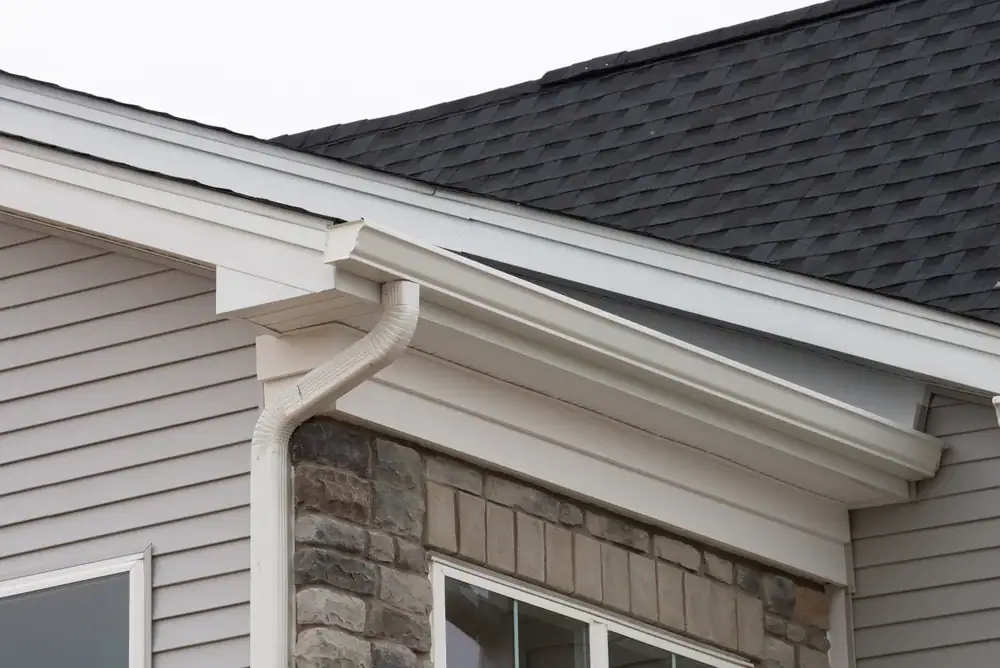
First, we look at what you’ve got and what’s failing. That means getting up there to check fascia condition, measure your roofline, and figure out if you need 5-inch or 6-inch gutters based on your roof’s square footage and pitch. Most Smithtown homes built before 2000 have undersized gutters that can’t handle our rainfall intensity.
We’ll walk you through material options. Aluminum is standard—it handles salt air better than steel and costs less than copper. We use marine-grade fasteners and hangers spaced closer than code minimum because wind loads here demand it. If you’re in a flood zone or deal with heavy tree coverage, we’ll talk about gutter guards that actually work.
Installation takes one to three days depending on your home’s size. We remove your old system completely, inspect and repair fascia if needed, then install your new seamless gutters with proper slope for drainage. Downspouts get positioned to move water at least six feet from your foundation. You get photos of the work in progress and a final walkthrough before we clean up.

Ready to get started?
Your gutter replacement includes seamless aluminum gutters custom-formed on-site to eliminate leak-prone seams. We use .032-inch thickness—thicker than the .027 builder-grade material that dents easily and pulls away from hangers during ice loads.
Every installation gets marine-grade hidden hangers every 18 inches instead of the 24-inch spacing that’s common but insufficient for Long Island. Your corners get mitered joints, not the snap-together elbows that separate when temperatures swing. Downspouts are oversized—3×4 inch instead of 2×3—because Smithtown’s storm intensity requires more flow capacity.
We include complete fascia inspection and repair. Water damage behind failing gutters is common, and mounting new gutters to rotted wood just means you’re replacing them again in three years. If we find issues, you’ll know before installation starts.
You’re also getting proper pitch calculation. Gutters need to slope 1/4 inch per 10 feet toward downspouts, but that has to be balanced across your entire roofline. Too much slope looks bad and reduces capacity. Too little and water sits in the channels, breeding mosquitoes and accelerating corrosion.

Full gutter replacement in Smithtown typically runs between $1,200 and $2,500 for an average home. You’ll pay more if your house is larger, has multiple stories, or needs fascia repair before new gutters can go up.
The price breaks down to materials, labor, and disposal of your old system. Seamless aluminum gutters cost less than copper but more than sectional gutters from a big-box store. The difference is performance—seamless systems have fewer failure points and last longer in coastal conditions.
If you’re getting quotes that seem too good, ask what thickness aluminum they’re using and how they’re spacing hangers. Cheap installations use thinner material and fewer attachment points, which means sagging and separation within a few years. You’ll also want to know if fascia inspection and repair is included or extra, because that’s where surprise costs show up on low-ball estimates.
Most gutter replacement jobs in Smithtown take one to three days from start to finish. Single-story homes with straightforward rooflines are usually a one-day job. Two-story homes or houses with complex roof geometry take longer.
Weather affects the timeline. We’re not installing gutters in heavy rain or when temperatures drop below freezing, because proper sealing and pitch adjustment require decent conditions. If fascia boards need replacement, that adds time—usually half a day to a full day depending on how much damage we find.
You’ll have access to your home the entire time. We’re working outside, so you don’t need to clear out rooms or change your schedule. The main thing you’ll notice is our trucks in the driveway and some noise when we’re removing old gutters and drilling into fascia. We clean up completely at the end of each day, and you get a final walkthrough before we consider the job done.
Seamless aluminum gutters in 6-inch width handle Long Island conditions better than any other residential option. The seamless design eliminates joints where leaks start, and aluminum doesn’t rust in salt air the way steel does.
Six-inch gutters move 40% more water than the 5-inch systems on most older Smithtown homes. That matters when summer storms dump an inch of rain in twenty minutes. Undersized gutters overflow, which defeats their entire purpose. The extra width costs maybe 15% more but prevents the water damage that costs thousands to fix.
Thickness matters too. You want .032-inch aluminum minimum. Thinner material dents when ladders lean against it or ice builds up inside. We use hidden hangers instead of spike-and-ferrule systems because they distribute weight better and don’t work loose over time. For homes with heavy tree coverage, adding gutter guards designed for our leaf types saves you from cleaning them out four times a year.
Not always. If your gutters are less than ten years old and only leaking at a few joints, repair usually makes sense. We can reseal seams, replace sections, and tighten hangers for a fraction of replacement cost.
But if you’re seeing multiple problems—leaks plus sagging plus rust spots plus loose downspouts—you’re better off replacing the system. Piecemeal repairs on a failing system just buy you another year or two before the next problem shows up. And if your gutters are undersized for your roof or made from thin material, repairs don’t fix those underlying issues.
Age is a factor too. Gutters older than 15 years have been through a lot of freeze-thaw cycles and coastal storms. Even if they look okay from the ground, the hangers are often loose and the metal is fatigued. We’ll give you an honest assessment after looking at your specific situation. Sometimes repair is the right call. Sometimes it’s throwing money at a system that’s done.
Properly installed gutters with correct downspout placement stop a major source of basement water problems. When gutters overflow or downspouts dump water right next to your foundation, that water saturates the soil and finds its way through foundation walls or up through floor cracks.
The key is moving water far enough away from your house. Downspouts need extensions that carry water at least six feet from your foundation—farther if your lot slopes toward the house. We position downspouts based on your yard’s drainage patterns, not just wherever they’re easiest to install.
But gutters aren’t a cure-all for basement flooding. If you’ve got foundation cracks, poor lot grading, or a high water table, you need those addressed separately. What gutters do is eliminate the 600-plus gallons of water that runs off your roof during a typical rainstorm. That’s 600 gallons that isn’t pooling around your foundation, which makes a real difference in keeping your basement dry.
Quality gutter systems last 15 to 20 years in Long Island’s coastal climate if they’re maintained properly. You’ll get less time from builder-grade installations using thin materials and inadequate hangers—sometimes as little as 8 to 10 years before problems start.
Salt air accelerates corrosion on any metal. Freeze-thaw cycles stress joints and hangers. Summer storms dump heavy debris loads. Those conditions are harder on gutters here than in areas without coastal exposure. Regular cleaning helps, but eventually the system just wears out.
Signs it’s time to replace include visible rust or holes, gutters pulling away from fascia in multiple spots, sagging sections that hold standing water, and frequent leaks even after repairs. If you’re cleaning them out and doing minor fixes every year, you’re past the point where the system is doing its job reliably. At that point, replacement costs less over time than constant maintenance on gutters that are done.
Other Services we provide in Smithtown