
Hear From Our Clients
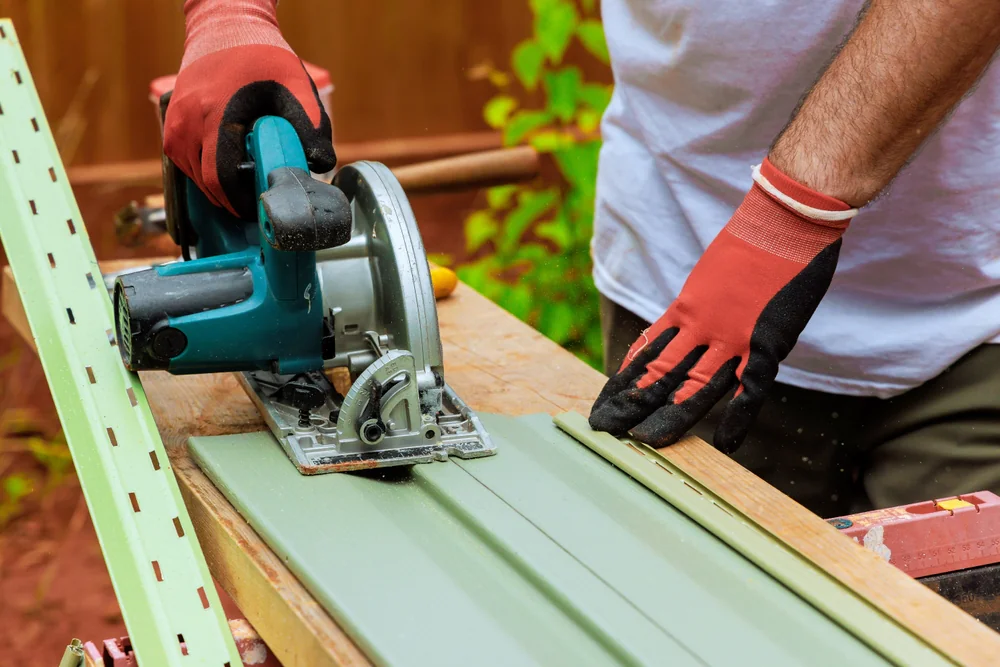
You’ve probably climbed that ladder more times than you’d like to count. Or you’ve paid someone to patch it, only to watch the same section fail six months later when the wind picks up.
That cycle ends when the repair actually accounts for what your house faces. Salt air that corrodes fasteners. Wind patterns that peel back panels. Freeze-thaw cycles that crack caulking. If your siding repair doesn’t address those things, you’re just buying time until the next failure.
When we repair vinyl siding, aluminum siding, or wood siding on your home, the work holds up because it’s designed for Sayville’s coastal conditions. You’re not dealing with water intrusion behind the walls. You’re not repainting sections that weren’t sealed right. You get your weekends back and stop second-guessing whether this storm is the one that finally causes real damage inside your walls.
We’ve spent more than ten years repairing siding damage across Long Island. We’ve worked through Hurricane Sandy, countless nor’easters, and every summer storm that’s blown through Sayville since we started.
Our crews don’t use subcontractors. Every person who shows up is trained on coastal repair techniques and employed directly by us. That matters when you’re trusting someone to protect your home from water damage that can cost tens of thousands if it gets into your framing.
We’re licensed, insured, and we work directly with insurance adjusters when storm damage is involved. Most of our clients are homeowners in West Sayville and the surrounding area who’ve dealt with contractors before and know the difference between a patch job and a repair that actually lasts.
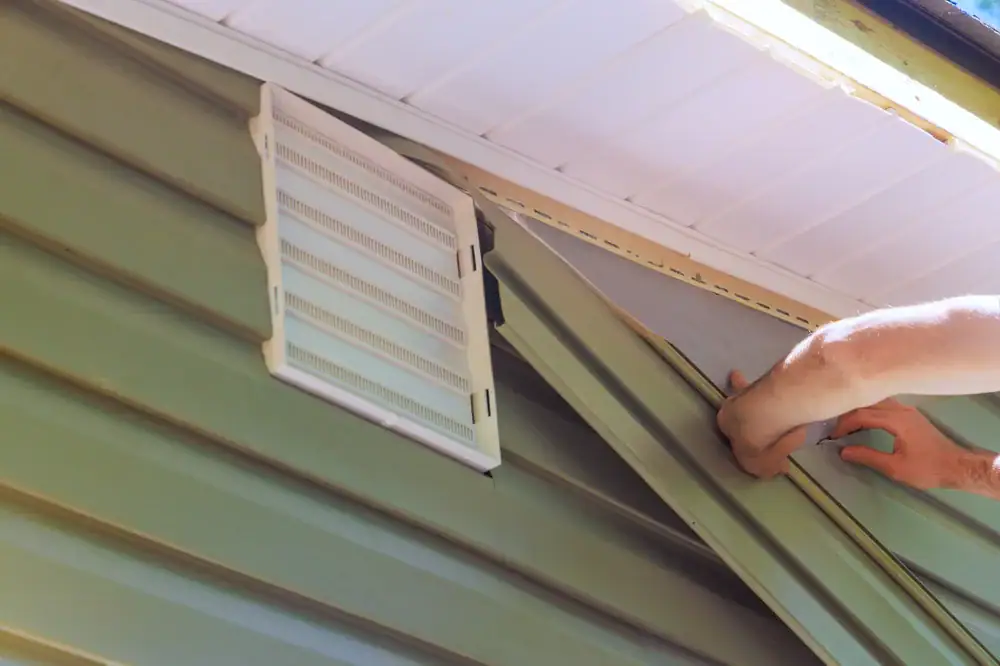
First, we come out and assess the full scope of damage. Not just the obvious broken panel, but what’s happening behind it. We check for water penetration, structural issues, and whether the original installation is contributing to repeated failures.
Then we give you a clear breakdown of what needs to be fixed and why. If insurance is involved, we document everything and work with your adjuster to make sure the claim covers what it should. We’ve done this enough times with Long Island adjusters to know what they need to see.
Once you approve the plan, we schedule the repair. If it’s an emergency—like storm damage that’s letting water in—we respond within 48 hours and secure your property immediately. Most repairs are completed in three to five days depending on scope. We match your existing siding, even if it’s a discontinued color or style, because we’ve built relationships with suppliers who can source materials other contractors can’t access.

Ready to get started?
Your repair includes a full damage assessment that goes beyond surface-level fixes. We inspect for hidden water damage, check structural integrity, and identify whether improper ventilation or installation techniques are causing repeated problems.
Material selection matters here. Sayville sits in a coastal zone where building codes require siding to withstand hurricane winds up to 120 mph in some areas. We use fasteners and materials rated for salt air exposure, and we install with proper expansion gaps to handle humidity changes throughout the year.
If you’re dealing with wood siding, we apply moisture-resistant treatments and ensure proper ventilation so the repair lasts decades, not just a few seasons. For vinyl and aluminum siding repair, we account for thermal expansion and use techniques that prevent the buckling and warping that happens when panels are installed too tight.
You also get insurance claim assistance if the damage is storm-related. We photograph everything, provide detailed documentation, and communicate directly with adjusters. Given that Long Island homeowners pay an average of $2,882 annually for homeowners insurance—higher than the national average because of coastal storm risks—it makes sense to maximize your coverage when you file a claim.

If your siding is compromised and water is getting in, we offer emergency response within 48 hours. That’s critical because water intrusion can cause expensive structural damage fast—sometimes within two days if it reaches your framing or insulation.
We’ll secure the property immediately to prevent further damage, then schedule the full repair within three to five days depending on the scope. For non-emergency repairs, we typically schedule within one to two weeks, but we prioritize jobs where there’s active water penetration or exposure to the elements.
The timeline also depends on material availability. If you have a discontinued siding color or style, it may take a few extra days to source matching panels, but we have supplier relationships that let us access materials most contractors can’t find.
Most homeowners insurance policies cover siding damage caused by sudden events like wind, hail, or falling debris from storms. What they typically don’t cover is damage from long-term neglect or wear and tear.
The key is documentation. Insurance adjusters need to see clear evidence that the damage was caused by a covered event, not gradual deterioration. We photograph everything, provide detailed assessments, and work directly with your adjuster to make sure the claim is filed correctly.
We’ve worked with Long Island insurance adjusters for over a decade, so we know what they’re looking for. That experience helps you maximize your coverage and avoid situations where claims get denied because the documentation wasn’t thorough enough. Given that Long Island homeowners already pay higher premiums due to coastal storm risks, it makes sense to use your coverage when legitimate damage occurs.
Yes, in most cases. We’ve built relationships with suppliers who specialize in discontinued siding materials, which means we can usually source matching panels even if your siding was installed 20 or 30 years ago.
This matters because mismatched siding is obvious and can hurt your home’s resale value. If we absolutely can’t find an exact match, we’ll give you options—like replacing an entire wall section so the new material blends in, or finding the closest available match and installing it in a less visible area.
For vinyl and aluminum siding, color matching is usually straightforward. Wood siding can be more challenging depending on the species and milling profile, but we work with millwork suppliers who can replicate custom profiles if needed. The goal is always to make the repair invisible so your home looks consistent.
We repair vinyl siding, aluminum siding, wood siding, cedar shakes, and fiber cement. Each material has different vulnerabilities in coastal environments, so the repair approach changes depending on what you have.
Vinyl siding is common in Sayville and holds up well to salt air, but it can crack in cold weather or warp if it wasn’t installed with proper expansion gaps. Aluminum siding is durable but prone to denting from hail or debris, and it can corrode over time if the finish is compromised. Wood siding and cedar require moisture management—if water gets behind it or ventilation is poor, you’ll deal with rot and decay.
We’ve repaired all of these materials on Long Island homes for over ten years, so we know how each one performs in coastal conditions. That experience means we’re not just fixing the visible damage—we’re addressing the underlying issues that caused the failure in the first place.
You don’t, unless someone pulls back the siding and inspects what’s behind it. That’s why our damage assessment goes beyond the surface. We check for water stains, soft spots, and signs of moisture penetration that indicate the damage has reached your sheathing or framing.
Cosmetic damage is a cracked panel or a dent that hasn’t compromised the weather barrier. Structural damage is when water has gotten behind the siding and started rotting the wood underneath. The second scenario is expensive if it’s not caught early—you’re looking at replacing sheathing, studs, and insulation, not just the siding itself.
If we find structural damage during the assessment, we’ll show you exactly what’s happening and explain what needs to be fixed. Most homeowners don’t realize how much damage is hiding until someone actually looks, which is why we don’t skip that step even if the visible damage seems minor.
Usually because the repair didn’t account for the conditions that caused the original failure. If your siding failed because of improper installation—like panels installed too tight without expansion gaps—then just replacing the broken section won’t fix the problem. It’ll fail again as soon as the temperature swings.
Coastal homes in Sayville face salt air, high humidity, freeze-thaw cycles, and wind-driven rain. If the repair doesn’t use corrosion-resistant fasteners, proper flashing, and techniques designed for those conditions, it’s temporary at best. A lot of contractors treat siding repair like a simple swap—pull off the damaged piece, nail up a new one, and call it done. That works until the next storm.
We’ve been repairing siding on Long Island for over a decade, so we’ve seen what fails and what lasts. Our repairs hold up because we’re fixing the root cause, not just covering up the symptom. That’s the difference between a repair that survives years of coastal weather and one that fails the next time a nor’easter rolls through.
Other Services we provide in Sayville