
Hear From Our Clients
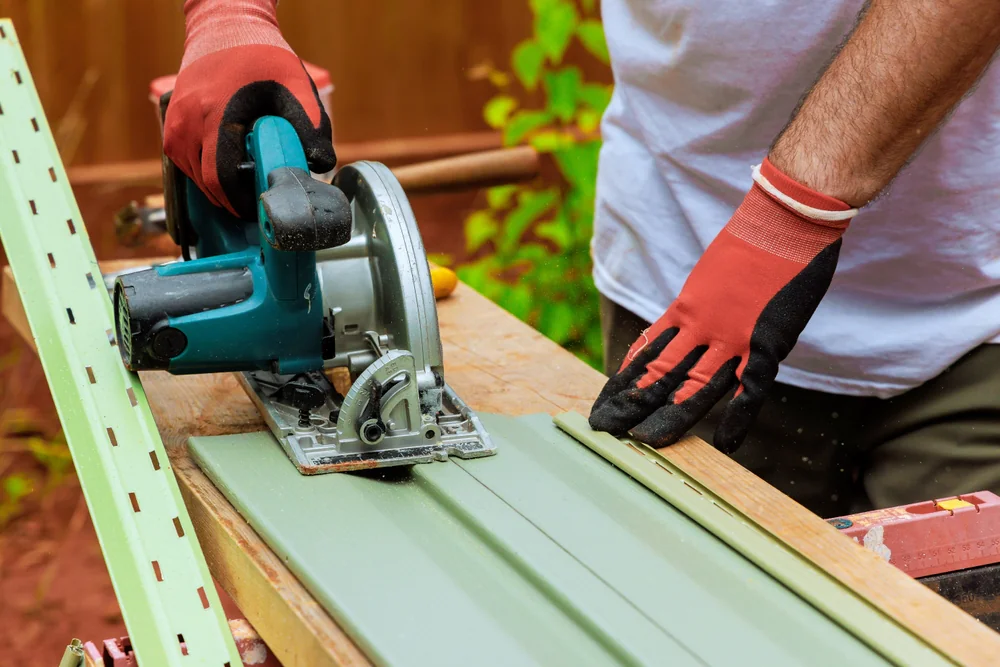
Damaged siding isn’t just an eyesore—it’s a direct threat to your home’s structural integrity. Even small cracks or loose panels let moisture seep behind your walls, creating the perfect conditions for mold growth and wood rot that can cost thousands to remediate.
When your siding is properly repaired, you get immediate protection from Blue Point’s harsh coastal elements. Your energy bills drop because your home’s insulation works like it should. Most importantly, you sleep better knowing water isn’t slowly destroying your biggest investment from the inside out.
The difference between a quick patch job and professional siding repair shows up when the next storm hits—and in Blue Point, there’s always a next storm.
We’ve been handling siding repairs across Blue Point and Long Island’s coastal communities for years. We understand what salt air does to different siding materials and how quickly minor storm damage can turn into major structural problems.
Living and working in this area, we’ve seen every type of siding failure that Blue Point’s weather can dish out. From vinyl panels warped by summer heat to cedar shakes split by winter storms, we know exactly what to look for and how to fix it permanently.
You’re not just getting contractors—you’re getting neighbors who have to live with the same weather conditions and who stake our local reputation on every repair job.
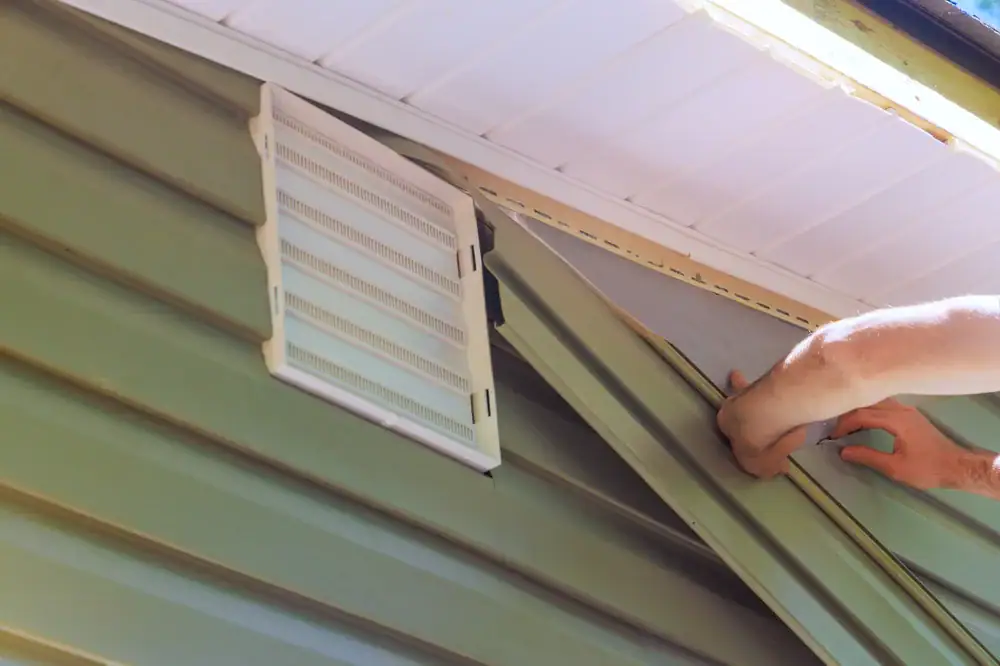
First, we inspect your siding thoroughly—not just the obvious damage, but the areas where problems typically hide. We look behind panels, check flashing around windows and doors, and assess whether water has already penetrated your home’s envelope.
Next, we explain exactly what we found and give you straight answers about what needs immediate attention versus what can wait. No upselling, no scare tactics—just honest assessment based on what we see.
Then we handle the repair using materials that match your existing siding and installation techniques designed for Long Island’s climate. We clean up completely and walk through the finished work with you, explaining what we did and what to watch for going forward.

Ready to get started?
Our siding repair service covers everything from emergency storm damage to routine maintenance that prevents bigger problems. We work with both vinyl and cedar siding, understanding how each material responds to Blue Point’s coastal environment.
For vinyl siding, we repair cracks, replace damaged panels, and fix warping caused by temperature extremes. With cedar siding, we address rot, replace split shakes, and apply proper sealants that stand up to salt air and moisture.
Blue Point homeowners face unique challenges that inland contractors don’t always understand. The salt air accelerates certain types of damage while the proximity to water creates humidity issues that affect how repairs cure and settle. We factor these local conditions into every repair decision, ensuring your siding performs properly in this specific climate for years to come.

We typically respond to emergency siding calls within 24 hours, often sooner depending on the severity and our current schedule. Storm damage that’s actively letting water into your home gets priority response.
For true emergencies where your home’s interior is at immediate risk, we can often provide temporary weatherproofing the same day you call. This stops additional damage while we schedule the permanent repair work.
Keep in mind that after major storms affecting multiple homes, response times may be longer, but we always prioritize calls based on the risk to your home’s structural integrity.
Cedar siding repair typically costs more than vinyl because the material itself is more expensive and the installation requires more specialized techniques. Cedar also often needs custom matching for color and grain patterns.
Vinyl siding repairs are generally more straightforward and cost-effective, especially for newer installations where matching panels are readily available. However, older vinyl siding can be challenging to match perfectly.
The real cost difference often comes down to the extent of damage rather than the material type. A small section of damaged cedar might cost less to repair than extensive vinyl damage that requires removing and reinstalling large sections.
Absolutely. Much of the siding damage we find in Blue Point isn’t visible from ground level, especially damage to upper stories or areas hidden behind landscaping.
We use proper equipment to safely inspect all areas of your home’s exterior, including second stories, dormers, and areas around roof lines where storm damage often occurs but goes unnoticed.
Hidden damage is actually more dangerous than obvious damage because it continues causing problems—like water infiltration—while you’re unaware it exists. Our thorough inspection process is designed to catch these issues before they become major structural problems.
For vinyl siding, we start by identifying the manufacturer and product line, then source matching materials through our supplier network. Most major vinyl siding lines have been consistent in their color formulations for years.
Cedar siding matching requires more craftsmanship. We select cedar pieces that match the grain pattern and natural color variation of your existing siding, then apply stains or sealers to blend the repair seamlessly with the weathered appearance of the surrounding area.
In cases where exact matches aren’t possible—such as with discontinued products or severely weathered materials—we discuss options like strategic placement of repairs or upgrading larger sections to ensure a cohesive appearance.
Storm damage is the biggest culprit, particularly from nor’easters and occasional tropical storms that bring high winds and driving rain. The combination of wind and salt spray is especially hard on siding materials.
Hail damage is more common than many homeowners realize, often causing small dents or cracks that aren’t immediately obvious but allow water penetration over time. Even minor impacts from storm debris can compromise siding integrity.
The coastal humidity and salt air also accelerate normal wear and tear, particularly on cedar siding and the fasteners that hold vinyl siding in place. What might last 30 years inland often needs attention sooner in Blue Point’s environment.
Yes, we work with insurance companies regularly and understand the documentation they require for siding damage claims. We can provide detailed photos, damage assessments, and repair estimates in the format insurance adjusters expect.
We recommend calling your insurance company immediately after storm damage occurs, then having us inspect and document the damage before any temporary repairs that might obscure the original extent of the problem.
While we don’t handle the insurance paperwork directly, we’re available to meet with adjusters, explain our findings, and ensure all damage is properly documented for your claim. Our goal is to make the insurance process as smooth as possible while ensuring you get the repairs your home needs.
Other Services we provide in Blue Point