
Hear From Our Clients
You’ve already spent money on roof repairs. Shingles patched after storms. Leaks that come back every winter. Contractors who show up, slap on a temporary fix, and disappear until the next call.
A full roof installation handles the problem once. You’re not dealing with emergency calls when the next nor’easter rolls through. You’re not watching water stains spread across your ceiling. You’re not wondering if this winter will be the one that finally caves in your roof deck.
Long Island’s coastal climate eats through roofing materials faster than most places. Salt air corrodes metal flashing and fasteners. Wind patterns around Lake Ronkonkoma create stress points that standard installations can’t handle. Freeze-thaw cycles crack sealants that weren’t designed for this environment. Your roof needs materials and installation methods built specifically for these conditions, not generic solutions that work fine in Pennsylvania but fail here within five years.
We’ve spent over a decade working on roofs across Suffolk County. We’re GAF Master Elite certified, which puts us in the top 1% of roofing contractors in the country. That certification isn’t just a badge—it means we’ve proven our installation quality, customer service, and business practices to the largest roofing manufacturer in North America.
We’re the only roofer on Long Island with an actual showroom where you can see and touch the materials going on your house. You’re not picking shingles from a brochure. You’re looking at the actual product, understanding the difference between architectural asphalt and metal roofing, and making an informed decision about what protects your home.
Every person on our crew is a direct employee, not a subcontractor. You’re getting the same team, the same standards, and the same accountability from estimate to final inspection. We’re licensed, insured, and we’ve built our reputation on doing the work right the first time in communities like Ronkonkoma, Lake Grove, and Holbrook.
We start with an inspection of your current roof. Not just the shingles—we’re checking the decking, the flashing, the ventilation system, and the structural integrity. You need to know what’s damaged and what’s salvageable before any work starts.
Once we’ve assessed the roof, you get a detailed estimate. It breaks down materials, labor, disposal of old roofing, and any repairs to the roof deck or structure. No surprises halfway through the job. If we find rotted decking during tear-off, we’re not adding mystery charges—that possibility is already discussed upfront.
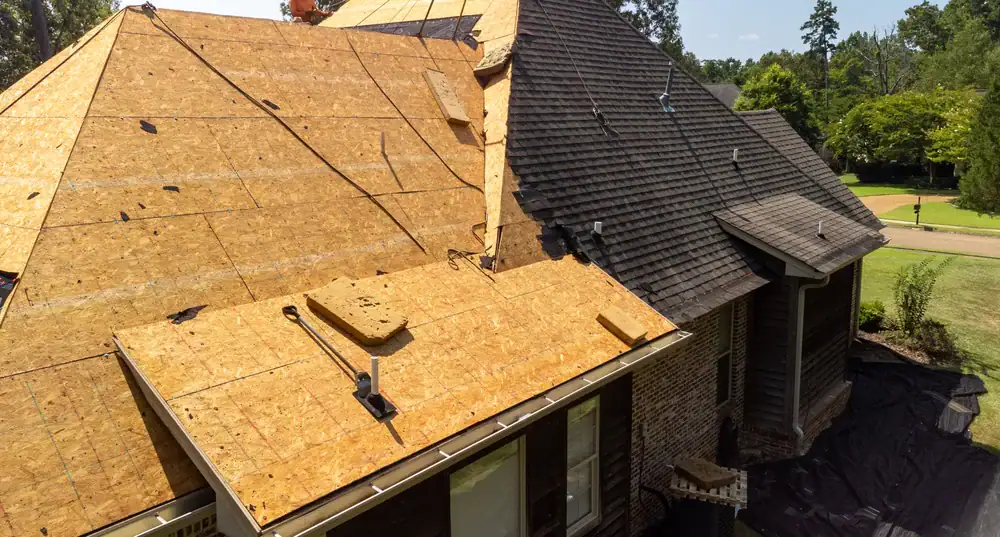
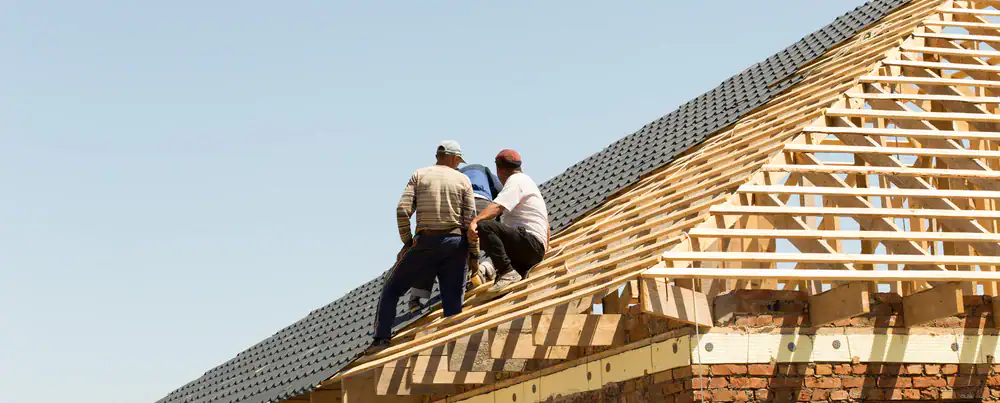
Installation starts with complete tear-off of your old roof down to the decking. We inspect every inch of that deck and replace any damaged sections. Then we install ice and water shield in valleys and along eaves, synthetic underlayment across the entire roof, and properly integrated flashing around chimneys, skylights, and roof penetrations. Shingles or metal panels go on last, installed to manufacturer specs with corrosion-resistant fasteners rated for coastal environments.
The job usually wraps within a few days depending on roof size and weather. We handle all permits, inspections, and disposal. You’re left with a roof that’s built to handle whatever Long Island throws at it.
Ready to get started?
Your roof installation includes materials chosen specifically for Long Island’s coastal conditions. We use architectural asphalt shingles with algae resistance and wind ratings of at least 110 mph, or metal roofing systems that handle salt air better than any other material and last 40+ years. Every fastener is corrosion-resistant. Every piece of flashing is designed to shed water away from vulnerable areas like chimneys and valleys.
Ronkonkoma gets 47 inches of rain annually, above the national average, and you’re close enough to the coast that salt air accelerates deterioration of standard materials. We account for that. The underlayment is synthetic, not felt, because it won’t rot or tear during installation. The ventilation system is properly sized to prevent moisture buildup in your attic, which is critical in humid Long Island summers.
If you’re dealing with insurance claims after storm damage, we walk you through that process. We document everything, provide detailed estimates, and communicate directly with adjusters. Most homeowners don’t realize their policy covers more than just shingle replacement—it often includes decking repairs, flashing upgrades, and even temporary protection if your roof is compromised. We make sure you’re not leaving money on the table or accepting a settlement that doesn’t cover the actual cost of proper repairs.
Roof installation in Ronkonkoma typically runs between $8,000 and $25,000 depending on the size of your roof, the materials you choose, and the condition of your existing roof deck. A standard 1,500 square foot ranch with architectural shingles usually falls in the $10,000 to $15,000 range. Larger homes, complex roof lines with multiple valleys and dormers, or upgrades to metal roofing push costs higher.
The biggest variable is what we find when we tear off your old roof. If the decking is solid, costs stay predictable. If we’re replacing rotted plywood or repairing structural damage from years of leaks, that adds to the project. That’s why the estimate process matters—we’re not guessing at costs, we’re giving you a realistic number based on what your roof actually needs.
Financing options are available if you’d rather spread payments over time instead of paying everything upfront. Most homeowners find that a new roof installation costs less over ten years than continuing to pay for repairs that don’t solve the underlying problem.
Most roof installations in Ronkonkoma take two to four days depending on the size of your home and weather conditions. A typical single-family home is usually done in two to three days. Larger homes or complex roof designs with multiple levels, steep pitches, or extensive flashing work can take four to five days.
Day one is tear-off and deck inspection. We remove all old shingles, inspect and repair the roof deck, and get the roof weatherproofed with underlayment. Days two and three are installation of flashing, drip edge, and final roofing material. If weather cooperates, you’re looking at a finished roof by the end of the week.
We don’t stretch jobs out. Our crews show up on time, work full days, and clean up thoroughly at the end of each day. You’re not dealing with a half-finished roof sitting exposed for weeks. We understand that construction is disruptive—our goal is to get your roof done right and get out of your way as quickly as possible without cutting corners.
Metal roofing lasts longest in Long Island’s coastal climate, typically 40 to 70 years with minimal maintenance. It handles salt air better than any other material, doesn’t corrode when installed with proper fasteners and flashing, and stands up to high winds without lifting or tearing. The upfront cost is higher than asphalt shingles, but you’re looking at one roof installation for the rest of the time you own your home.
Architectural asphalt shingles are the most common choice and last 25 to 30 years when properly installed with algae-resistant materials. They’re more affordable upfront and perform well in Long Island’s weather as long as you’re using shingles rated for high winds and coastal conditions. Cheap three-tab shingles won’t make it 15 years here—they’re not built for the wind and salt exposure you get near the coast.
Slate and tile roofs last even longer than metal, sometimes 100+ years, but they’re heavy, expensive, and require structural reinforcement that most Long Island homes don’t have. For most homeowners, metal or quality architectural shingles are the practical choice that balances cost, performance, and longevity.
Yes, you need a building permit for roof installation in Ronkonkoma. The Town of Islip requires permits for all roof replacements, and inspections are part of the process to ensure the work meets current building codes. Skipping permits might save a few hundred dollars upfront, but it creates problems when you sell your home or file insurance claims later.
We handle all permit applications and scheduling of inspections as part of our service. You’re not dealing with town offices or figuring out what paperwork is required. The permit cost is included in your estimate, and we make sure inspections happen on schedule so there’s no delay in finishing your roof.
Some contractors skip permits to cut costs or avoid inspections of substandard work. That’s a red flag. Permitted work protects you legally, ensures the installation meets code, and gives you documentation that the roof was done right. If a contractor suggests skipping permits, you’re talking to someone who’s either cutting corners on installation quality or doesn’t want their work inspected by someone who knows what proper roofing looks like.
Yes, we work directly with homeowners and insurance companies on storm damage claims. We document all damage with photos and detailed notes, provide estimates that break down exactly what needs repair or replacement, and communicate with adjusters to make sure claims are processed fairly. Most homeowners don’t realize how much their policy actually covers, and insurance companies don’t always volunteer that information.
After major storms, adjusters are overwhelmed and sometimes lowball settlements to close claims quickly. We’ve seen policies that cover full roof replacement get settled for partial repairs that don’t address underlying damage. Having a contractor who understands insurance language and knows what’s covered makes a significant difference in what you receive.
We’re not public adjusters—we don’t charge a percentage of your claim. We’re roofing contractors who’ve handled hundreds of insurance jobs and know how to document damage properly so your claim reflects the actual cost of repairs. If your roof was damaged in a storm, get it inspected before filing. You need to know the full extent of damage, not just the obvious missing shingles, so your claim covers everything that needs fixing.
Roof repair makes sense when damage is localized to a small area—a few missing shingles after a storm, a single leak around a chimney, or damaged flashing in one valley. If the rest of your roof is in good condition and you’re not dealing with systemic failure, repairs buy you more time before replacement is necessary.
Full roof replacement is the right call when you’re facing multiple leaks, shingles that are curling or losing granules across large sections, or a roof that’s reached the end of its expected lifespan. If your roof is 20+ years old and you’re starting to see problems, repairs are just delaying the inevitable. You’ll spend thousands on patches over the next few years and still need a new roof—or you handle it now and stop worrying about it.
The decision comes down to cost versus value. If repairs cost more than 30% of what replacement would cost, or if you’re repairing the same areas repeatedly, replacement makes more financial sense. We’ll tell you honestly whether your roof needs full replacement or if repairs will hold for a few more years. Our goal isn’t to sell you a new roof if you don’t need one—it’s to give you accurate information so you can make the right decision for your situation and budget.
Other Services we provide in Ronkonkoma