
Hear From Our Clients
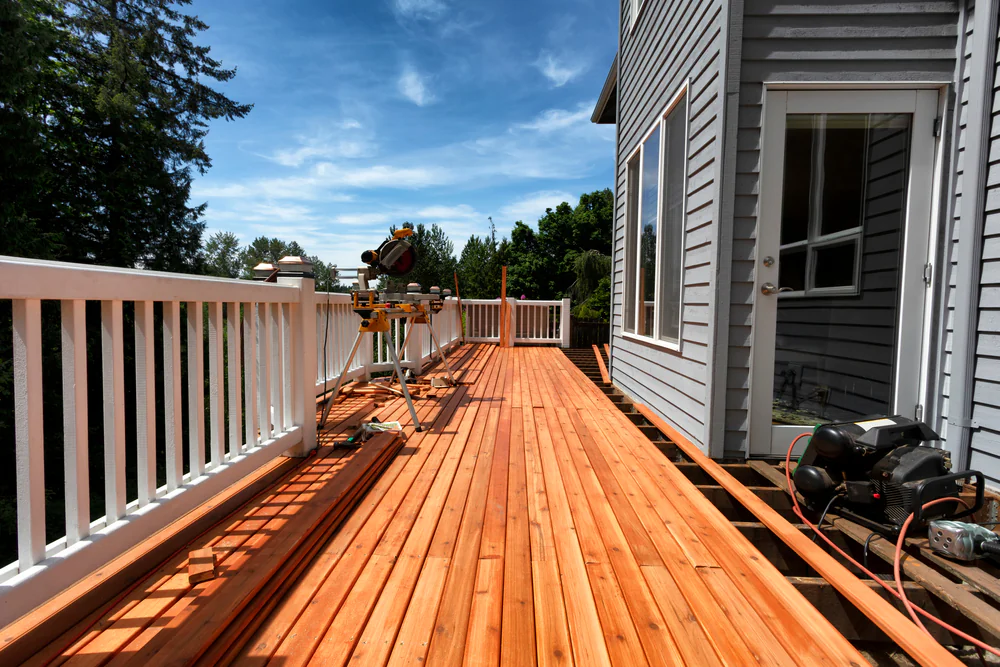
You get a deck your family can safely use again. No more testing boards before you step. No more avoiding certain spots because you know they’re weak.
The railings are solid. The boards don’t flex when you walk across them. Water drains properly instead of pooling in corners where rot starts.
And you’re not wondering when the next problem will pop up. Most deck issues in Ronkonkoma come from moisture—Lake Ronkonkoma’s humidity does a number on wood, especially when small cracks turn into bigger problems. We fix what’s broken and catch what’s starting to fail before it becomes your next headache.
You also know exactly what you paid for. We don’t upsell you on a full replacement when repairs will do the job. If your deck needs replacing, we’ll tell you. If it doesn’t, we’ll fix what needs fixing and leave the rest alone.
We’ve been working in Suffolk County for over a decade. We know what Long Island weather does to decks because we’ve repaired hundreds of them across Ronkonkoma and the surrounding towns.
We’re licensed and insured, and we don’t operate like the contractors who disappear after the deposit clears. This is our community. Our reputation matters more than one job.
Most of our work comes from referrals—people who had a good experience and told their neighbors. That doesn’t happen by accident. It happens when you show up on time, do what you said you’d do, and charge what you said you’d charge.
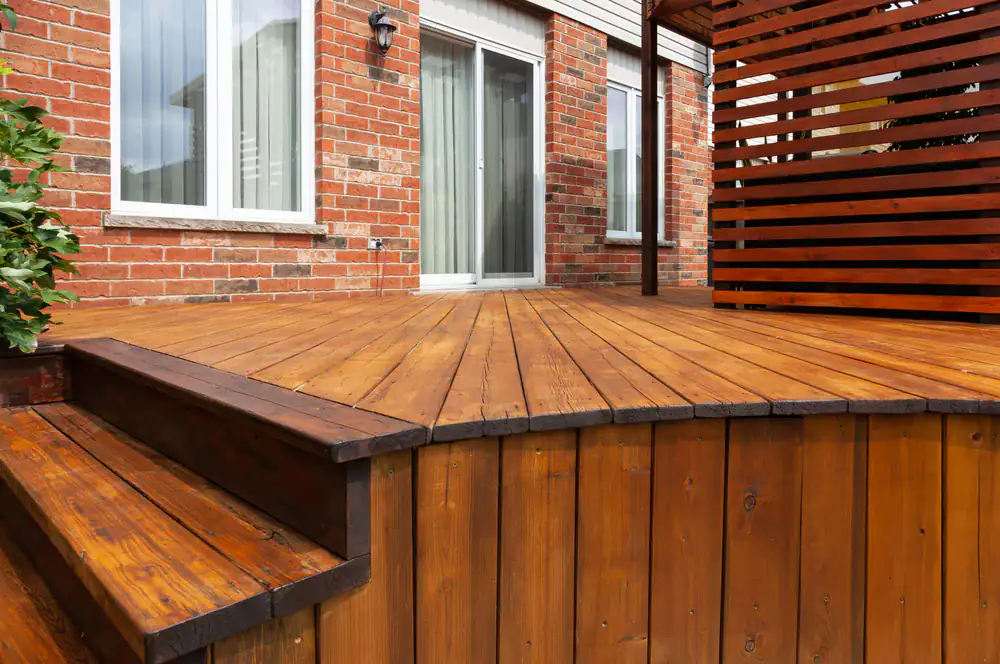
First, we come out and look at your deck. Not just the obvious stuff—we check the support posts, the joists underneath, the flashing where the deck meets your house. Most problems start where you can’t see them.
Then we tell you what needs fixing and what it’ll cost. If boards are rotting, we replace them with pressure-treated lumber or composite materials that hold up better in humid climates. If railings are loose, we reattach or rebuild them to current code. If there’s structural damage, we address it properly—not with a patch that’ll fail in six months.
Most repairs take one to three days depending on scope. Simple jobs like replacing a few boards or tightening railings usually wrap up in a day. Bigger jobs—structural repairs, extensive board replacement—take longer, but we’ll tell you the timeline upfront.
We clean up when we’re done. You’re left with a deck that works the way it should, and you’re not calling us back in a month because something we “fixed” is already failing again.
Ready to get started?
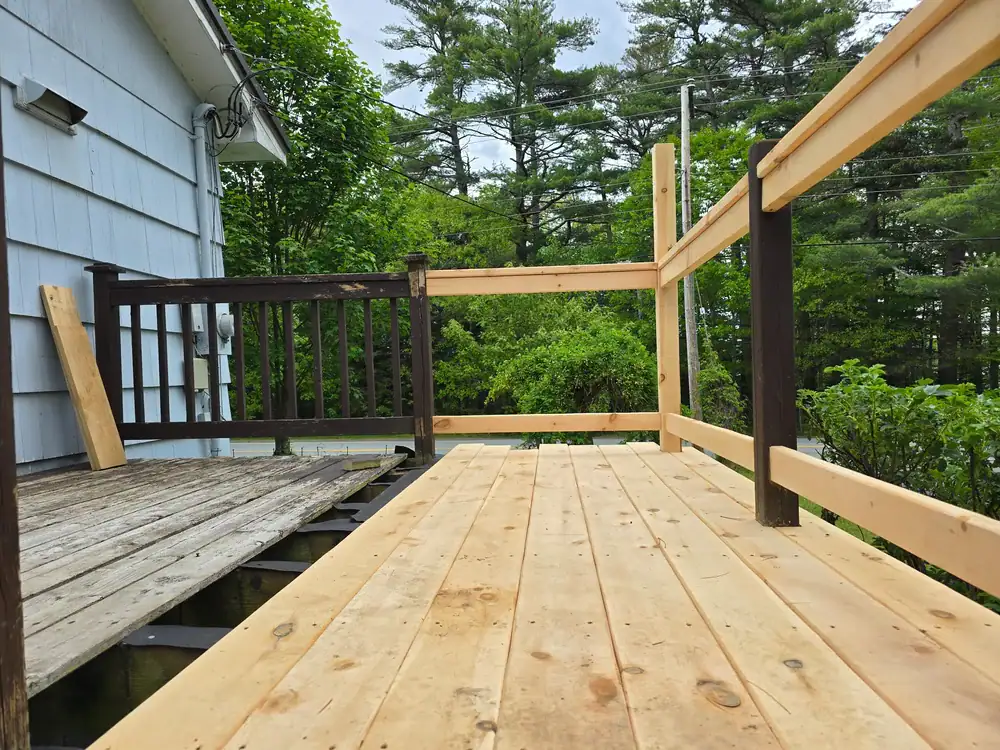
We handle rotting or damaged boards—the ones that feel soft when you step on them or have visible cracks running through them. We replace them with materials designed for Long Island’s climate, not whatever’s cheapest at the lumber yard.
Loose or broken railings get reattached or rebuilt to meet current building codes. Railings aren’t just for looks—they’re safety features, especially if you’ve got kids or older family members using the deck.
We fix structural issues like failing support posts and weakened joists. These are the problems most homeowners don’t see until it’s expensive. Support posts rot from the inside out when moisture gets trapped. Joists weaken when water sits on them year after year. We catch these early when possible, or fix them properly when they’ve already failed.
Ronkonkoma homes, especially those near the lake, deal with higher humidity than other parts of Long Island. That means decks age faster here. We use corrosion-resistant hardware and materials that account for that—not because it’s trendy, but because it’s what actually works in this area.

Most deck repairs in Ronkonkoma run between $1,000 and $5,000 depending on what’s broken and how much of it there is. Replacing a few damaged boards on the low end. Structural repairs—support posts, joists, ledger boards—on the high end.
The real cost comes from waiting. A couple of loose boards you ignore today turn into a safety hazard in six months and a structural problem in a year. Water gets into places it shouldn’t, rot spreads, and suddenly you’re looking at a full replacement instead of a repair.
We give you a detailed estimate before we start so you know exactly what you’re paying for. No surprise charges. No upsells. If we find something unexpected once we start—and sometimes we do—we stop and talk to you before we do anything about it.
If the structure underneath is solid—the posts, joists, and framing—you can usually repair the deck and get years more out of it. If those structural components are compromised, replacement starts making more sense.
We’re honest about this because we’re not trying to sell you the biggest job possible. A repair costs you less and takes less time. If that’s the right call, we’ll tell you. If the deck is too far gone and you’ll be throwing money at a losing battle, we’ll tell you that too.
Most decks in Ronkonkoma that are less than 15 years old and have been reasonably maintained are good candidates for repair. Older decks or ones that have been neglected for years often need replacement. We assess it on a case-by-case basis and give you our honest recommendation.
Simple repairs—replacing a handful of boards, fixing loose railings, tightening hardware—usually take a day. You can often use your deck again by that evening.
More involved work takes longer. If we’re addressing structural issues, replacing a large section of decking, or rebuilding railings, expect two to three days. Weather can add time if we hit a stretch of rain, but we’ll keep you updated.
We don’t drag jobs out. We show up when we say we will, work efficiently, and move on to the next job. Most of our customers are surprised by how quickly we get things done—not because we rush, but because we’ve done this enough times to work efficiently without cutting corners.
Moisture is the main culprit. Ronkonkoma sits right on the lake, which means higher humidity than you’d get further inland. That humidity accelerates wood rot, especially when water pools on the deck surface or gets trapped between boards.
Freeze-thaw cycles during winter don’t help. Water gets into small cracks, freezes, expands, and makes those cracks bigger. Do that enough times and boards start splitting. Railings work loose. Fasteners corrode.
The other issue is poor maintenance. Decks need to be cleaned and sealed regularly. When that doesn’t happen, the protective finish breaks down and moisture gets into the wood. Once that starts, rot follows. We see this constantly—decks that could’ve lasted 20+ years failing at 10 because nobody maintained them.
We work with both. Most older decks in Ronkonkoma are pressure-treated wood or cedar, and we repair those regularly. But plenty of homeowners have switched to composite materials, and we handle repairs on those too.
Composite decking is more resistant to rot and moisture damage, but it’s not indestructible. Boards can crack, fade, or get damaged by heavy furniture or impacts. Railings still work loose. The framing underneath is usually still wood, and that can rot just like a traditional wood deck.
If you’re replacing damaged sections, we can match your existing material or recommend an upgrade if it makes sense. Some homeowners use repairs as an opportunity to transition from wood to composite in phases. Others want to keep everything consistent. Either way works—we just need to know what you’re after.
Soft or spongy boards are the clearest sign. If you step on a board and it flexes more than it should, or if it feels soft under your weight, that’s rot. Don’t ignore it.
Loose railings are another red flag. Railings should be rock solid. If you can wiggle them or if they feel unstable when you lean on them, they need attention immediately. That’s a fall hazard, especially for kids or older adults.
Look for visible cracks, splits, or gaps between boards. Small cracks aren’t always urgent, but large splits or gaps wide enough to catch a heel are problems. Also check where the deck attaches to your house—if you see gaps, rust, or water damage, that’s where serious structural issues often start. When in doubt, have someone look at it. A quick inspection catches problems before they become dangerous.
Other Services we provide in Ronkonkoma