Hear From Our Clients
Long Island weather doesn’t mess around. Nor’easters rip shingles off. Salt air eats through flashing. Summer heat cracks underlayment. Winter ice creates dams that force water under your roof deck.
A proper roof installation means you’re not patching leaks every spring or calling for emergency repairs after every storm. It means your attic stays dry, your energy bills stay reasonable, and you’re not wondering if the next big wind event is going to leave you scrambling for tarps.
Most homes in Gordon Heights were built in the 90s and early 2000s. If you’re still on your original roof, you’re pushing the limit on asphalt shingles. The good news is that a quality roof replacement can return over 100% of its cost when you sell, and it stops the slow bleed of higher heating and cooling costs that come with a deteriorating roof system.
Home Team Construction isn’t a franchise or a crew that bounces between states chasing storm work. We’re based here. We grew up dealing with the same coastal storms, the same humidity, the same building codes you do.
That matters when you’re choosing someone to handle a job this big. We know which materials hold up to salt air. We know how to flash a roof so it survives 70 mph gusts. We know the permitting process in Suffolk County and what inspectors look for.
We’ve been doing this long enough to have repeat customers who’ve used us three, four, five times across different properties. That doesn’t happen if you cut corners or disappear after the check clears.
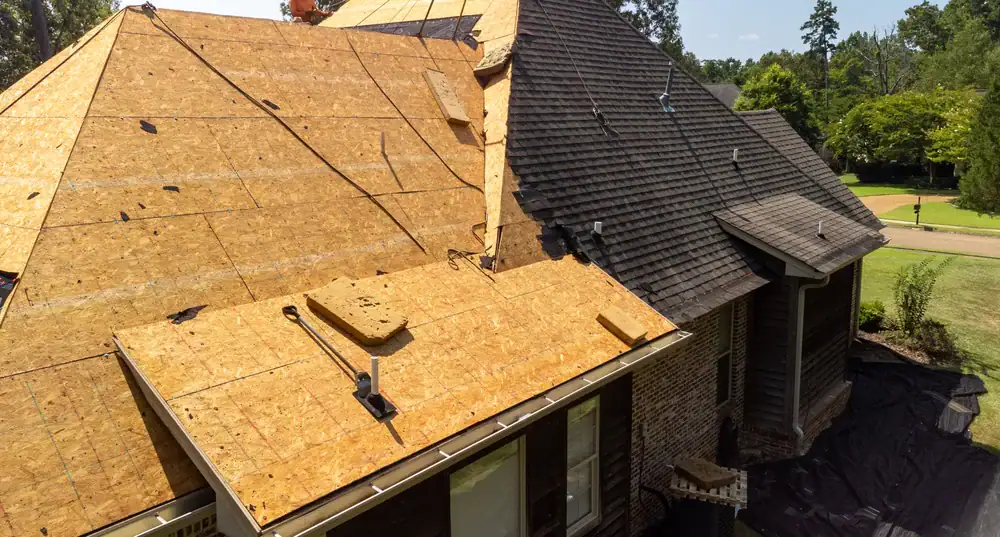
First, we come out and inspect what you’ve got. We’re looking at the decking, the ventilation, the flashing around chimneys and skylights, the condition of your gutters. We use drones for steep or complex roofs to get accurate measurements without putting anyone at risk. You get a clear estimate before we start—no surprises halfway through.
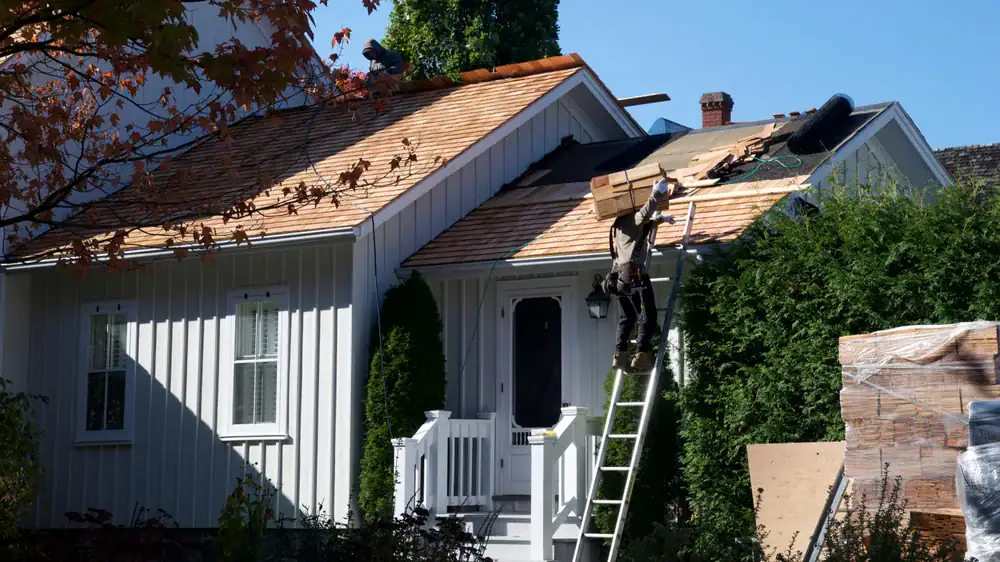
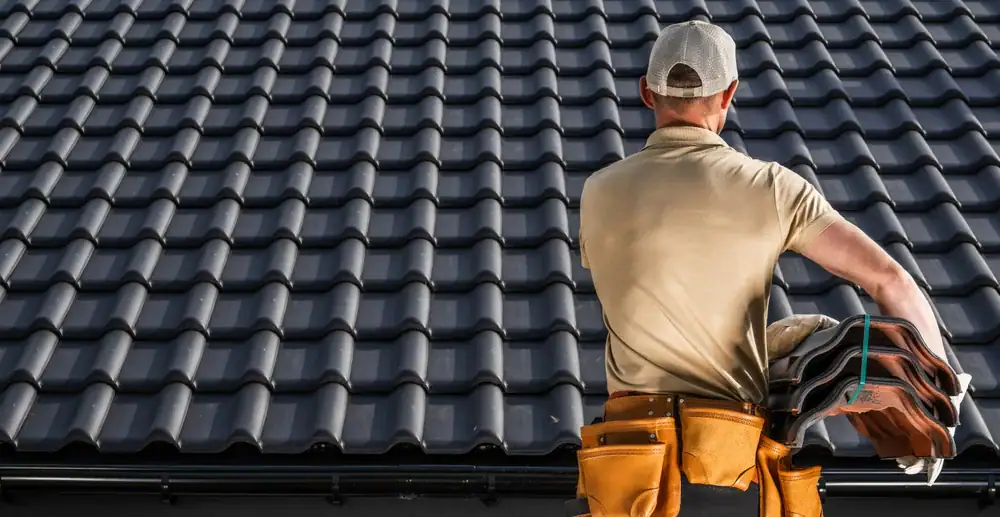
Once you’re ready to move forward, we pull permits and schedule the work around weather windows. On install day, we strip off the old roofing down to the deck, replace any rotted or damaged sheathing, and install a high-quality underlayment that acts as a secondary water barrier. Then we install drip edge, flashing, and the roofing material itself—whether that’s architectural shingles, metal panels, or another system.
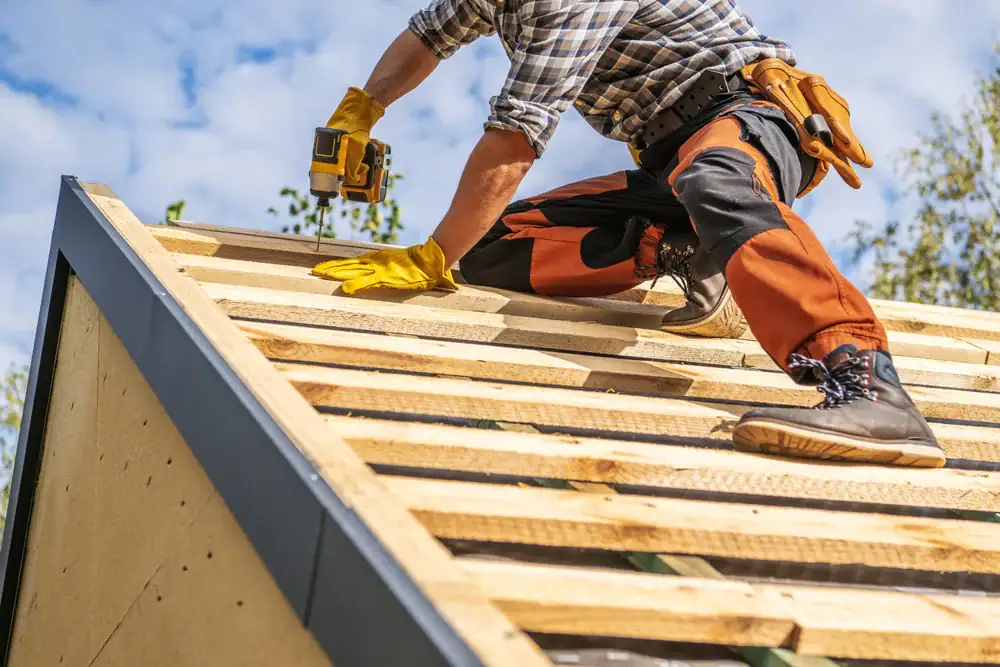
We use extra fasteners in high-wind zones. We seal every penetration. We make sure your ridge vent is properly sized for your attic space so moisture doesn’t build up and shorten the life of your new roof. The job’s not done until the site is clean, the final inspection passes, and you understand your warranty coverage.
Ready to get started?
A roof installation isn’t just slapping shingles on and calling it a day. You’re getting a complete system designed to protect your home for 20 to 30 years or more, depending on the material.
In Gordon Heights, where homes average 30+ years old and many are approaching the end of their original roof’s lifespan, we’re often dealing with outdated ventilation systems and insufficient attic insulation. A proper installation addresses that. We evaluate your attic’s airflow and make recommendations to prevent ice dams in winter and reduce cooling costs in summer. We replace or upgrade flashing around chimneys, skylights, and roof-to-wall transitions—these are the spots where most leaks start.
For homeowners concerned about storm damage, we install impact-resistant shingles rated for high winds and hail. We use hurricane ties or rafter braces where needed. If you’re near the coast or in a flood zone, we make sure everything meets current building codes, which have gotten stricter over the past decade. That’s not just about passing inspection—it’s about making sure your insurance company doesn’t give you grief when you file a claim.
Metal roofing is becoming more popular here, especially for homeowners tired of replacing shingles every 15 years. It costs more upfront, but it lasts 50+ years, reflects heat in summer, and sheds snow and ice better than asphalt. We install standing seam metal systems and can walk you through whether it makes sense for your home and budget.
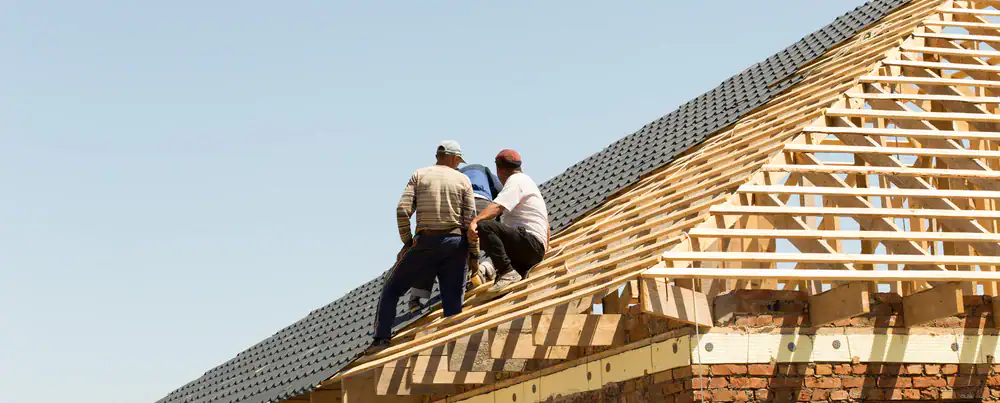
Most residential roof installations take two to four days, depending on the size of your home, the complexity of the roof design, and the weather. A straightforward ranch with a simple gable roof might be done in two days. A larger colonial with multiple valleys, dormers, and skylights could take four or five.
Weather delays are common on Long Island. We don’t install roofing in the rain, and we won’t start a job if there’s a storm in the forecast that could leave your home exposed overnight. That might push your start date, but it’s better than rushing and ending up with water damage or a compromised installation.
If we find rotted decking or structural issues once we remove the old roof, that adds time. We’ll walk you through what we found and what it’ll take to fix it before we move forward. Most of the time, it’s a few sheets of plywood and an extra half day of work, but we’re not going to cover up a problem and pretend it doesn’t exist.
Architectural asphalt shingles are the most common choice in Gordon Heights because they balance cost, durability, and wind resistance. Look for shingles rated for at least 110 mph winds—anything less won’t hold up to a strong nor’easter. Impact-resistant shingles add another layer of protection against hail and wind-blown debris, and some insurance companies offer discounts if you install them.
Metal roofing is gaining ground, especially among homeowners who don’t want to replace their roof again in 15 years. Standing seam metal roofs last 50+ years, require almost no maintenance, and perform well in high winds and heavy snow. They cost about twice as much as asphalt up front, but the long-term value is hard to beat. They’re also more energy-efficient because they reflect heat instead of absorbing it.
Slate and tile are options if you want a premium look and have the budget and structural support for the extra weight. They last a lifetime, but they’re expensive and require specialized installation. For most homeowners in this area, high-quality architectural shingles or metal are the sweet spot between performance and cost.
A full roof replacement on an average-sized home in Gordon Heights typically runs between $8,000 and $18,000, depending on the size of the roof, the material you choose, and the condition of the underlying structure. That’s for architectural asphalt shingles on a straightforward roof with no major repairs needed.
If you’re going with metal roofing, expect to pay $15,000 to $30,000 or more. Premium materials like slate or tile can push costs even higher, but most homeowners around here aren’t going that route unless they’re matching a specific architectural style.
Costs go up if we need to replace decking, upgrade ventilation, or handle complex flashing details around chimneys and skylights. We’ll give you a detailed estimate before we start so you know exactly what you’re paying for. Financing is available if you need to spread payments out—we offer 18-month interest-free options for qualified buyers. A new roof adds serious value to your home and prevents the kind of water damage that costs way more to fix than the roof itself.
If your roof is under 15 years old and the damage is localized—a few missing shingles after a storm, a small leak around a chimney—repair usually makes sense. We can replace damaged sections, reseal flashing, and get you back to watertight without tearing off the whole roof.
But if your roof is 20+ years old, you’re seeing multiple leaks, or you’ve got widespread curling, cracking, or granule loss on your shingles, replacement is the smarter move. Repairs on an aging roof are a Band-Aid. You’ll spend money now, then spend more in a year or two when another section fails, and you’ll still end up replacing it eventually.
In Gordon Heights, a lot of homes are sitting on roofs installed in the late 90s or early 2000s. If that’s you, you’re past the point where repairs make financial sense. A full replacement gives you a warranty, better energy efficiency, and peace of mind that you’re not going to be dealing with emergency leaks every time it rains. We’ll give you an honest assessment during the inspection—if a repair will buy you a few more years, we’ll tell you. If you’re throwing good money after bad, we’ll tell you that too.
Yes, especially if your current roof has poor ventilation or damaged insulation underneath. A lot of older homes in this area were built without adequate attic ventilation, which means heat builds up in summer and escapes in winter. That makes your HVAC system work harder and drives up your utility costs.
When we install a new roof, we evaluate your attic ventilation and make sure you’ve got proper intake and exhaust. That keeps your attic temperature closer to the outside air, which reduces the load on your air conditioning in summer and prevents ice dams in winter. We also check your insulation levels and let you know if you’re losing heat through your roof deck.
Cool roofing materials—lighter-colored shingles or metal roofs—reflect more sunlight and absorb less heat, which can drop your cooling costs by 10 to 15 percent in the summer. If energy efficiency is a priority, we can walk you through which materials will give you the best return. It’s not going to cut your bills in half, but over the 20- or 30-year life of the roof, the savings add up.
If storm damage happens after we install your roof, the first thing to do is call us. We’ll come out and assess what’s going on. Most of the time, storm damage on a new roof is caused by something extreme—a tree falling, wind speeds well beyond what the shingles are rated for, or hail the size of golf balls.
Your new roof comes with a manufacturer’s warranty on the materials and a workmanship warranty from us. If the damage is due to a defect or installation error, we’ll fix it at no cost. If it’s due to an act of nature, your homeowner’s insurance should cover it, and we’ll work with your adjuster to document the damage and get the claim processed.
We’re available 24/7 for emergency repairs. If a storm rips off shingles or punches a hole in your roof, we’ll get out there and tarp it or make temporary repairs to prevent water damage while we wait for insurance approval or materials to arrive. We’ve been through enough hurricanes and nor’easters to know how this works, and we’ll walk you through the process so you’re not dealing with it alone.
Other Services we provide in Gordon Heights