
Hear From Our Clients
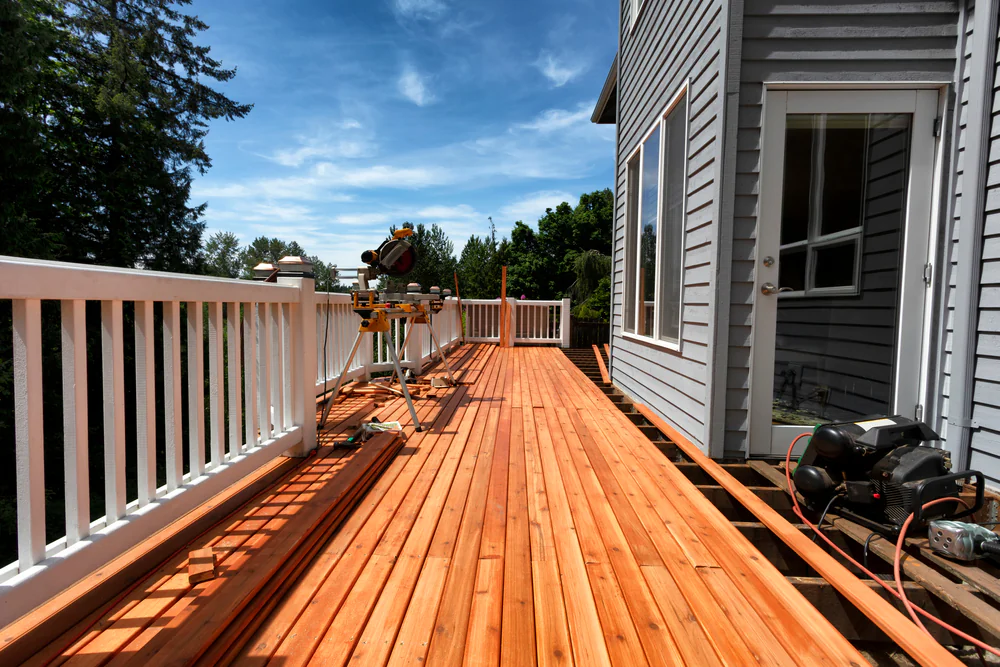
You get your deck back to safe, stable condition without tearing the whole thing down and starting over. Most deck repairs cost between $1,000 and $5,000—a fraction of what you’d spend on a full replacement that can easily hit $15,000 or more.
Here’s what that means for you: your family can use the deck without worrying about loose boards or weak railings. Your home value stays protected because buyers see a well-maintained outdoor space, not a liability. And you’re not draining your savings on a project that might not have been necessary in the first place.
The difference between a repair and a replacement often comes down to timing. Catch the problem early—rotting boards, rusted fasteners, or minor structural issues—and you can extend your deck’s life by another 10 to 15 years. Wait too long, and moisture gets into the framing, support posts rot from the inside out, and suddenly you’re looking at a complete rebuild.
Home Team Construction has been handling deck repairs across Brookhaven and Suffolk County since 2007. We’re not a national franchise or a crew that shows up once and disappears—we’re local contractors who’ve spent nearly two decades learning how coastal weather tears apart decks and what it takes to fix them right.
Gordon Heights homeowners deal with specific challenges. Salt air corrodes fasteners faster than it would even 20 miles inland. High humidity creates perfect conditions for mold and rot. Freeze-thaw cycles crack boards and loosen connections. We’ve seen it all, and we know which materials hold up and which ones fail within a few years.
You’re working with licensed professionals who handle permits, inspections, and code compliance. We’re the contractors neighbors call when they need deck repairs done correctly the first time.
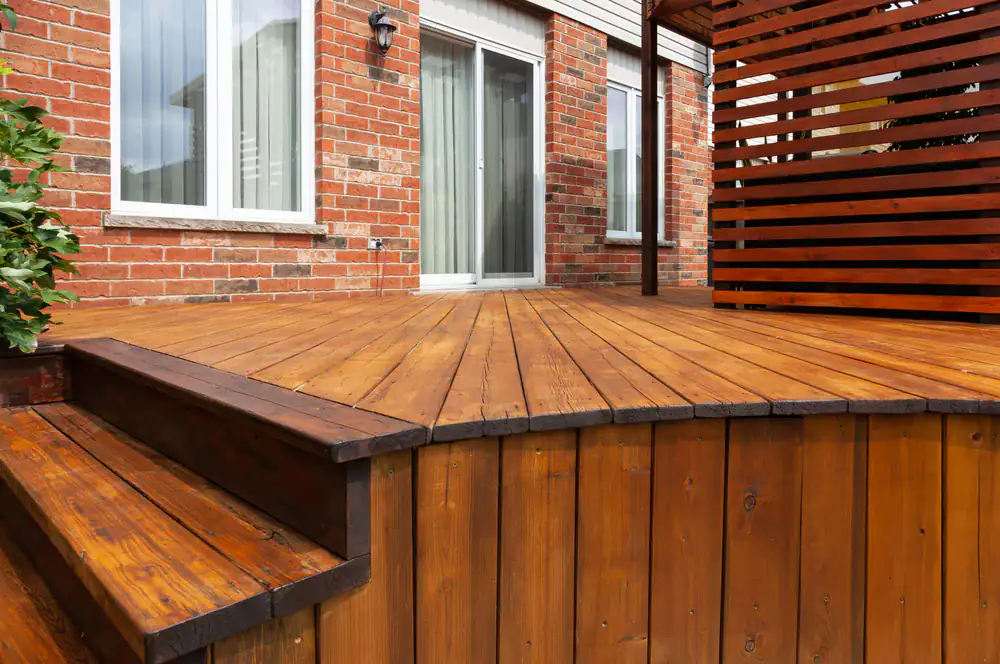
We start with a thorough inspection of your deck’s structure, boards, railings, and hardware. This isn’t a quick walk-around—we’re checking underneath for rotting joists, testing support posts for stability, and looking at connections that most homeowners never see. You need to know what’s actually wrong before anyone starts swinging a hammer.
Once we’ve identified the problems, you get a detailed estimate that breaks down exactly what needs fixing and why. We’re not going to tell you the whole deck needs to be replaced if a few boards and some new fasteners will do the job. You’ll know what you’re paying for before we start.
Most standard deck repairs take one to two weeks, depending on the scope of work and weather conditions. We handle everything from pulling permits to final cleanup. You get regular updates throughout the process, and we don’t consider the job done until you can walk out onto a deck that’s structurally sound and safe for your family.
Ready to get started?
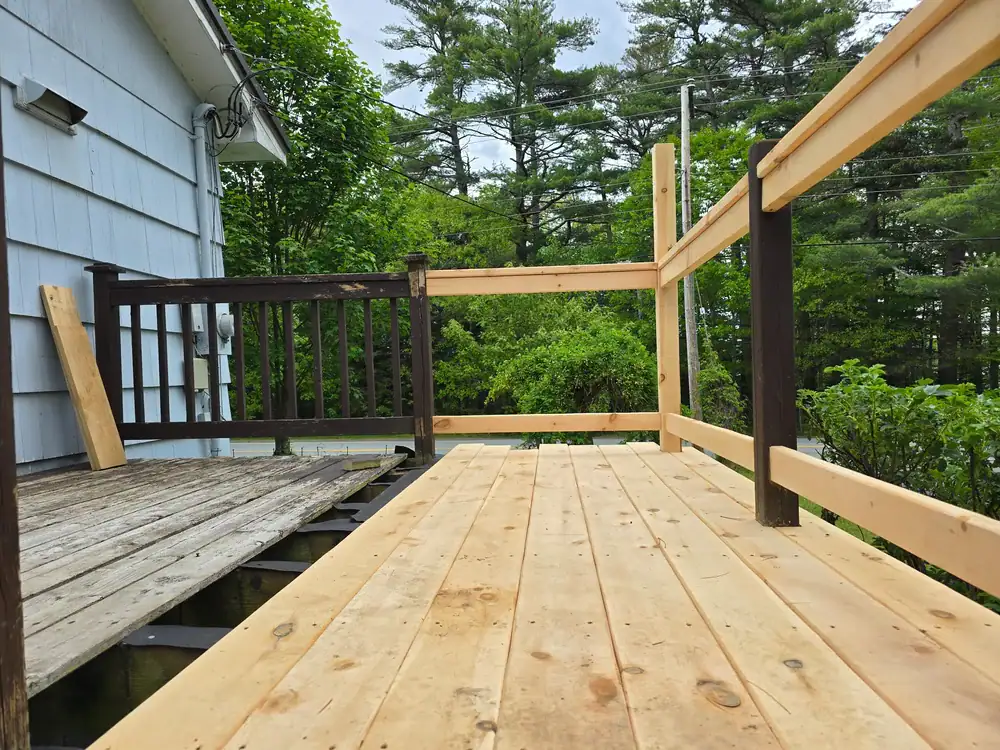
Deck repair covers everything from surface-level board replacement to serious structural work. We replace rotting or splintered deck boards with materials that match your existing structure—pressure-treated wood, cedar, or composite decking depending on what you have now. Railings get reinforced or rebuilt to meet current safety codes. Stairs are leveled and secured properly.
The structural work is where most companies cut corners, but it’s the most important part. We replace rotting support posts, reinforce weakened joists, and install proper flashing to keep water from getting trapped in connections. All fasteners get upgraded to marine-grade hardware that won’t corrode in Gordon Heights’ coastal environment.
In Suffolk County, you’re dealing with salt air exposure that accelerates deterioration. Standard deck materials that last 25 years inland might only give you 15 to 20 years here. That’s why we use enhanced nailing patterns, wind-rated materials, and corrosion-resistant fasteners designed for coastal conditions. You’re not just getting a repair—you’re getting protection against the specific challenges Long Island throws at outdoor structures.
We also handle permits and inspections through Brookhaven’s building department. If your deck was built before current codes went into effect, we’ll bring it up to standard so you’re not dealing with compliance issues when you eventually sell your home.

Most decks need repair, not replacement—but you won’t know for sure until someone inspects the structure underneath. Surface problems like cracked boards, peeling stain, or loose railings are almost always repairable. The real question is what’s happening with the support posts, joists, and ledger board that attach your deck to the house.
If the framing is still solid, you can replace boards, reinforce railings, and upgrade hardware for a fraction of replacement cost. But if support posts are rotting at the base, joists are sagging, or the ledger board is pulling away from your house, you’re looking at more extensive structural work—and possibly a full replacement.
Here’s a simple test: push down hard on your deck railing. If it flexes more than an inch or feels loose, that’s a problem. Walk across the deck and pay attention to any boards that feel spongy or bounce more than others. Check underneath for visible rot, especially where posts meet the ground or where joists connect to the ledger board. If you see any of these signs, get a professional inspection before the problem gets worse.
Coastal climate. Gordon Heights sits close enough to the water that salt air reaches your property, and that salt accelerates corrosion on every metal fastener holding your deck together. Screws rust out faster, nails lose their grip, and metal brackets weaken—all while you’re not seeing any visible problems from the top.
High humidity is the other major factor. Long Island gets humid summers that create perfect conditions for mold and rot, especially in areas where water gets trapped between boards or in connections. Wood stays damp longer, which means it breaks down faster. Composite materials can handle moisture better, but even those need proper ventilation and drainage to avoid problems.
Freeze-thaw cycles do the rest of the damage. Water gets into small cracks during fall and winter, freezes, expands, and makes those cracks bigger. By spring, what started as a hairline crack is now a split board that needs replacement. This cycle repeats every year, which is why decks that would last 30 years in drier climates might only give you 20 years here without proper maintenance and repairs.
Most deck repairs in Gordon Heights run between $1,000 and $5,000, depending on what needs fixing. Simple jobs like replacing a few boards or reinforcing railings sit at the lower end. More involved work—structural repairs, multiple board replacements, or upgrading all the hardware to marine-grade fasteners—pushes toward the higher end.
Compare that to full deck replacement, which typically costs $15,000 to $25,000 for an average-sized deck in Suffolk County. The math is straightforward: if your deck’s structure is still solid, repair makes financial sense. You’re extending the life of your deck by 10 to 15 years while spending a fraction of replacement cost.
The key is catching problems early. A $2,000 repair today can prevent a $20,000 replacement in three years. Small issues like loose boards or surface rot spread quickly in coastal climates, so waiting usually means spending more money later. Get an inspection if you’re seeing any signs of damage—it costs nothing to find out what you’re actually dealing with, and it might save you from a much bigger expense down the road.
Most standard deck repairs take one to two weeks from start to finish. That includes time for permits, material delivery, and the actual repair work. Simple jobs like board replacement or railing repairs might only take a few days. More complex structural work—replacing support posts, reinforcing joists, or rebuilding sections of framing—can stretch closer to two weeks.
Weather plays a role in timing, especially during spring and fall when rain can delay outdoor work. We can’t install new boards or apply sealant in wet conditions, so if we get hit with a few rainy days, the schedule shifts. Summer is usually the fastest time for repairs because weather is more predictable.
You’ll get a realistic timeline during the estimate process, and we keep you updated if anything changes. We’re not going to tell you two weeks and then show up a month later—if delays happen, you’ll know why and when we’ll be back on site. Most homeowners are more concerned about knowing what to expect than they are about shaving a few days off the schedule, so we focus on clear communication over making promises we can’t keep.
Yes, but perfect color matching is tough with wood decks—and anyone who tells you otherwise isn’t being straight with you. New wood looks different from weathered wood, even if it’s the same species. Pressure-treated lumber starts out with a greenish tint that fades to gray over time. Cedar begins reddish-brown and weathers to silver-gray. The new boards will eventually blend in as they age, but there’s going to be a visible difference for the first year or two.
Composite decking is easier to match because manufacturers keep consistent color lines. If your deck is composite and the product line is still available, we can get boards that match almost exactly. If the line has been discontinued, we’ll find the closest match possible and show you samples before ordering.
The best approach for wood decks is to plan on refinishing the entire surface after repairs are complete. Once we’ve replaced the damaged boards, you can sand and stain everything to create a uniform appearance. This adds to the project cost, but it’s the only way to make new and old wood look consistent. Some homeowners skip the refinishing and let everything weather naturally—it takes longer, but it costs nothing and eventually gets you to the same place.
It depends on the scope of work. Simple repairs like replacing a few boards or fixing railings usually don’t require permits. But if you’re doing structural work—replacing support posts, reinforcing joists, or rebuilding sections of framing—Brookhaven’s building department wants to see permits and inspections.
The rules exist for good reason. Structural repairs affect your deck’s safety and your home’s value. If you skip permits and something goes wrong later, you’re liable. And when you eventually sell your home, unpermitted work can kill deals or force you to tear everything out and start over with proper permits.
We handle all permit applications and inspections as part of our deck repair services. You don’t need to visit the building department or figure out what paperwork is required—we take care of it. The permit process adds a week or two to the timeline because we need to schedule inspections, but it protects you legally and ensures the work meets current building codes. Most homeowners would rather wait an extra week than deal with compliance problems years down the road.
Other Services we provide in Gordon Heights