Hear From Our Clients
You stop worrying every time the forecast calls for heavy rain. Your attic stays dry during Nor’easters, and you’re not dealing with water stains creeping across your ceiling three months after a storm.
A proper roof installation means the shingles stay sealed when wind tries to lift them. It means flashing around your chimney and skylights actually keeps water out instead of funneling it into your walls. You’re not calling emergency roofers at midnight because something failed.
East Patchogue homes face salt air, wind-driven rain, and weather that tests every seal and fastener on your roof. When the installation accounts for that from the start, you’re not paying twice to fix what should’ve been done correctly the first time. You’re getting a roof that works like the barrier it’s supposed to be.
We operate out of Brookhaven and Mastic, right here in Suffolk County. We’re licensed, insured, and we’ve spent over 10 years replacing roofs, fixing storm damage, and handling the kind of weather-related problems that Long Island homeowners deal with constantly.
Your neighbors in East Patchogue know what happens when coastal storms roll through. Shingles lift, flashing fails, and small problems turn into expensive ones fast. We’ve seen it hundreds of times, and we know exactly how to install roofing systems that hold up against it.
You’re not getting a crew that disappears after the job or leaves you guessing about what was actually done. We document the work, give you straight answers about pricing before we start, and treat your home the way we’d want ours treated.
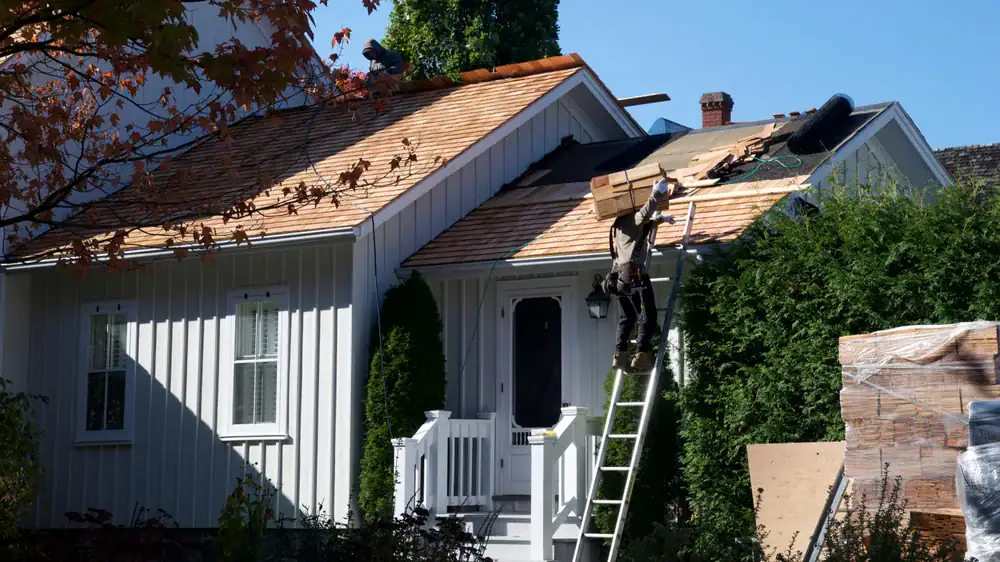
First, we come out and actually look at your roof. Not just from the ground—we get up there and check for damage you can’t see from your driveway. We’re looking at shingle condition, flashing integrity, and whether your decking has issues that’ll cause problems later.
You get a clear estimate that breaks down what needs to happen and what it costs. No surprises, no upselling you on things that don’t matter. If your roof needs a full replacement, we tell you. If repairs will handle it, we tell you that too.
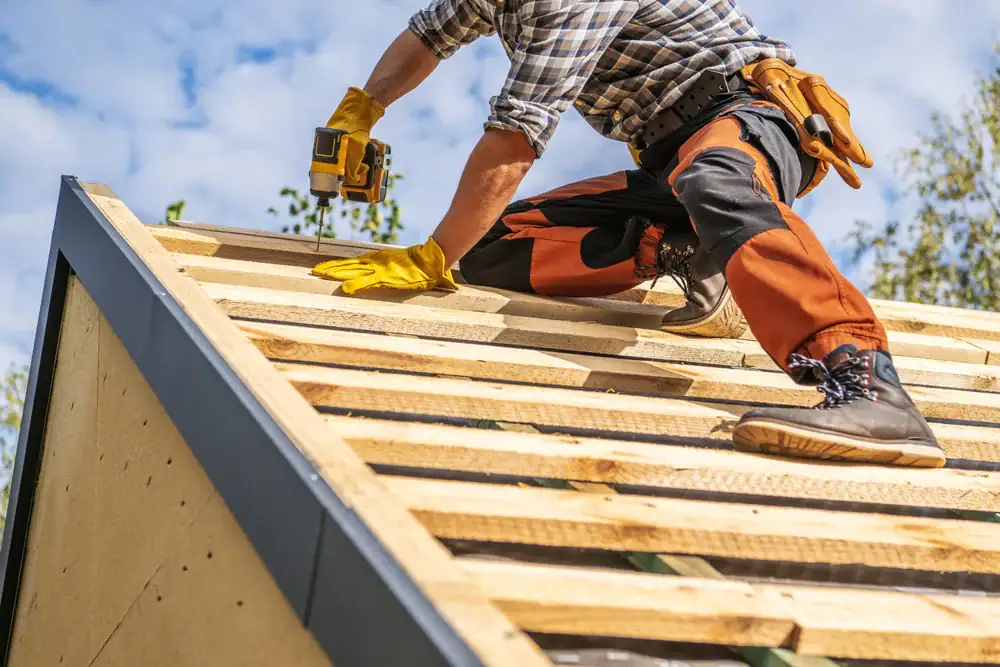
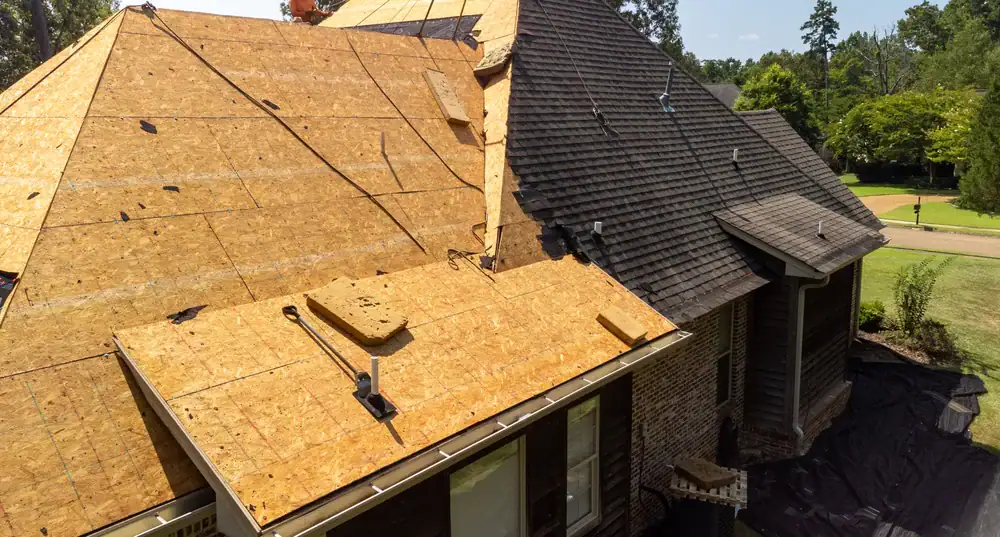
When we install, we tear off the old roofing down to the deck, replace any damaged sheathing, and install new underlayment that’s designed for Long Island weather. Shingles go on with proper fastening patterns that resist wind uplift. Flashing gets sealed correctly around chimneys, skylights, and valleys where most leaks start. Ridge vents get installed to prevent moisture buildup that rots your decking from the inside.
You get photo documentation of the completed work and a roof that’s built to last through the storms you know are coming.
Ready to get started?
You’re getting a complete roof replacement, not a patch job. That means full tear-off of existing materials, inspection and repair of roof decking, new underlayment installation, and your choice of asphalt shingle or metal roofing systems.
East Patchogue homes—many built between 1940 and 1969—often need decking repairs that don’t show up until the old roof comes off. We handle that as part of the process, not as a surprise upcharge. Flashing around chimneys, skylights, and roof penetrations gets replaced with materials that won’t corrode in salt air.
If you’re dealing with storm damage, we know how to work with insurance documentation. We’ve handled plenty of wind damage claims and hail damage situations where homeowners didn’t even realize their roof was compromised. The damage isn’t always obvious—lifted shingles can reseal themselves temporarily, but the next storm finishes the job.
Asphalt shingles typically last 20-25 years here, but that assumes proper installation and adequate attic ventilation. Metal roofing lasts longer but costs more upfront. We’ll walk you through what makes sense for your home and budget without pushing you toward the most expensive option.
Most roof installations in East Patchogue run between $5,000 and $12,000 depending on your roof size, pitch, and material choice. A typical 1,500 square foot ranch with standard asphalt shingles sits in the middle of that range. Steeper roofs cost more because they’re harder to work on safely. Multiple stories, complex layouts with valleys and dormers, or metal roofing push costs higher.
You’re also paying for tear-off and disposal of old materials, any necessary decking repairs, new underlayment, flashing, and ridge venting. If we find rotted sheathing when we pull off your old roof, that’s additional material and labor. It happens more often than you’d think, especially on homes that have had small leaks going unnoticed.
We give you the full price upfront in writing. You’ll know exactly what you’re paying before we start, and we don’t tack on charges later unless you approve additional work we couldn’t see until tear-off.
Most residential roof installations in East Patchogue take two to four days depending on size and weather. A straightforward ranch might be done in two days—one for tear-off and decking inspection, one for installation. Larger homes or complex rooflines take longer.
Weather delays happen. We’re not installing your roof in heavy rain or high winds because the work won’t hold up and your home’s interior will get damaged. If the forecast looks bad, we’ll reschedule rather than rush through a job that’ll cause problems later.
You’ll have some noise and activity while we’re working. Tear-off is loud—there’s no way around that. We protect your landscaping and property, clean up debris daily, and use tarps to prevent damage to your siding or windows. When we’re done, your yard shouldn’t look like a construction zone.
Asphalt shingles handle Long Island weather well if they’re installed correctly with proper wind resistance ratings. You want shingles rated for high wind zones—architectural shingles typically perform better than three-tab in coastal areas. They’re cost-effective and last 20-25 years with decent durability against the wind and rain you get here.
Metal roofing lasts longer, usually 40-50 years, and handles wind and salt air better than asphalt. It costs roughly double upfront but you’re not replacing it again in 20 years. Metal also sheds snow and ice better, which matters during heavy winter storms. The downside is cost and the fact that not every East Patchogue home aesthetically suits metal roofing.
Slate and tile look great but they’re heavy, expensive, and overkill for most homeowners here. The real key isn’t just material choice—it’s installation quality. Improperly installed premium shingles fail faster than correctly installed standard ones. Underlayment quality, flashing details, and fastening patterns matter more than most people realize.
If your roof is over 20 years old and you’re seeing multiple problem areas, replacement usually makes more sense than repairs. Patching a few shingles is one thing. Patching multiple leaks, dealing with widespread granule loss, or fixing curling shingles across large sections means you’re delaying the inevitable.
After storm damage, the question gets trickier. Wind can compromise shingle seals across your entire roof even if only a few blew off. You might fix the obvious damage and then deal with leaks six months later when the next storm hits. A proper inspection tells you whether the damage is localized or systemic.
We’ll give you an honest assessment. If repairs will actually solve your problem, that’s what we’ll recommend. If you’re going to spend $3,000 on repairs for a roof that needs replacement in two years anyway, we’ll tell you that too. You make the call based on real information, not a sales pitch.
We work with insurance claims regularly and we know what adjusters look for when they inspect storm damage. We can document damage with photos and detailed notes that support your claim. Wind damage, hail damage, and fallen tree impacts are typically covered if you file promptly.
Here’s what most homeowners don’t realize—insurance companies sometimes lowball initial estimates or miss damage that’s not immediately obvious. Lifted shingles that resealed, compromised flashing, or small punctures don’t always show up in a quick visual inspection. We can identify that damage and provide documentation that ensures you’re getting the full coverage you’re entitled to.
We don’t handle the claim filing itself—that’s between you and your insurance company. But we’ll meet with adjusters, provide detailed estimates, and make sure the scope of work matches what actually needs to happen. You’re not stuck accepting an insurance payout that doesn’t cover proper repairs.
We monitor weather forecasts closely and we don’t start tear-off if heavy rain is coming. Once your old roof is off, your home is vulnerable until the new one goes on. We use tarps to protect exposed areas if unexpected weather rolls in, but the goal is to avoid that situation entirely through proper scheduling.
If we’re mid-job and weather hits, we secure everything, tarp exposed sections, and resume when conditions allow. Your interior won’t get soaked because we planned for that possibility. Most installations move quickly enough that we’re not leaving your roof open overnight unless it’s a large or complex job.
Light rain during installation isn’t ideal but it’s manageable depending on the stage of work. We can’t install shingles in active rain because they won’t seal properly. But if we’re working on flashing or underlayment and light drizzle starts, we assess whether we can continue safely or need to pause. Your roof’s integrity matters more than finishing fast.
Other Services we provide in East Patchogue