
Hear From Our Clients
A roof installed correctly means you’re not dealing with leaks three years down the road. It means your insurance premiums stay reasonable because you’ve got impact-resistant materials rated for wind and hail. It means your attic stays dry during Nor’easters and your cooling bills drop in summer because the ventilation actually works.
Most roof problems don’t start with bad materials. They start with shortcuts during installation—missed flashing details, wrong nail placement, inadequate underlayment for coastal conditions. Long Island’s salt air doesn’t forgive those mistakes.
You’re looking at 20-30 years from quality asphalt shingles or 40+ from metal roofing, but only if the installation accounts for ice damming, proper drip edge, and corrosion-resistant fasteners. The difference between a roof that lasts and one that fails early comes down to whether your roofer contractor understands what Long Island weather actually does to a roof system.
We’ve handled roof installations across Suffolk County for over a decade. We’re a family-owned operation, which means when something goes wrong, you’re talking to the same people who did the work—not a call center.
We’re fully licensed and insured, and we’re GAF and Owens Corning certified. That certification matters because it means we follow manufacturer specs exactly, which protects your warranty. We’ve seen what happens when roofs get installed by crews that disappear after storm season.
Dix Hills homes sit on larger lots with mature trees and varied rooflines. That means more complexity—more valleys, more flashing points, more places where water can find its way in if the details aren’t right. We’ve worked on enough properties in this area to know what those details are.
We start with an inspection of your existing roof and attic. We’re checking for structural issues, ventilation problems, and any damage that needs addressing before new materials go on. You get a written estimate that breaks down materials, labor, and timeline—usually 1-2 days for most residential projects.
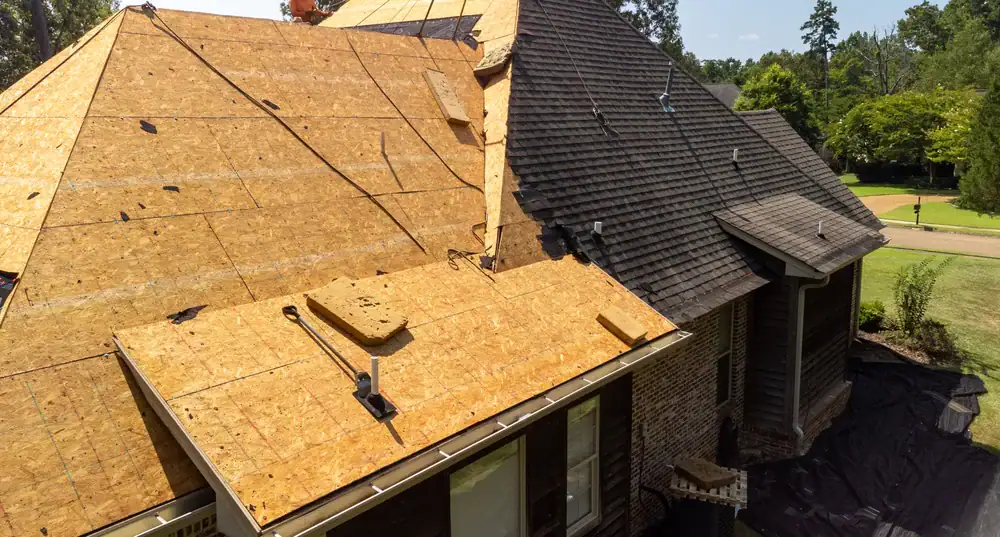
Once you approve, we pull permits through Suffolk County and schedule the tear-off. We protect your landscaping, your driveway, and your gutters. The old roof comes off, we inspect the decking for rot or damage, and we replace any compromised sections. Then we install ice and water shield in valleys and along eaves, followed by synthetic underlayment across the entire roof deck.
Flashing goes in around chimneys, skylights, and roof penetrations before any shingles touch the deck. We use hot-dipped galvanized nails that resist salt corrosion, and we hand-seal shingles in high-wind areas. Ridge venting gets installed to prevent moisture buildup and ice dams. Final inspection covers every detail, and we handle the permit sign-off. You get warranty paperwork for both materials and our workmanship.
Ready to get started?
You’re choosing between asphalt shingle and metal roofing, primarily. Asphalt shingles—architectural grade, not three-tab—give you 25-30 years in coastal conditions if installed with proper underlayment and ventilation. Metal roofing costs more upfront but lasts 40-50 years and cuts cooling costs by 30-40% because it reflects heat instead of absorbing it.
For Dix Hills specifically, we’re recommending impact-resistant shingles rated for Class 4 hail resistance. Insurance companies in Suffolk County offer premium discounts for these materials—sometimes 10-20% depending on your carrier. We’re also adding extra underlayment layers and upgrading to architectural shingles with algae resistance, because Long Island’s humidity promotes growth that shortens roof life.
Every installation includes new drip edge, which most older roofs in this area lack. We’re installing ridge vents for continuous airflow, which prevents ice dams in winter and reduces attic temperatures in summer. All valleys get ice and water shield, not just standard underlayment. Flashing around chimneys and skylights gets replaced, not reused. These aren’t upgrades—they’re standard for any roof that needs to handle Long Island weather for the next two to three decades.
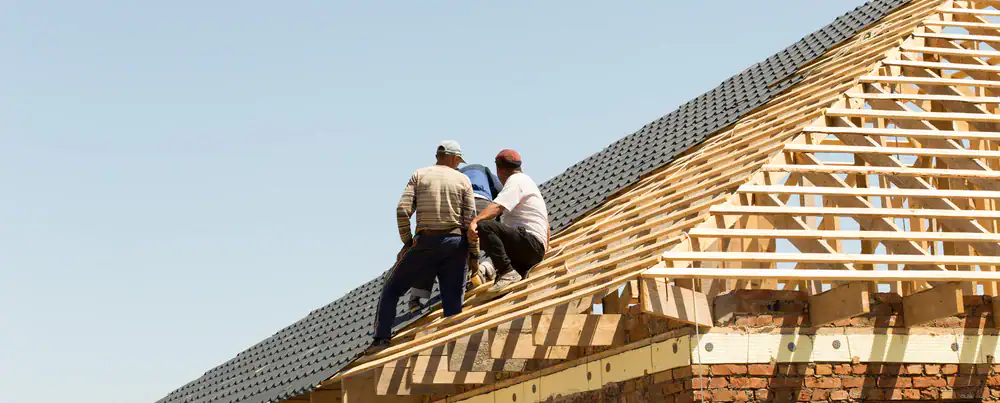
Most residential roof replacements take 1-2 days from tear-off to final cleanup. Single-story homes with simple rooflines often finish in one day. Two-story homes with multiple valleys, chimneys, or skylights usually need two days.
Weather delays happen. We don’t install during rain or high winds, and we don’t leave your roof exposed overnight. If we tear off in the morning and weather moves in, we’re tarping and securing everything until conditions clear.
The timeline also depends on what we find under your old roof. If decking needs replacement or if there’s structural damage, that adds time. We’ll let you know before we proceed with any additional work. Permit inspections in Suffolk County can add a day to the schedule, but we handle that coordination.
Architectural asphalt shingles handle Long Island weather well if they’re rated for impact resistance and installed with proper underlayment. You’re looking at 25-30 year lifespan with algae-resistant options that prevent the black streaking common in humid climates.
Metal roofing lasts longer—40 to 50 years—and performs better in high winds and salt air. It costs roughly double upfront but saves on cooling costs and requires almost no maintenance. Standing seam metal is the most durable option for coastal areas.
Slate and tile look great but add significant weight, which means your roof structure needs evaluation first. Most Dix Hills homes built in the last 40 years aren’t framed for slate unless it was original construction. Cedar shake doesn’t hold up in Long Island’s humidity and requires more maintenance than most homeowners want to deal with.
Yes. Suffolk County requires permits for roof replacements, and the town of Huntington enforces that requirement. The permit process involves submitting plans, paying fees, and scheduling an inspection after installation.
We handle the permit application and coordinate the inspection. The process typically adds 3-5 business days to your project timeline, depending on how backed up the building department is. You’ll need the permit sign-off for insurance purposes and for future home sales.
Skipping permits is a risk some contractors take to save time or hide unlicensed work. If your insurance company finds out your roof was replaced without permits, they can deny claims. If you sell your home, title companies sometimes require proof of permitted work. It’s not worth the headache.
Most roof replacements in Dix Hills run between $12,000 and $25,000, depending on size, pitch, and material choice. A typical 2,000 square foot home with architectural shingles costs around $15,000-$18,000. Metal roofing on the same house runs $25,000-$35,000.
Pricing factors include roof complexity—more valleys and angles mean more labor and material waste. Steep pitches require additional safety equipment and slow down installation. If you’re replacing decking or adding structural reinforcement, that’s extra. Chimney reflashing, skylight replacement, and gutter work add to the total.
We provide written estimates that break down every cost. We’re not the cheapest option, and that’s intentional. You’re paying for GAF-certified installation, proper permits, manufacturer warranties, and a crew that’s been doing this for over a decade. The contractors who come in 30% lower are cutting corners somewhere—usually on underlayment, flashing details, or ventilation.
Insurance covers roof damage from storms, falling trees, and sudden events—not wear and tear or age-related deterioration. If a Nor’easter rips off shingles or a tree branch punctures your roof, you file a claim. If your 25-year-old roof is just worn out, you’re paying out of pocket.
Insurance companies in Suffolk County have gotten stricter about roof age. Some won’t renew policies if your roof is over 15-20 years old, depending on material and condition. If you’re filing a claim, the adjuster will look for pre-existing damage and try to limit what they cover.
We work with insurance claims regularly. We can meet with your adjuster, document storm damage, and provide estimates that match what insurance companies expect to see. If they’re undervaluing the claim, we’ll walk you through the supplement process. Just know that filing a claim can raise your premiums, so sometimes paying out of pocket makes more financial sense for minor repairs.
Roof repair makes sense when damage is localized—a few missing shingles after a storm, a small leak around flashing, or isolated wind damage. If your roof is under 15 years old and the rest of the system is solid, repair is the right call.
Full replacement is necessary when you’ve got widespread damage, multiple leaks, or a roof that’s reached the end of its lifespan. If your shingles are curling, granules are washing into gutters, or you’re seeing daylight through the attic, repair won’t fix the underlying problem.
The tricky part is when contractors recommend replacement because it’s more profitable, not because you need it. We’ll tell you honestly whether repair will hold or if you’re throwing money at a roof that needs replacing anyway. Sometimes a $2,000 repair buys you three more years, which is worth it if you’re planning to sell. Sometimes it’s better to replace now and avoid emergency situations during winter.
Other Services we provide in Dix Hills