
Hear From Our Clients
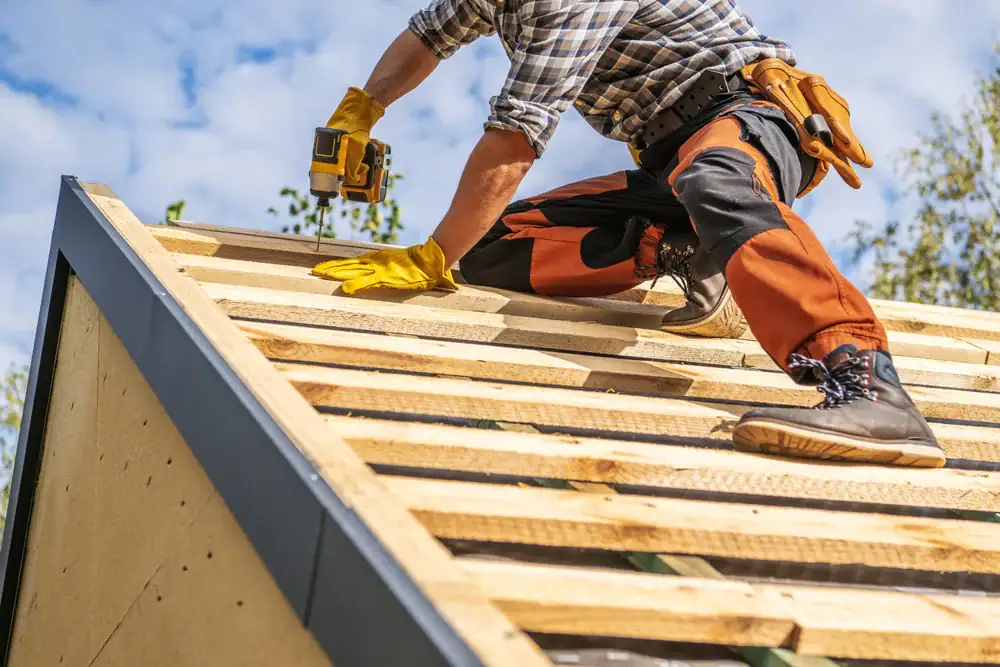
You shouldn’t need to check the forecast with dread. Your roof becomes the reliable barrier it should be—keeping you dry, warm, and worry-free year-round.
No more buckets catching drips when it rains hard. No more hearing your heating system run constantly because air’s escaping through gaps in your roofline. Your energy bills stabilize because your home is finally sealed properly against Long Island’s temperature swings.
Water damage doesn’t get a chance to spread into your ceilings, walls, or insulation. You’re not dealing with mold concerns or ruined belongings in your attic. The stress of wondering whether this storm will be the one that causes serious damage—that goes away.
Your home value stays protected. When you eventually sell, you’re not scrambling to explain away water stains or patch together a failing roof. You’ve got documentation of professional installation and materials designed for coastal conditions.
Home Team Construction has spent over a decade installing and replacing roofs across Suffolk County. We’re not a national franchise sending different crews every time—you’re working with the same licensed team that knows Copiague’s housing stock and weather patterns.
Most homes here were built in the 1960s and 70s. We’ve worked on hundreds of them. We know which roofing materials hold up to salt air and which ones fail early. We know how ice dams form on these rooflines during winter and how to prevent them.
When that thousand-year storm hit Long Island in August 2024, we were responding to emergency calls across the North Shore. We carry tarps and repair materials specifically for situations like that—because waiting isn’t an option when water’s actively coming into your home.
You call or contact us about your roof concern. We schedule an inspection—usually within 24 hours if it’s urgent. One of our licensed contractors comes out, gets on your roof, and identifies what’s actually happening. Not just the obvious damage you can see, but the underlying issues causing it.
You get a clear estimate before any work starts. We explain what needs to be done, why it needs to be done, and what it costs. If insurance is involved, we document everything properly and can work directly with your adjuster.
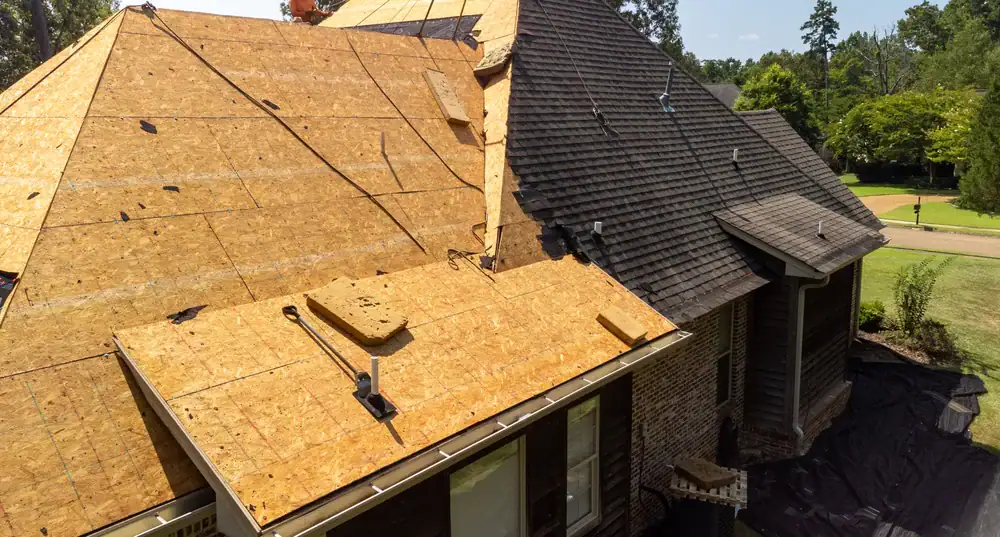
Once you approve, we schedule the installation. For a full roof replacement, most jobs take two to four days depending on size and complexity. We protect your property, remove old materials, inspect and repair the decking if needed, then install new underlayment and shingles designed for Long Island’s climate.
We don’t just focus on the shingles. Flashing around chimneys and skylights gets done right. Ventilation gets checked. Ice and water shield goes where it needs to go. These details matter when you’re dealing with nor’easters and summer storms that test every weak point.
Final walkthrough happens with you. We show you what was done, clean up completely, and make sure you’re satisfied. You get warranty information and documentation for your records.
Ready to get started?
Every installation starts with a thorough deck inspection. If your plywood sheathing is rotted or damaged—common in homes built in the 60s—we replace those sections before new materials go on. You can’t build a lasting roof on a compromised foundation.
You’re getting impact-resistant shingles rated for high winds, or metal roofing if that’s what your home needs. Both options work well here, but the choice depends on your home’s structure, your budget, and how long you plan to stay. Metal costs more upfront but can last 50+ years with minimal maintenance. Architectural shingles give you 25-30 years of protection at a lower initial investment.
Proper ventilation gets installed or corrected. Ridge vents, soffit vents—whatever your attic needs to breathe correctly and prevent moisture buildup. This matters more than most homeowners realize. Poor ventilation causes premature shingle failure and ice dam formation.
Flashing gets replaced, not reused. This is where most leaks actually start—around chimneys, skylights, valleys, and roof-to-wall transitions. We use heavy-gauge materials and proper installation techniques because this is what fails first when storms hit.
Ice and water shield goes on vulnerable areas. Copiague gets an average of 27 inches of snow each winter. That freeze-thaw cycle creates ice dams that force water under standard shingles. The barrier prevents that water from reaching your deck and interior.
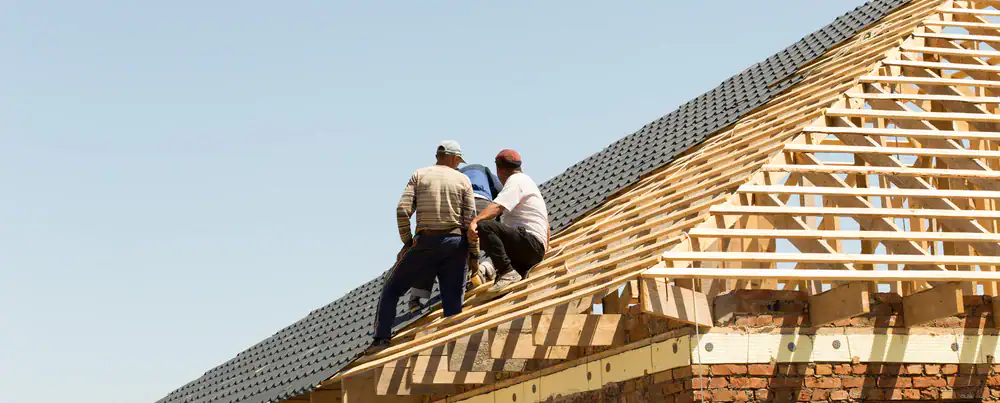
Most residential roof replacements take two to four days from start to finish. Size matters—a small ranch might be done in two days, while a larger two-story colonial with multiple valleys and penetrations could take four.
Weather affects the timeline. We don’t install roofing in rain or high winds because it compromises the installation and creates safety issues. If a storm rolls through mid-project, we secure everything with tarps and resume when conditions allow.
The process moves faster when there’s only one layer of old shingles to remove. If your home has multiple layers—something we see often on older Copiague homes—removal takes longer. We also slow down if we find deck damage that needs repair, but that’s time well spent. Rushing a roof installation to meet an arbitrary deadline is how you end up with problems three years later.
Impact-resistant architectural shingles and metal roofing both perform well here, but for different reasons. Architectural shingles rated for 130+ mph winds handle the hurricanes and nor’easters we get. They’re also more affordable upfront and easier to repair if a section gets damaged.
Metal roofing costs significantly more—sometimes double—but it lasts 50+ years and handles salt air better than any shingle. If you’re planning to stay in your home long-term, the math often works out. You’re also getting better energy efficiency because metal reflects heat instead of absorbing it.
What doesn’t work well: basic three-tab shingles. They’re cheaper, but they fail faster in our climate. The wind resistance isn’t there, and the salt air degrades them quicker. You’ll be replacing them in 15 years instead of 25-30. We don’t recommend them for coastal Suffolk County homes unless budget absolutely requires it, and even then we’d rather help you find financing for better materials.
If your roof is under 15 years old and the damage is isolated—a few missing shingles from a storm, flashing that needs resealing, a small leak around a chimney—repair makes sense. You’re spending hundreds instead of thousands, and you’re getting several more years of life.
Once you’re past 20 years, especially on a roof that’s had multiple repairs, replacement becomes the smarter move. You’re throwing money at a system that’s near the end of its lifespan. Shingles lose granules, become brittle, and stop sealing properly. Even if we patch the current leak, another one’s coming soon.
The decision also depends on what we find during inspection. Sometimes what looks like a simple fix from the ground is actually widespread deck damage or failed underlayment. We’ll be straight with you about what we see. If repair makes sense, we’ll tell you. If you’re six months away from needing a full replacement anyway, we’ll tell you that too. The goal is helping you make the right financial decision, not selling you the biggest job.
It depends on what caused the damage and what your policy covers. Storm damage from wind, hail, or falling trees is typically covered. Age-related wear and deterioration usually isn’t—that’s considered maintenance.
If you’ve had recent storm damage, document everything before calling your insurance. Take photos of missing shingles, damaged flashing, interior water damage. We can help with this documentation and provide a detailed assessment for your adjuster.
Insurance companies sometimes try to approve repair when replacement is actually needed, especially if your roof is older. We’ve worked with enough adjusters to know how to document the full scope of damage. We’re not inflating anything—we’re making sure they see what’s actually wrong, including damage that’s not visible from the ground.
One important note: if your roof is over 20 years old, some insurance companies in New York will only pay actual cash value instead of replacement cost. That means they depreciate the payout based on age. You’ll want to know this before filing a claim. We can walk you through what to expect based on your roof’s age and condition.
In New York, roofing contractors should have a Home Improvement Contractor license. You can verify this through your town’s building department or by asking to see their license directly. Legitimate contractors will show you without hesitation.
Also check for insurance—both liability and workers’ compensation. If someone gets hurt on your property and the contractor doesn’t have workers’ comp, you could be liable. Ask for certificates of insurance and verify they’re current.
References matter, but be smart about them. Anyone can provide three happy customers. Look for online reviews across multiple platforms—Google, Better Business Bureau, Facebook. Check how they respond to negative reviews. A company that gets defensive or makes excuses is showing you how they’ll treat you when something goes wrong. Length of time in business also tells you something. We’ve been doing this for over 10 years in Suffolk County. Fly-by-night operations don’t last that long because word gets around.
We monitor weather forecasts closely and don’t start tear-off if heavy rain is predicted. But weather changes, especially on Long Island. If rain starts during installation, we immediately secure the exposed areas with tarps.
Modern underlayment provides temporary water protection even if shingles aren’t on yet. Once we’ve got the underlayment down, your roof has a waterproof barrier. It’s not the final system, but it keeps water out until we can get shingles installed.
The bigger concern is working safely. We don’t put crews on wet roofs. Slip and fall risks aren’t worth it, and installation quality suffers when materials are wet. If weather shuts us down, we secure everything properly and come back as soon as conditions allow.
This is why timeline estimates include buffer room. We’d rather tell you three to four days and finish in three than promise two days and have weather stretch it to five. Most homeowners understand—they just want to know their home is protected and the job will be done right.
Other Services we provide in Copiague