Hear From Our Clients
You’re not just getting a roof repair or replacement. You’re getting peace of mind knowing your home can handle whatever Long Island weather throws at it.
When your roof is properly installed with storm-rated materials, you sleep better during nor’easters. No more buckets catching drips or worrying about ceiling stains. Your insurance premiums might even drop with a newer, more resilient roof system.
The right roofing work means fewer emergency calls, lower energy bills from better insulation, and a home that maintains its value. That’s what happens when you choose contractors who actually know Ronkonkoma’s climate challenges.
We’ve been serving Ronkonkoma homeowners who need reliable roofing work done right the first time. We’re not the cheapest option, and that’s actually good news for you.
Our team understands Long Island’s coastal storms, salt air corrosion, and the specific building requirements in Suffolk County. We’ve seen what happens when corners are cut on roofing projects, especially when the next big storm hits.
Every job gets proper permits, licensed work, and materials rated for our local wind conditions. Because when your roof fails during a storm, you need contractors who’ll be here to fix it, not someone who’s already moved on to the next town.
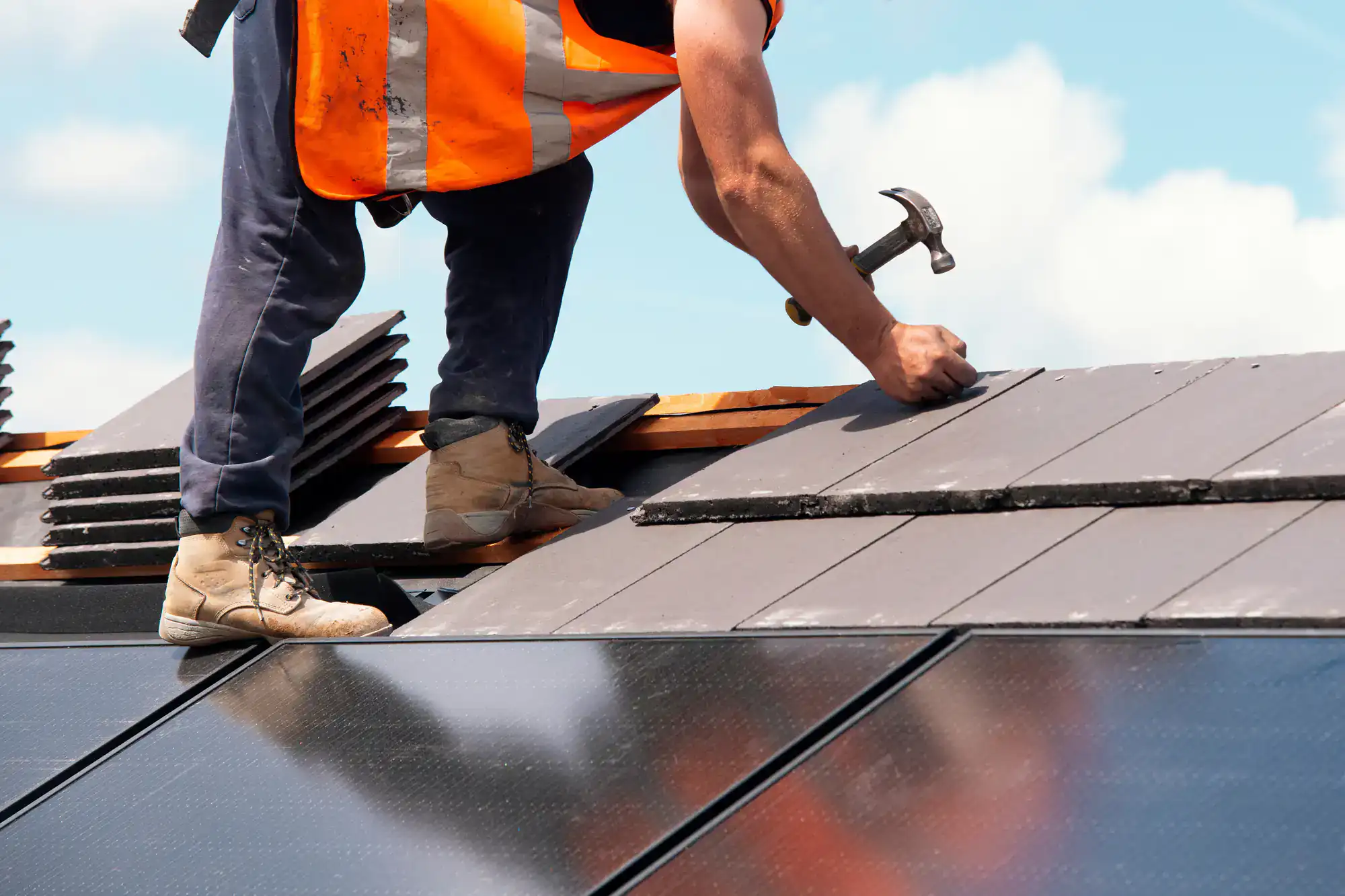
First, we inspect your roof thoroughly and explain exactly what needs attention. No surprises, no upselling services you don’t need. Just an honest assessment of your roof’s condition and what it’ll take to fix it properly.
Next, we handle permits and order materials designed for Long Island conditions. Our crews arrive on schedule and work efficiently to minimize disruption to your daily routine. We protect your landscaping, clean up daily, and keep you informed throughout the project.
Finally, we conduct a complete quality check and walk you through the finished work. You get warranty documentation, maintenance recommendations, and our contact information for any future questions. Your roof is ready for whatever weather comes next.
Ready to get started?
Our roofing services cover everything your Ronkonkoma home needs: emergency repairs, full replacements, gutter systems, skylight installation, and storm damage restoration. Each service uses materials rated for Long Island’s coastal environment.
Storm damage is particularly common in our area. We work directly with insurance companies to document damage properly and ensure you get fair coverage for necessary repairs. Our team knows what adjusters look for and how to present claims effectively.
For planned projects, we offer various roofing materials including asphalt shingles, metal roofing, and flat roof systems. All installations include proper ventilation, ice dam protection, and wind-resistant fastening systems that meet local building codes and manufacturer specifications.
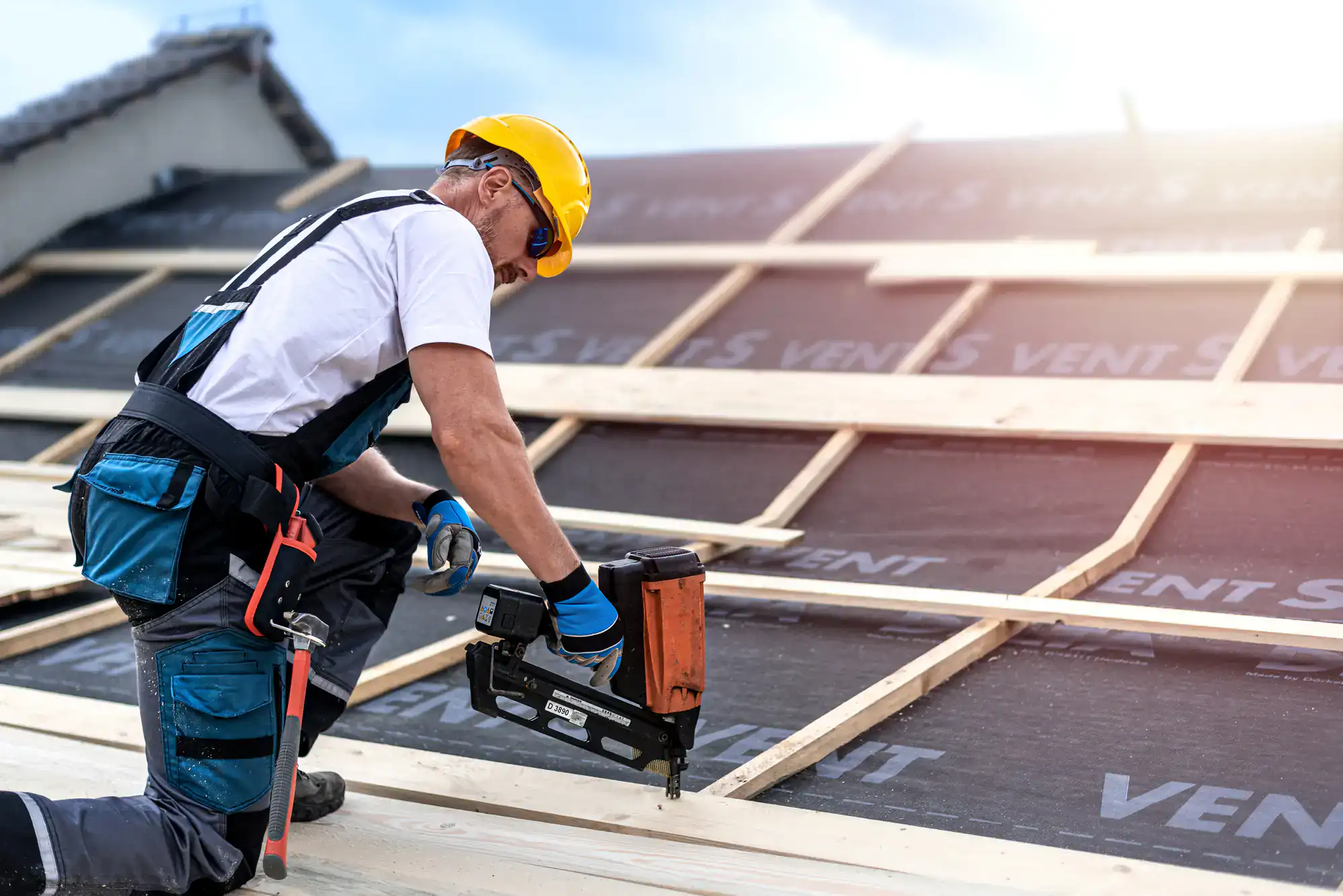
We typically respond to emergency calls within 24 hours, often sooner during storm events when multiple homes are affected. Emergency repairs focus on stopping immediate water intrusion and securing your roof until permanent repairs can be completed.
Our emergency service includes temporary tarping, leak sealing, and structural stabilization when needed. We carry materials for common emergency fixes and can often complete minor repairs on the first visit. For major storm damage, we’ll secure your property first and then schedule comprehensive repairs.
Keep in mind that severe weather events can create high demand for emergency services throughout Long Island. We prioritize calls based on safety concerns and work systematically through our service area to help as many homeowners as possible.
Asphalt shingles with algae resistance and high wind ratings perform well in our climate. We typically recommend shingles rated for 110-130 mph winds, which handle most storm conditions in Ronkonkoma. Impact-resistant shingles offer additional protection against hail damage.
Metal roofing is another excellent choice for Long Island homes. It resists salt air corrosion, sheds snow effectively, and can last 50+ years with proper installation. Metal roofs also perform well during hurricanes and nor’easters because they don’t lift like individual shingles.
For flat or low-slope roofs, modified bitumen and TPO systems work well in our climate. These materials handle temperature fluctuations and provide excellent water resistance. The key is proper installation with adequate drainage to prevent ice dam formation during winter months.
Yes, we work directly with insurance companies and adjusters to document storm damage properly. Our team knows what insurance companies look for and how to present damage in terms they understand and will cover.
We provide detailed damage assessments, photographs, and repair estimates in the format insurance companies require. When adjusters visit your property, we can be present to point out damage that might be missed and explain why certain repairs are necessary for code compliance.
Insurance claims can be complex, especially for storm damage that affects multiple roof components. We help you understand what’s covered, what might require additional documentation, and how to appeal decisions if initial coverage seems inadequate for proper repairs.
Most residential roof replacements take 2-4 days depending on size, complexity, and weather conditions. Simple ranch homes might be completed in two days, while larger homes with multiple levels, chimneys, or skylights typically take longer.
Weather delays are common in Long Island, especially during spring and fall when storms are frequent. We don’t work in dangerous conditions and will pause projects when high winds, heavy rain, or ice make roofing unsafe. Your safety and the quality of installation are more important than speed.
We schedule projects with realistic timelines and keep you informed about any delays. Most delays are weather-related and beyond anyone’s control. Once we start your project, we work continuously until completion rather than jumping between multiple job sites.
Our warranties cover both materials and workmanship. Material warranties come from manufacturers like GAF and typically range from 25-50 years depending on the product selected. These warranties cover defects in the roofing materials themselves.
Our workmanship warranty covers installation quality for 5-10 years depending on the scope of work. This includes proper fastening, flashing installation, ventilation, and adherence to manufacturer specifications. If installation issues cause problems, we return to fix them at no charge.
Warranty coverage requires proper maintenance and excludes damage from severe weather events, falling objects, or modifications by other contractors. We provide maintenance guidelines and recommend annual inspections to keep warranties valid and catch small issues before they become major problems.
Yes, we carry all required licenses for roofing work in New York State and Suffolk County. We also maintain comprehensive general liability insurance and workers’ compensation coverage to protect you and our crew during projects.
Our insurance coverage includes property damage protection in case accidents occur during roofing work. We provide certificates of insurance before starting any project, and you can verify our coverage directly with our insurance carrier if needed.
Licensed contractors must meet continuing education requirements, carry proper insurance, and follow local building codes. Unlicensed contractors might offer lower prices, but you risk poor workmanship, code violations, and no recourse if problems arise. Always verify licensing and insurance before hiring any roofing contractor.
Other Services we provide in Ronkonkoma