
Hear From Our Clients
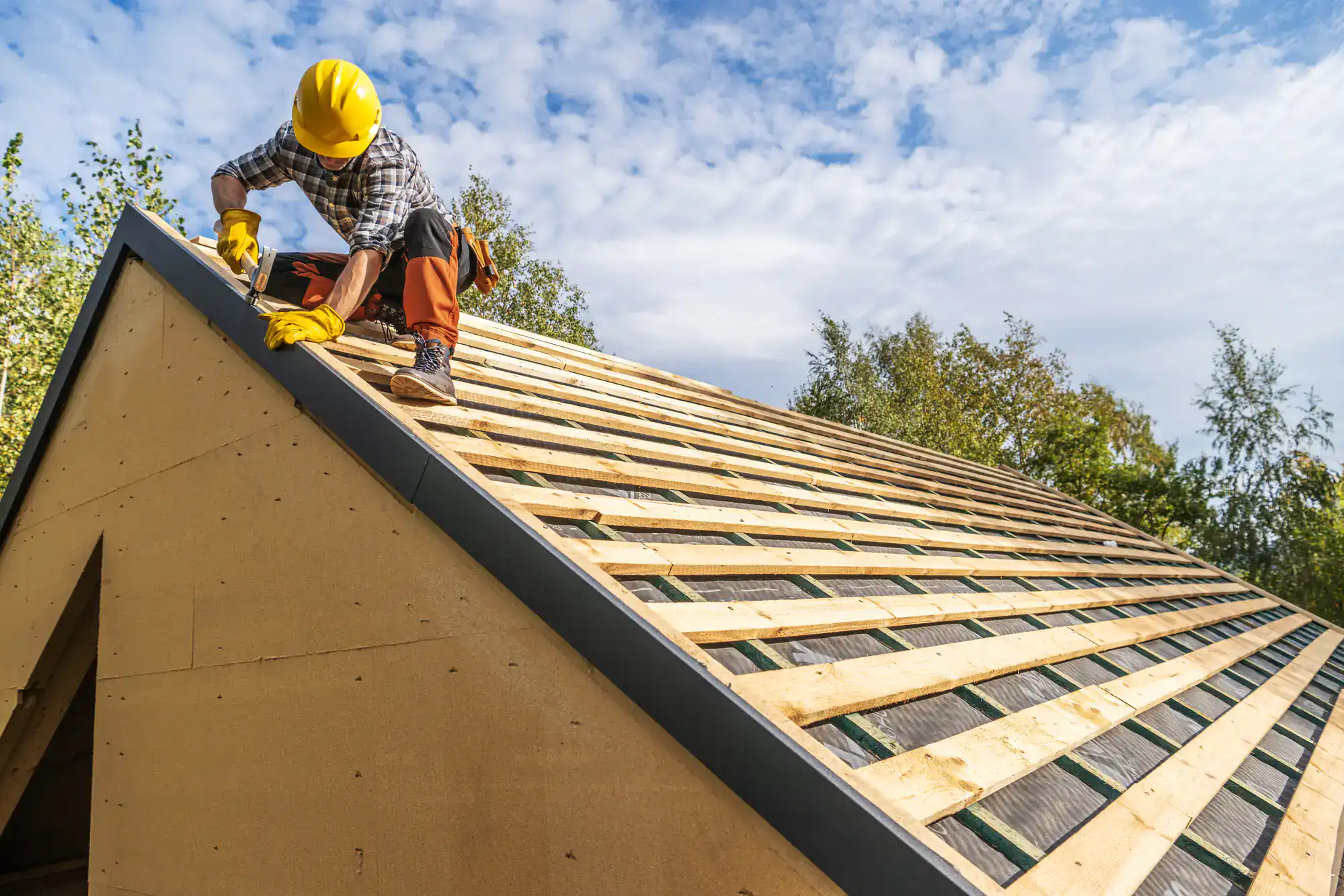
When the next nor’easter rolls through Islip, you won’t be scrambling for tarps or dealing with water dripping into your living room. Your roof becomes the reliable barrier it should be—keeping you dry, warm, and worry-free year-round.
No more sleepless nights during storms wondering if your roof will hold. No more emergency calls to contractors who can’t get there for weeks. You get the peace of mind that comes from having a roof built specifically for Suffolk County’s demanding weather.
Your home stays protected, your family stays safe, and you can focus on what matters most instead of constantly worrying about the next leak or wind damage.
**SECTION 3 | ABOUT US**
We’ve spent over a decade solving roofing problems that other contractors walk away from. We’re licensed professionals who understand exactly what Suffolk County weather does to roofs—and how to build them to last.
While other roofers use standard materials and hope for the best, we use weather-resistant materials and installation techniques designed specifically for coastal conditions. Salt air, hurricane-force winds, and ice dams don’t surprise us—we plan for them.
Our team has restored peace of mind for hundreds of Islip homeowners who were tired of dealing with leaks, storm damage, and contractors who didn’t show up when they needed them most.
**SECTION 4 | HOW IT WORKS**
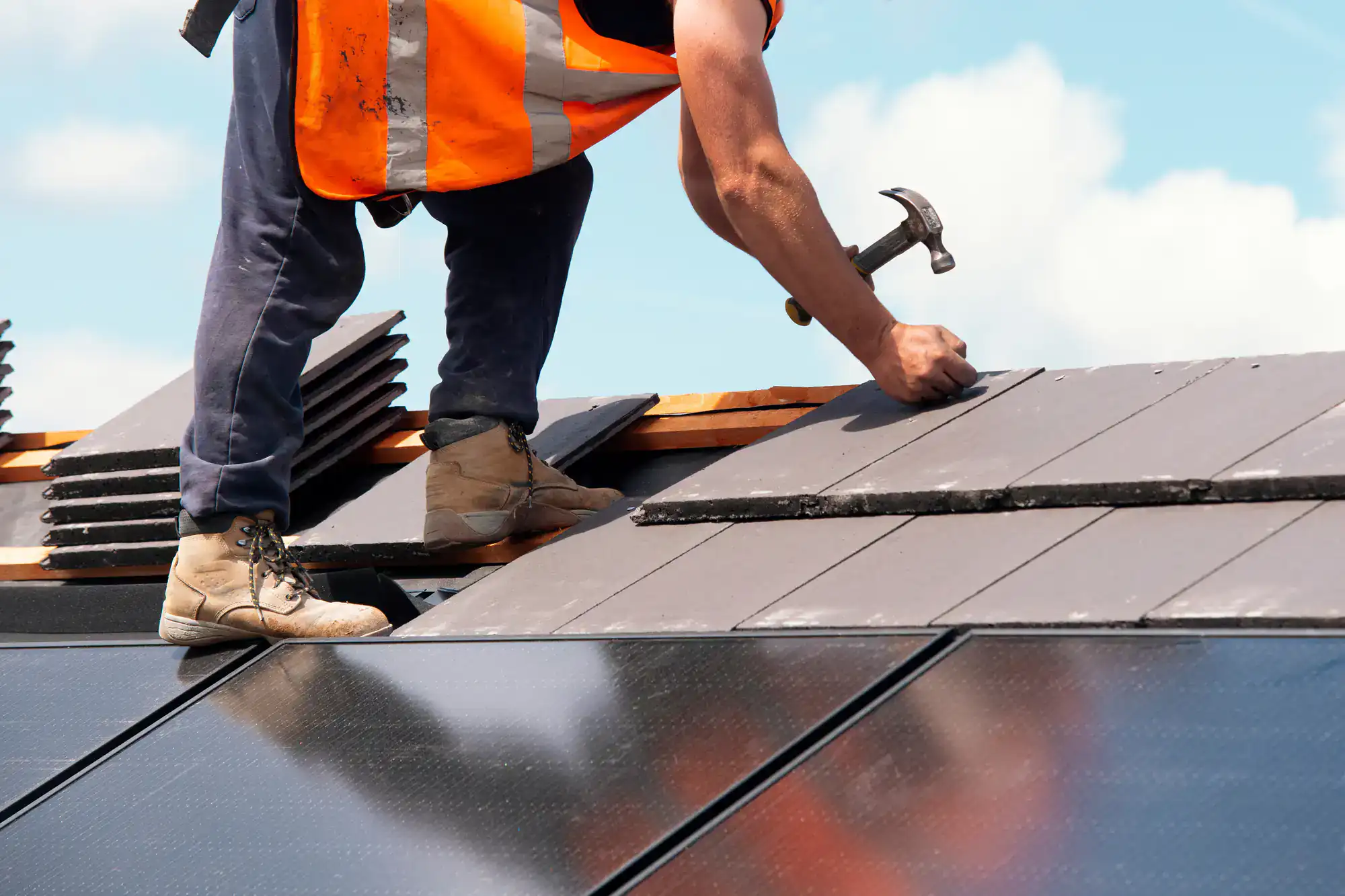
First, we inspect your roof thoroughly—not just the obvious damage you can see from the ground, but the hidden issues that cause problems later. We document everything and give you a clear, upfront estimate with no surprises.
Next, we handle all the details. If insurance is involved, we work directly with your adjuster and provide the documentation they need. We order the right materials for Long Island’s climate and schedule the work around your life, not ours.
During installation, our licensed team protects your property and works efficiently to minimize disruption. We clean up completely when we’re done, and you get a roof that’s built to handle whatever Suffolk County weather throws at it for decades to come.
**SECTION 5 | SERVICE-RELATED INFORMATION**
Ready to get started?
You get everything your home needs to stay protected: emergency storm repairs, complete roof replacements, gutter systems, skylight installations, and chimney work. All from one reliable team that understands Long Island’s unique challenges.
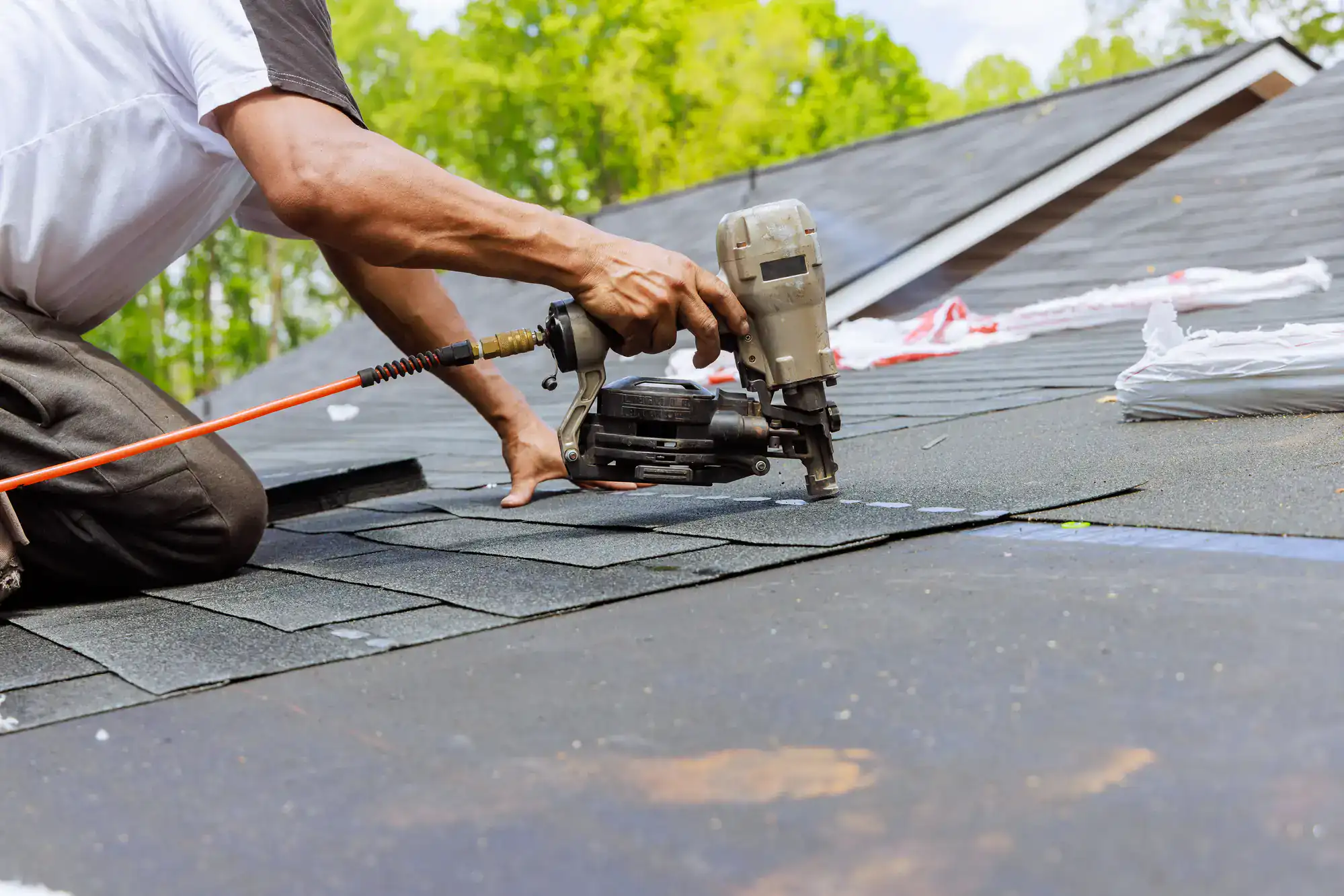
Our roofing services in Islip include storm damage restoration, which is crucial here where nor’easters and coastal storms regularly test even the best roofs. We use materials specifically chosen for salt air resistance and high-wind performance—not the standard products that fail after a few seasons.
Every project includes proper flashing, quality underlayment, and installation techniques that prevent the water infiltration and wind damage that plague so many Long Island homes. You get a complete exterior protection system, not just new shingles.
**SECTION 6 | FAQ**
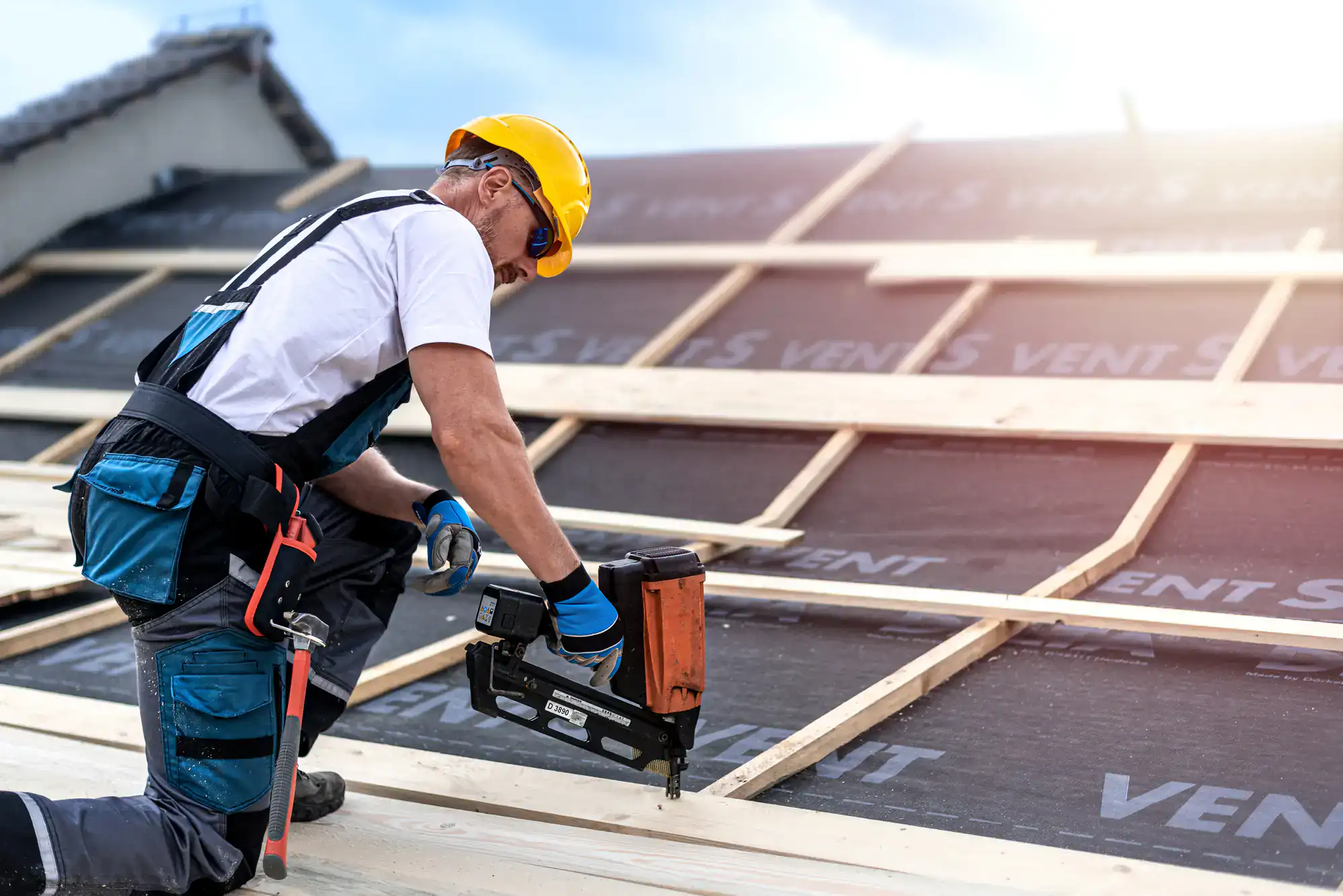
Roof replacement in Islip typically ranges from $7,000 to $15,000 depending on your home’s size, materials chosen, and the extent of any underlying damage we discover. Most homeowners in the area spend around $6,600 for a complete roofing project.
The final cost depends on several factors specific to Long Island homes: the pitch of your roof (steeper roofs require more safety equipment and labor), the number of layers we need to remove, and whether we find storm damage to the decking underneath. We also factor in the weather-resistant materials necessary for Suffolk County’s coastal climate.
We provide detailed, upfront estimates so you know exactly what you’re paying before we start. No surprise charges, no hidden fees—just honest pricing for quality work that protects your investment for decades.
We respond to emergency roof repairs in Islip within hours, not days. When storms damage your roof, every hour matters—water infiltration can cause thousands in additional damage to your home’s interior, insulation, and structure.
Our emergency response includes immediate temporary protection to stop active leaks, followed by permanent repairs using materials designed for Long Island’s demanding weather. We carry the most common repair materials on our trucks, so we can often complete emergency fixes the same day you call.
For major storm damage, we’ll secure your home immediately and work with your insurance company to document everything properly. Our goal is to get your home protected fast, then handle all the details so you can focus on getting back to normal.
Yes, we work directly with your insurance company throughout the entire storm damage claim process. We document all damage with detailed photos and reports that insurance adjusters need, and we can often spot damage that homeowners miss from ground level.
Our team understands exactly what insurance companies look for when assessing storm damage to Long Island roofs. We know how to identify wind damage, hail impact, and the subtle signs of water infiltration that can lead to major problems if not addressed properly.
We’ll meet with your adjuster, provide detailed estimates, and ensure you get fair compensation for all necessary repairs. Many homeowners are surprised to learn their storm damage coverage includes more than they initially thought—we make sure nothing gets overlooked.
We use materials and installation techniques specifically chosen for Suffolk County’s coastal climate—not the standard approaches that work fine inland but fail here within a few years. Salt air, hurricane-force winds, and ice dams require specialized solutions.
Our roofing systems include enhanced underlayment that resists moisture infiltration, flashing designed to handle wind-driven rain, and shingles rated for high-wind performance. We also use fastening patterns and sealing techniques that prevent the wind uplift damage common during nor’easters.
Every roof we install is built to handle the freeze-thaw cycles that crack standard installations, the salt air that corrodes inferior materials, and the heavy snow loads that can stress roofing systems. You get protection designed specifically for what Long Island weather actually does to roofs.
Most roof replacements in Islip take 2-4 days depending on your home’s size, complexity, and weather conditions. We work efficiently but never rush quality—your roof needs to protect your home for decades, not just pass inspection.
The timeline includes removing old materials, inspecting and repairing the decking if needed, installing new underlayment and flashing, and completing the final roofing system. We protect your belongings during the process and clean up thoroughly each day.
Weather can affect scheduling since we won’t install roofing materials in conditions that compromise quality. We’ll keep you informed throughout the process and work around your schedule as much as possible. The goal is getting your home protected properly, not just getting the job done fast.
Yes, we’re fully licensed and insured for all roofing work in Suffolk County. We carry comprehensive liability insurance and workers’ compensation coverage that protects both our team and your property during every project.
Our licensing includes all the certifications required for roofing work in New York, and we stay current with all local building codes and requirements. This isn’t just about legal compliance—it’s about ensuring every job meets the standards that keep Long Island homes protected.
You can verify our credentials and insurance coverage before we start work. We’re happy to provide documentation because we know how important it is to work with properly licensed contractors, especially for major investments like roofing systems.
Other Services we provide in Islip