

Hear From Our Clients

Your gutters do one job: move water away from your home. When they fail, water finds every weak spot in your foundation, basement, and landscaping.
In Huntington Station’s sandy soil, water doesn’t absorb like it does inland. It pools. It saturates. And when winter hits, that water freezes and expands, turning hairline cracks into structural problems that cost thousands to fix.
Proper gutter repair means water goes where it should. Your foundation stays dry. Your basement stays clear. And you’re not dealing with emergency calls every time it rains. That’s what working gutters actually do—they protect everything else you’ve invested in your home.
Home Team Construction serves Suffolk County homeowners who need gutter repair done right the first time. We’re not a franchise or a national chain—we’re local contractors who understand what Long Island weather does to gutters.
Salt air corrodes seams. Storm debris clogs downspouts. Freeze-thaw cycles pull mounting brackets loose. These aren’t problems you solve with generic fixes.
We’ve been repairing gutters across Huntington Station and surrounding areas long enough to know which repairs hold up and which ones you’ll be calling about again next season. You get upfront pricing, licensed professionals, and work that’s built for the conditions your home actually faces.
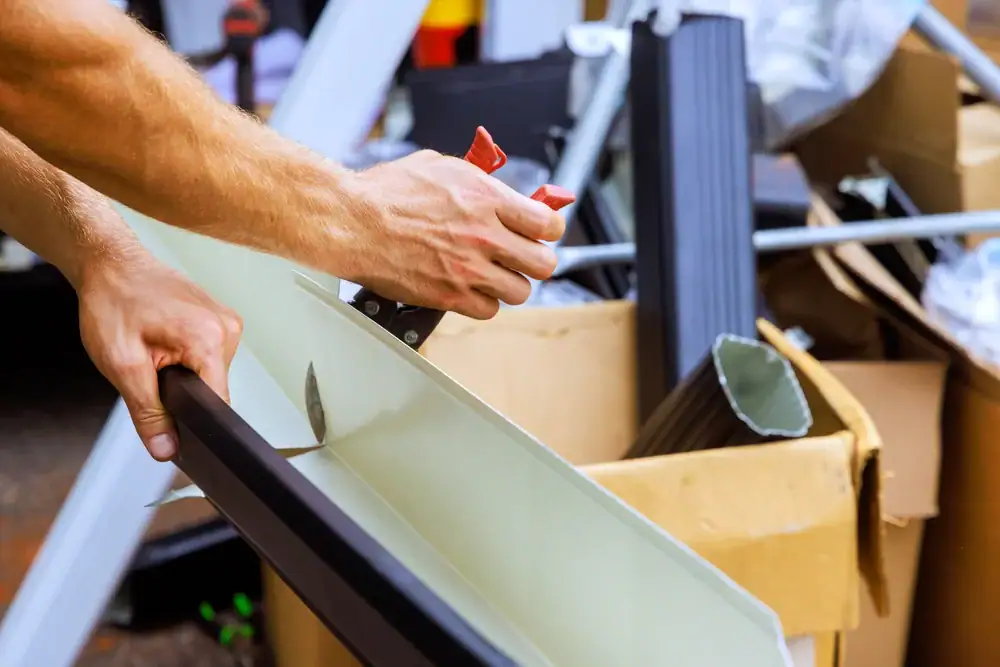
First, we assess the damage. That means checking gutter pitch, inspecting seals and joints, looking at fascia board condition, and identifying whether you’re dealing with a repair or a replacement situation. You get a straight answer.
If it’s repairable, we fix the underlying cause—not just the visible problem. Wrong pitch gets corrected. Failed seals get replaced with materials designed for coastal conditions. Loose mounting systems get reinforced so they hold up under storm load.
If the damage is too far gone, we’ll tell you. Sometimes a section needs replacement. Sometimes the whole system does. Either way, you know what you’re paying for before work starts, and the repair is done to handle Long Island storms without constant follow-up calls.

Ready to get started?
Gutter repair in Huntington Station means addressing the specific problems Long Island homeowners face. That includes fixing improper pitch that causes standing water, sealing joint failures before they leak into fascia boards, and repairing storm damage that tears gutters away from mounting systems.
You’re also getting materials that resist salt air corrosion. Standard aluminum fails faster here than it does inland. Coastal-grade materials cost slightly more upfront but last significantly longer, which matters when you’re trying to avoid doing this again in three years.
Emergency gutter repair is available when you’re dealing with active water intrusion. Waiting for a convenient schedule makes sense for maintenance. It doesn’t make sense when water is pooling around your foundation during a storm. Fast response prevents the kind of secondary damage that turns a gutter problem into a basement problem.

If you’re seeing leaks at joints, sagging sections, or water overflowing during rain, you likely need repair. If gutters are pulling away from fascia boards, showing rust-through holes, or have multiple failing sections, replacement makes more sense.
The difference comes down to whether the structural system is still sound. Mounting brackets, fascia boards, and gutter material all have to be in decent shape for repairs to hold. When those components are compromised, patching individual problems just delays the inevitable.
A professional assessment tells you which situation you’re in. Sometimes one damaged section can be replaced while the rest of the system stays intact. Other times, the whole setup is past its useful life and repair costs start approaching replacement costs anyway.
Salt air is the biggest factor. Coastal conditions accelerate corrosion in standard gutter materials, especially at seams and joints where water sits. That’s why gutters here fail faster than they do twenty miles inland.
Storm debris is the second issue. Long Island gets hit with nor’easters that dump leaves, twigs, and shingle granules into gutter systems. When debris blocks downspouts, water backs up and sits in gutters longer than they’re designed to handle. That standing water leads to rust, seal failure, and eventually structural damage.
Freeze-thaw cycles finish the job. Water that can’t drain properly freezes in winter, expands, and cracks seals or pulls mounting brackets loose. By spring, you’ve got leaks and sagging sections that weren’t there in fall.
Most gutter repairs take a few hours to a full day, depending on the extent of damage. Resealing joints and adjusting pitch on one side of the house might take two to three hours. Replacing damaged sections, reinforcing mounting systems, and addressing fascia board issues takes longer.
Weather affects the timeline. Sealants need dry conditions to cure properly, so if it’s raining or about to rain, some repairs get delayed. That’s not a scheduling problem—it’s a quality issue. Seals applied in wet conditions fail faster.
Emergency repairs happen faster when you’re dealing with active leaks during a storm. Those focus on stopping immediate water intrusion, with follow-up work scheduled once conditions allow for permanent fixes.
You can patch visible problems, but DIY repairs usually miss the underlying cause. If gutter pitch is wrong, resealing a joint doesn’t stop water from pooling there again. If mounting brackets are loose, caulking a leak doesn’t prevent the whole section from pulling away during the next storm.
Gutter repair also requires working on ladders at roof height, often while handling tools and materials. That’s where most homeowner injuries happen—not from the repair itself, but from the access required to do it.
Professional repair costs more upfront but addresses structural issues that cause recurring problems. You’re paying for diagnosis as much as the fix itself, which is why professionally repaired gutters tend to last significantly longer than DIY patches.
Water goes somewhere. When gutters fail, it goes straight down to your foundation. In Huntington Station’s sandy soil, that means saturation around the foundation perimeter, which leads to basement seepage, foundation cracks, and soil erosion under concrete slabs.
The damage escalates quickly. A small leak this season becomes a fascia board replacement next season. Standing water that freezes becomes torn mounting brackets and sagging gutter sections. Minor foundation moisture becomes mold growth and structural settling.
Repair costs follow the same pattern. Fixing a gutter seal costs a few hundred dollars. Repairing water-damaged fascia boards costs more. Addressing foundation cracks and basement waterproofing costs thousands. The longer you wait, the more expensive the problem becomes.
Yes, when you’re dealing with active water intrusion during storms. Emergency repair focuses on stopping immediate damage—securing torn sections, clearing blocked downspouts, and temporarily redirecting water away from your foundation.
These aren’t always permanent fixes. Sometimes conditions don’t allow for proper sealing or mounting work. But stopping water from pouring into your basement or saturating your foundation during a storm prevents the kind of secondary damage that costs more than the gutter repair itself.
Once the weather clears, we schedule follow-up work to make permanent repairs. That might mean replacing damaged sections, correcting pitch issues, or upgrading to materials that handle storm conditions better. The goal is to get you through the immediate crisis, then fix it right.
Other Services we provide in Huntington Station