
Hear From Our Clients
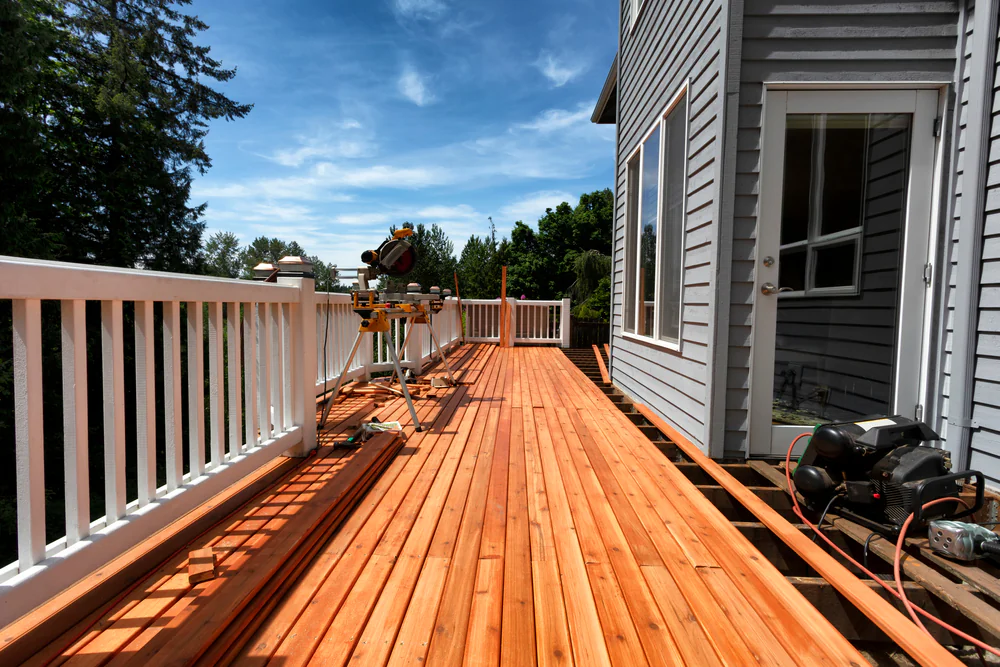
That board you’ve been stepping over? The railing that shifts when you lean on it? Those aren’t small problems you can ignore. They’re signs your deck needs attention before someone gets hurt.
Most deck damage in Huntington Station starts small. A rusted screw here. A soft spot there. But between the salt air rolling in from the North Shore and the freeze-thaw cycles every winter, small problems don’t stay small. Water gets into cracks, freezes, expands, and suddenly you’re looking at rotted joists and failing support posts.
Professional deck repair means fixing what’s broken and identifying why it broke in the first place. If drainage is causing rot, replacing boards without fixing the drainage just means you’ll replace those same boards again in two years. We look at the root cause, not just the symptom. That’s how repairs actually last in this climate.
Home Team Construction has been handling deck repairs across Suffolk County long enough to know exactly what coastal conditions do to outdoor structures. We’re licensed, insured, and local—which means we understand the specific challenges Huntington Station homeowners face.
Salt air corrodes fasteners faster here than almost anywhere else. Humidity sits in the wood longer. Winter isn’t gentle. We’ve seen what happens when repairs are done without accounting for these factors, and we’ve cleaned up plenty of those messes.
When you call us, you’re getting upfront pricing, no surprises, and work that’s built to handle what Long Island throws at it. We don’t patch problems temporarily. We fix them so they stay fixed.
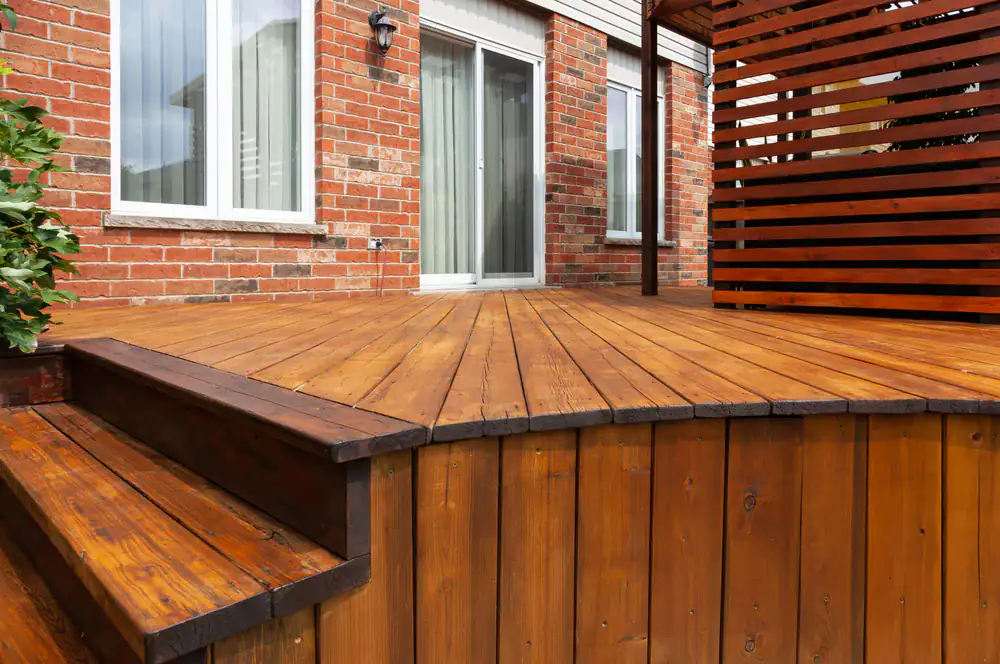
First, we inspect the entire structure. Not just the obvious damage—the whole thing. We check load-bearing posts, measure for code compliance, test fasteners, and look for hidden rot that most homeowners can’t see. This inspection tells us whether you need targeted repairs or if the deck is too far gone.
If repairs make sense, we identify the root cause of the damage. Poor drainage? Corroded hardware? Structural issues? We fix the underlying problem first, then address the visible damage. That might mean upgrading flashing, replacing support posts, or installing corrosion-resistant fasteners designed for coastal environments.
We use pressure-treated lumber rated for ground contact and stainless steel hardware that won’t corrode in salt air. Every repair is done to code, and we make sure the work will hold up to Long Island’s weather. When we’re finished, you’ll have a deck you can trust—not a temporary fix that fails in a few seasons.
Ready to get started?
Every deck repair starts with a structural assessment. We evaluate all load-bearing components to find the root cause, not just patch symptoms. From there, we repair or replace damaged joists, beams, decking boards, and railings using materials that meet or exceed current building codes.
In Huntington Station, coastal exposure accelerates wear. Homes near the harbor or along the North Shore face faster moisture intrusion and salt corrosion. We account for that by using commercial-grade materials that aren’t available at big-box stores—fasteners that resist corrosion, lumber rated for wet conditions, and flashing systems designed for this exact climate.
You also get the protection of working with a licensed, insured contractor. If something goes wrong, you’re covered. And when the work is done, it’s done right. Most of our deck repairs come with long-term durability because we don’t cut corners on materials or process. Well-maintained decks in this area can return 70-80% of repair costs in home value, so this isn’t just about safety—it’s about protecting your investment.

Deck repair costs in Huntington Station typically range from $800 to $3,500, depending on the extent of damage and materials needed. Small repairs like replacing a few boards or tightening railings might run $800 to $1,200. More extensive work—rotted joists, failing support posts, or structural issues—can reach $2,500 to $3,500 or more.
Labor rates in Suffolk County reflect both local market conditions and the expertise required for coastal repairs. Professional deck repair contractors charge $50 to $100 per hour, and most projects take one to three days depending on complexity. Weather can extend timelines during wet seasons, so plan accordingly.
The most expensive mistake is paying for repairs that don’t address the root cause. If water drainage is the problem and you only replace rotted boards without fixing the drainage, you’ll be replacing those same boards again in a few years. A proper inspection identifies underlying issues so repairs actually solve problems instead of temporarily masking them.
If repairs cost more than 50% of what replacement would cost, replacement usually makes more sense. You get a completely new structure with modern safety standards, better materials, and decades of life ahead instead of patching an aging deck that will need more fixes soon.
Suffolk County’s climate accelerates this decision timeline. Coastal salt air corrodes fasteners faster. Humid summers and wet winters promote rot more aggressively than drier climates. A deck that might last 25 years in Arizona might only last 15 to 18 years in Huntington Station.
During inspection, we’ll tell you honestly whether repairs make financial sense or if you’re better off replacing. If the frame is solid but the surface boards are shot, repairs work. If the support structure is compromised, replacement is usually smarter. We’re not here to upsell you—we’re here to give you the information you need to make the right call.
Long Island’s coastal climate is tough on outdoor structures. Salt air retains moisture in fasteners and framing, leading to hidden decay. Freeze-thaw cycles in winter cause water trapped in cracks to expand, splitting boards and loosening connections. Humidity in summer promotes rot, especially in areas with poor drainage or ventilation.
Homes closer to the North Shore face accelerated moisture intrusion. Salt air doesn’t just affect what you can see—it corrodes hardware inside the structure where you can’t inspect it easily. Rusted screws lose holding power. Corroded joist hangers fail. These problems build slowly, then suddenly become urgent.
Most deck damage surfaces in late winter after months of freeze-thaw stress. If you walked outside this February and noticed soft boards, loose railings, or sections that feel unstable, you’re not alone. Winter damage is common across Nassau and Suffolk Counties, and catching it early keeps repair costs manageable.
Simple surface repairs—replacing a few boards, tightening screws—are manageable for experienced DIYers. But structural work is different. If you’re dealing with rotted joists, failing support posts, or load-bearing issues, you need a licensed professional who understands local building codes and Suffolk County’s climate challenges.
Professional contractors bring expertise you can’t get from YouTube videos. We know which materials work best in coastal weather, how to properly flash connections, and what local inspectors expect to see. We also have access to commercial-grade materials that aren’t available to homeowners—pressure-treated lumber rated for ground contact, stainless steel fasteners that resist salt air corrosion, and flashing systems designed for this climate.
Most importantly, licensed professionals carry insurance that protects you if something goes wrong. When you’re dealing with structural work that affects your family’s safety, that protection matters. DIY repairs might save money upfront, but if they fail or don’t meet code, you’ll pay more to fix them later.
Professional deck repairs using proper materials and techniques should last 10 to 15 years in Huntington Station’s coastal environment. That lifespan depends on the quality of materials, the skill of installation, and whether the root cause of damage was addressed—not just the symptoms.
Repairs done with standard hardware from big-box stores might only last 5 to 7 years before corrosion and moisture cause new problems. Coastal conditions demand better materials. Stainless steel fasteners, pressure-treated lumber rated for wet environments, and proper flashing make the difference between repairs that last and repairs that fail prematurely.
Regular maintenance extends the life of any repair. Cleaning your deck annually, resealing as needed, and addressing small issues before they become big ones keeps repair costs low over time. The best way to protect your investment is to call when you first notice a problem—not after it’s been getting worse for two years.
Well-maintained decks in metro New York markets can deliver 70 to 80 percent return on investment at resale. That means spending $2,000 on deck repairs could boost your home’s value by $1,400 to $1,600. Structural safety improvements also reduce buyer inspection concerns, which can make or break a sale.
A deck in poor condition signals deferred maintenance to potential buyers. Even if everything else about your home is solid, a failing deck raises questions about what else might be wrong. Buyers will either negotiate the price down to cover repairs or walk away entirely. Fixing deck issues before listing protects your asking price.
Beyond resale value, a safe and functional deck improves your quality of life now. You get to use your outdoor space without worrying whether it’s safe for your family or guests. That peace of mind is worth something, even if you’re not planning to sell anytime soon.
Other Services we provide in Huntington Station