
Hear From Our Clients
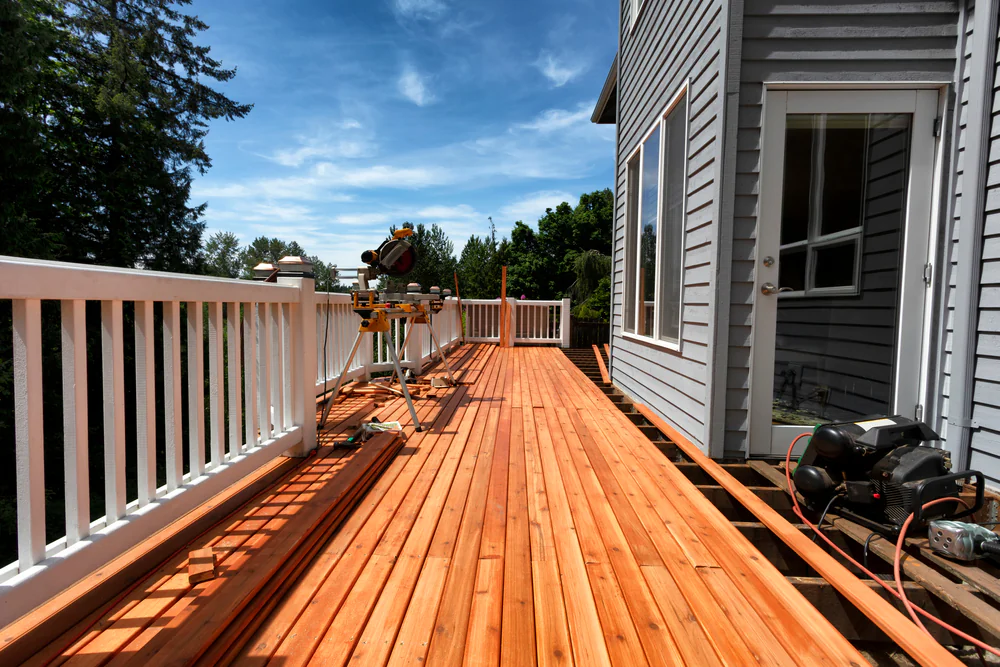
You’ve been stepping over that loose board for months. The railing wobbles when your kids grab it. Every time someone walks across your deck, you hold your breath wondering if today’s the day something gives out.
That’s not how your outdoor space should feel. A properly repaired deck means you stop second-guessing whether it’s safe to have people over. You stop mentally calculating how much a full replacement might cost every time you notice another soft spot.
When we repair your deck, we’re not slapping a board over the problem. We’re identifying why that board rotted in the first place—whether it’s a drainage issue, failed flashing, or fasteners that corroded from salt air. We fix the root cause so you’re not paying for the same repair twice. You get a deck that feels solid underfoot, railings that don’t shift when you lean on them, and stairs that don’t creak like they’re about to collapse.
Home Team Construction has spent more than 10 years working on homes across Suffolk County. We’re a family-owned company that understands what Long Island’s coastal climate does to outdoor structures—because we see it every day.
We know Riverhead homeowners deal with salt air that corrodes fasteners faster than inland areas. We know the freeze-thaw cycles that loosen boards all winter, and the humidity that promotes rot in the summer. We’ve repaired decks that looked fine on the surface but had structural issues underneath that would’ve cost five times more to fix if left alone another year.
When you call us, you’re talking to the same people who’ll show up to inspect your deck. No sales team, no runaround. Just honest assessment of what needs repair and why, with pricing that makes sense for the work involved.
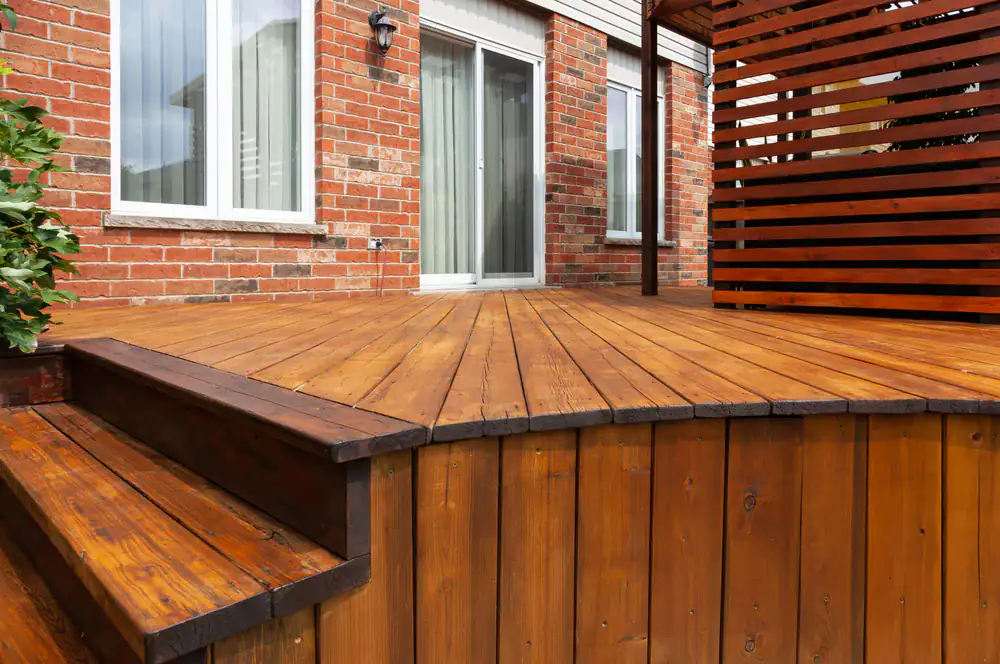
First, we come out and actually look at your deck—not just the obvious problem spots, but the structure underneath. We’re checking for rot in the joists, looking at how water drains, testing fasteners, and identifying any code issues that could cause problems down the line.
Then we tell you what we found. If it’s a simple fix, we’ll say that. If there’s a bigger issue that needs addressing to make the repair worthwhile, we’ll explain why and show you what we’re seeing. You’ll get a clear price for the work before we touch anything.
Once you approve, we schedule the repair. Depending on what’s needed, most jobs take one to three days. We pull permits if the work requires it, use materials rated for coastal climates, and make sure everything meets current Suffolk County building codes. When we’re done, your deck is safe, stable, and built to handle another Long Island winter without falling apart.
Ready to get started?
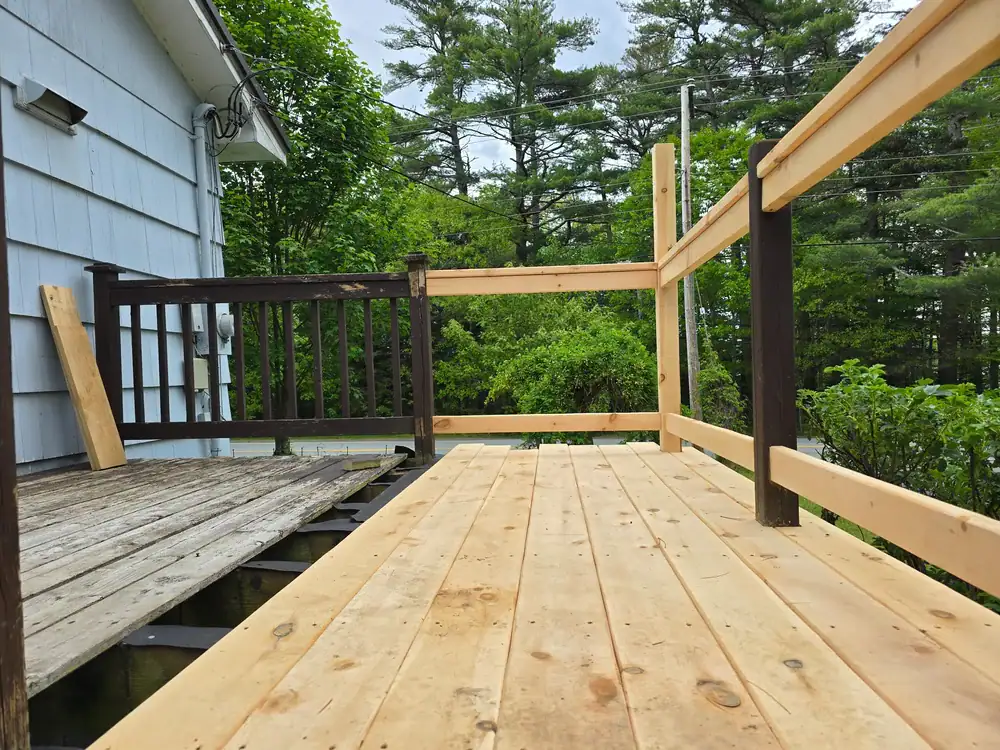
We replace rotting or damaged boards with pressure-treated lumber or composite materials designed for Long Island’s humidity and salt exposure. We don’t just swap the board—we figure out why it rotted and fix that too, whether it’s improper flashing, poor drainage, or fasteners that failed.
Loose or damaged railings get rebuilt to current code, which often means stronger posts, better anchoring, and corrosion-resistant fasteners that won’t fail in three years. If your stairs are soft or unstable, we rebuild them with proper support and secure attachment to the deck frame.
For structural issues—sagging joists, rotted beams, unstable posts—we address the framing itself. This is the work that prevents catastrophic failure and protects your investment long-term. Riverhead’s proximity to the coast means moisture intrusion happens faster here than in drier climates, so we pay close attention to how water moves around and through your deck structure. Every repair includes fasteners rated for coastal environments, because standard hardware corrodes too quickly in salt air.

If the damage is isolated to a few boards, some railings, or surface-level issues, repair makes sense. You’re looking at a few hundred to a couple thousand dollars depending on materials and labor, and you get several more years out of the deck.
If the structural framing is compromised—rotted joists, unstable ledger boards, posts that are failing—you’re often better off replacing the whole thing. At that point, you’re paying for extensive structural work that costs nearly as much as a new deck, but you’re still left with old framing that’ll need attention again soon.
The honest answer comes from an inspection. We’ll tell you if a repair buys you five more good years or if you’re throwing money at a structure that’s failing from the inside out. Most Riverhead homeowners who call us in early spring after winter damage can get away with targeted repairs. The ones who’ve been ignoring problems for years often face bigger decisions.
Simple repairs—replacing a few boards, tightening railings, fixing minor issues—usually run $500 to $1,500 and take a day. More involved work like rebuilding stairs, replacing multiple sections of railing, or addressing structural problems can range from $2,000 to $5,000 and take two to three days.
The wide range comes down to what’s actually wrong. Surface fixes are quick and affordable. Structural repairs require more labor, better materials, and often permits, which increases cost but also ensures the work lasts and meets code.
Long Island’s coastal climate affects pricing too. We use fasteners and materials rated for salt air and high humidity, which cost more than standard hardware but don’t corrode or fail prematurely. You’re paying a bit more upfront to avoid replacing the same components in three years when cheaper materials give out.
You can replace boards, sure. But if you don’t know why they rotted, you’ll be replacing them again in a couple years. Most rot happens because water isn’t draining properly, flashing failed, or the framing underneath is compromised. Slapping a new board over a structural problem doesn’t fix anything.
Professional deck repair means we identify the root cause. If a board rotted because the joist underneath is holding water, we address the joist. If fasteners corroded because they’re not rated for coastal climates, we replace them with hardware that won’t fail. If your deck doesn’t have proper flashing where it attaches to the house, we install it so water stops getting behind the ledger board.
DIY works for simple cosmetic fixes on decks that are otherwise sound. But if you’re dealing with soft spots, loose railings, or boards that keep rotting in the same area, there’s an underlying issue that needs professional assessment. Riverhead’s salt air and humidity accelerate these problems faster than most homeowners realize.
Small problems become expensive ones. A $500 board replacement turns into a $3,000 structural repair when the rotting board damages the joist underneath. A loose railing becomes a safety hazard that could result in injury and liability.
Winter on Long Island is especially hard on decks. Freeze-thaw cycles loosen fasteners, salt air accelerates corrosion, and moisture gets into cracks and expands when it freezes. Damage that seems minor in the fall often gets significantly worse by spring.
The longer you wait, the more the damage spreads. Rot doesn’t stop at one board—it moves through the structure wherever moisture reaches. Loose fasteners allow more movement, which stresses connections and causes additional failures. What starts as a small repair often becomes a much larger project simply because it wasn’t addressed when the problem was still contained. Most homeowners who call us wishing they’d done it sooner are looking at bills two or three times higher than if they’d acted when they first noticed the issue.
It depends on the scope of work. Replacing a few boards or tightening railings typically doesn’t require a permit. Structural repairs—replacing joists, rebuilding stairs, modifying the frame—usually do require permits in Suffolk County.
If your repair involves structural changes or brings the deck up to current code, we pull the permits and handle the inspections. This protects you by ensuring the work meets safety standards and won’t cause issues when you sell your home.
Some homeowners try to skip permits to save money or time, but that creates problems down the line. Unpermitted structural work can affect your home’s value, cause issues with insurance claims, and leave you liable if someone gets hurt on a deck that doesn’t meet code. We handle the paperwork as part of the job so you don’t have to worry about it, and the work gets done right the first time.
Usually because the repairs addressed symptoms instead of causes. If you keep replacing the same boards in the same spots, there’s a drainage issue, a flashing problem, or structural damage that’s not being fixed.
Riverhead’s coastal location means decks face harsher conditions than homes further inland. Salt air holds moisture against fasteners and framing, accelerating corrosion and rot. If your deck wasn’t built with materials rated for coastal climates, or if it doesn’t have proper drainage and flashing, you’ll keep having problems no matter how many times you replace individual boards.
Professional repair means we figure out why the damage keeps happening. We look at how water moves across and through your deck, whether flashing is properly installed where the deck attaches to your house, if fasteners are corroding, and whether the framing has issues that are causing repeated failures. Once we fix the underlying problem, the repairs actually last instead of needing to be redone every couple years.
Other Services we provide in Riverhead