
Hear From Our Clients
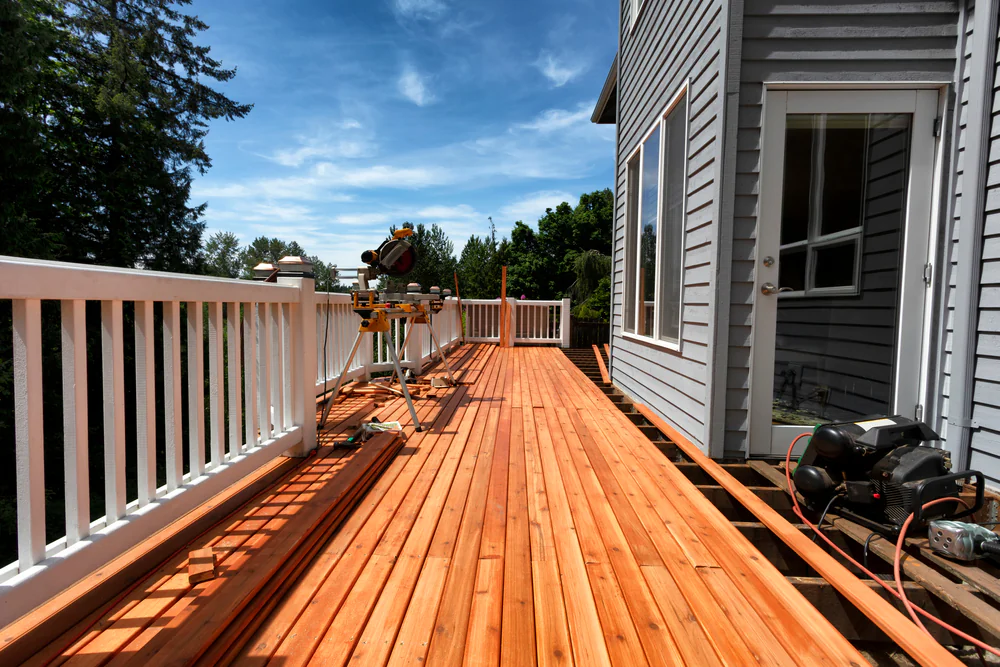
You’re not looking at your deck wondering when something’s going to give out. The bounce is gone. The railings don’t wobble. Those boards that looked questionable last summer are replaced with material that can handle what Long Island throws at it.
You’re using your outdoor space again without that nagging worry in the back of your mind. No more avoiding certain spots or telling the kids to stay off the far corner. The deck works the way it should.
And you’re done with the constant maintenance cycle. When the repair is done right the first time, using materials built for coastal conditions, you’re not back out there every season trying to patch the same problems. You get years of use without the headaches.
Home Team Construction is a family-owned company that’s been working across Suffolk County and Long Island for over two decades. We’re licensed contractors who’ve seen every type of deck problem this climate can create.
Our customers use us multiple times because we show up when we say we will, we charge fair prices, and the work holds up. We’re not the cheapest option, and we don’t try to be. You’re paying for repairs that address the root cause, not just cover up symptoms until next season.
We know Oakdale and the surrounding areas. We understand what salt air does to fasteners, how humidity creates rot in hidden places, and why some materials fail faster here than they would twenty miles inland. That local knowledge matters when you’re trying to get repairs that actually last.
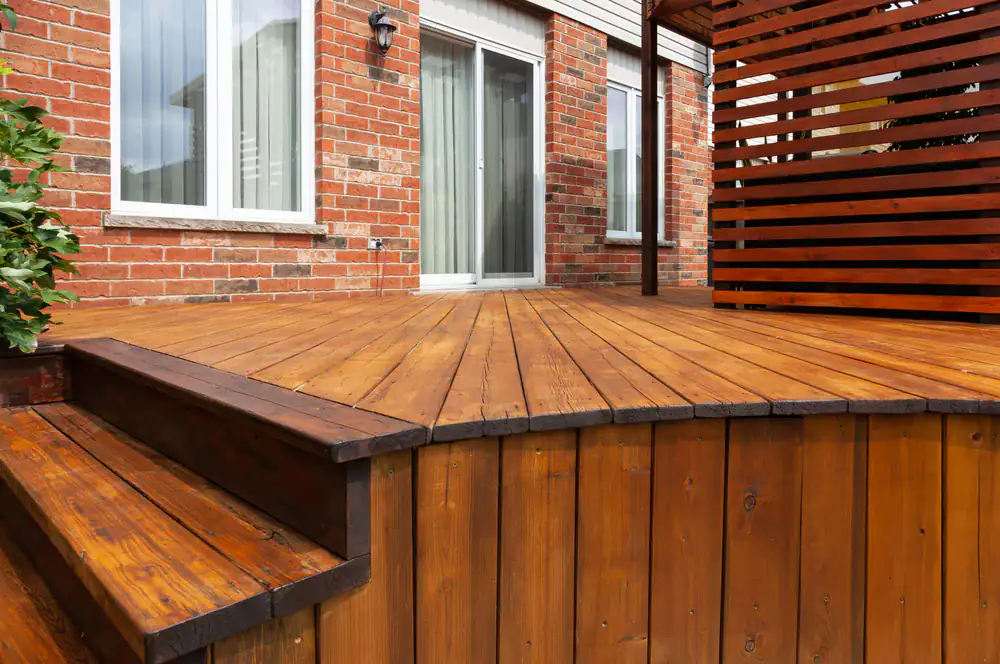
You reach out, and we schedule a time to come look at your deck. We’re usually there same-day or next-day for estimates. We’ll inspect the visible damage and check for underlying issues you might not see—things like rotting joists, failing flashing, or drainage problems that cause recurring damage.
You get a detailed estimate that breaks down what needs fixing and why. If the structural damage is extensive enough that repairs would cost more than half of a replacement, we’ll tell you. There’s no point spending thousands on repairs when replacement makes more sense long-term.
Once you approve the work, we schedule it and show up on time. We replace damaged boards, upgrade failing hardware to marine-grade materials, fix railings, address any structural issues, and make sure drainage is working properly. When we’re done, you get photos of the completed work and a summary of what was repaired. If you need anything after that, we’re accessible for follow-up.
Ready to get started?
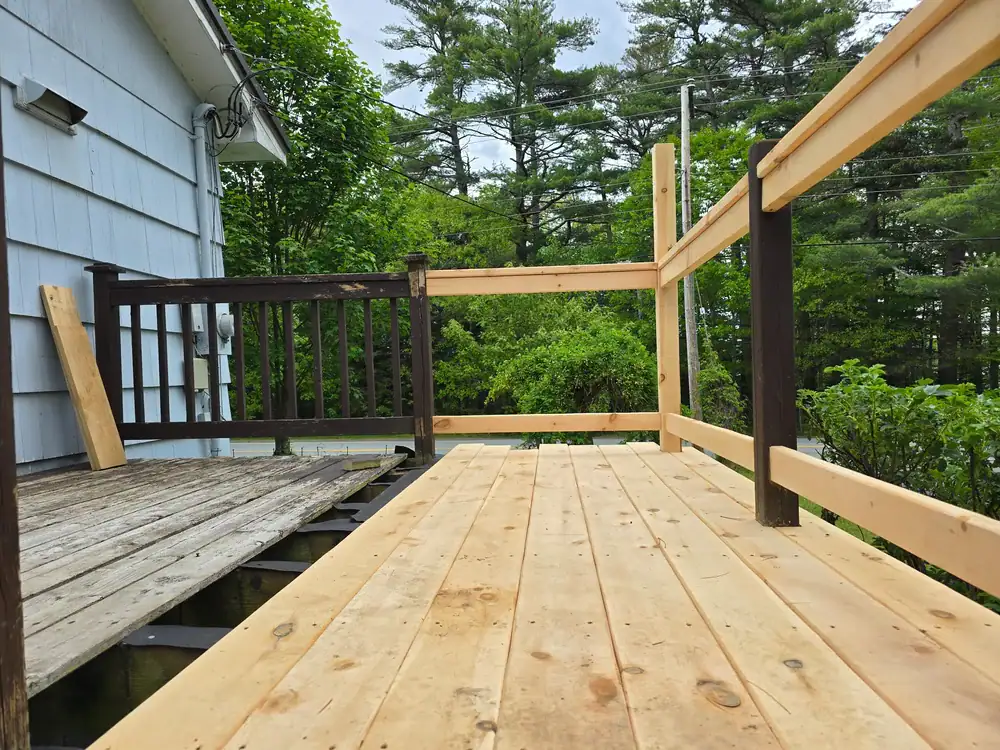
You’re getting more than just new boards slapped over old problems. We replace rotting or damaged decking with pressure-treated lumber or composite material that eliminates future maintenance. We swap out corroded fasteners with stainless steel or marine-grade hardware that won’t fail in coastal conditions.
Railings get rebuilt to code if they’re loose or rotting. Steps get reinforced or replaced if they’re showing structural weakness. If there’s a drainage issue causing water to pool and accelerate rot, we fix that too. Otherwise, you’re just replacing the same boards again in two years.
In Oakdale and across Suffolk County, the coastal climate is tough on outdoor structures. Salt air corrodes metal. High humidity creates mold and rot. Freeze-thaw cycles crack and warp boards. We account for all of that when we’re selecting materials and planning repairs. The goal is to give you a deck that handles Long Island weather without constant intervention.
Most deck repairs in this area run between $750 and $2,500, depending on the extent of damage. Simple repairs like replacing a few boards might cost a couple hundred dollars. Extensive structural work can run higher. We give you the full breakdown upfront so there are no surprises.

Most deck repairs in Oakdale and Suffolk County cost between $750 and $2,500. Simple fixes like replacing a few damaged boards or tightening loose railings might run $100 to $300. More extensive repairs involving structural work, multiple board replacements, or railing rebuilds can reach $5,000 to $10,000 if the damage is severe.
The cost depends on how much damage there is, what’s causing it, and what materials you’re using for the repair. Pressure-treated wood runs about $25 to $30 per square foot installed. Composite decking costs $49 to $60 per square foot but eliminates ongoing maintenance.
If repairs are going to cost more than 50% of what a full replacement would run, replacement usually makes more financial sense. We’ll tell you straight up if that’s the case. There’s no point sinking money into repairs when the underlying structure is compromised.
If the structural frame is solid and the damage is limited to surface boards, railings, or hardware, repair makes sense. If the joists are rotting, the ledger board is failing, or more than half the decking needs replacement, you’re better off with a full rebuild.
Here’s a practical rule: if repair costs exceed 50% of replacement cost, replace it. You’re not just paying for materials and labor—you’re paying for peace of mind. A patched-up deck with ongoing structural issues will keep costing you money every season.
Age matters too. If your deck is over 20 years old and showing multiple problem areas, replacement gives you a fresh start with modern materials and updated code compliance. If it’s newer and the damage is isolated, targeted repairs can add years of life without the expense of starting over.
Salt air is the biggest culprit. It corrodes metal fasteners, brackets, and flashing, even if you’re not directly on the water. Once fasteners start failing, boards loosen and moisture gets into places it shouldn’t. That accelerates rot and creates safety hazards.
High humidity creates mold and rot, especially in areas where water pools or drainage is poor. Freeze-thaw cycles in winter cause boards to expand and contract, which leads to cracking, warping, and fastener failure. UV exposure from intense summer sun makes wood brittle and causes composite materials to fade.
Storm damage from Nor’easters and heavy snow loads can compromise structural integrity if the deck wasn’t built to handle it. All of these factors combine to make Long Island one of the tougher environments for outdoor structures. That’s why material selection and proper installation matter so much here.
Most deck repairs take one to three days, depending on the scope of work. Replacing a few boards and tightening railings might only take a few hours. Rebuilding an entire railing system, replacing a large section of decking, or addressing structural issues can take several days.
Weather affects the timeline. We can’t install certain materials in freezing temperatures or during heavy rain. If we’re waiting for custom materials or specialty hardware, that adds time to the schedule.
We’ll give you a realistic timeline during the estimate. If something comes up during the repair—hidden rot, structural damage that wasn’t visible during inspection—we’ll let you know immediately and explain how it affects the schedule and cost. No surprises.
You can handle basic maintenance like cleaning, staining, and replacing a single damaged board if you’re comfortable with tools. But structural repairs, railing work, and anything involving the frame or ledger board should be done by a licensed contractor.
Here’s why: shoddy deck repair creates serious safety hazards. An improperly secured ledger board can cause catastrophic failure. Railings that aren’t built to code won’t protect anyone if they’re leaned on. Fasteners that aren’t rated for coastal conditions will fail faster than the original hardware.
Plus, if you’re planning to sell your home, unpermitted DIY work can become a problem during inspection. Licensed contractors pull permits, follow code, and warranty their work. If something goes wrong, you’re covered. If you DIY it and something fails, you’re paying to fix it twice.
Late winter and early spring are when most people schedule deck repairs, which means contractors are busiest and prices are highest. If you can plan ahead and book in late fall or early winter, you’ll often get better availability and pricing.
That said, if you’re dealing with safety issues—loose railings, rotting steps, structural damage—don’t wait. Those problems get worse over time, and they’re dangerous. We’ve seen decks fail because homeowners put off repairs until the damage became too extensive to fix affordably.
Weather-wise, we can do most repairs year-round as long as temperatures are above freezing and it’s not actively raining or snowing. Some materials have temperature requirements for installation, so we’ll work around that. The key is not to wait until you’re trying to use the deck and realize it’s unsafe.
Other Services we provide in Oakdale