
Hear From Our Clients
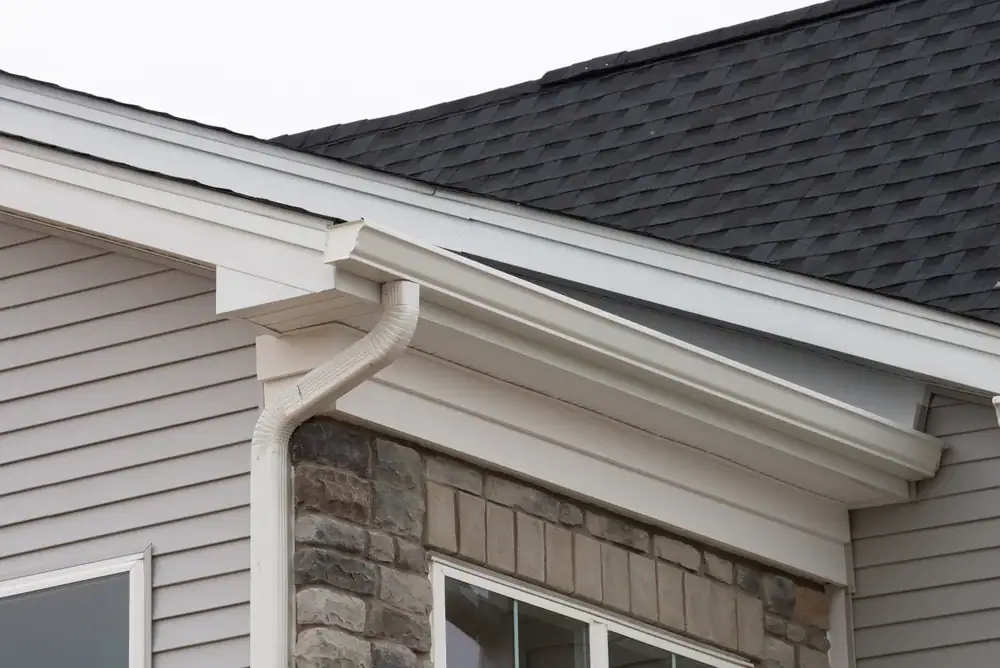
Water pouring into your living room during a storm isn’t just annoying. It’s expensive. What starts as a small crack in your chimney crown or failed flashing turns into rotten wood, ceiling damage, and mold in your attic.
You’re not dealing with a cosmetic issue. You’re dealing with structural damage that gets worse every time it rains or snows. And on Long Island, that coastal weather doesn’t give you much time before a minor problem becomes a major one.
When your chimney is sealed properly and the flashing actually does its job, water stays outside where it belongs. Your heating system runs efficiently. Your energy bills don’t spike because cold air isn’t pouring down the flue. And you’re not scrambling to find emergency chimney repair when everyone else is calling too.
We’ve spent more than 10 years repairing chimneys in Suffolk County. We know what salt air does to masonry. We know how freeze-thaw cycles crack clay tile liners. We know which repairs actually hold up in coastal conditions and which ones fail in two years.
Oakdale homeowners deal with unique challenges. Your $600,000+ property investment deserves contractors who understand that what works inland doesn’t always work here. The methods we use account for the moisture, the temperature swings, and the corrosive environment that makes Long Island different.
We’re licensed, insured, and local. We show up when we say we will, explain exactly what needs fixing and why, and give you a detailed estimate before any work starts.
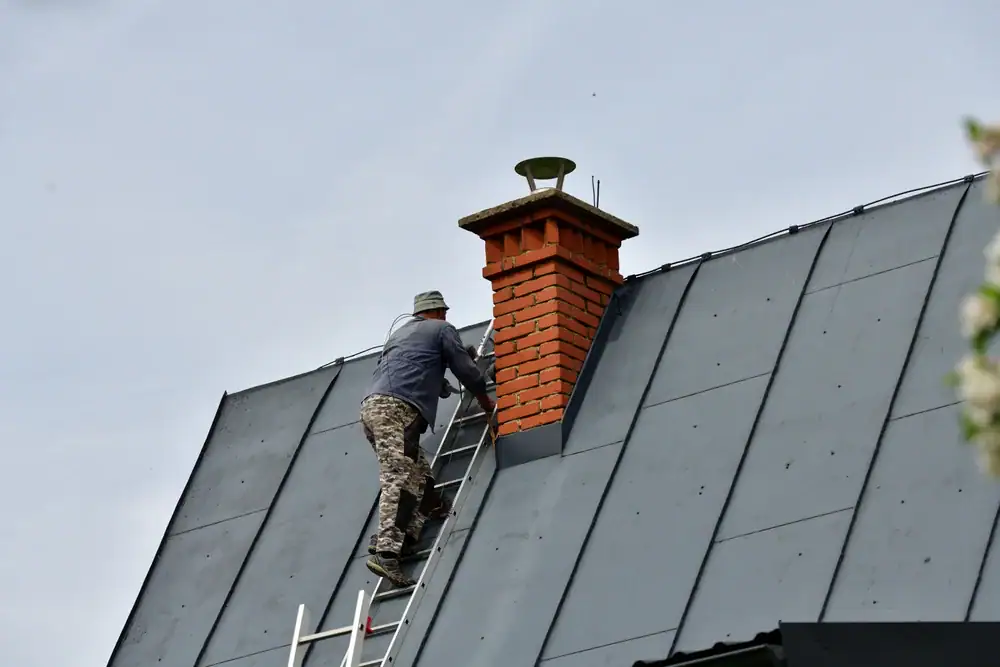
First, we inspect your entire chimney system. That means the crown, the flashing, the masonry, the flue liner, and the cap. We’re looking for cracks, missing mortar, rust, water stains, and any signs that your chimney isn’t doing its job. This inspection typically costs between $150 and $300 in Suffolk County, and it tells you exactly what’s wrong before you spend a dollar on repairs.
Then we give you a breakdown. Not vague estimates, but specific line items showing which components need repair, what materials we’ll use, and how much labor is involved. Standard chimney repairs in this area run anywhere from $160 to $750 depending on what’s damaged. Chimney flashing repair, tuckpointing, crown sealing, waterproofing—you’ll know what you’re paying for.
Once you approve the estimate, we schedule the work during a weather window that makes sense. Spring is ideal because the conditions are right for masonry work and waterproofing to cure properly. We complete the repairs, clean up, and make sure everything is sealed and functioning before we leave. You get documentation of what was done, and you’re not left guessing whether the problem is actually fixed.

Ready to get started?
Chimney masonry repair covers the bricks and mortar that are crumbling from salt air exposure and freeze-thaw damage. We remove deteriorated mortar, repoint the joints with material that can handle coastal conditions, and replace any bricks that are too far gone. This isn’t cosmetic. Compromised masonry lets water in, and water is what destroys chimneys from the inside out.
Chimney flashing repair fixes the metal seal between your chimney and your roof. When flashing fails—and it does fail on Long Island—water runs straight into your attic and down your walls. We remove old, corroded flashing and install new material that’s properly integrated with your roof system. This is one of the most common sources of chimney leaks, and it’s also one of the most straightforward fixes when done right.
Crown repair seals the concrete top of your chimney that takes the brunt of weather exposure. Cracks in the crown let water seep into the chimney structure, where it freezes, expands, and creates bigger problems. We repair or rebuild crowns so water sheds off instead of soaking in. Waterproofing treatments add another layer of protection, especially important in areas like Oakdale where moisture is constant.
We also handle flue liner repairs, cap replacements, and full chimney rebuilds when the damage is too extensive for patching. You’re not getting a band-aid. You’re getting repairs that account for how Long Island weather accelerates deterioration.
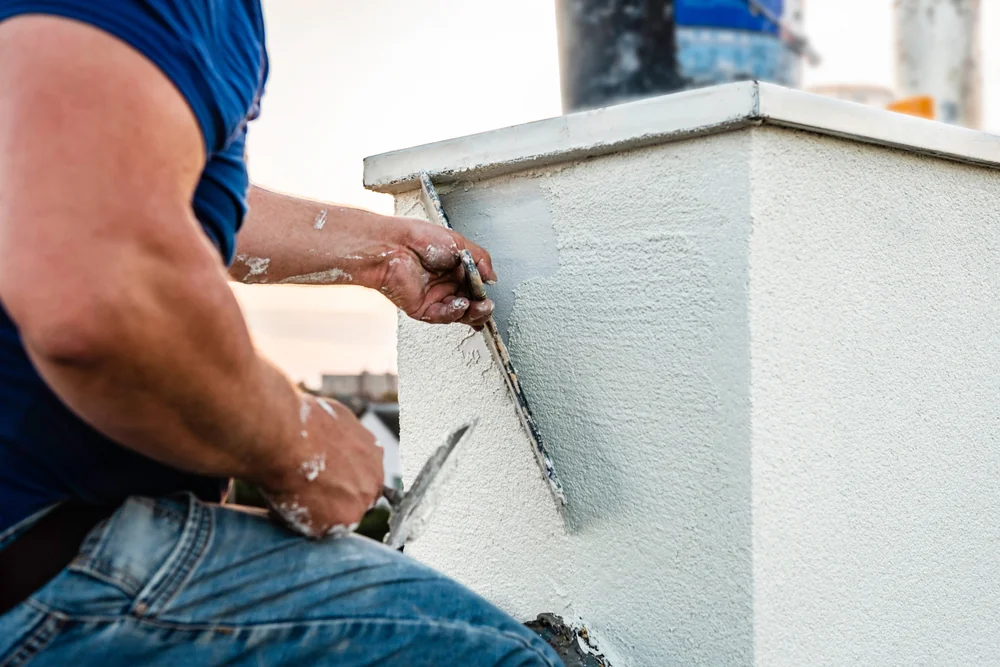
Most chimney repairs in Oakdale and the surrounding Suffolk County area cost between $160 and $750, with the average landing around $455. That covers common issues like flashing repair, minor masonry work, crown sealing, and tuckpointing.
If your chimney has extensive damage—like a compromised flue liner, major masonry deterioration, or structural issues from years of neglect—the cost goes up. Full chimney rebuilds or liner replacements can run several thousand dollars. But here’s the thing: catching problems early keeps you in that lower range.
Annual inspections cost $150 to $300 and usually pay for themselves by identifying small issues before they turn into emergency repairs. Water damage to your ceiling, attic, and walls from a leaking chimney can easily exceed $10,000 in repairs. Spending a few hundred dollars now beats spending tens of thousands later.
Salt air is corrosive. It eats away at metal flashing, weakens mortar joints, and accelerates the deterioration of masonry. What might take 30 years to fail in a dry, inland climate can fail in 10 to 15 years here.
Freeze-thaw cycles make it worse. Water gets into small cracks in your chimney during rain or snow. When temperatures drop, that water freezes and expands, making the cracks bigger. Clay tile liners absorb moisture and crack when they freeze. Mortar crumbles. Bricks spall and flake apart.
You’re also dealing with higher humidity and more precipitation than many other parts of the country. Your chimney is constantly exposed to moisture, and moisture is the enemy of masonry. Coastal conditions don’t give chimneys much of a break, which is why regular maintenance and repairs designed for this environment matter so much.
Spring is the ideal window. The weather is mild and dry, which is perfect for exterior masonry work and waterproofing treatments that need time to cure properly. You’re also beating the fall rush when everyone suddenly remembers they have a chimney and calls for repairs at the same time.
Most homeowners wait until October when they’re about to start using their fireplace or heating system. By then, every chimney contractor in Suffolk County is booked solid. You’re stuck waiting weeks for an appointment, and if your chimney has a serious issue, you’re either not using your heating system or risking a dangerous situation.
If you schedule repairs in spring or early summer, you get better availability, more flexible scheduling, and the peace of mind that your chimney is ready before winter. Emergency repairs are always available when water is actively pouring into your house, but proactive maintenance is smarter and usually cheaper.
Water stains on your ceiling or walls near the chimney are the most obvious red flag. If you see discoloration, peeling paint, or damp spots, water is getting in somewhere. That usually means failed flashing, a cracked crown, or deteriorated masonry.
Crumbling mortar between bricks, pieces of brick or tile in your fireplace, and white staining on the exterior masonry (called efflorescence) all indicate that your chimney is breaking down. Rust on the damper or firebox means moisture is present where it shouldn’t be.
If you smell dampness or notice a draft coming down your chimney when it’s not in use, something isn’t sealed properly. Spalling bricks—where the surface is flaking or popping off—happen when water gets into the brick, freezes, and breaks it apart from the inside. Any of these signs mean you should get an inspection before the damage gets worse.
Yes. Even if you never light a fire, your chimney is still part of your home’s structure, and it’s still exposed to weather. Water damage doesn’t care whether you use the fireplace. Flashing can fail, crowns can crack, and masonry can deteriorate whether you burn wood or not.
If you have a gas heating system, your chimney or flue is venting combustion gases. A compromised flue liner or blocked chimney can cause carbon monoxide to back up into your home, which is a serious safety hazard. Regular inspections catch these issues.
Chimneys also provide an entry point for water, animals, and debris. A damaged or missing chimney cap lets rain pour straight down into your flue. Squirrels, birds, and raccoons love nesting in unused chimneys. An inspection identifies these problems and gives you a clear picture of what needs attention, even if you’re not actively using the fireplace.
You can patch small cosmetic cracks with store-bought sealant, but that’s not a real repair. It might stop water for a season, but it’s not addressing the underlying problem, and it’s not going to hold up in Long Island’s coastal environment.
Chimney repair requires understanding how water moves, how masonry deteriorates, and which materials actually work in high-moisture, freeze-thaw conditions. Improper repairs often make things worse by trapping moisture inside the chimney structure, which accelerates damage. Flashing repair involves integrating metal with your roof system in a way that sheds water correctly—that’s not a DIY project unless you have roofing and masonry experience.
Licensed chimney contractors also carry insurance. If something goes wrong during a repair—or if a DIY fix fails and causes more damage—you’re covered when a professional does the work. Chimneys are also one of the leading causes of house fires when they’re not maintained properly. Getting it done right the first time is worth the investment.
Other Services we provide in Oakdale