Hear From Our Clients
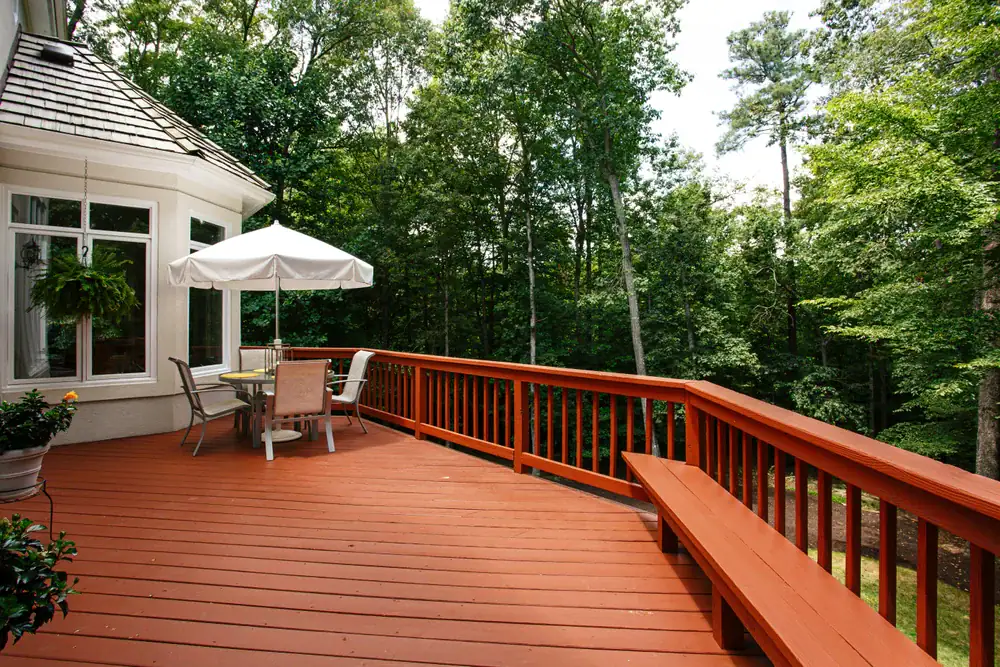
You’re not looking for a temporary patch job. You need someone who can identify why your deck is failing and fix the root cause—whether that’s rotting joists from poor drainage, corroded fasteners from salt air, or structural damage from last winter’s storms.
A properly repaired deck means you stop worrying every time someone leans on the railing. You can actually use your outdoor space without mentally cataloging which boards to avoid. And when it’s time to sell, you’re not scrambling to address safety issues that tank your inspection.
The difference between a quick fix and a real repair comes down to understanding what Long Island’s climate does to wood and hardware. Humid summers, harsh winters, and coastal salt air accelerate wear faster than most homeowners realize. Your deck isn’t just aging—it’s fighting an uphill battle against conditions that inland properties never face.
Home Team Construction has been handling deck repairs across Suffolk County for over a decade. Our crews are licensed contractors and skilled tradespeople who understand Holtsville’s specific challenges—not just general carpentry, but how coastal conditions affect outdoor structures differently than they would 20 miles inland.
We’re not a franchise or a lead-gen company that farms out your job. Every person who shows up is trained, licensed, and insured by us. No subcontractors. No surprises.
When your deck is compromised, you need someone who can assess structural integrity, not just cosmetic damage. We’ve seen what happens when homeowners wait too long or hire someone who masks problems instead of solving them. Our reputation is local, and we keep it that way by doing the work right.
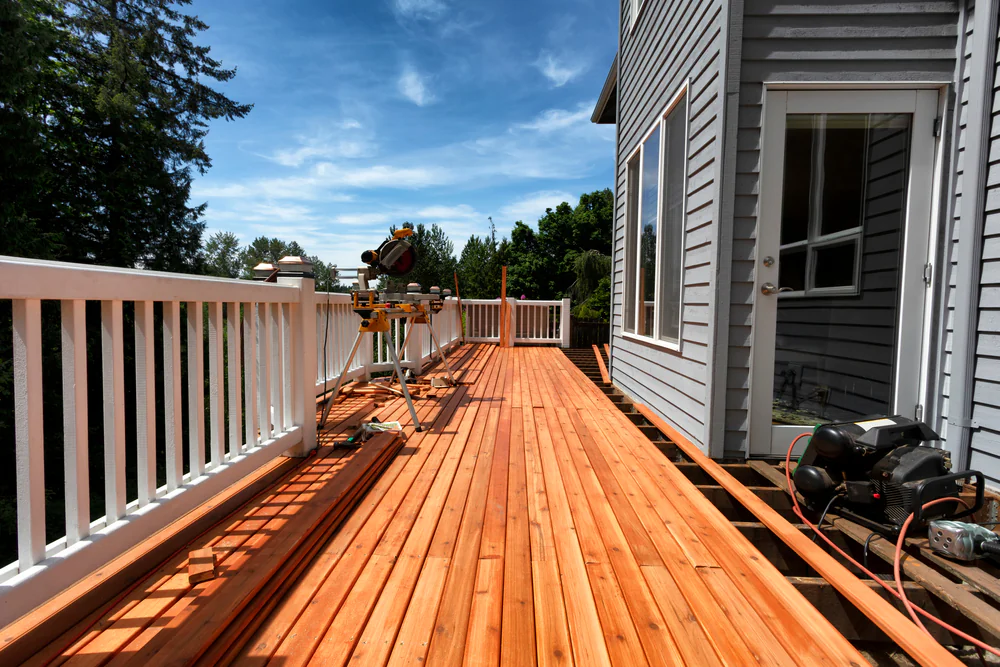
First, we come out and inspect the entire structure—not just the obvious problem areas. Loose boards and wobbly railings are symptoms. We’re looking for the underlying issues: rotting joists, failed flashing, corroded fasteners, improper drainage, or separation from the house.
You get a clear explanation of what’s wrong and why it happened. Then we give you a transparent estimate that breaks down materials, labor, and timeline. If permits are required for structural work, we handle that process so you don’t have to navigate Suffolk County building codes on your own.
Once you approve the work, we schedule it based on weather and material availability. Most deck repairs take one to three days, depending on scope. We use materials rated for coastal environments—not the cheapest option at the big box store, but the ones that actually hold up against salt air and temperature swings.
After the repair, you’re left with a deck that’s structurally sound and code-compliant. We don’t disappear after the check clears. If something doesn’t hold up the way it should, we come back and make it right.
Ready to get started?
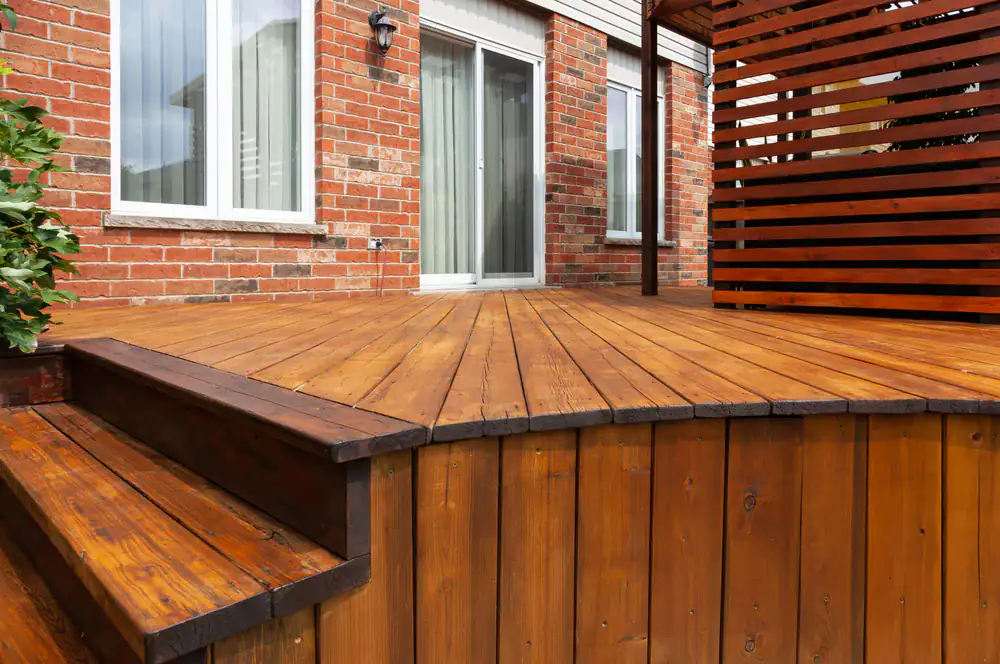
Deck repair isn’t one-size-fits-all. What you need depends on what’s failing and why. We handle everything from replacing rotted boards and reinforcing joists to rebuilding railings and addressing drainage issues that cause water to pool and accelerate rot.
In Holtsville and throughout Suffolk County, we see specific patterns of failure. Salt air from Long Island Sound corrodes metal hardware faster than you’d expect—fasteners, joist hangers, and flashing all deteriorate quicker here than inland. We replace those with corrosion-resistant materials designed for coastal exposure.
Storm damage is another common issue. High winds lift loose boards, heavy snow loads stress compromised joists, and ice dams create moisture problems that show up months later. We don’t just fix the visible damage—we inspect for hidden issues that storms expose but don’t always cause directly.
If your deck is separating from the house, that’s a structural problem that requires proper ledger board attachment and flashing. It’s not a cosmetic issue you can ignore. We make sure the connection is solid and waterproofed correctly so you’re not dealing with interior water damage down the line.

Most deck repairs in Suffolk County run between $600 and $4,500, depending on what’s actually broken. Replacing a few rotted boards is on the lower end. Reinforcing joists, rebuilding railings, or addressing structural issues with the ledger board pushes costs higher.
Labor typically runs $50 to $100 per hour, and most jobs take one to three days. But here’s what matters more than the hourly rate: whether the contractor is fixing the root cause or just patching symptoms. A cheap repair that doesn’t address why the deck is failing means you’re paying again in a year or two.
Material choice also affects cost. Pressure-treated lumber rated for ground contact costs more than standard boards, but it lasts longer in high-moisture areas. Stainless steel or coated fasteners cost more than standard hardware, but they don’t corrode in salt air. We use materials that make sense for Long Island’s climate, not whatever’s cheapest.
If the structural frame—joists, beams, and posts—is still solid, repair makes sense. If those core components are rotted or compromised, you’re looking at replacement. The decking boards and railings are easier to replace than the underlying structure.
Here’s a quick test: if your deck bounces or sags when you walk on it, that’s a joist problem. If boards are spongy or you can push a screwdriver into the wood easily, that’s rot. If railings move when you shake them, the posts or fasteners are failing. Any of those issues need professional assessment, not a wait-and-see approach.
Age matters too. Decks in Suffolk County typically last 15 to 18 years before major repairs or replacement become necessary—shorter than the 25-year lifespan you’d see in drier climates. If your deck is over 15 years old and showing multiple issues, replacement might be more cost-effective than ongoing repairs.
It depends on the scope of work. Replacing a few boards or refinishing the surface usually doesn’t require a permit. Structural repairs—reinforcing joists, replacing beams, rebuilding railings, or reattaching the ledger board to the house—typically do require permits in Suffolk County.
Permits aren’t just bureaucratic hassle. They ensure the work meets current building codes for load capacity, railing height, fastener spacing, and proper flashing. That matters for safety and for resale—buyers’ inspectors flag unpermitted structural work, and it can kill deals or force price reductions.
We handle the permit process when it’s required. You don’t need to figure out what Suffolk County wants or schedule inspections yourself. We pull the permits, do the work to code, and coordinate inspections so the job is properly documented.
Three main factors: salt air, moisture, and temperature swings. Coastal exposure means your deck is constantly battling corrosion. Salt accelerates rust on fasteners, joist hangers, and flashing—all the metal components that hold the structure together. When those fail, boards come loose and railings become unsafe.
Humidity is higher here than inland, and wood stays damp longer after rain. That creates ideal conditions for rot and mold. Poor drainage makes it worse—if water pools on the deck surface or doesn’t shed properly from underneath, you’re accelerating decay.
Winter freeze-thaw cycles stress the wood and open up cracks. Snow loads put weight on joists that might already be weakened by moisture. Then spring rains hit, and suddenly you’re seeing problems that were developing slowly all winter. It’s not one dramatic event—it’s cumulative damage from conditions that inland decks don’t face as intensely.
Most repairs take one to three days, but weather can extend that timeline. We’re not working in a controlled environment—rain delays are real, and we won’t rush work just to hit a deadline if conditions aren’t right for proper installation.
Simple repairs like replacing boards or tightening railings can be done in a day. Structural work—reinforcing joists, rebuilding sections, or addressing ledger board issues—takes longer because we’re working with the underlying frame, not just the surface. If permits are required, add time for inspections.
We give you a realistic timeline upfront based on the scope of work and current weather forecasts. If something takes longer than expected because we find additional issues once we open things up, we explain what we found and why it matters before proceeding. You’re not locked into a price for work you didn’t know you needed.
We repair all deck types—wood, composite, and PVC. The surface material is only part of the equation. Most deck failures happen in the structural frame underneath, which is almost always wood regardless of what’s on top.
Composite and PVC decking can crack, fade, or come loose from fasteners. We replace damaged boards and address installation issues that cause premature failure. But often the real problem is underneath—rotted joists, failed flashing, or improper support spacing that causes the decking to flex and break.
If you have a composite or PVC deck that’s failing, we assess whether it’s the decking itself or the structure supporting it. Sometimes the frame is fine and you just need surface repairs. Other times, the underlying wood has rotted and needs reinforcement before we can properly secure the decking. We don’t assume—we inspect and tell you exactly what’s needed.
Other Services we provide in Holtsville