Hear From Our Clients

You’ve probably already spent money on repairs. Maybe you’ve had the crown repointed, the flashing replaced, or the cap upgraded. And now you’re right back where you started—water stains on the ceiling, crumbling mortar, or worse, smoke backing up into your home.
At some point, repairs stop making sense. When your chimney’s leaning, cracking through the brick, or failing every time it rains, you’re not looking at a fix anymore. You’re looking at a liability.
A full chimney replacement gives you a structurally sound system built with materials that can handle what Long Island throws at it. That means marine-grade mortar, proper flashing integration, code-compliant liners, and a stack that won’t need constant attention every few years. You’ll stop worrying every time you light a fire or see storm clouds rolling in.
Home Team Construction has been serving Suffolk County homeowners with honest work and upfront pricing. We’re licensed, insured, and we live here—so we know exactly what Holtsville chimneys deal with between the humidity off the Sound and the salt air from the Atlantic.
We don’t push repairs when replacement makes more sense. We don’t hide costs or add surprise charges halfway through the job. You get a clear assessment, a detailed estimate, and work that passes inspection the first time.
Our crews handle partial rebuilds from the roofline up or complete tear-downs and reconstructions. Either way, you’re getting a chimney built to code with materials designed for coastal climates, not generic masonry that’ll fail again in five years.
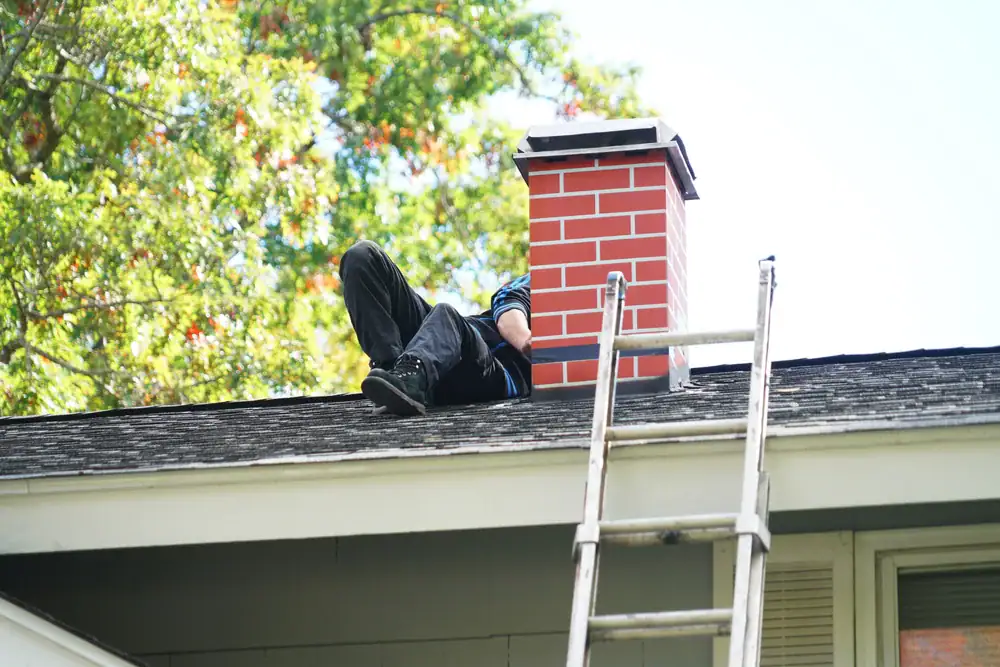
First, we come out and assess the damage. That means checking the structure from the foundation to the crown, looking at the liner condition, inspecting for water intrusion, and determining whether you need a partial rebuild or full replacement. You’ll get a written estimate with no pressure to decide on the spot.
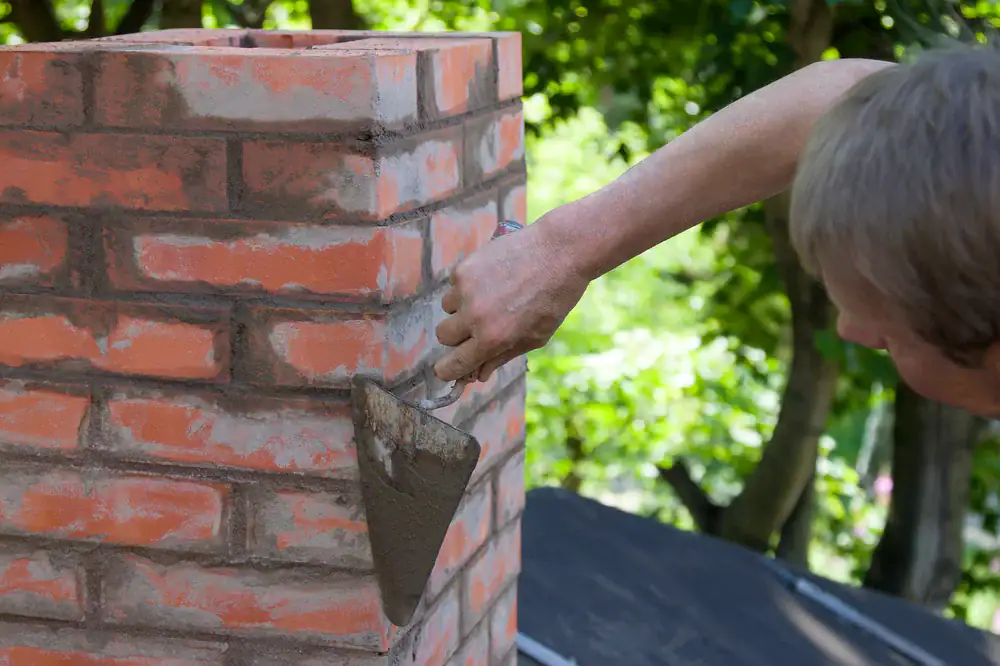
Once you’re ready to move forward, we handle the permits and schedule the work. If it’s a complete replacement, we’ll carefully demo the old chimney, protect your roof and interior, and haul away all the debris. Then we rebuild from the ground up using marine-grade brick and mortar, install a new stainless steel liner if needed, integrate proper flashing, and finish with a code-compliant cap and crown.
For partial rebuilds, we remove everything above the roofline and reconstruct the stack with new materials. Either way, the job gets inspected and you get documentation showing everything was done right. Most projects in Holtsville wrap up in a few days depending on height and complexity, and we clean up like we were never there.

Ready to get started?
A complete chimney replacement isn’t just tearing down brick and putting up new ones. You’re getting a system designed to handle Long Island’s weather and meet current building codes, which have changed significantly if your chimney’s more than 20 years old.
That includes demolition and debris removal, new masonry using materials rated for coastal exposure, a stainless steel chimney liner replacement if your old clay tiles are cracked, properly integrated chimney flashing replacement that actually seals against your roof, and a new chimney cap replacement with mesh screening to keep out water and animals. If your chimney stack replacement involves height changes or structural concerns, we’ll bring in engineering consultation to make sure everything’s sound.
Holtsville homes near the water deal with accelerated deterioration from salt air. Standard mortar breaks down faster here than it would inland, which is why we use marine-grade materials as the default. You’re also more likely to need a complete chimney flue replacement if you’ve been burning wood for years, since creosote damage combined with moisture intrusion can compromise the entire liner system.
The goal is simple: you get a chimney that vents properly, doesn’t leak, passes inspection, and won’t need major work again for decades. No more annual repair bills or constant worry about carbon monoxide or fire hazards.

If you’re seeing structural issues like leaning, large cracks running through multiple courses of brick, or sections that are visibly separating, you’re past the repair stage. Same goes for chimneys that have been patched multiple times and keep failing—that’s a sign the underlying structure is compromised.
Water damage is another indicator. If you’re getting leaks every time it rains despite having the flashing and crown repaired, the problem is likely deeper in the masonry or liner system. When water freezes inside deteriorated brick, it expands and causes more cracking, which creates a cycle that repairs can’t fix.
Age matters too. If your chimney is 50+ years old and you’re using it regularly, the liner is probably shot and the mortar is breaking down from decades of heat cycles and weather exposure. At that point, rebuilding gives you better long-term value than trying to patch a system that’s reached the end of its lifespan. We’ll walk you through what’s actually failing and give you an honest assessment of whether repair or replacement makes more sense for your situation and budget.
Most complete chimney replacements in Holtsville run between $8,000 and $15,000 depending on height, accessibility, and what’s included. A partial rebuild from the roofline up typically starts around $4,000 to $7,000. Those ranges cover demolition, new masonry with marine-grade materials, liner replacement, flashing, cap, and cleanup.
Costs go up if you need structural engineering, if the chimney is especially tall, or if there’s interior fireplace work involved. They go down if you’re only rebuilding the exterior stack and the liner system is still in good shape. Permits in Suffolk County add a few hundred dollars but they’re required and worth it—you want documentation that the work was inspected and approved.
Here’s the thing: replacement costs aren’t going down. Materials and labor keep increasing, and the longer you wait, the more likely you are to deal with emergency repairs or additional damage to your roof and interior. Getting it done in the fall—September through early October—usually gives you better availability and lets you address everything before heating season starts. We give you a detailed written estimate upfront so there’s no confusion about what you’re paying for or why.
Most chimney replacements in Holtsville take three to five days depending on the scope. A straightforward rebuild of a single-flue chimney from the roofline up might be done in two to three days if weather cooperates. A complete tear-down and reconstruction with liner work and interior fireplace repairs can take a full week.
We’re not rushing through the job just to finish fast. Masonry needs time to cure properly, especially in humid coastal conditions. We also have to coordinate inspections, which can add a day or two depending on the town’s schedule. If we hit bad weather, we’ll pause rather than compromise the quality of the work—you don’t want mortar setting in the rain or freezing temperatures.
The timeline also depends on access. If your chimney is easy to reach and we can set up scaffolding quickly, things move faster. If it’s tucked between roof lines or requires special equipment, that adds time. We’ll give you a realistic schedule upfront and keep you updated if anything changes. Most homeowners are surprised by how quickly we can go from a deteriorating chimney to a fully rebuilt, inspected system that’s ready to use.
Probably not, unless the damage was caused by a sudden event like a lightning strike or a tree falling on it. Most homeowners insurance doesn’t cover wear and tear, gradual deterioration, or damage from lack of maintenance. If your chimney is failing because of age, weather exposure, or years of deferred upkeep, that’s considered a homeowner responsibility.
Storm damage is the exception. If a hurricane or severe weather event directly caused structural failure, you might have coverage—but you’ll need documentation and you’ll probably still be dealing with a deductible. It’s worth filing a claim if the damage happened during a specific storm, but don’t count on it covering a chimney that’s been slowly deteriorating for years.
The good news is that replacing your chimney now can actually help with future claims. A new, code-compliant chimney with proper flashing and a solid liner reduces your risk of fire and water damage, which means fewer problems down the road. Some insurers even offer discounts for updated systems, though you’d need to check with your provider. Either way, waiting and hoping insurance will cover it later usually doesn’t work out—it’s better to budget for the replacement and get it done right.
No, and you shouldn’t try. Once we start demo work, your chimney isn’t venting properly and using your fireplace could push smoke and carbon monoxide into your home. Even if we’re only rebuilding the exterior stack, the liner system is exposed and the cap is off, which means you don’t have a safe way to vent combustion gases.
Most chimney replacements happen during the shoulder seasons—late spring or early fall—when you’re not relying on your fireplace for heat anyway. If you’re doing the work in winter and you use your fireplace as a primary heat source, you’ll need a backup plan for a few days. Space heaters or your central heating system can usually cover it.
Once the replacement is complete and everything’s been inspected, you’re clear to use the fireplace again. In fact, it’ll work better than it has in years. You’ll get a proper draft, no smoke backdraft, and no worrying about creosote buildup in a cracked liner or carbon monoxide leaking through deteriorated masonry. We’ll walk you through a quick check before you light your first fire, but the system will be ready to go as soon as we’re done and the final inspection is signed off.
Yes, and it’s usually the best time to do it. If we’re already tearing down the chimney stack, replacing the liner and cap at the same time makes sense—you’re not paying for scaffolding and labor twice, and you’re getting a complete system that’s built to work together.
Chimney liner replacement is especially important if you’ve been burning wood or if your old clay tiles are cracked. A stainless steel liner is more durable, handles temperature swings better, and provides a safer vent path for smoke and gases. If your liner is still in good shape and passes inspection, we’ll leave it alone, but that’s rare in chimneys that need full replacement.
Chimney cap replacement is standard in every rebuild. The cap keeps water, animals, and debris out of your flue, and a quality cap with mesh screening lasts decades. We also handle chimney flashing replacement as part of the job—that’s the metal seal between your chimney and roof, and it’s one of the most common leak points in older systems. Getting all of this done at once means you’re not dealing with piecemeal repairs later. You get a complete, code-compliant chimney system that’s built to handle Long Island’s weather and ready to use for years without constant maintenance.
Other Services we provide in Holtsville