Hear From Our Clients

You stop worrying about carbon monoxide leaking into your home through cracks you can’t see. You stop dealing with water stains spreading across your ceiling every time it rains. You get a chimney that actually does its job for the next 50 years.
A full chimney replacement means we’re addressing the stack, the liner, the crown, the cap, and the flashing. Not patching one problem while three others sit there waiting to fail. When we’re done, your heating system vents properly, your roof stays dry, and you’re not calling someone back out here in six months because the quick fix didn’t hold.
This matters in Westhampton because your home is dealing with salt air, freeze-thaw cycles, and coastal moisture that wears down masonry faster than most people realize. Your chimney takes a beating out here. A proper replacement built for Long Island weather means you’re not doing this again in five years.
Home Team Construction has been working on homes across Suffolk County long enough to know what holds up out here and what doesn’t. We’re not the crew that shows up, cashes your check, and disappears. We’re local, we show up when we say we will, and we stand behind the work.
We’ve replaced chimneys on beach cottages and larger estates throughout Westhampton. Every job gets the same attention because we know you’re trusting us with a major part of your home’s structure and safety. We measure twice, check the roof pitch, plan the flashing around your specific setup, and make sure everything is sealed right before we leave.
You’re working with people who understand that a 40-year-old chimney in a coastal town needs more than a quick patch job. You need a full rebuild with materials that can handle what Long Island throws at it.
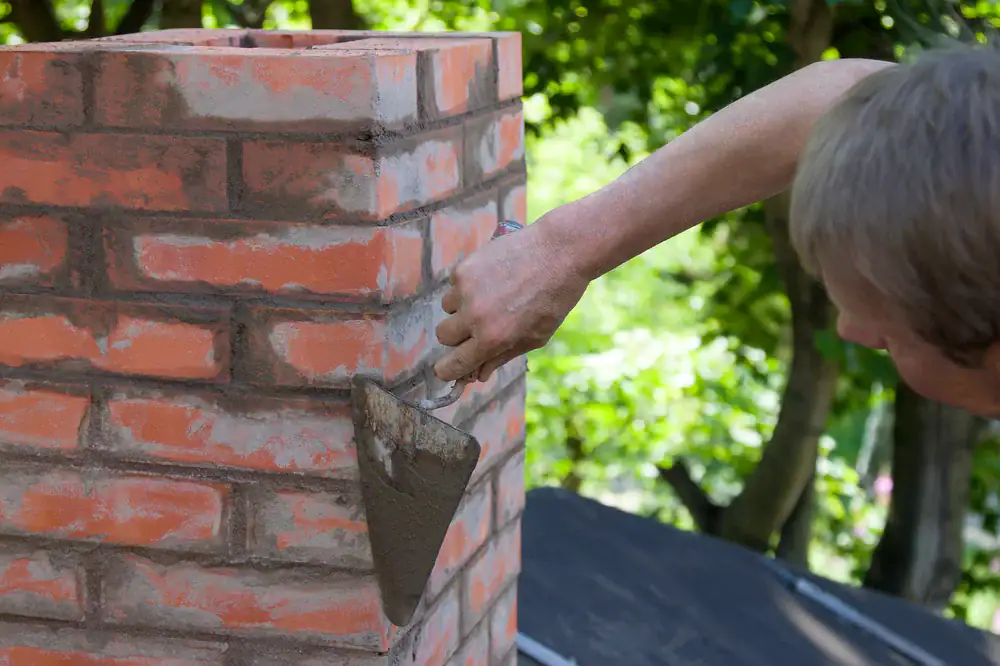
We start with an inspection to see what’s actually going on. We’re looking at the chimney stack, the liner, the crown, the flashing, and how everything connects to your roof. We’ll tell you exactly what needs replacing and why.
Once you approve the plan, we protect your roof and surrounding areas before we start the demo. We take down the damaged chimney carefully so we’re not creating more problems. Then we rebuild from the roofline up with proper materials, install a new stainless steel liner sized correctly for your heating system, and seal everything with quality flashing that won’t leak.
The crown gets poured and finished to shed water away from the stack. We install a chimney cap to keep rain, animals, and debris out. Before we leave, we walk you through what we did, clean up the site, and make sure you know how to maintain it going forward. You’re not guessing about what happened or what to do next.

Ready to get started?
A complete chimney replacement includes the entire stack above your roofline, a new stainless steel chimney liner that’s properly sized for your heating system, a rebuilt chimney crown that’s sloped to prevent water pooling, new chimney flashing that integrates with your roof, and a quality chimney cap that keeps weather and animals out.
In Westhampton, where homes are exposed to salt air and harsh coastal weather, we’re using materials that hold up. That means masonry that resists moisture penetration, metal components that won’t corrode in two years, and sealants designed for Long Island’s climate. Your 1982-built home wasn’t constructed with today’s materials or standards. This replacement brings your chimney up to current code and gives it the durability it needs.
We’re also making sure your new chimney liner creates proper draft so your heating system burns fuel efficiently and vents safely. A poorly sized liner wastes energy and creates carbon monoxide risk. We size it right the first time based on your specific heating equipment and chimney height.

You’re looking at somewhere between $4,000 and $15,000 depending on the height of your chimney, how much needs to be rebuilt below the roofline, and what your roof situation looks like. A straightforward replacement on a single-story home with easy roof access costs less than a two-story chimney that needs structural work and complicated flashing.
Long Island pricing runs higher than national averages because labor costs more out here and our building codes are stricter. But that higher cost also means you’re getting work that passes inspection and lasts. We give you a detailed estimate after we inspect your chimney so you know exactly what you’re paying for and why.
Waiting until your chimney fails completely during winter can triple your costs because emergency repairs during heating season are expensive and you’re dealing with additional damage to your home. Getting it done right now, on your timeline, saves you money and stress.
Most chimney replacements take two to four days depending on the scope of work and weather. We’re not rushing through this because cutting corners on a chimney replacement creates problems you’ll be dealing with for years.
Day one is usually demo and prep. We’re taking down the old chimney, protecting your roof, and getting everything ready for the rebuild. Day two and three are the rebuild, liner installation, crown work, and flashing. Day four is finishing details, cleanup, and final walkthrough.
Weather can slow things down because we can’t pour a crown in the rain or work safely on your roof in high winds. We’ll give you a realistic timeline upfront and keep you updated if anything changes. You’re not going to be left wondering when we’re coming back or if the job is done.
If your chimney has widespread cracking, a deteriorated liner, major water damage, or structural issues, repairs are just buying you a little time before the next problem shows up. We’ll tell you honestly whether a repair makes sense or if you’re throwing money at something that needs replacing.
A $1,500 repair might get you through another year or two, but if the underlying structure is compromised, you’re going to be back in the same spot soon. A full replacement costs more upfront but gives you 50 to 100 years of service when it’s done right and maintained properly.
In Westhampton’s coastal environment, chimneys age faster than they do inland. Salt air gets into the masonry, freeze-thaw cycles crack the crown, and moisture works its way through deteriorated mortar joints. Once that damage is extensive, patching it doesn’t address the real problem. We’re not going to sell you a replacement if a repair will actually work, but we’re also not going to patch something that’s going to fail on you next winter.
Water infiltration means you’ve got compromised flashing, a cracked crown, deteriorated mortar joints, or no chimney cap. Sometimes it’s all of the above. The longer water gets in, the more damage it does to your roof decking, insulation, framing, and interior walls.
During the replacement, we’re addressing every entry point. New flashing gets installed and integrated properly with your roof so water can’t sneak in around the base. The new crown is sloped and sealed so water runs off instead of pooling. The chimney cap keeps rain from coming straight down the flue.
If water has already damaged your roof structure or interior, we’ll identify that during the inspection and let you know what needs repair beyond the chimney itself. Ignoring water damage leads to rot, mold, and structural problems that cost way more to fix later. We make sure everything is dry and sound before we finish the job.
Yes, as long as we size the new chimney liner correctly for your specific heating equipment. That’s part of the job. We’re measuring your furnace or boiler output, checking the manufacturer specs, and installing a liner that creates proper draft for safe, efficient operation.
If you have a fireplace, we make sure the new chimney accommodates that too. The liner diameter, insulation, and height all affect how well your system vents. A liner that’s too large creates weak draft and condensation problems. A liner that’s too small restricts airflow and creates dangerous backdrafting.
We’ve worked with every type of heating system common in Westhampton homes. Oil, gas, wood, pellet—we know what each one needs. You’re not going to have venting issues or carbon monoxide problems after we’re done because we’re doing the engineering work upfront to get it right.
Spring and summer are your best windows because the weather is more predictable and chimney companies aren’t slammed with emergency calls. By fall, every chimney contractor in Suffolk County is booked solid for weeks because everyone suddenly remembers they need their chimney working before winter.
Scheduling your replacement in the off-season also means better availability and competitive pricing. You’re not competing with a dozen other homeowners trying to get emergency work done before the first freeze. We can give your job the time and attention it needs without rushing to get to the next crisis.
That said, if your chimney is actively failing or creating a safety hazard, we’re not telling you to wait six months. We’ll work with you to get it done safely regardless of season. But if you have the option to plan ahead, spring is when smart homeowners book chimney work.
Other Services we provide in Westhampton