

Hear From Our Clients
You’re looking at your chimney because something’s wrong. Maybe you spotted water stains on the ceiling near the fireplace. Maybe the flashing looks loose after the last nor’easter. Maybe you just know it’s been years since anyone checked it, and you’re worried about what winter will do.
Here’s what happens if you wait. That small crack in the crown lets water in. Water freezes, expands by 9%, and turns a hairline crack into a structural problem. The $800 repair you’re looking at today becomes an $8,000 partial rebuild in two years. And that’s if you’re lucky enough to catch it before it damages your interior walls or causes a chimney fire.
Westhampton’s coastal climate accelerates everything. Salt air corrodes metal flashing and chimney caps faster than you’d see twenty miles inland. What lasts fifteen years in other parts of Long Island might give you eight to ten here. The homes in this area are worth over a million dollars on average. Letting a chimney deteriorate because you didn’t want to deal with it doesn’t just risk safety. It risks your property value and everything you’ve invested in this home.
Home Team Construction has spent over a decade working on homes across Suffolk County, from Brookhaven to Montauk. We’re not a national franchise that sends different crews every time. We’re a local business that understands exactly what salt air and coastal storms do to chimneys in Westhampton.
We’ve seen which materials hold up and which ones fail after two seasons. We know the difference between a quick patch job and a repair that actually protects your home long-term. You’re not getting a sales pitch from us. You’re getting an honest assessment of what needs to be fixed and why it matters.
The homeowners we work with in Westhampton aren’t looking for the cheapest option. They’re looking for someone who knows what they’re doing and won’t cut corners on a million-dollar property. That’s what we do.
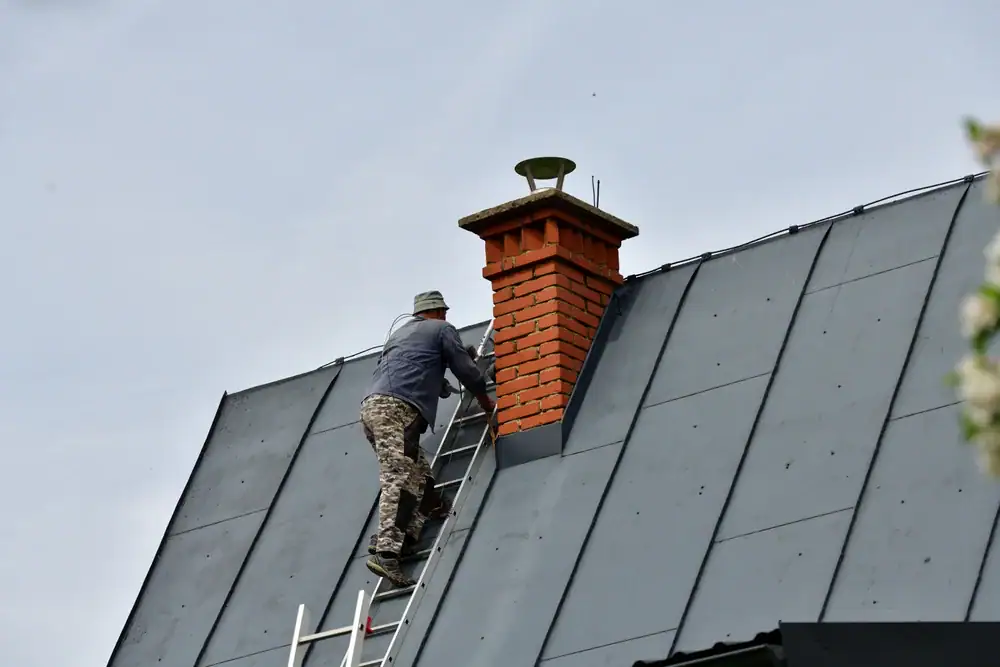
First, we come out and inspect the entire chimney structure. That means the crown, the flashing, the masonry, the chimney cap, and the interior flue liner if needed. We’re looking for cracks, loose mortar joints, corroded metal components, and any signs of water infiltration. You get a clear explanation of what’s damaged, why it’s happening, and what it’ll take to fix it properly.
If you need chimney masonry repair, we’re repointing the mortar joints and replacing damaged bricks with materials that match your existing structure. If the flashing is compromised, we’re installing new step flashing and counter flashing that’s sealed correctly so water can’t get behind it. Chimney crown repair involves rebuilding the top surface with a proper slope and overhang to shed water away from the masonry.
We use quality materials designed for coastal environments. That means stainless steel components that resist salt air corrosion and sealants that hold up to temperature swings and UV exposure. The work is done by licensed contractors who’ve handled hundreds of chimneys across Long Island. No shortcuts, no temporary fixes that fail in a year.
Once the repair is complete, you have a chimney that vents safely, keeps water out, and stands up to the weather Westhampton throws at it. You’re not wondering if it’ll make it through the next storm. You know it will.

Ready to get started?
Chimney flashing repair is one of the most common services we provide in Westhampton. Flashing is the metal barrier between your chimney and roof that keeps water from seeping into your home. When it corrodes or pulls away from the masonry, you get leaks that damage ceilings, walls, and attic insulation. We remove the old flashing, install new corrosion-resistant material, and seal every joint so water has nowhere to go but down the roof.
Masonry work addresses the bricks and mortar that make up your chimney structure. Freeze-thaw cycles cause mortar to crack and crumble. Once that starts, water gets deeper into the chimney and the damage spreads fast. Repointing involves removing deteriorated mortar and replacing it with fresh material that bonds properly and matches the existing color. If bricks are damaged, we replace them with matching units so the repair blends in.
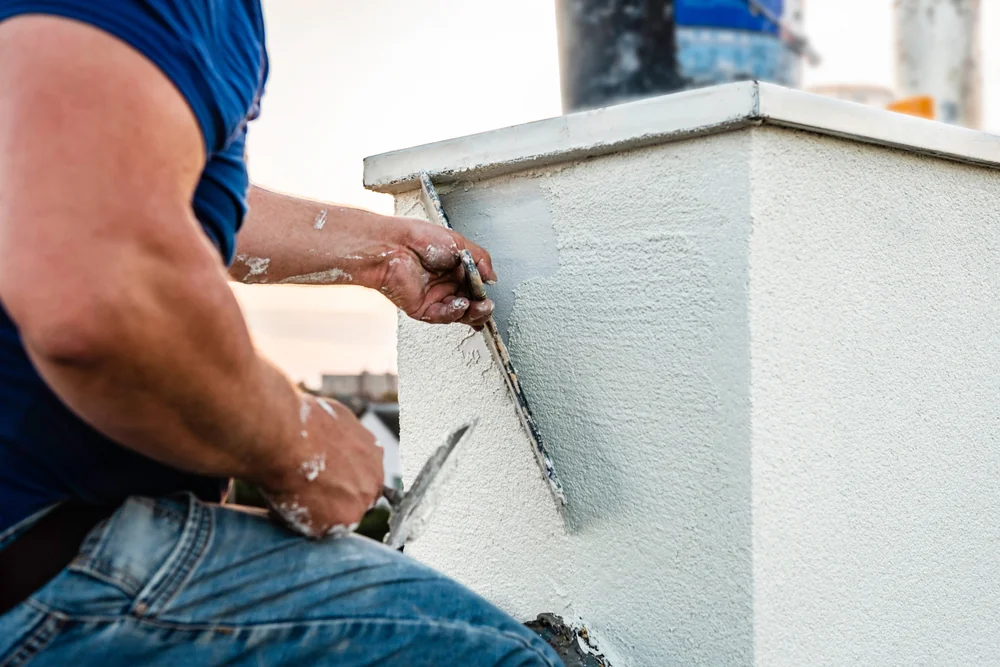
Chimney crowns take a beating in coastal areas. The crown is the concrete top that covers the chimney and protects the masonry below. Cracks in the crown let water straight into the structure. We rebuild crowns with the right slope and overhang, then apply a waterproof sealant that flexes with temperature changes instead of cracking.
Westhampton homeowners deal with specific challenges other areas don’t face as intensely. The salt air here shortens the lifespan of metal components. The freeze-thaw cycles are more frequent because of proximity to the ocean. Your chimney needs repairs designed for these conditions, not generic solutions that work fine in other climates but fail here in three years.
Most chimney repairs in Westhampton run between $800 and $2,500 depending on what’s damaged and how extensive the work is. Chimney flashing repair typically costs $800 to $1,500 because it involves removing old flashing, installing new corrosion-resistant material, and sealing all the joints properly. Repointing mortar joints costs $1,000 to $2,500 depending on how much of the chimney needs work. Chimney crown repair usually runs $900 to $1,800 for a proper rebuild with waterproof sealant.
The cost depends on how early you catch the problem. A small crack in the crown that gets fixed now might cost $900. Wait two years and let water damage the masonry below, and you’re looking at $8,000 to $10,000 for a partial rebuild. Coastal conditions in Westhampton accelerate damage, so small problems become big problems faster than they would inland.
You’re not paying for the cheapest fix. You’re paying for materials that hold up to salt air and freeze-thaw cycles, and for contractors who know how to install them correctly. The goal is a repair that lasts ten to fifteen years, not something that fails after the next winter and needs to be redone.
Chimney leaks usually come from damaged flashing, cracked crowns, or deteriorated mortar joints. Flashing is the most common culprit. It’s the metal seal between your chimney and roof, and when it corrodes or pulls away from the masonry, water runs straight into your home. You’ll see water stains on the ceiling near the chimney or in the attic around the chimney base.
Fixing a flashing leak means removing the old flashing completely, not just sealing over it with caulk. We install new step flashing that’s woven into the roof shingles and counter flashing that’s embedded into the chimney masonry. Every joint gets sealed with high-grade sealant that stays flexible in temperature swings. Done right, new flashing keeps water out for fifteen years or more.
Cracked chimney crowns also cause leaks. The crown is the concrete top that covers the chimney. Cracks let water into the masonry, where it freezes, expands, and makes the cracks bigger. We rebuild the crown with proper slope and overhang, then apply waterproof sealant. Mortar joint leaks happen when the mortar between bricks deteriorates. Water seeps through the gaps and damages the interior structure. Repointing those joints stops the leak and prevents further damage.
Salt air accelerates corrosion of metal components like flashing, chimney caps, and dampers. What might last fifteen years inland gives you eight to ten years in Westhampton. The salt gets into every crevice and eats away at metal, even stainless steel, though it holds up much better than standard galvanized materials.
Freeze-thaw cycles happen more frequently near the coast because of temperature fluctuations. Water gets into small cracks in the masonry or mortar joints. When it freezes, it expands by 9%, creating internal pressure that widens the cracks. Then it thaws, more water gets in, and the cycle repeats. Each winter makes the damage worse. By spring, what started as a hairline crack is now a structural issue.
Nor’easters hit Westhampton hard. High winds and driving rain test every seal on your chimney. If the flashing isn’t installed correctly or the crown has cracks, you’ll find out during the next big storm. Coastal homes need chimney repairs designed for these conditions. That means corrosion-resistant materials, proper sealing techniques, and construction methods that account for the weather patterns specific to this area. Generic repairs don’t hold up here.
Spring and early fall are the best times to schedule chimney repair in Westhampton. Spring lets you address any damage that happened over winter before it gets worse. Early fall, especially September, gives you time to get the work done before the busy season hits in October and November when everyone suddenly remembers they need their chimney ready for winter.
Waiting until October means longer wait times and scheduling delays. Chimney repair companies get slammed in the fall because that’s when homeowners start using their fireplaces and realize something’s wrong. If you call in September, you get better availability and the work gets done before cold weather makes repairs more difficult.
Weather matters for chimney work. Mortar and sealants need specific temperature ranges to cure properly. Trying to do masonry repair in January when it’s below freezing doesn’t work well. The materials don’t bond correctly and you end up with a repair that fails prematurely. Spring and early fall give you the right conditions for quality work that actually lasts.
If you’re seeing active leaks or obvious damage, don’t wait for the ideal season. Get it fixed now before water damage spreads to your interior walls, ceilings, or attic insulation. Emergency repairs cost more, but they’re cheaper than letting water destroy your home’s structure.
Yes, because you need to know exactly what’s wrong before anyone starts tearing into your chimney. A proper inspection identifies all the damage, not just the obvious stuff you can see from the ground. We’re checking the crown, flashing, masonry, mortar joints, chimney cap, and flue liner. We’re looking for cracks, corrosion, loose components, and any signs of water infiltration or structural issues.
Sometimes what looks like a small flashing problem is actually a cracked crown that’s been leaking for years and damaging the masonry below. Sometimes what you think is a major rebuild is actually just repointing and new flashing. You don’t know until someone who’s done this for years climbs up there and examines the entire structure.
An inspection also prevents unnecessary work. Some chimney repair companies will try to sell you a full rebuild when all you need is targeted repairs. We tell you what actually needs to be fixed and why. You get a clear explanation of the damage, the repair options, and what it’ll cost. Then you decide what makes sense for your home and budget.
Westhampton homeowners are dealing with high-value properties. You want to know exactly what you’re paying for and why it’s necessary. A thorough inspection gives you that information so you can make an informed decision instead of guessing or trusting someone who might be overselling.
Small problems become expensive emergencies. That crack in the crown that would cost $900 to fix today lets water into the masonry. Water freezes, expands, and damages the structure. Two years later you’re looking at $8,000 to $10,000 for a partial rebuild because the damage spread throughout the chimney.
Water infiltration doesn’t just damage the chimney. It damages your home’s interior. You get water stains on ceilings and walls. Insulation in the attic gets soaked and needs replacement. Wood framing around the chimney can rot. Drywall needs repair. What started as a chimney problem becomes a whole-house problem that costs far more to fix.
Damaged chimneys are safety hazards. Cracks in the flue liner can let carbon monoxide and combustion gases into your home instead of venting them outside. Deteriorated mortar and masonry increase the risk of chimney fires because the structure can’t contain the heat properly. These aren’t just property issues. They’re life-safety issues that put your family at risk.
Westhampton’s coastal climate accelerates everything. Damage that might take five years to become critical inland happens in two or three years here. The salt air, freeze-thaw cycles, and storm exposure don’t give you much margin for error. Catching problems early and fixing them correctly is always cheaper and safer than waiting until something fails completely.
Other Services we provide in Westhampton