
Hear From Our Clients

You stop worrying every time it rains. No more water stains creeping down your living room wall after a nor’easter. No more wondering if that crack got worse over the winter or if the cap finally gave out during the last storm.
A full chimney replacement in Montauk means you’re done with the repair-fail-repeat cycle. You get a system built with stainless steel liners that won’t corrode in salt air, marine-grade caps that actually hold up to coastal winds, and masonry designed to handle freeze-thaw cycles without crumbling in five years.
This isn’t about making it look better. It’s about ending the constant maintenance, protecting your home’s structure from water damage, and knowing your family’s safe from carbon monoxide risks and chimney fires. When the work’s done right the first time, you move on with your life.
We work throughout Long Island, from Brookhaven to Montauk, handling the kind of chimney damage that comes standard in coastal towns. We’ve seen what salt air does to galvanized caps and what happens when contractors use materials that weren’t meant for this environment.
We’re licensed professionals who give you upfront pricing before we start. No surprises halfway through the job. No runaround when you ask what something costs.
Most of our work comes from homeowners who tried repairs first and realized they were just delaying the inevitable. We get it. When you’re looking at a $1.5 million property in Montauk, you want the problem actually solved, not temporarily covered up until next winter.
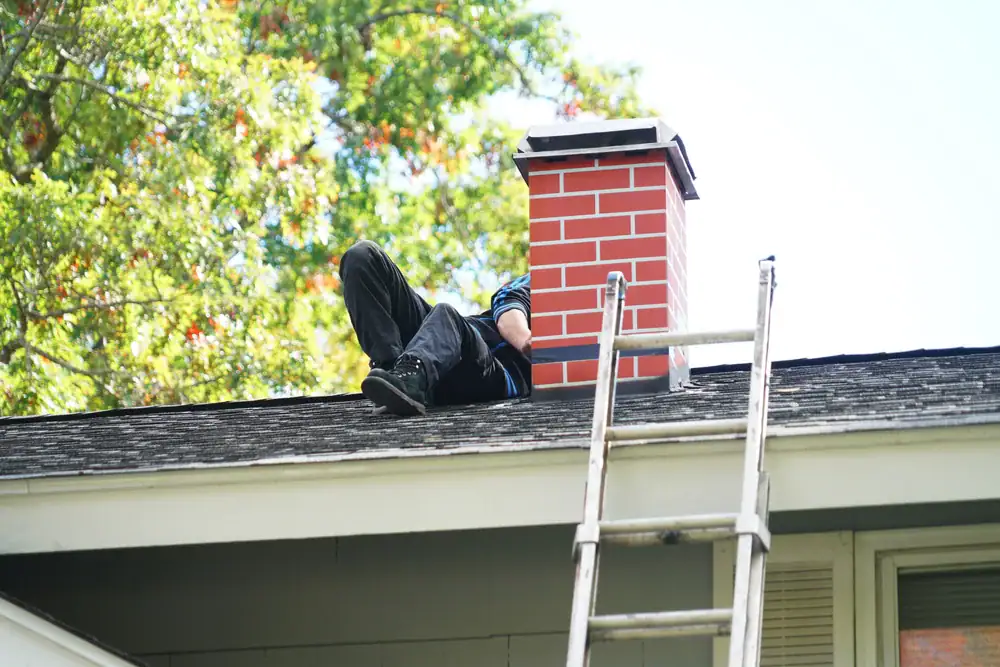
We start with an inspection to see what’s failing and why. Sometimes it’s the cap, sometimes it’s the liner, sometimes the whole stack needs to come down. You need to know what you’re dealing with before anyone starts tearing things apart.
If replacement makes sense, we’ll walk you through what that looks like for your specific chimney. Full tear-off and rebuild. New liner installation. Crown and cap replacement with materials that won’t fail in three years. We price it out completely so you can make the call.
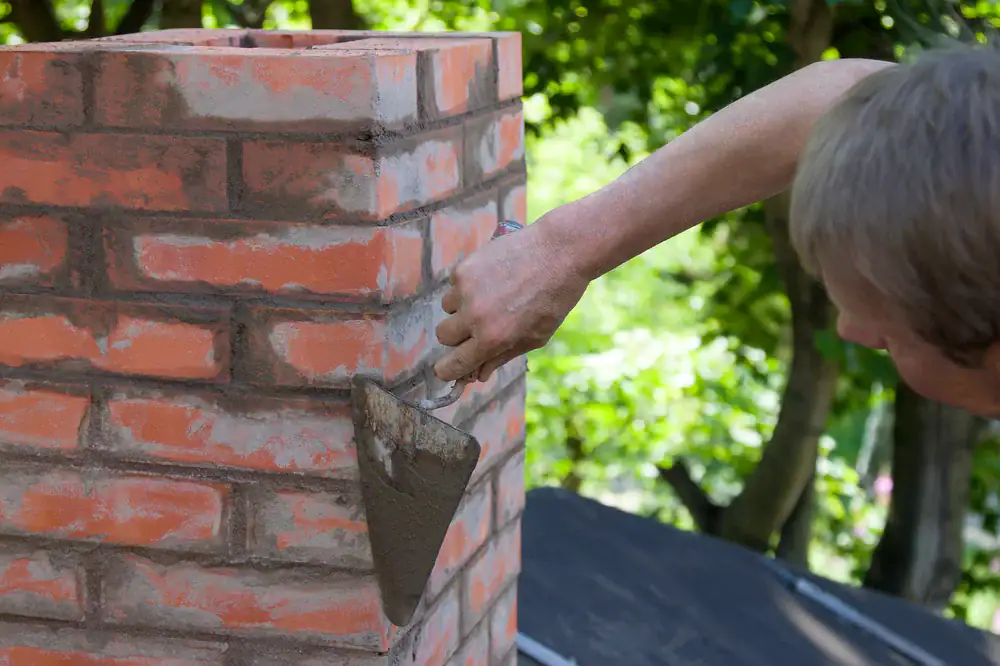
Once you’re ready to move forward, we handle the structural engineering consultation if needed, pull permits, and schedule the work during weather that won’t slow us down. The actual replacement involves removing damaged sections, rebuilding with proper flashing and waterproofing, installing your new liner system, and finishing with a cap designed for Long Island’s coastal conditions.
When we’re done, you get a chimney that works the way it’s supposed to. No leaks. No drafting issues. No wondering if it’ll make it through another winter.

Ready to get started?
Chimney replacement in Montauk isn’t one-size-fits-all. What you need depends on what failed and how your home’s built. But here’s what goes into a complete job.
Chimney liner replacement with stainless steel systems designed for gas appliances and coastal corrosion resistance. These run $1,500 to $4,000 depending on height and complexity, but they give you better insulation, improved draft, and actual safety compared to cracked clay tiles. Chimney cap replacement and crown work using marine-grade materials, not the galvanized stuff that rusts out in Suffolk County’s salt air within a few years.
Full chimney stack replacement when the masonry’s too far gone. That’s common in Montauk’s older homes where freeze-thaw cycles and salt-laden moisture have been working against the bricks for decades. Chimney flashing replacement done right, because most leaks start where the chimney meets the roof, and most flashing jobs are done wrong.
You’re looking at $10,000 to $15,000 for a complete replacement, sometimes more depending on height and access. That’s not cheap. But when you’re spending $500 here and $3,000 there on repairs that don’t last, the math starts making sense pretty quickly.

If you’re fixing the same problems every year or two, replacement probably makes more sense. Water stains that keep coming back, mortar that’s crumbling faster than you can repoint it, caps that need replacing every few winters—these are signs the system’s failing, not just damaged.
Here’s a practical test: add up what you’ve spent on chimney repairs in the last five years. If it’s approaching $5,000 or more, and problems keep showing up, you’re throwing money at something that needs to be rebuilt. A $500 crown repair sounds reasonable until you’re doing it again 18 months later because the underlying structure’s compromised.
In Montauk specifically, salt air accelerates everything. Mortar that might last 30 years inland starts failing in 15. If your chimney’s from the ’70s or earlier and you’re seeing multiple issues—spalling bricks, failed caps, liner damage—replacement gives you another 50-plus years instead of limping along season to season.
Materials matter more here than they do inland. Standard galvanized caps fail fast in Montauk because salt air eats through them. You need stainless steel or copper—materials that cost more upfront but actually survive Long Island’s coastal environment.
The same goes for liners and mortar. Salt-laden moisture gets into masonry, crystallizes, and creates internal pressure that cracks everything from the inside out. That’s why you see chimneys that look okay from the street but are crumbling when you get up close. Coastal replacement means using mortar mixes and waterproofing systems designed for this specific kind of deterioration.
Freeze-thaw cycles hit harder here too. Water gets into cracks, freezes during those brutal January cold snaps, expands, and makes everything worse. A chimney replacement in Montauk has to account for that constant expansion and contraction, which means better flashing, proper crown slope for drainage, and materials that can handle the stress without failing in five years.
Most full replacements take three to five days depending on the chimney’s height, how much needs to come down, and whether we hit weather delays. Partial replacements—like liner installation or cap and crown work—can be done faster, sometimes in a day or two.
Weather’s the main variable. We’re not tearing your chimney apart if there’s rain in the forecast, because exposing your home’s interior to the elements defeats the purpose. Summer and early fall are ideal for this kind of work in Montauk—stable weather, no rush to get the fireplace running, and better conditions for mortar curing.
If we need a structural engineer consultation, that adds time to the front end but not to the actual construction. Permits typically process within a week or two. Once we start the physical work, you’ll see progress daily. We’re not the kind of crew that shows up, tears things apart, and disappears for a week. We finish what we start.
It depends on what caused the damage. Insurance typically covers chimney replacement if it’s from a covered event—storm damage, lightning strikes, fire. They don’t cover normal wear and tear, which is what most chimney deterioration falls under, especially in coastal areas where salt air and freeze-thaw cycles are just part of owning a home.
If a nor’easter took out your cap or a tree fell on your chimney, file the claim. If it’s been slowly crumbling for years and finally got bad enough to need replacement, that’s on you. Insurance companies consider that deferred maintenance, not a covered loss.
Here’s what helps: regular inspections and documented repairs. If you can show you’ve been maintaining the chimney and something sudden happened, you’ve got a better case. If you ignored problems for a decade and now the whole thing’s collapsing, don’t expect a check. Either way, get the inspection and estimate first so you know what you’re dealing with before you involve insurance.
Liner replacement means the chimney structure stays, but you’re installing a new stainless steel liner inside the existing flue. This runs $1,500 to $4,000 and makes sense when your masonry’s solid but the clay tiles are cracked or you’re switching from wood to gas and need proper venting. It’s less invasive and costs less than tearing everything down.
Full chimney replacement means we’re taking the stack down to the roofline or further and rebuilding it. You need this when the masonry itself is failing—spalling bricks, deteriorated mortar, structural cracks. At that point, a new liner doesn’t fix the underlying problem. You’re just putting new components in a failing system.
In Montauk, we see both. Newer chimneys with liner issues can get away with liner replacement. Older chimneys that have been battling salt air and freeze-thaw cycles for 40-plus years often need the full rebuild. The inspection tells you which one you’re looking at. If the structure’s compromised, there’s no shortcut that actually works long-term.
Not if there’s structural damage, liner cracks, or water infiltration. Using a compromised chimney risks carbon monoxide backing up into your home, chimney fires from creosote buildup in damaged flues, or making existing damage worse. If we’ve told you it needs replacement, don’t light fires until it’s fixed.
If you’re just waiting on scheduling and the chimney’s been cleared as temporarily safe, that’s different. But most chimneys that need full replacement have safety issues that make using them a bad idea. Cracked liners don’t vent properly. Damaged crowns let water in, which leads to more deterioration every time you heat and cool the flue.
Here’s the thing: Montauk winters are cold, and we get that you want your fireplace working. But a house fire or a carbon monoxide incident isn’t worth it. If you need heat, use your furnace. If you want ambiance, get a space heater. Wait for the replacement to be done, then use your fireplace as much as you want without worrying about what’s happening inside that chimney.
Other Services we provide in Montauk