

Hear From Our Clients
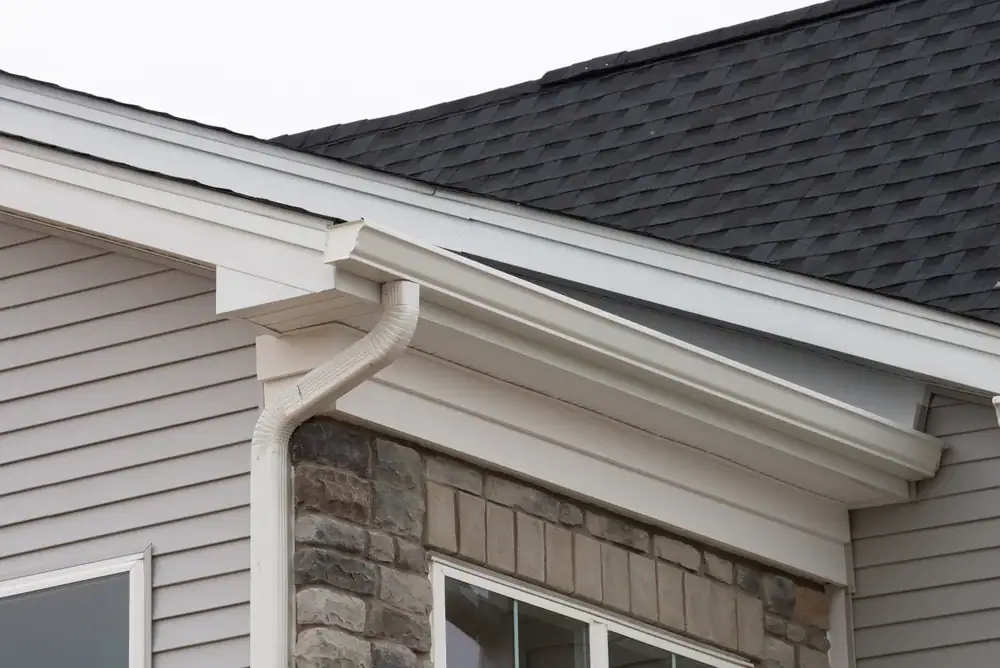
You stop worrying about water stains on your ceiling. You stop wondering if that small crack is going to turn into a $5,000 problem next winter. You get to enjoy your fireplace without the nagging thought that something’s wrong behind the bricks.
Most chimney problems start small. A little gap in the flashing. A hairline crack in the crown. Mortar that’s starting to crumble from years of salt air exposure. Left alone, these turn into rotted roof decking, mold in your walls, and structural damage that costs serious money to fix.
When we repair your chimney, you’re not just patching a leak. You’re protecting one of the biggest investments you’ll ever make. In Montauk, where median home values push past $1.5 million, a $600 repair today beats a $15,000 emergency rebuild next year. That’s not a scare tactic. That’s what happens when water gets inside and sits there all winter.
Home Team Construction isn’t new to Long Island. We’ve spent over 15 years working on homes from Brookhaven to Montauk, and we’ve seen what coastal weather does to chimneys. The salt air, the Nor’easters, the freeze-thaw cycles—it all adds up.
We’re licensed, insured, and we don’t cut corners. When we say we’ll use stainless steel flashing or copper caps, that’s what goes on your roof. Not the cheaper option. Not the “good enough” version. The kind that lasts 20+ years in coastal conditions.
You’re not hiring a national chain that subcontracts the work. You’re hiring a local crew that lives here, works here, and has to look you in the eye if something goes wrong. That matters more than most people realize until they need it.
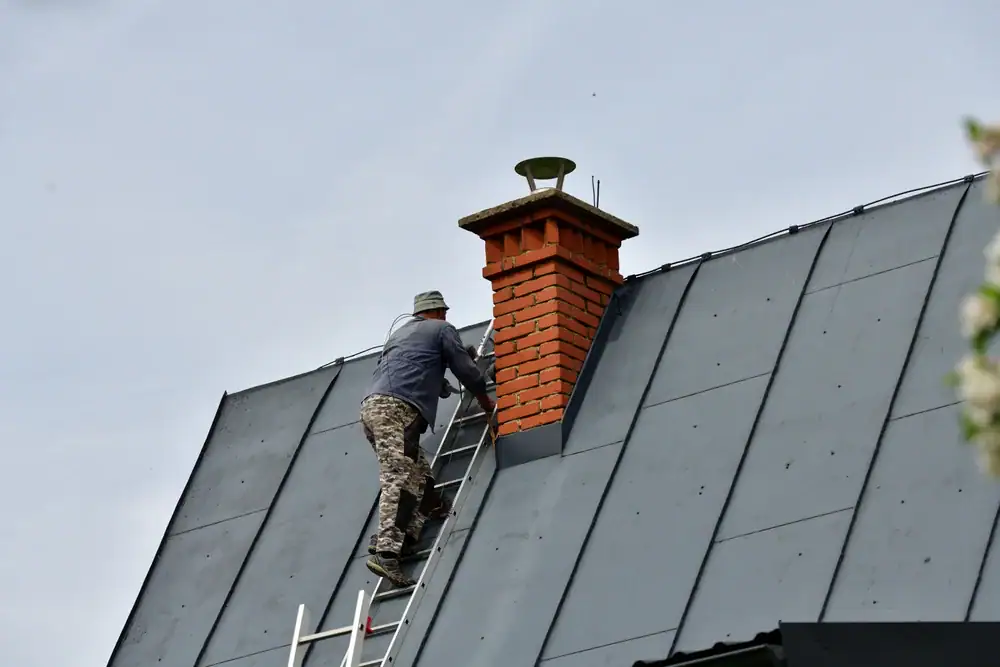
First, we come out and actually look at your chimney. Not a quick glance from the ground—we get up there and inspect the crown, the flashing, the mortar joints, the cap, everything. We take photos so you can see exactly what we’re seeing.
Then we tell you what’s wrong and what it’ll cost to fix. No runaround. No “we’ll need to open it up to know for sure.” If your flashing failed, we tell you that. If the masonry needs repointing, we explain why and show you the damage. If it’s something you can wait on, we’ll say that too.
Once you approve the work, we schedule it and show up when we say we will. We fix what needs fixing using materials designed for coastal conditions—stainless steel liners, copper or stainless caps, proper flashing that won’t corrode in three years. We clean up when we’re done, and we make sure you understand what we did and why it’ll hold up.
The whole process usually takes a day or two depending on the scope. You’re not waiting weeks for us to fit you in, and you’re not dealing with a crew that disappears halfway through the job.

Ready to get started?
Chimney flashing repair is usually where we start, because that’s where most leaks begin. Flashing is the metal seal between your chimney and your roof, and in Montauk’s salt air, it corrodes faster than you’d think. We remove the old flashing, install new copper or stainless steel, and seal it properly so water can’t sneak through.
Masonry repair covers the bricks and mortar. If your mortar joints are crumbling or your bricks are cracked, water’s getting in. We repoint the joints with fresh mortar and replace damaged bricks. This isn’t cosmetic—it’s structural. Bad masonry lets water into your home’s framing, and that’s where the expensive damage happens.
Crown repair and cap installation round out most jobs. The crown is the concrete top of your chimney, and it cracks over time. We rebuild it when needed. The cap keeps rain and animals out of your flue. A good stainless or copper cap lasts decades and saves you from water damage and pest problems.
We also handle chimney liner installation when the old liner’s compromised. If you’re burning wood or oil, a damaged liner is a safety issue. We install stainless steel liners that meet code and protect your home from heat and combustion gases.
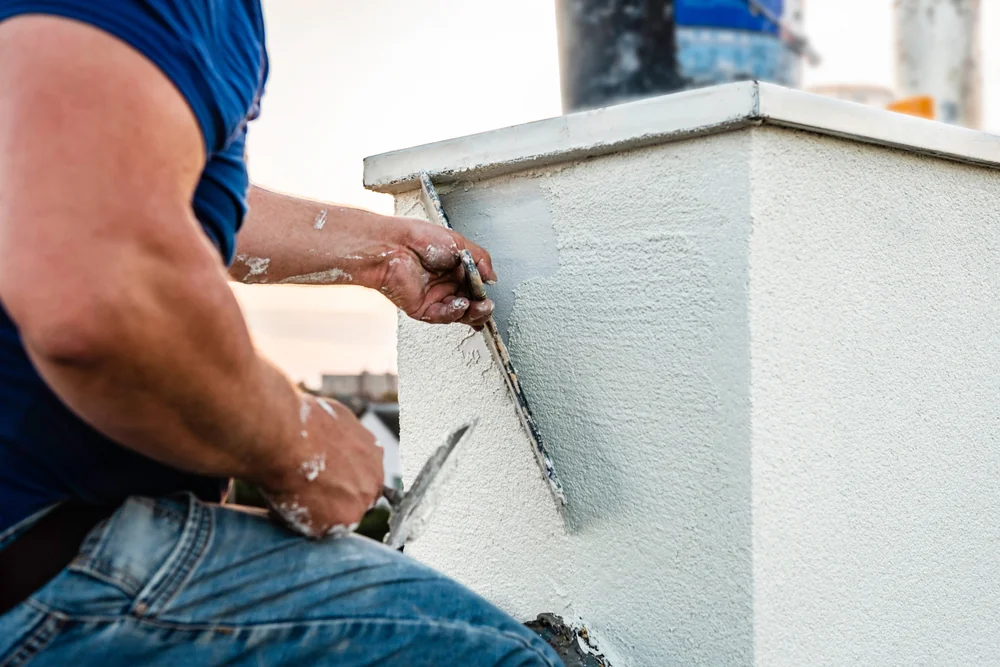
Most chimney repairs in Montauk run between $600 and $1,500 depending on what’s wrong. Simple flashing repairs or minor mortar work might cost $400 to $750. More involved jobs—like rebuilding a crown, replacing a liner, or doing extensive masonry restoration—can run $1,500 to $4,000 or more.
The price depends on the damage, the materials, and how accessible your chimney is. A straightforward flashing replacement on a single-story ranch costs less than the same repair on a steep two-story roof. Copper flashing costs more than aluminum but lasts twice as long in salt air, so it’s usually worth it.
We give you a clear price before we start. No surprises, no “we found more problems” upcharges unless we genuinely uncover hidden damage—and if we do, we show you photos and explain why it matters before adding anything to the bill.
If the structure is sound and the damage is localized, you’re looking at repair. If the whole thing is leaning, the bricks are spalling badly, or the interior is compromised, you might need a rebuild. Most chimneys just need targeted fixes—new flashing, repointed mortar, a rebuilt crown.
Signs you need repair: water stains on your ceiling near the chimney, white staining on the bricks (efflorescence), pieces of mortar in your fireplace, a rusty damper, or a cap that’s falling apart. These are fixable problems that don’t require tearing the whole thing down.
Signs you might need replacement: the chimney is visibly leaning, large sections of brick are loose or missing, there’s structural damage to the flue, or a mason’s already told you the thing is unsafe. Even then, a partial rebuild often works. We’ll tell you honestly what makes sense after we inspect it.
Most leaks start at the flashing. That’s the metal seal where your chimney meets the roof, and it takes a beating from weather. In Montauk, salt air accelerates corrosion. The flashing rusts, the sealant cracks, and water finds its way in. We fix this by removing the old flashing and installing new copper or stainless steel with proper counter-flashing and waterproof sealant.
Cracked crowns are another common culprit. The crown is the concrete cap on top of your chimney, and freeze-thaw cycles crack it over time. Water seeps into those cracks and runs down inside your chimney. We rebuild the crown with a proper slope and overhang so water sheds away from the bricks.
Damaged mortar joints and porous bricks also let water in. Old mortar crumbles, and some bricks absorb water like a sponge, especially after decades of coastal exposure. We repoint the mortar and replace compromised bricks. A missing or damaged chimney cap makes everything worse because rain pours straight down the flue. We install stainless or copper caps that keep water and animals out for good.
Copper flashing lasts 25 to 50 years in coastal conditions if it’s installed correctly. Stainless steel flashing lasts 20 to 30 years. Aluminum flashing, which some contractors use because it’s cheaper, might give you 10 to 15 years before the salt air eats through it. That’s why we don’t use aluminum in Montauk.
The key is proper installation. Flashing needs to be counter-flashed, meaning there’s a two-piece system where one piece tucks under your shingles and the other piece overlaps it and tucks into the chimney mortar. This creates a water-shedding system that doesn’t rely on sealant alone. Sealant helps, but it’s not the primary defense.
We also make sure the flashing has the right profile and overlaps. Shortcuts here mean leaks in five years instead of 25. You’re paying for materials that match Montauk’s environment and installation that doesn’t cut corners. That’s how you get flashing that actually lasts.
You can handle minor stuff like replacing a chimney cap if you’re comfortable on a ladder and the cap just unbolts. But flashing repair, masonry work, and anything involving the crown or liner? That’s not a DIY job unless you’ve done it before and know what you’re doing.
Flashing has to integrate with your roofing system correctly or it’ll leak worse than before. Mortar needs the right mix and application technique, especially in coastal areas where the wrong mortar will crumble in a few years. Crown repairs require proper sloping and reinforcement. Liner installation involves code compliance and safety concerns—if it’s wrong, you’re risking carbon monoxide issues or a chimney fire.
The bigger issue is safety. Roofs are dangerous, especially steep ones or two-story homes. One slip and you’re looking at a hospital bill that makes our repair cost look like pocket change. We’re insured, we have the right equipment, and we do this every day. For most homeowners, hiring a pro just makes sense.
Late spring through early fall is ideal because the weather’s more predictable and materials cure properly. Mortar and sealants need temperatures above 40 degrees to set correctly, and you don’t want rain in the forecast while we’re mid-job with your chimney opened up.
That said, we work year-round because leaks don’t wait for good weather. If your chimney’s leaking in January, we’ll get out there and fix it. We just have to work around temperature requirements for certain materials and plan around storms. Emergency repairs sometimes mean temporary solutions until conditions allow for permanent fixes.
If your chimney’s not actively leaking, spring or summer is your best bet. You’ll have more scheduling flexibility, better weather, and we can take our time doing it right without racing against a Nor’easter. But if you’re seeing water stains or damage now, don’t wait six months. Small problems turn into big ones fast, and the cost of waiting usually exceeds the cost of fixing it in less-than-perfect weather.
Other Services we provide in Montauk