Hear From Our Clients

You’ve already spent enough on patches and quick fixes. Every winter, the same problems come back—smoke backing up into your living room, water stains spreading across your ceiling, that nagging worry every time you light a fire.
Here’s what most contractors won’t tell you: Long Island’s coastal climate destroys chimneys faster than anywhere else. Salt air corrodes masonry. Freeze-thaw cycles crack mortar joints. What takes 30 years to fail inland fails here in 10 to 15 years.
A complete chimney replacement stops the cycle. No more emergency calls during the first cold snap. No more watching water damage spread into your roofline, insulation, and walls. You get a system built specifically for Suffolk County weather—one that actually lasts.
Your fireplace works when you need it. Your roof stays dry. Your family stays safe from carbon monoxide and structural hazards. That’s what happens when the job gets done right the first time.
We’ve spent over a decade solving exterior problems for Kings Park homeowners. We’re not a franchise or a national chain. We’re local contractors who understand exactly what Long Island weather does to chimneys, roofs, and siding.
Most homes in Kings Park were built in the 1950s. That means chimneys pushing 60+ years old, well past their expected lifespan. We’ve replaced dozens of them, and we know the warning signs before most homeowners even notice the problem.
Every crew member is licensed and insured. We pull proper permits. We use marine-grade materials designed for coastal climates. And we give you clear estimates before we start—no surprises, no upselling, no shortcuts that come back to haunt you three winters later.
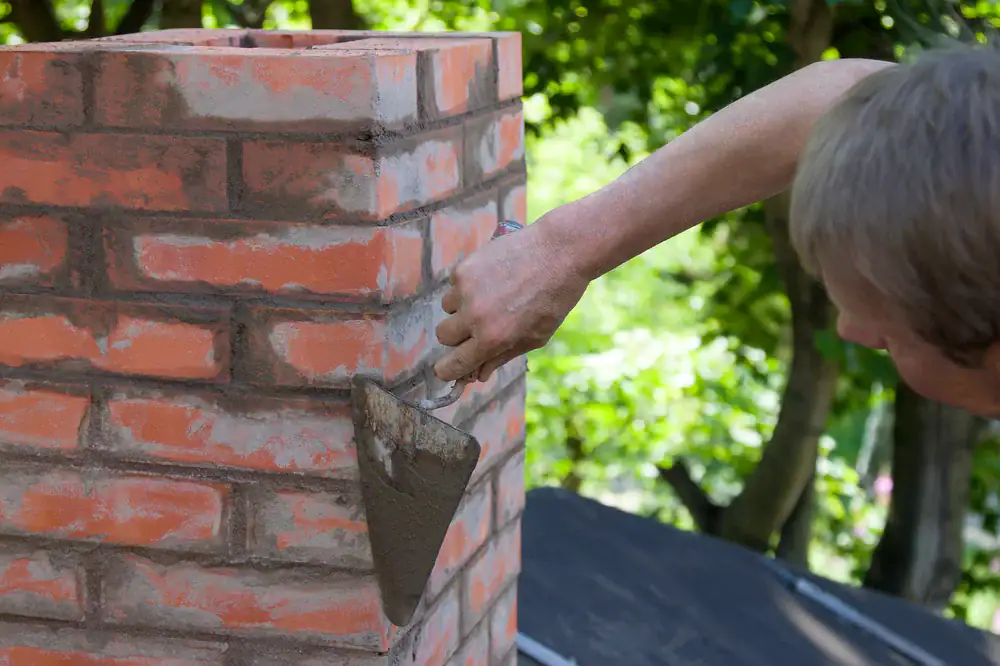
We start with a full inspection of your existing chimney—checking the flue, the cap, the flashing, the masonry, and the structural integrity. You get a detailed breakdown of what needs replacing and why, with photos if needed.
Once you approve the estimate, we schedule the work around your timeline and Long Island’s weather. We protect your roof and property before we start demolition. Then we carefully remove the old chimney down to the roofline, checking for hidden water damage or structural issues along the way.
The rebuild uses materials rated for coastal exposure—brick or stone that resists salt air, stainless steel flue liners, and copper or lead-coated flashing that won’t corrode. We install a quality chimney cap to keep water and wildlife out. Every joint gets properly sealed.
Before we leave, we clean up completely and walk you through the finished work. You’ll know exactly what we did and how to maintain it. Most replacements take two to four days depending on height and complexity, and you’re left with a chimney that’s built to handle whatever Long Island throws at it.

Ready to get started?
A complete chimney replacement means tearing out the old system and rebuilding it correctly. That includes chimney stack replacement, chimney liner replacement, chimney flashing replacement, and chimney cap replacement—everything from the roofline up.
In Kings Park, we’re dealing with homes that face constant exposure to salt air blowing in off Long Island Sound. Standard materials don’t cut it. We use stainless steel liners that won’t corrode, marine-grade flashing that seals tight against coastal storms, and caps designed to handle heavy snow loads and high winds.
The average chimney replacement in Suffolk County runs between $9,000 and $15,000 depending on height, accessibility, and materials. That’s a significant investment—but compare it to the alternative. Water damage from a failing chimney can cost you thousands in roof repairs, interior restoration, and mold mitigation. A cracked flue puts your family at risk from carbon monoxide poisoning.
You’re not just getting a new chimney. You’re getting a system engineered for Long Island’s freeze-thaw cycles, built by licensed contractors who’ve done this hundreds of times, and backed by proper permits and insurance. It’s the difference between a fix that lasts five years and one that lasts 30.

If you’re seeing spalling—where brick faces are literally breaking away from the structure—that’s a sign the damage has gone too deep for simple repairs. Same goes for large vertical cracks running through the masonry, a chimney that’s leaning or separating from the house, or extensive water damage inside your home.
Most homeowners don’t discover these problems until smoke starts backing up into their living room or water stains appear on the ceiling. By that point, the damage has usually been active for months. A professional inspection tells you exactly where you stand.
Here’s the reality: if more than 25% of your chimney needs repair, replacement often makes more financial sense. You’re not just fixing the visible damage—you’re addressing the underlying structural issues that caused it. In Kings Park’s coastal climate, that usually means starting fresh with materials built to last.
Two main culprits: salt air and freeze-thaw cycles. Salt particles from coastal winds settle into your masonry and absorb moisture. That moisture freezes during winter, expands by about 9%, and cracks the brick and mortar from the inside out. It’s relentless.
What might take 30 years to destroy a chimney in a dry climate happens here in 10 to 15 years. Add in Long Island’s heavy storms, high winds, and temperature swings, and your chimney takes a beating that most building materials weren’t designed to handle.
That’s why using standard materials on a coastal chimney replacement is a mistake. You need marine-grade components—stainless steel liners, copper or lead-coated flashing, and masonry sealants rated for salt exposure. Otherwise, you’re just rebuilding the same problem.
A chimney liner replacement means installing a new flue liner inside your existing chimney structure—usually stainless steel or cast-in-place cement. This works if your masonry is still structurally sound but the old clay liner has cracked or deteriorated.
Full chimney replacement tears everything down to the roofline and rebuilds from scratch. You’re getting new masonry, new liner, new flashing, new cap—the entire system. This is necessary when the brick or stone has failed, when the chimney is leaning, or when water damage has compromised the structure.
A liner replacement might cost $2,000 to $5,000. A full replacement runs $9,000 to $15,000. The question is whether your existing structure can support a new liner or if it’s too far gone. We can tell you after a proper inspection—and we’ll recommend the option that actually solves your problem, not the one that makes us the most money.
Most residential chimney replacements take two to four days depending on the height of your chimney, accessibility, and weather conditions. A single-story ranch with easy roof access goes faster than a two-story colonial with a steep pitch.
We can’t work in heavy rain or high winds—it’s a safety issue and a quality issue. Long Island weather can be unpredictable, especially during spring and fall. We’ll give you a realistic timeline upfront and keep you updated if conditions force us to pause.
The actual work breaks down like this: day one is usually demo and prep, day two is rebuilding the stack and installing the liner, day three is finishing masonry and flashing, and day four is final details and cleanup. Smaller jobs might compress into two days. Taller chimneys or complex flashing situations might stretch to five. You’ll know the schedule before we start.
Not immediately. Fresh mortar needs time to cure—usually about a week in good weather, longer if it’s cold or humid. Using your fireplace too soon can cause the mortar joints to crack or fail, which defeats the entire purpose of the replacement.
We’ll tell you exactly when it’s safe to light your first fire. For most replacements completed in spring or summer, you’re good to go by the time heating season starts. If we’re doing the work in late fall, you might need to wait until the mortar has fully cured before using the fireplace.
Once the cure time is complete, your new chimney is ready for regular use. You’ll want to schedule annual inspections and cleanings—the National Fire Protection Association recommends it, and it’s especially important on Long Island where salt air and weather can accelerate wear. But you’re starting with a system built to handle decades of use, not one that’s already halfway to failure.
We assess the full extent during the inspection. Water from a failing chimney often travels—into your attic insulation, down interior walls, across ceiling joists, even into your home’s framing. If we find damage beyond the chimney itself, we’ll tell you exactly what needs attention.
We handle exterior work, so we can address roof repairs, flashing issues, and siding damage that resulted from the chimney failure. For interior restoration or mold remediation, we’ll recommend trusted local contractors who can handle that side of the project.
The key is stopping the source—which is the chimney replacement—before the water damage gets worse. Every storm that hits after your chimney starts failing spreads the problem further. The sooner you address it, the less collateral damage you’re dealing with. We’ve seen situations where a $10,000 chimney replacement could have prevented $30,000 in roof and interior repairs if the homeowner had acted six months earlier.
Other Services we provide in Kings Park