

Hear From Our Clients
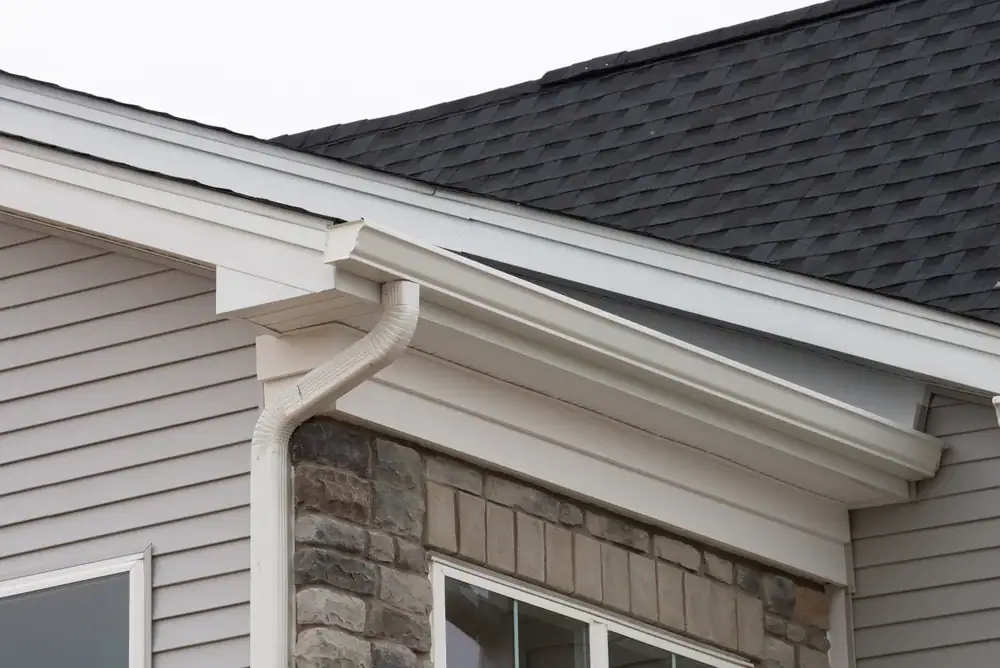
That water stain on your ceiling isn’t going away on its own. It’s getting worse every time it rains, and the longer you wait, the more expensive the fix becomes.
Chimney leaks start small. A crack in the crown. Worn flashing around the base. Mortar that’s crumbling from years of freeze-thaw cycles and salt air. But water doesn’t stay small. It seeps into your walls, damages your framing, ruins insulation, and creates mold problems that affect your family’s health.
We fix the source. Chimney flashing repair, crown rebuilds, tuckpointing, waterproofing—whatever your chimney needs to keep water out and your home dry. You get a detailed assessment, transparent pricing, and repairs that last because we use materials built for coastal conditions. No more stains. No more worry about what’s happening inside your walls every time it storms.
Home Team Construction has spent over a decade working on homes throughout Suffolk County. We’re licensed, insured, and local—which means we’ve seen what nor’easters, humidity, and salt air do to chimneys in Kings Park.
We’re not a cleaning service that dabbles in repairs. We’re construction professionals who handle everything from minor mortar work to complete chimney rebuilds. When you call us, you show up on time, explain what’s wrong in plain language, and give you options that make sense for your budget and your home.
You’re not getting oversold. You’re getting honest answers from people who live and work in the same weather you do.
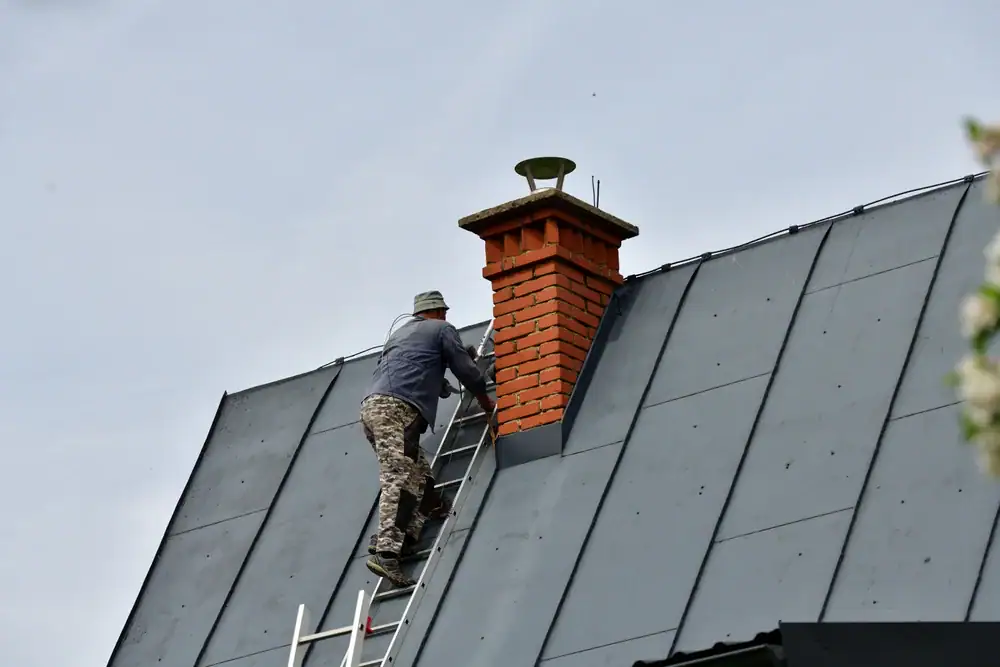
First, we schedule an inspection at a time that works for you. One of our team members comes out, climbs up, and checks your chimney from top to bottom. We’re looking at the crown, the flashing, the mortar joints, the bricks—everything that could be letting water in or compromising the structure.
We take photos so you can see what we’re seeing. Then we walk you through what needs to be fixed and why. No jargon. No scare tactics. Just a clear explanation of the problem and what it’ll take to solve it. You get a written estimate that breaks down materials and labor.
Once you approve the work, we protect your property, complete the repairs using quality materials designed for Long Island weather, and clean up completely when we’re done. You get a guarantee on both the materials and the labor because we stand behind what we build. If something doesn’t hold up the way it should, we come back and make it right.

Ready to get started?
Chimney crown repair and rebuilds handle the concrete top that seals your chimney. Cracks here let water pour straight down into your home. We rebuild crowns with proper slope and overhang so water runs off instead of soaking in.
Flashing repair seals the gap where your chimney meets your roof. This is one of the most common leak points, especially after storms. We remove old, corroded flashing and install new material that’s sealed tight and built to last.
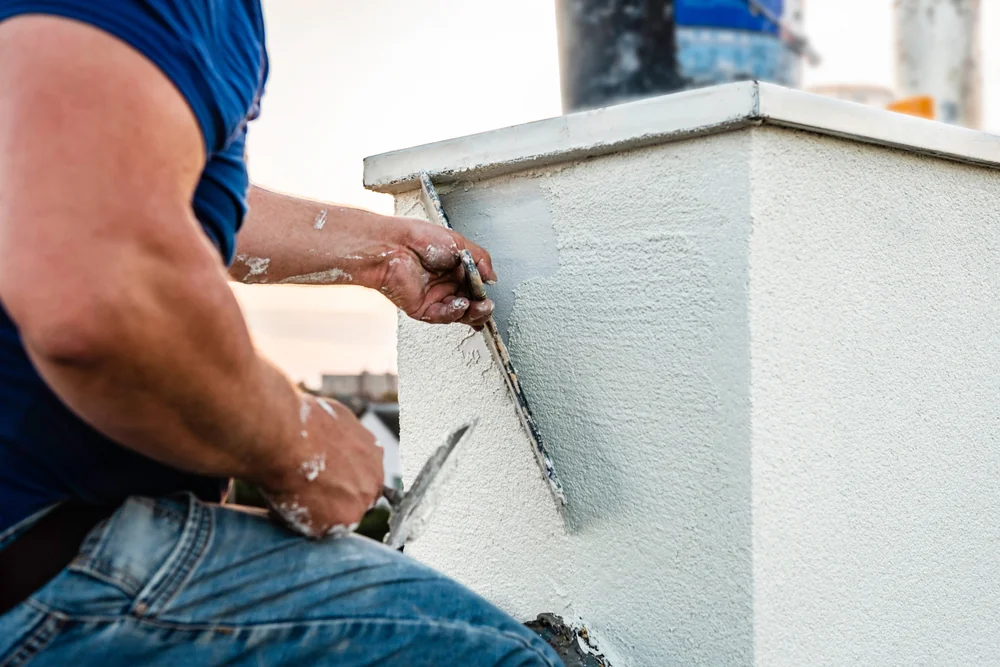
Tuckpointing replaces deteriorated mortar between your bricks. Kings Park’s freeze-thaw cycles destroy mortar joints over time, and once the mortar fails, the bricks start shifting and water gets in. We grind out the damaged mortar and repoint with fresh material that matches your existing chimney.
Chimney waterproofing applies a breathable sealant that keeps water out but lets moisture vapor escape. This is especially important near the coast where salt air accelerates brick deterioration. Waterproofing extends the life of your masonry and prevents spalling.
We also handle chimney cap installation, brick replacement, and structural repairs for chimneys that have suffered serious damage. Every repair is done with an understanding of how Long Island weather affects your home.
Most chimney repairs in Kings Park run between $400 and $2,500, depending on what needs fixing. Crown repairs typically cost $450 to $1,100 for patching, or $900 to $2,200 for a complete rebuild. Tuckpointing and mortar work usually falls between $400 and $2,500 based on how much of the chimney needs repointing. Flashing replacement averages $300 to $1,500.
Waterproofing is one of the more affordable preventive measures at $150 to $500. But if you’re dealing with structural damage—bricks falling apart, major cracks, or a chimney that’s leaning—you could be looking at $3,000 to $10,000 or more for a rebuild.
The real cost comes from waiting. A $500 crown repair turns into a $5,000 water damage problem when you ignore it. We give you a written estimate before we start any work so you know exactly what you’re paying for.
Water stains on your ceiling or walls near the chimney are the biggest red flag. If you see discoloration, peeling paint, or dampness, water is getting in somewhere. Rust on your damper or firebox is another clear sign of moisture problems.
Outside, look for crumbling mortar between bricks, cracks in the crown, or pieces of brick and mortar in your yard or on your roof. If the mortar is recessed more than a quarter inch from the face of the brick, it needs repointing. White staining on the brick—called efflorescence—means water is moving through the masonry and bringing salts to the surface.
Loose or damaged flashing around the base of your chimney lets water run straight into your attic. And if you notice a musty smell in your home or see mold near the chimney, you’ve got a moisture problem that needs immediate attention. Annual inspections catch these issues early when repairs are still affordable.
Salt air is brutal on masonry. Salt draws moisture into brick like a sponge, and when temperatures drop in winter, that moisture freezes and expands. This freeze-thaw cycle cracks mortar and causes bricks to spall—literally crumble and fall apart in chunks.
Kings Park is close enough to the Long Island Sound that salt air affects every chimney in the area. The salt accelerates deterioration that would normally take decades and compresses it into just a few years if the chimney isn’t properly maintained and waterproofed.
Coastal storms and nor’easters also hit chimneys harder than homes farther inland. High winds, driving rain, and temperature swings all contribute to faster wear. That’s why annual inspections and waterproofing are so important here. You’re not being paranoid—you’re being realistic about what the environment does to your home.
You can handle minor cosmetic work like replacing a chimney cap or applying waterproofing sealant if you’re comfortable on a ladder and your chimney is in otherwise good shape. But anything involving mortar, flashing, or structural repairs should be done by licensed chimney contractors.
Tuckpointing looks simple until you’re up there trying to match mortar consistency, color, and application technique. Get it wrong and you trap moisture, make the problem worse, or create weak points that fail in the next storm. Flashing repair requires understanding how water moves across your roof and how to seal penetrations properly—mistakes here lead to leaks that damage your roof deck and framing.
There’s also the safety factor. Chimneys are tall, roofs are steep, and one wrong step puts you in the hospital. We carry insurance for a reason. If you’re not sure whether your repair is DIY-friendly, call us for an inspection. We’ll tell you honestly if it’s something you can handle or if you need professional help.
Most chimney repairs take one to three days depending on the scope of work. Simple jobs like replacing a chimney cap, repairing small sections of flashing, or applying waterproofing can often be done in a few hours.
Crown repairs and rebuilds usually take one to two days because the concrete needs time to cure properly. Tuckpointing depends on how much of the chimney needs repointing—a few joints might take half a day, while repointing an entire chimney could take two to three days.
Major structural repairs or rebuilds take longer, sometimes a week or more if we’re taking down and reconstructing large sections of the chimney. Weather also plays a role. We can’t pour crowns or apply certain sealants in freezing temperatures or rain, so winter repairs sometimes take longer to schedule around conditions. We give you a timeline upfront and keep you updated if anything changes.
Yes. If a storm damages your chimney, bricks are falling, or you have an active leak causing interior damage, call us right away. We prioritize emergency calls and can often get someone out the same day or next day to assess the damage and make temporary repairs to stop further harm.
Emergency repairs might include tarping, temporary flashing, or stabilizing loose masonry until we can schedule the full repair. We understand that chimney damage doesn’t wait for convenient timing, and water damage gets exponentially worse the longer it goes unaddressed.
That said, the best way to avoid emergencies is annual inspections and preventive maintenance. Most of the emergency calls we get are from problems that started small and were ignored until they became urgent. A $500 repair caught early beats a $5,000 emergency every time.
Other Services we provide in Kings Park