Hear From Our Clients

When your chimney is beyond repair, you need complete replacement that eliminates the problem once and for all. No more worrying about carbon monoxide leaks, water damage, or structural collapse threatening your East Shoreham home.
Your new chimney becomes the reliable safety system it should be – properly venting dangerous gases, protecting against water intrusion, and maintaining your home’s value. You get peace of mind knowing your family is safe, your insurance stays valid, and you won’t face emergency repairs during the next storm season.
Built with materials specifically chosen for Long Island’s coastal conditions, your replacement chimney handles salt air, freeze-thaw cycles, and severe weather that destroys standard construction. Professional installation means proper permits, code compliance, and warranties that protect your investment.
We’ve been protecting East Shoreham homes for years because we understand what coastal living does to chimneys. We’re not just another contractor – we’re your neighbors who live and work in Suffolk County.
Our licensed team handles complete chimney replacements using materials designed for Long Island’s unique challenges. Salt air, nor’easters, and freeze-thaw cycles require specific construction methods that many contractors don’t understand.
We’ve earned trust from thousands of Suffolk County residents by delivering exactly what we promise: upfront pricing, professional work, and chimneys that last. When East Shoreham homeowners need their chimney replaced right the first time, they call us.
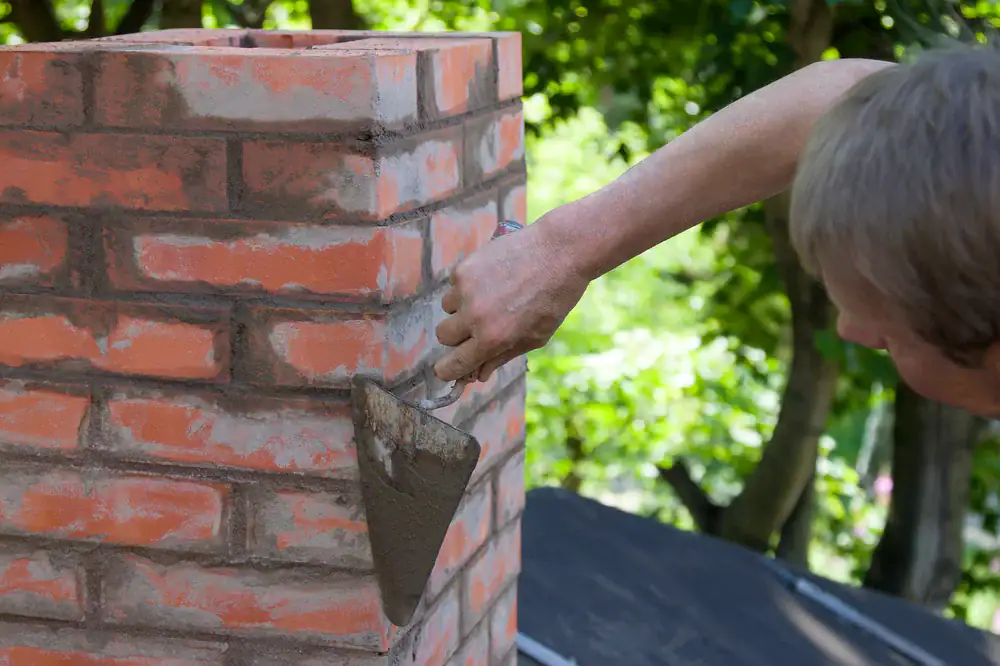
We start with a thorough structural assessment of your existing chimney, identifying exactly why replacement is necessary and what permits we’ll need. You get a detailed, fixed-price estimate that covers everything – no surprises later.
During demolition, we protect your property like it’s our own. Tarps, dust barriers, and careful debris removal mean your landscaping and home stay clean throughout the project. We handle all permit applications and coordinate inspections so you don’t deal with bureaucracy.
Your new chimney gets built using coastal-grade materials and proper construction methods for East Shoreham’s weather conditions. Daily cleanup, progress updates, and systematic installation ensure quality at every step. The job isn’t done until it meets our standards and exceeds your expectations, with warranties backing our work.

Ready to get started?
Your chimney replacement includes complete removal of the failed structure, new foundation work if needed, and installation of a properly-sized system for your home’s heating needs. We use masonry materials specifically chosen for Suffolk County’s coastal environment.
Every replacement includes new flue liner, chimney cap, crown, and flashing designed to handle East Shoreham’s weather patterns. Proper permits, building code compliance, and all required inspections are handled for you – ensuring your insurance stays valid and your home sells without issues.
Many East Shoreham chimneys are over 50 years old and failing due to decades of coastal weather exposure. Your replacement eliminates water damage, structural problems, and safety hazards that repairs can’t fix. Professional installation with local expertise means your new chimney handles nor’easters, salt air, and freeze-thaw cycles that destroy standard construction.

Complete chimney replacement in East Shoreham typically ranges from $8,000 to $15,000, depending on chimney height, materials, and structural complexity. This includes full removal of your old chimney, new construction from foundation up, proper permits, and all required inspections.
Costs vary based on whether you need foundation work, the type of materials selected, and accessibility of your roof. We provide detailed, fixed-price estimates that cover everything – no hidden fees or surprises later. Financing options are available to make quality construction affordable for every budget.
Replace your chimney when repairs would cost more than 50% of replacement value, or when structural problems make repairs ineffective. Signs include leaning chimney, extensive mortar deterioration, multiple cracks, or water damage throughout the system.
Many East Shoreham chimneys are over 50 years old and beyond effective repair. If you’re facing repeated repair needs, water damage, or safety concerns, replacement eliminates problems permanently. A structural assessment determines whether repair or replacement is the most cost-effective solution for your specific situation.
Most chimney replacements in East Shoreham take 3-5 days, depending on chimney size, weather conditions, and permit approval timing. We handle all permit applications before starting work, ensuring smooth progress without delays.
The process includes one day for safe demolition and debris removal, 1-2 days for new construction, and final day for finishing work and cleanup. Weather can extend timelines, but we provide temporary weatherproofing if needed. You’ll get regular updates throughout the project so you know exactly what to expect each day.
East Shoreham’s coastal location requires materials specifically designed for salt air, freeze-thaw cycles, and severe weather. We use high-grade masonry with proper mortar mixes, stainless steel liners, and weatherproof caps designed for marine environments.
Standard construction materials fail quickly in coastal conditions. Our material selection includes brick and mortar designed for Long Island’s climate, proper flashing systems, and components that handle nor’easters without damage. These materials cost more initially but eliminate the repeated repairs common with standard construction.
Yes, we handle all permit applications, building code compliance, and required inspections for your East Shoreham chimney replacement. Suffolk County has specific requirements for chimney construction that we understand completely.
Our permit process includes proper structural calculations, material specifications, and coordination with local building officials. We maintain relationships with inspectors, ensuring smooth approval processes and first-time inspection passes. Proper permits protect your investment and ensure insurance coverage remains valid.
We provide comprehensive warranties covering both materials and workmanship on all chimney replacement projects in East Shoreham. Material warranties range from 10-30 years depending on components, while our workmanship warranty covers installation quality.
Our warranties are backed by our local reputation and years of service to Suffolk County homeowners. If any issues arise from our construction, we return to make it right at no charge. Written warranty terms are provided with every contract, giving you clear protection for your investment.
Other Services we provide in East Shoreham