Chimney Repair in Montauk, NY

Stop Chimney Problems Before They Stop You

Professional chimney repair that actually lasts in Montauk’s harsh coastal conditions—no emergency calls, no water damage, no surprises.
A brick chimney with metal flashing at its base sits on a dark shingled roof; a person's shadow is visible on the shingles nearby, reflecting quality home construction in Suffolk County, NY.

Hear From Our Clients

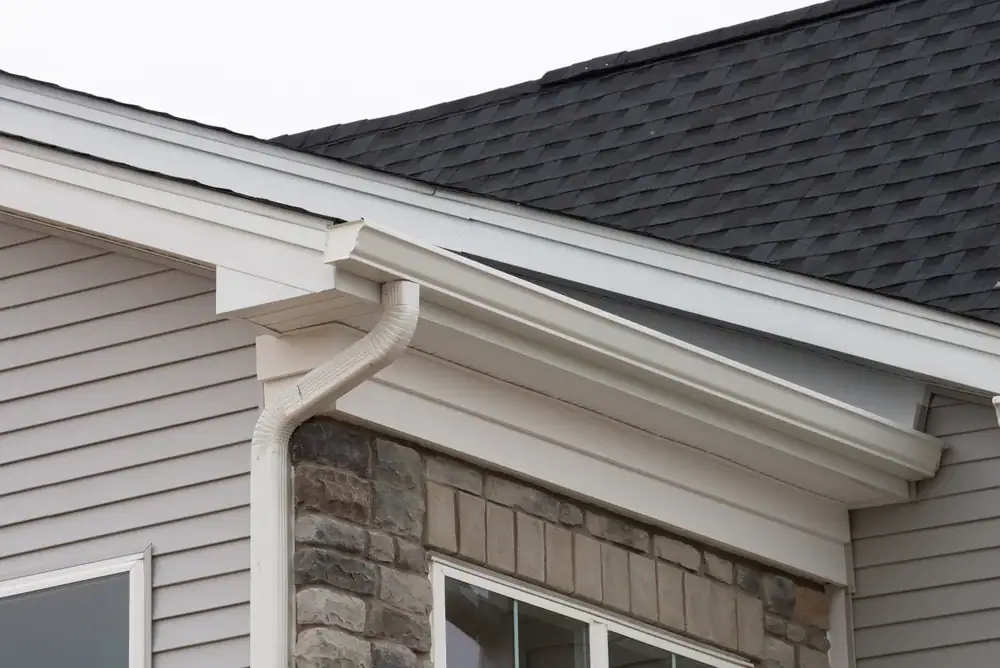
Close-up of the corner of a NY house exterior, highlighting beige siding, stonework, and a white rain gutter along the roof edge—showcasing quality home construction in Suffolk County with dark asphalt shingles above.

Montauk Chimney Repair Services

Your Chimney Works. Your Home Stays Dry.
When your chimney is properly repaired, you get exactly what you need: reliable heating without the worry. No more wondering if that small crack will become a major leak during the next nor’easter. No more emergency calls when you’re trying to enjoy a quiet evening by the fire. The difference is real. Your fireplace operates safely, drawing smoke up and out like it should. Water stays where it belongs—outside your home, not dripping into your living room or damaging your walls. You sleep better knowing a professional fixed the problem right the first time. Most importantly, you avoid the expensive disasters that come from putting off chimney maintenance. A properly functioning chimney protects your home’s value, keeps your family safe, and gives you the peace of mind that comes from knowing your heating system won’t fail when you need it most.

Experienced Montauk Chimney Contractors

We Actually Understand Coastal Chimney Problems
We’ve been serving Long Island homeowners who know that quality work isn’t optional. We understand what Montauk’s salt air, freeze-thaw cycles, and coastal storms do to masonry—and exactly how to prevent the expensive problems other contractors miss. Living and working on Long Island means we’ve seen every type of chimney damage the Atlantic can throw at a home. We know that standard repairs fail here because coastal conditions demand marine-grade materials and techniques that account for salt corrosion and moisture intrusion. Our approach is straightforward: we fix what’s broken, use materials that last in this environment, and give you straight answers about what your chimney needs. No overselling, no scare tactics—just honest assessment from people who’ve been protecting Montauk homes for years.
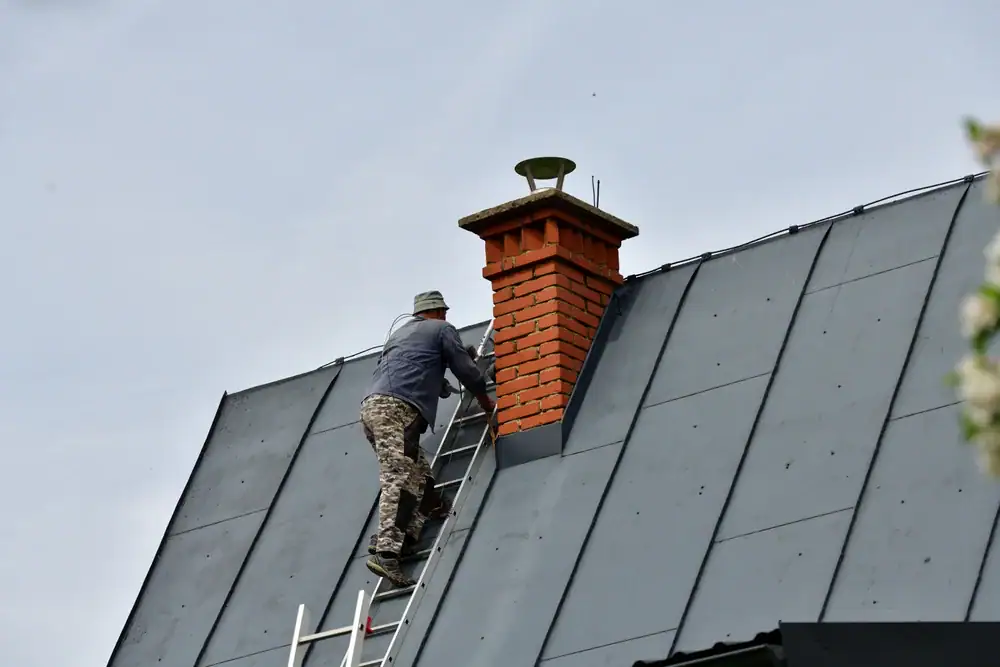
A person wearing a hat and camouflage pants climbs a ladder leaned against a steep metal roof, working near a red brick chimney under a cloudy sky—a typical scene in NY home construction Suffolk County.

Chimney Repair Process Montauk

Here's Exactly What We Do
First, we inspect your entire chimney system—not just the obvious problem areas. We check the crown, flashing, mortar joints, damper, and flue liner to find everything that needs attention. You get photos and a clear explanation of what’s wrong, what caused it, and what happens if it’s not fixed. Next comes the estimate. We break down exactly what needs repair, what materials we’ll use, and how long it takes. No surprises, no “we’ll figure it out as we go” pricing. You know what you’re paying for before we start. The actual repair work begins with protecting your property and setting up properly. We remove damaged materials, rebuild with quality components designed for Long Island’s coastal weather, and waterproof everything to prevent future problems. When we’re done, you get a clear explanation of what we fixed and how to maintain your chimney going forward.

A man wearing a blue hard hat and gray sweatshirt crouches on a sloped roof in Suffolk County, NY, repairing a brick chimney with a hand tool under a cloudy sky—a scene common in home construction projects.

Explore More Services

About Home Team Construction

Montauk Chimney Repair Specialists

What Your Chimney Repair Actually Includes
Your chimney repair addresses the specific problems that Montauk’s coastal environment creates. We handle flashing repair and replacement using marine-grade materials that resist salt air corrosion. Crown repair and waterproofing prevent the freeze-thaw damage that destroys standard concrete work within a few seasons. Mortar repointing uses specialized mixes designed for coastal conditions—not the standard mortar that fails when salt crystals expand and contract with temperature changes. We replace damaged chimney caps with stainless steel units that won’t rust out in two years like standard caps do here. Every repair includes proper waterproofing with breathable sealers that keep moisture out while allowing the masonry to dry. This prevents the trapped moisture problems that cause spalling and structural damage in Montauk’s humid climate. The result is repair work that actually lasts 15-25 years instead of failing in 3-5 years like patches that don’t account for local conditions.
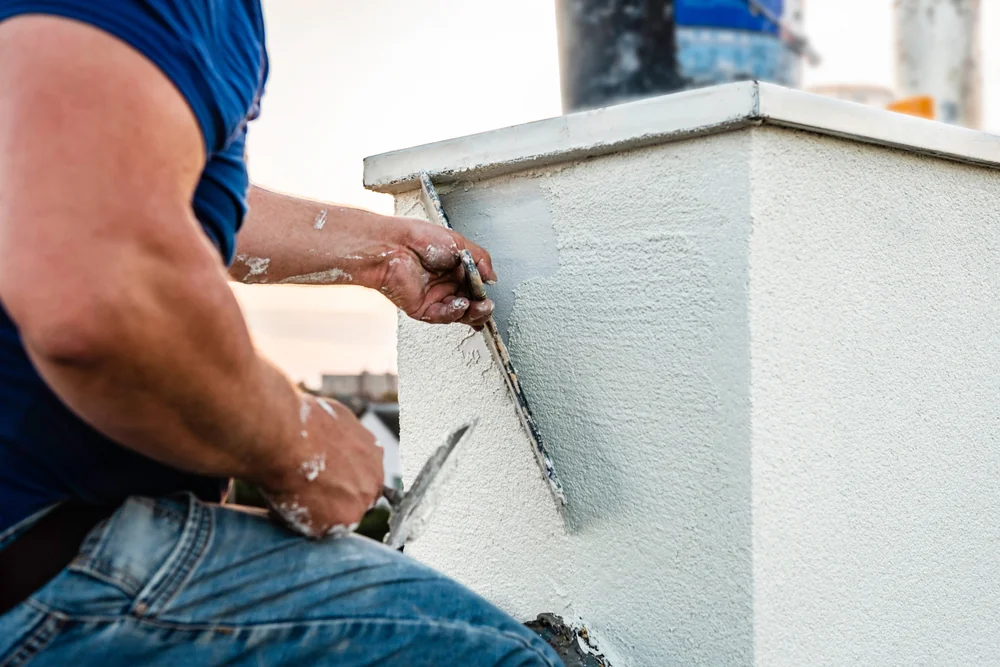
A person in a blue shirt applies white plaster to a building’s exterior wall in Suffolk County, NY, using a trowel, with paint splatters visible on their arm and clothes—a typical scene in home construction.

How much does chimney repair cost in Montauk, NY?

Chimney repair costs depend on what’s actually broken and how extensive the damage is. Simple mortar repointing typically runs $800-1,500, while major crown rebuilds or flashing replacement can reach $1,500-3,000. The key is catching problems early—fixing a small leak costs hundreds, but waiting until water damages your home’s interior costs thousands more. Most Montauk homeowners spend between $1,200-2,500 for typical repairs that address leaks and structural issues before they spread. You’ll get an exact estimate after our inspection, with no hidden fees or surprise charges. We break down exactly what needs repair, what materials we’ll use, and why each component is necessary for lasting results in coastal conditions.
Flashing failures cause about 90% of chimney leaks in Montauk. The metal flashing that seals where your chimney meets the roof takes a beating from coastal weather and salt air, eventually developing gaps that let water pour into your home. Chimney crown damage is another major issue—when the concrete top cracks from freeze-thaw cycles, water flows directly into your chimney system. Salt air accelerates metal corrosion on caps, dampers, and flue liners much faster than inland areas experience. Mortar joints deteriorate quickly when salt crystals penetrate the masonry and expand with temperature changes. Missing or damaged chimney caps let rain fall straight down the flue, causing interior damage and encouraging dangerous creosote buildup. These problems are worse here because Montauk’s coastal location means your chimney faces salt spray, freeze-thaw cycles, and storm exposure that inland chimneys never experience. That’s why standard repair materials and techniques fail so quickly in this environment.
Quality chimney repairs should last 15-25 years when done correctly with proper materials designed for coastal conditions. However, Montauk’s environment is significantly harder on chimneys than inland locations. Salt air, freeze-thaw cycles, and storm exposure mean you’ll need maintenance sooner than areas with milder conditions. The key is using marine-grade materials and techniques that account for salt corrosion and moisture intrusion. Standard mortar mixes and regular steel components fail in 3-5 years here, which is why cheap repairs end up costing more in the long run. We use specialized mortar blends with polymers, stainless steel components, and breathable waterproofing that actually withstand coastal conditions. Plan on professional inspections every 2-3 years to catch small issues before they become major problems. Chimney waterproofing typically needs renewal every 5-7 years. The investment in quality repair work and materials pays off by extending these timeframes and preventing the emergency situations that cost thousands to fix.
Yes, even unused chimneys can develop serious problems that damage your home and create safety hazards. Montauk’s salt air and weather conditions don’t care whether you’re burning fires—they’ll still corrode metal components, crack masonry, and create leaks that damage your home’s interior. An unused chimney with a damaged crown or failing flashing can pour water into your walls, causing rot, mold, and structural damage that costs thousands to repair. Animals and debris can enter through damaged caps, creating blockages that prevent proper ventilation if you ever do use the fireplace. Deteriorating mortar joints can allow carbon monoxide from other appliances to enter your home through cracks in the flue. Regular maintenance and prompt repairs actually cost less for unused chimneys because there’s no creosote buildup or heat damage to address. But ignoring structural problems because “we don’t use it” often leads to expensive surprises when water damage shows up in your living room ceiling or walls.
Chimney cleaning removes creosote, debris, and blockages from inside your flue to ensure safe operation. It’s maintenance that should happen annually if you use your fireplace regularly. Chimney repair fixes structural problems like cracks, leaks, damaged masonry, or failing components that affect the chimney’s integrity and safety. Think of it this way: cleaning maintains what’s working properly, while repair fixes what’s broken or failing. You might need cleaning every year, but quality repairs should last 15-25 years when done correctly. However, many Montauk chimneys need both services because coastal conditions accelerate both creosote buildup and structural deterioration. During a cleaning, we often discover repair issues like damaged flue liners, cracked crowns, or failing flashing that weren’t obvious from the outside. That’s why annual inspections are so important—they catch structural problems before they become expensive disasters. A properly maintained chimney needs less frequent repairs, while neglected chimneys often require major structural work that could have been prevented with timely maintenance.
Several warning signs indicate your chimney needs prompt professional attention. White staining on the exterior masonry means water is penetrating the structure and causing efflorescence. Water stains on walls or ceilings near your fireplace usually indicate flashing failures or crown damage that’s letting rain into your home. Rust on the damper, firebox, or other metal components signals moisture problems that will only get worse. If you notice chunks of masonry in your yard, loose or missing bricks, or mortar that’s crumbling or falling out, your chimney’s structural integrity is compromised. A strong odor coming from your fireplace, especially during humid weather, often indicates water damage or dangerous creosote buildup. Don’t wait for obvious problems to become expensive disasters. Montauk’s coastal conditions accelerate chimney deterioration, so small issues become major problems quickly. Professional inspection can identify problems before they cause interior damage, safety hazards, or structural failure that costs thousands to repair.