
Hear From Our Clients
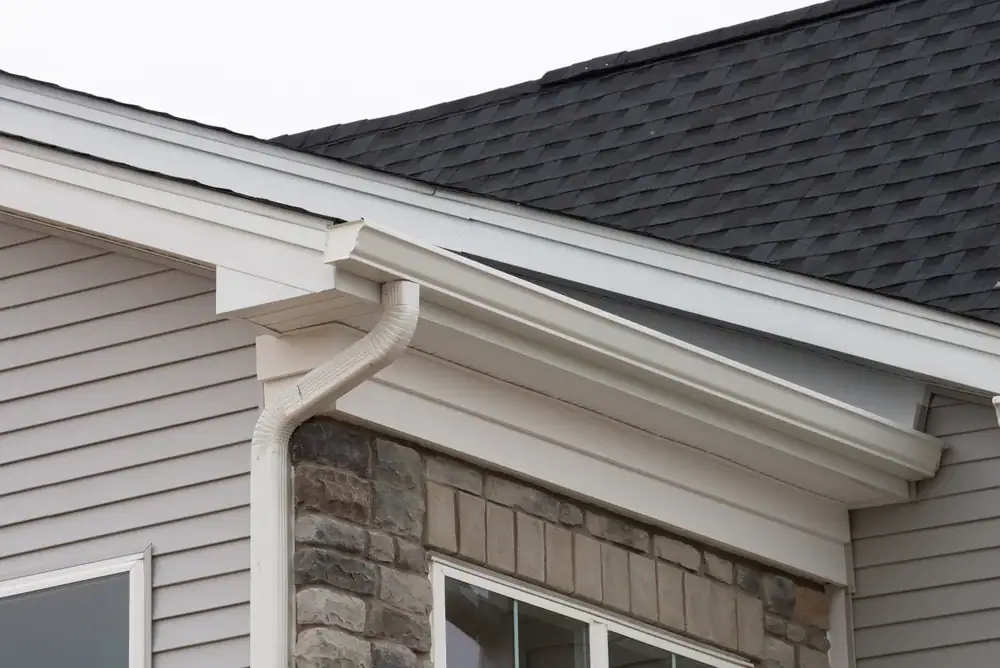
You get a chimney that actually keeps water out of your walls. No more ceiling stains after storms, no more worrying about cracks getting worse, no more wondering if that damage is putting your family at risk.
Long Island’s salt air and freeze-thaw cycles are brutal on chimneys, but proper repairs handle what this climate throws at them. You’re looking at decades more life from your chimney instead of emergency calls every few years.
The peace of mind is real. You know your chimney is venting properly, your home is protected from water damage, and you caught problems before they turned expensive.
We’ve been handling chimney repairs across Suffolk County for over 10 years. We’re the team homeowners call when they need work done right the first time.
We understand how coastal moisture and harsh winters affect Dix Hills chimneys differently than inland properties. That knowledge shows up in repairs that actually last in this climate.
Our licensed contractors and skilled masons live and work here. We’ve seen what works and what fails when Long Island weather gets serious, and we use that experience on every job.
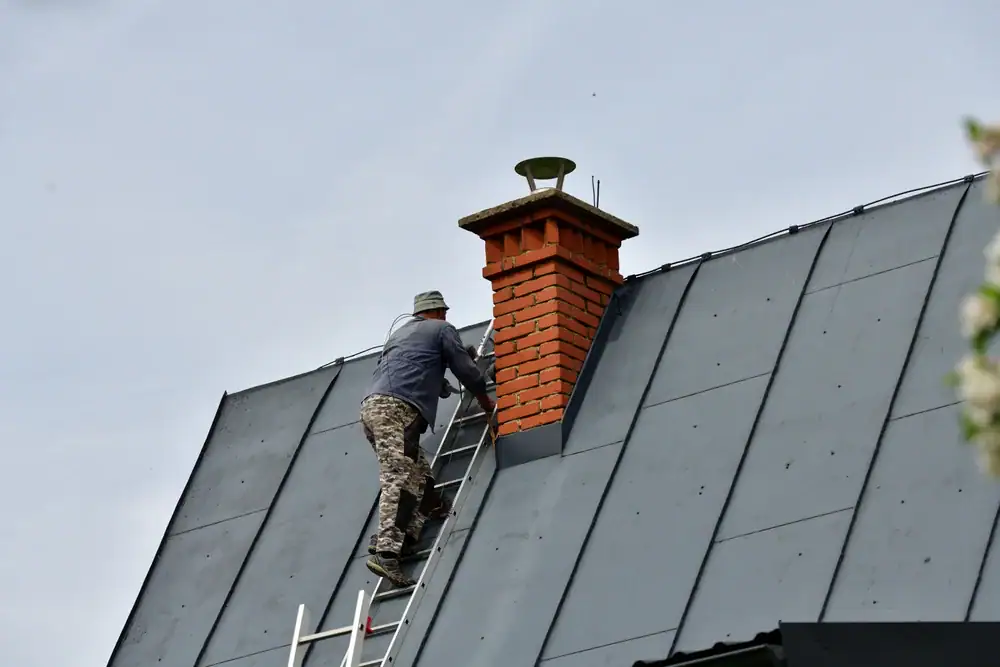
We start with a complete inspection of your chimney from top to bottom. You get a clear explanation of what’s wrong, what caused it, and exactly what it takes to fix it properly.
Once you approve the work, we handle everything from sourcing the right materials to protecting your property during repairs. For masonry work, we match your existing brick and mortar so repairs blend seamlessly with your chimney.
After completion, we clean up completely and walk you through what was done. You’ll know exactly what to watch for going forward and when to schedule your next inspection.

Ready to get started?
We handle everything from minor crack repair to complete chimney rebuilds. Chimney crown repair stops water from penetrating your system. Flashing repair prevents leaks where your chimney meets your roof. Tuckpointing replaces deteriorated mortar joints that let water seep into your walls.
In Dix Hills, most chimneys need tuckpointing every 15-20 years due to our coastal climate. Simple repairs like chimney cap replacement usually take a day, while tuckpointing and crown repair typically take 2-3 days depending on your chimney size and damage extent.
We use materials designed for Long Island’s climate conditions. Salt air and winter freezes erode mortar faster here, so we select products that handle coastal exposure and temperature swings your chimney faces year after year.
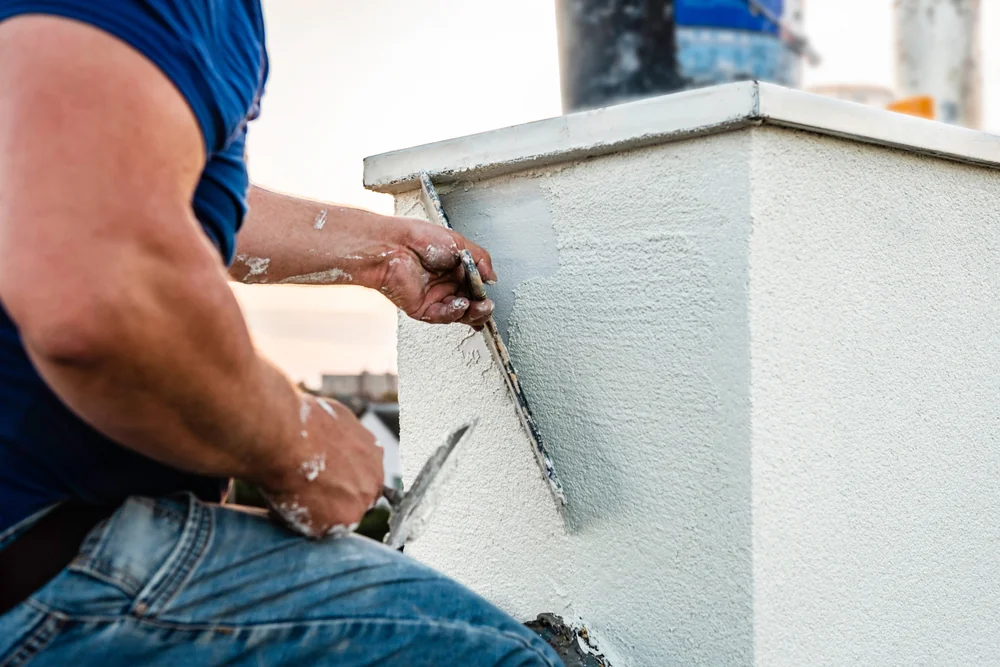
Look for crumbling or flaking mortar, especially if it’s powdery or falling out in chunks – salt air and winter freezes erode mortar faster on Long Island. White, chalky deposits on bricks mean moisture is penetrating, which is common in Suffolk County’s damp climate.
Water stains on your ceiling or walls near the chimney indicate leaks from worn flashing or crown cracks. If you’re getting water in your fireplace during heavy rain, or if you notice loose or missing bricks after harsh winters, repairs can’t wait.
These signs often start small but escalate quickly in our coastal climate. Catching problems early means simpler, less expensive fixes instead of major structural work later.
Mortar deterioration is the biggest issue we see, caused by Long Island’s freeze-thaw cycles and salt air exposure. Water infiltration through damaged crowns and flashing is also extremely common, especially after nor’easters and heavy storms.
Spalling bricks happen when water enters the pores and freezes, causing pieces to break away. We also see frequent chimney cap and flashing problems from coastal weather exposure and seasonal temperature swings.
Creosote buildup accelerates in humid conditions, increasing fire risk. These problems compound quickly in our climate – moisture damage that might take years elsewhere happens much faster here due to salt air and temperature extremes.
Simple repairs like chimney cap replacement or minor flashing work usually take one day. Tuckpointing and crown repair typically require 2-3 days, depending on your chimney size and the extent of damage we find.
Major structural repairs can take a week or more, especially if we need to rebuild sections. Weather affects timing since mortar needs proper conditions to cure – we won’t compromise quality by rushing work in poor conditions.
Most homeowners are surprised how efficiently professional crews work, but we focus on doing it right rather than fast. You’ll get a realistic timeline upfront so you can plan accordingly, and we keep you updated throughout the process.
Professional masons can match both brick color and mortar color to blend seamlessly with your existing chimney. We bring samples to compare against your current materials and often source original brick types for older Dix Hills homes.
The key is understanding how different brick ages and weathers in our coastal climate. New materials may look slightly different initially, but they’ll weather to match your existing chimney within a season or two.
We take photos before starting work so you can see the difference repairs make. Most customers are amazed how well-matched repairs look, especially once everything has had time to weather naturally in Long Island conditions.
Annual inspections are essential in Suffolk County due to our harsh coastal conditions. Salt air, freeze-thaw cycles, and seasonal storms accelerate wear compared to inland areas, so problems develop faster here.
Most Dix Hills chimneys need tuckpointing every 15-20 years with proper maintenance, but neglected chimneys can require major work much sooner. Professional inspections catch minor issues before they become expensive problems.
We recommend spring inspections after winter weather damage and before summer humidity sets in. This timing allows repairs to be completed during favorable weather conditions, ensuring proper curing and the best long-term results.
Long Island’s coastal climate creates unique challenges you don’t see inland. Salt air penetrates brickwork and mortar joints, causing gradual deterioration that’s accelerated by our freeze-thaw cycles and high humidity levels.
Materials and techniques that work fine elsewhere often fail quickly here. We use products specifically designed for coastal exposure and understand which repairs actually last in Suffolk County conditions versus generic approaches.
Local building codes also reflect these climate challenges. We’re familiar with requirements specific to coastal areas and ensure all work meets or exceeds standards designed for our weather patterns and environmental conditions.
Other Services we provide in Dix Hills