Summary
Roof inspections aren't just about checking for missing shingles. Most Suffolk County homeowners make critical mistakes that turn minor issues into expensive emergencies.
This guide reveals what 90% of homeowners get wrong about roof inspection, from skipping the attic to missing storm damage that compounds over time. You'll learn when DIY checks make sense, what only professionals can spot, and how proper inspection timing saves thousands in repairs.
You're standing in your driveway, looking up at your roof, trying to figure out if everything's okay up there. Maybe you noticed a small water stain on your ceiling. Maybe the last nor'easter had you worried. Or maybe it's just been a while and you're wondering if you should call someone.
Here's what most homeowners don't realize: by the time you can see a problem from the ground or inside your home, the actual damage has usually been building for months. That water stain? The leak could be three feet away from where it's showing up. Those few missing shingles? They might be the visible part of a much bigger issue.
This isn't about scaring you into unnecessary work. It's about understanding what actually matters when it comes to roof inspection—and what 90% of homeowners get wrong until it costs them thousands more than it should have.
Why Most Homeowners Wait Too Long for Roof Inspection
The biggest mistake isn't what homeowners do during a roof inspection. It's waiting until there's an obvious problem before getting one at all.
Most people treat their roof like it's either working or broken, with nothing in between. The reality? Your roof is always in some stage of aging, weathering, and gradual deterioration. In Suffolk County, NY, that process happens faster than almost anywhere else because of coastal storms, salt air, freeze-thaw cycles, and temperature swings that stress every component.
When you wait for visible signs—water stains, missing shingles, or drips during rainstorms—you're catching problems in the expensive stage. The leak you're seeing inside started weeks or months ago as a small gap in flashing or a cracked seal around a vent. Water's been working its way through your roof deck, soaking insulation, and finding the path of least resistance through your attic.
What Happens When You Skip Regular Professional Roof Inspection
Let's talk about what you're actually risking when you skip regular professional roof inspection and just hope everything's fine.
Small problems don't stay small on Long Island. A cracked pipe boot that would cost $300 to replace starts letting water into your attic. That moisture saturates your insulation, reducing its effectiveness and driving up your energy bills. It soaks into the wooden roof decking, causing rot that spreads to surrounding boards. By the time you notice the water stain on your bedroom ceiling, you're not looking at a $300 repair anymore—you're looking at $3,000 to $5,000 in decking replacement, insulation work, and interior repairs.
Flashing problems follow the same pattern. The sealant around your chimney dries out and cracks—a normal part of aging in our climate. Rain gets behind the flashing during the next storm. It runs down into the wall cavity where you can't see it. Months later, you've got mold growing inside your walls and structural damage to framing members. What could have been a $500 flashing repair has turned into a $10,000 remediation project.
This isn't worst-case scenario thinking. This is what actually happens when roofs don't get regular professional inspection in Suffolk County's demanding climate. The National Roofing Contractors Association recommends inspections at least twice a year specifically because catching issues early is exponentially cheaper than dealing with compounded damage.
The other thing homeowners don't realize: your roof doesn't just protect against water. It's part of your home's structural system, your energy envelope, and your ventilation. When one component fails, it affects everything else. Poor attic ventilation accelerates shingle aging and causes ice dams. Ice dams force water under shingles. That water damages decking and insulation. Your heating costs go up. Your roof ages faster. It's a cascade of problems that all started with something a professional roof inspection would have caught in five minutes.
The Real Cost of DIY Roof Inspection vs Professional Assessment
There's a place for DIY roof inspection, but most homeowners don't understand where that line is—and it costs them.
Walking around your property and looking up at your roof with binoculars? That's smart. Checking your attic for moisture stains or daylight coming through? Absolutely do that. Cleaning your gutters and noting if there are excessive shingle granules? Good maintenance practice.
But here's where DIY roof inspection falls short: you don't know what you're looking for beyond the obvious, you can't safely access all the areas that need checking, and you don't have the context to know if what you're seeing is normal aging or the start of a real problem.
A professional roof inspection in Suffolk County, NY covers things most homeowners never think about. Inspectors check the integrity of your roof seal around every penetration point—vents, pipes, skylights, chimneys. They assess whether your attic ventilation is adequate for our climate. They look for subtle signs of wind damage that aren't visible from the ground. They check flashing installation to make sure it meets code and will actually channel water away from vulnerable areas.
They also know the difference between cosmetic issues and functional problems. Those dark streaks on your shingles? Algae growth—ugly but not urgent. Shingles that are starting to curl at the edges? That's material failure that will accelerate quickly and needs attention now. A homeowner looking from the ground might not even see the curling. Or they might see both issues and not know which one actually matters.
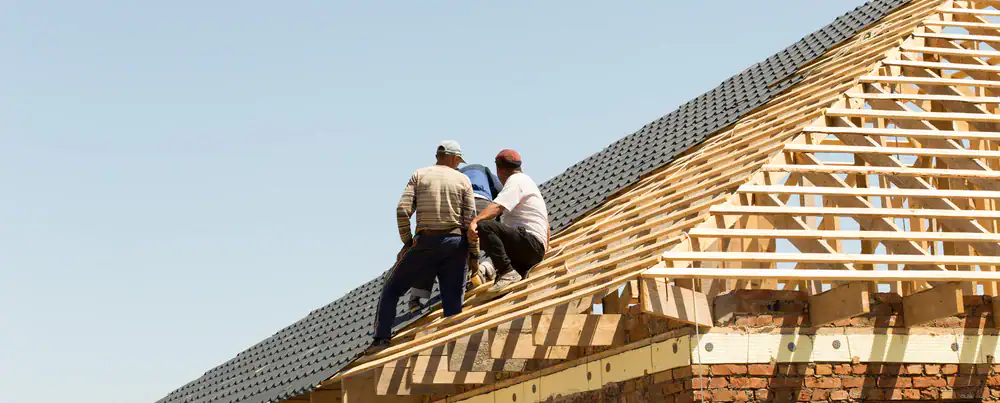
The safety factor is real too. Every year, homeowners get seriously injured trying to inspect or repair their own roofs. Wet shingles are slippery. Steep pitches are dangerous. One wrong step and you're looking at a hospital bill that dwarfs any inspection cost. Professional roof inspection companies have the right equipment, training, and insurance to do this work safely.
And here's the part that surprises people: many roofing contractors offer free roof inspection or charge $200-$400 for a thorough assessment. Compare that to the cost of a repair that's gone from minor to major because you didn't catch it in time. A professional inspection isn't an expense—it's insurance against much bigger bills down the road.
Critical Roof Leak Repair Mistakes That Make Problems Worse
When homeowners finally do spot a problem, the next mistake usually involves how they try to fix it.
The biggest issue with DIY roof leak repair isn't the quality of the work—it's that you're treating the symptom without diagnosing the cause. You see water coming in around your chimney, so you grab some caulk and seal up the visible gaps. The leak stops. Problem solved, right?
Wrong. That leak was probably caused by deteriorated flashing, improper installation from a previous repair, or a structural issue with how the chimney meets the roof. Your caulk job might hold for a few weeks or even a few months. But the underlying problem is still there, and it's getting worse. When the leak comes back—and it will—the damage has spread further and the real repair costs more.
Why Your Leaking Roof Needs Professional Diagnosis First
Here's what makes a leaking roof so deceptive: water rarely shows up where it's actually getting in.
Water follows gravity and the path of least resistance. It might enter your roof at a failed flashing point near your chimney, run along a rafter for six feet, then drip down onto your insulation and finally appear as a ceiling stain in your bedroom. You're looking at that bedroom stain and thinking the problem is directly above it. The actual entry point could be on the other side of your attic.
This is why professional roof leak repair starts with proper diagnosis. Experienced roofers know how to trace water paths backward. They check the obvious spots first—flashing around chimneys and skylights, pipe boots, valley areas where two roof planes meet. But they also know the sneaky places: nail pops that create tiny holes, sealing strips on shingles that have failed, ice dam damage from last winter that's been waiting for the right rain angle to start leaking.
They also understand how Suffolk County, NY weather creates specific failure patterns. Salt air accelerates corrosion on metal flashing, especially on homes near the coast. Freeze-thaw cycles work water into microscopic cracks, then expand them when temperatures drop. Nor'easter winds drive rain at angles that test every seal and overlap on your roof. Local professionals know these patterns and check the vulnerable spots first.
The other thing professionals bring: proper materials and installation techniques for permanent repairs. That tube of roofing cement from the hardware store? It's a temporary fix at best. Proper roof leak repair uses compatible materials, correct layering, and installation methods that will actually hold up to our climate. It addresses the root cause, not just the visible symptom.
When you're dealing with a leaking roof, the money you think you're saving by doing it yourself usually gets spent twice—once on your failed DIY attempt, and again when you finally call a professional to fix both the original problem and any additional damage that happened while your temporary fix was failing.
Storm Damage Roof Inspection: What You're Missing After Every Nor'easter
Suffolk County has weathered 45 hurricanes since 1930, plus countless nor'easters, ice storms, and severe thunderstorms. After each one, most homeowners walk outside, look up at their roof, and think everything's fine if they don't see obvious damage.
That's exactly when hidden problems start their slow march toward your ceiling.
Storm damage isn't always obvious. Missing shingles are easy to spot, but that's just the most visible type of damage. Wind can lift shingles just enough to break the sealing strips without actually tearing them off. From the ground, everything looks normal. But those seals are gone. The next time wind-driven rain hits your roof, water gets underneath those shingles and into the underlayment.
Hail damage is even more deceptive. You might not see visible holes or dents, but hail impacts knock the protective granules off your shingles and can crack the asphalt underneath. That damage drastically shortens your roof's lifespan. If you've got dented gutters or damaged siding after a storm, your roof almost certainly took hits too.
Flashing around chimneys, skylights, vents, and dormers is where most storm-related leaks begin. High winds can loosen flashing, crack sealant, or bend metal components. These failures aren't visible from the ground, but they create entry points for water that will cause problems for months or years.
The timing of storm damage roof inspection matters for another critical reason: insurance claims. Most policies require you to file claims within specific timeframes. If you wait six months to discover and report damage, your insurance company might argue it's pre-existing or unrelated to the storm. Professional documentation immediately after a major weather event protects your ability to file a successful claim.
This is also where professional roof inspection provides documentation you can't get from a DIY check. Detailed photos, written assessments, and damage reports from a licensed contractor carry weight with insurance adjusters. They show exactly what was damaged, when it was discovered, and what repairs are necessary. That documentation can mean the difference between a covered claim and an out-of-pocket expense.
After any significant storm in Suffolk County, NY—nor'easters, hurricanes, severe thunderstorms, or heavy snow events—a professional inspection should be non-negotiable. The cost of that inspection is minimal compared to the cost of undiscovered damage or a denied insurance claim.
Getting Roof Inspection Right: Your Next Steps
The difference between a $500 repair and a $5,000 disaster usually comes down to timing and knowing what to look for.
You don't need to become a roofing expert. You need to understand when DIY checks make sense and when professional roof inspection is the smart move. Walk your property seasonally. Look for obvious issues. Check your attic for moisture or daylight. Clean your gutters and note what you find. Those simple steps catch some problems early.
But don't skip professional assessment. Annual inspections catch the issues you can't see or don't know to look for. After storms, get your roof checked before hidden damage compounds. When you spot something concerning, call for expert diagnosis before attempting repairs that might make things worse.
Your roof is protecting your biggest investment. In Suffolk County's demanding climate—with coastal storms, salt air, and temperature extremes that stress every component—proper roof inspection isn't optional maintenance. It's the difference between a roof that lasts 20+ years and one that fails at 12. It's the difference between catching a $300 problem and dealing with a $10,000 emergency.
We've spent over 10 years helping Suffolk County homeowners protect their homes from exactly these issues. If it's been more than a year since your last inspection, or if you've never had a professional assessment, now's the time to change that.
Article details