Home Team Construction's Guides
Your historic Hamptons chimney faces unique coastal challenges. Discover essential safety and maintenance strategies that protect your Bridgehampton or Sag Harbor home year-round.
Share:
Summary:
Your chimney wasn’t built for the conditions it’s dealing with now. Homes constructed in the 1800s or early 1900s used materials and methods that made sense at the time, but coastal exposure changes everything.
Salt air doesn’t just sit on the surface. It penetrates brick and mortar, causing corrosion from the inside out. When moisture gets into those tiny cracks and freezes during winter, it expands and makes the damage worse. That’s the freeze-thaw cycle everyone talks about, and it’s relentless on Long Island.
Older chimneys in places like Sag Harbor often have internal side chimneys or center chimneys depending on when they were built. These designs are beautiful and historically significant, but they weren’t engineered with modern safety standards or the kind of weather Suffolk County throws at them year after year.

Living near the water means your home is constantly exposed to salt particles carried by ocean breezes. It’s part of what makes the Hamptons special, but it’s also what makes maintaining your chimney more complicated than it would be twenty miles inland.
Salt doesn’t just corrode metal chimney caps and flashing. It gets into the mortar joints between bricks and starts breaking down the bond that holds everything together. Over time, this leads to spalling, where the outer surface of bricks starts flaking off in layers. You’ll see it first on the most exposed sides of your chimney, usually facing the prevailing winds from the ocean.
The problem compounds when you add moisture. Coastal homes deal with higher humidity levels year-round, and when salt-laden moisture seeps into compromised mortar, it accelerates the deterioration process dramatically. What might take decades to develop in a drier climate can happen in just a few years here. Suffolk County sits right between Long Island Sound and the Atlantic Ocean, so your chimney is getting hit from multiple directions.
You’ll notice white, chalky deposits on the exterior of your chimney sometimes. That’s efflorescence, and it’s a clear sign that moisture is moving through your masonry. It’s not just cosmetic. It means water is getting where it shouldn’t be, and in a coastal environment, that water is bringing salt with it. The salt crystallizes inside the brick and mortar, creating internal pressure that cracks and crumbles the material from within.
This is why using standard repair materials doesn’t cut it for chimneys in Suffolk County. You need marine-grade components, specialized sealants, and contractors who understand that what works in other parts of New York won’t necessarily hold up here. Stainless steel caps resist corrosion better than galvanized options. Mortar mixes need additives that can handle the salt and moisture exposure. Even the brick selection matters when you’re doing masonry repairs in coastal areas.
The timeline matters too. Quality repairs using the right materials for coastal conditions typically last 15 to 25 years. But if someone uses standard materials or doesn’t account for salt air, you might be looking at problems again in five years or less. That’s money wasted and potentially dangerous gaps in your chimney’s protection.
If your home was built before 1950, there’s a good chance your chimney is missing components that modern codes require. Many older chimneys don’t have proper liners, or they have clay tile liners that have cracked and deteriorated over decades of use.
The chimney liner is what protects the chimney structure from the intense heat and corrosive byproducts of combustion. Without a functioning liner, or with a damaged one, heat can reach combustible materials in your walls. Gaps in the liner also allow dangerous gases like carbon monoxide to seep into living spaces instead of venting safely outside. In homes dating back to the 1800s, some chimneys were built without any liner at all, relying solely on the masonry to contain the heat and gases.
Older chimneys often have issues with the chimney crown as well. The crown is the concrete or mortar top that seals the chimney and keeps water out. In historic homes, crowns were sometimes poorly constructed or have simply cracked after years of exposure to temperature extremes and moisture. Once the crown fails, water gets inside the chimney structure and the damage accelerates quickly. You’ll see it show up as water stains on ceilings near the chimney, or rust on the damper and firebox.
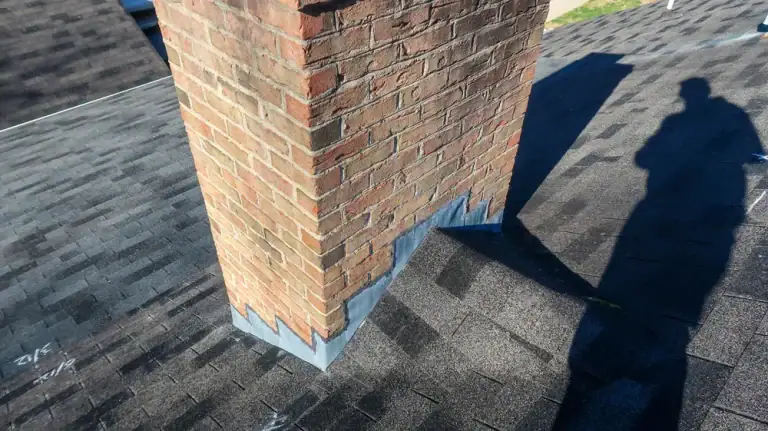
Flashing is another common weak point. This is the metal seal where your chimney meets the roof, and it’s critical for keeping water out. Original flashing on older homes may have been lead or copper, which can last a long time, but it can also pull away from the chimney or roof over years of expansion and contraction. Modern repairs need to account for coastal wind and rain patterns that can drive water into even small gaps. A nor’easter can push water horizontally with enough force to find any weakness in your flashing.
Masonry chimneys in historic homes also settle over time as the ground shifts. This is normal, but it can create cracks in the structure and misalignments that affect how the chimney drafts. Poor draft means smoke doesn’t exit properly, which leads to creosote buildup and increases fire risk. You might notice smoke backing up into the room when you light a fire, or difficulty getting the fire to draw air properly.
Then there’s the question of how the chimney was used historically versus how you might use it now. Many old chimneys served multiple fireplaces or heating systems. If you’ve converted from coal to gas, or if you’re using a wood stove insert in an old fireplace, the chimney might not be sized correctly for the current appliance. That affects efficiency and safety. A flue that’s too large for your heating appliance won’t draft properly and will allow more creosote to form.
All of this adds up to one reality: if you own a historic home in the Hamptons, your chimney needs regular professional inspection by someone who knows what to look for in older coastal structures. Surface-level checks won’t catch the issues that matter most.
Want live answers?
Connect with a Home Team Construction expert for fast, friendly support.
Chimney fires are more common than most homeowners realize, and they’re often preventable. Nationally, there are about 25,000 chimney fires every year, causing over $120 million in property damage. Many of those fires start because of creosote buildup that went unaddressed.
Creosote is a byproduct of burning wood. As smoke rises and cools in your chimney, it condenses on the inner walls and forms a dark, sticky, highly flammable residue. In coastal environments with higher humidity, creosote can harden into a glaze that’s even harder to remove and more dangerous.
The East Hampton Fire Chief has identified improperly maintained chimneys as one of the most hazardous risks in homes. Lack of regular cleaning is a major factor. If you’re using your fireplace regularly, creosote builds up faster, and the risk increases. Even if you don’t use your fireplace often, other issues like structural damage, blockages from animal nests, or deteriorating liners can create serious hazards.

You won’t always see creosote from where you’re sitting in your living room, but there are signs that should get your attention. If you notice a strong, smoky smell coming from your fireplace even when it’s not in use, that’s often creosote. Especially on hot, humid summer days, the odor can become more pronounced as the heat draws the smell out of the deposits.
Look inside your firebox when it’s cool. If you see glossy black deposits on the walls or a tar-like substance, that’s Stage 3 creosote, and it’s highly flammable. Earlier stages might look more like black soot or a flaky brown residue, but all of it is combustible and all of it needs to be removed. The progression from Stage 1 to Stage 3 can happen faster than you think, especially if you’re burning unseasoned wood or not maintaining proper airflow.
If smoke isn’t drafting properly and starts backing up into your room when you light a fire, that’s another red flag. It could mean creosote has built up enough to restrict airflow, or it could indicate a blockage. Either way, it’s a problem that needs professional attention before you use the fireplace again. Don’t try to solve it by opening a window or adjusting the damper and hoping it gets better.
Coastal conditions make creosote issues worse because the moisture in the air affects how smoke condenses in the flue. Damp creosote is stickier and harder to remove. It also means the buildup can happen faster than it would in drier climates, so the standard advice about annual cleanings becomes even more important here. If you’re using your fireplace every weekend during the winter, you might even need cleaning twice a year.
Some homeowners don’t realize they’ve had a chimney fire until a professional inspection reveals the damage. Chimney fires can burn slowly and quietly, reaching extremely high temperatures without making the dramatic roaring sound you might expect. These slow-burning fires cause serious structural damage to the flue liner and surrounding masonry, and if the chimney isn’t inspected and repaired afterward, the next fire could spread into your home.
If a chimney fire does happen, you need to evacuate immediately and call the fire department. Don’t assume it’s safe just because you don’t see flames. Even after the fire is out, the chimney needs a thorough inspection before it can be used again. Damage to the liner or structure might not be visible from the outside, but it compromises the safety of the entire system. Many chimney sweeps see one to two fire-damaged chimneys every day, and most of those homeowners had no idea they’d had a fire.
Carbon monoxide is odorless, colorless, and deadly. Your chimney’s job is to vent it safely out of your home, but if the chimney is damaged or blocked, those gases can seep back into your living spaces instead.
Cracks in the flue liner are one of the most common culprits. When the liner is compromised, carbon monoxide and other combustion gases can escape through the cracks into the chimney structure and then into your home. You won’t smell it. You won’t see it. But exposure can cause headaches, nausea, dizziness, and in severe cases, death.
This is especially concerning in older homes where the original liner may have deteriorated or never existed in the first place. Clay tile liners, which were common in chimneys built decades ago, crack over time due to thermal expansion and contraction. In coastal areas, the freeze-thaw cycle accelerates this process. Water gets into hairline cracks, freezes, expands, and turns those small cracks into major structural failures.
Blockages are another issue. Birds, squirrels, and other animals sometimes build nests in chimneys, especially during warmer months when fireplaces aren’t in use. If you light a fire without realizing there’s a nest blocking the flue, smoke and carbon monoxide have nowhere to go but back into your home. A chimney cap with proper screening prevents this, but many older chimneys don’t have caps, or the caps have rusted through and no longer function.
Even without a blockage, poor draft can cause backdrafting, where combustion gases don’t exit the chimney properly. This can happen if the chimney is too short, if there are downdraft issues caused by nearby trees or structures, or if the chimney is improperly sized for the heating appliance you’re using. Coastal winds can also create pressure differentials that affect draft, pushing air down the chimney instead of allowing smoke to rise naturally.
Gas and oil heating systems also rely on chimneys to vent safely. A lot of people assume that only wood-burning fireplaces need chimney maintenance, but gas and oil systems produce soot and corrosive byproducts that can damage the flue liner and create carbon monoxide risks. When burners aren’t tuned correctly, they can produce even more soot than a wood stove. These systems need annual inspections just like wood-burning setups.
Installing carbon monoxide detectors in your home is critical, but they’re a backup, not a solution. The real protection comes from keeping your chimney in good working order with regular inspections and maintenance. If your detector ever goes off, get everyone out of the house immediately and don’t go back in until the fire department or a qualified technician has identified and resolved the source. Carbon monoxide poisoning symptoms can feel like the flu, so if multiple people in your home are feeling sick and there’s no obvious cause, that’s worth investigating.
Your chimney is more than just a functional part of your home’s heating system. In a historic Hamptons property, it’s part of the character and value of the house itself. But that doesn’t mean much if it’s not safe.
The combination of coastal exposure, age, and regular use creates a maintenance situation that’s different from what homeowners deal with inland or in newer construction. Salt air, freeze-thaw cycles, creosote buildup, and structural settling all add up to real risks that you can’t afford to ignore.
Annual inspections aren’t optional. They’re how you catch small problems before they become expensive emergencies or safety hazards. And when repairs are needed, using the right materials and working with contractors who understand coastal conditions makes the difference between a fix that lasts and one that fails in a few years.
If it’s been a while since your chimney was inspected, or if you’ve noticed any of the warning signs we’ve talked about, reach out to us at Home Team Construction. We work with historic homes throughout Suffolk County and know what it takes to keep chimneys safe and functional in this environment.
Article details:
Share:
Continue learning: