
Home Team Construction's Guides
Suffolk County's coastal climate cuts years off typical roof lifespans. Find out how long your roof will really last and what signs mean it's time for replacement.
Share:
Summary:
Most asphalt shingle roofs in Suffolk County last 18 to 25 years. That’s the reality, not the 25 to 30 years you’ll see advertised. Premium architectural shingles with proper installation and ventilation might push to 28 or 30 years, but that’s the high end.
Basic 3-tab shingles? You’re looking at 15 to 20 years maximum in this climate. The coastal environment here isn’t average, and your roof’s lifespan won’t be either.
Temperature swings from freezing winters to humid summers stress materials beyond what they’re designed to handle. Add in coastal storms and salt air, and even quality materials show their age faster than they would inland.

Manufacturer warranties assume average conditions. Suffolk County’s coastal environment is anything but average.
Salt air from the Sound or Atlantic corrodes metal flashing and fasteners. That corrosion creates entry points for water that shouldn’t exist. Nor’easters bring wind-driven rain that finds every weak spot in your roof’s defenses. Hurricane season tests whether your shingles stay attached when winds hit 60, 70, or 80 mph.
The humidity here is higher than inland areas. More moisture in the air means more moisture trying to escape through your ceiling, and more condensation forming when it gets trapped in your attic. This combination of heat stress in summer and moisture problems in winter accelerates roof deterioration from both directions.
Salt particles are abrasive. They wear away the protective granules on asphalt shingles faster than normal weathering. Once those granules are gone, the underlying asphalt mat breaks down quickly. UV exposure dries out the oils that give shingles flexibility, and without that flexibility, they crack under stress.
Constant exposure to salt and moisture makes asphalt shingles brittle. Temperature swings cause expansion and contraction that opens up small cracks. Water gets into those cracks, freezes in winter, and expands to make them bigger. It’s a cycle that repeats every year, and it takes years off your roof’s functional life.
This isn’t about cheap materials or poor installation. It’s about geography. Roofs in Suffolk County face conditions that accelerate aging no matter what you install.
Not all roofing materials respond to Suffolk County’s climate the same way. Understanding these differences helps you make better decisions about replacement options.
Architectural asphalt shingles are thicker than basic 3-tab versions. They have multiple layers of asphalt fused together, which improves durability. In Suffolk County, properly installed architectural shingles typically last 22 to 28 years. They retain granules longer, which protects against UV damage and extends lifespan. They also provide better resistance to wind, snow, and hail than cheaper alternatives.
Basic 3-tab shingles are the most affordable option, but they’re also the shortest-lived. Even though manufacturers might claim 25-year lifespans, you’ll realistically get 15 to 20 years maximum here. They’re lightweight, prone to wind damage, and lose granules faster in coastal conditions. If budget is your only concern, they work, but understand you’re trading upfront savings for earlier replacement.
Metal roofing systems last 30 to 50 years in coastal environments, making them increasingly popular among Suffolk County homeowners. The key is choosing materials engineered for salt air exposure. Galvanized or stainless steel resists corrosion better than standard metal. Aluminum handles salt air well. The higher upfront cost gets offset by decades of service without replacement.
Cedar shake roofs bring natural beauty but need specific maintenance in Suffolk County’s humid climate. With proper care, they can last 30 years or more. Without it, moisture and coastal humidity cut that lifespan short. They require regular treatment to prevent rot and moss growth, which thrive in damp conditions.
The material you choose affects not just how long your roof lasts, but how much maintenance it needs along the way. Factor in both when you’re planning replacement.
Want live answers?
Connect with a Home Team Construction expert for fast, friendly support.
Age tells you more about your roof’s future than any other single factor. If your roof is approaching 15 years old, even without visible problems, start planning for replacement within the next few years.
Between 12 and 18 years with any issues at all, you’re in the zone where professional assessment determines whether targeted repairs or full replacement provides better value. Multiple small problems across different roof sections usually indicate aging rather than isolated damage, and that pattern points toward replacement being more cost-effective.
If your roof is over 20 years old, replacement should be your default assumption. At that age, the materials have been through two decades of Suffolk County weather, and their protective capabilities are diminished even if they look okay from the ground.
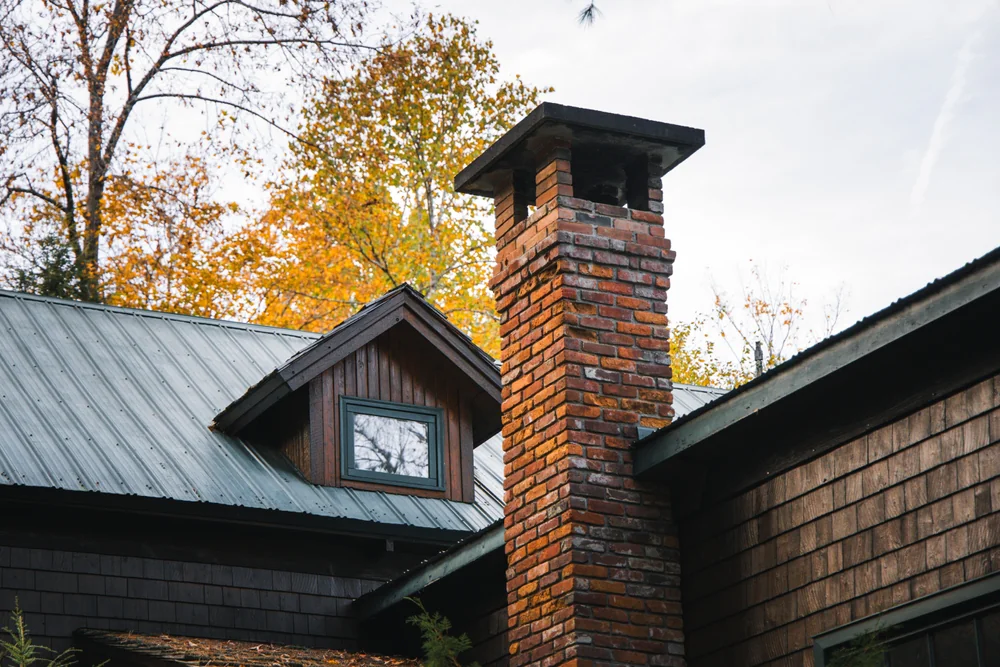
You don’t need to climb on your roof to spot serious problems. Some of the most telling signs are visible right from your yard.
Missing shingles stand out like gaps in a smile, especially after Suffolk County’s frequent wind storms. Even a few missing shingles let moisture in, which freezes, expands, and worsens damage through winter. Curled or cracked shingles signal aging materials that won’t survive the next big storm.
Check your gutters for shingle granules that look like coarse sand. A few granules are normal, but handfuls suggest your shingles are breaking down faster than they should. The granular coating protects shingles from UV rays and weathering. Significant loss means the shingles are wearing out and less able to resist moisture and temperature swings.
Water stains on your ceiling or walls are never good news. These typically appear as brown or yellow discoloration, sometimes with darker rings around the edges. In Suffolk County’s wet climate, they’re often the first indication of serious roof problems. Don’t ignore small stains thinking they’ll stay small. During freeze-thaw cycles, snowmelt can refreeze, widen gaps, and turn a pinhole leak into a steady drip.
Sagging or dips in your roofline indicate structural problems underneath. Water pools in these low spots and finds its way inside through paths you can’t see from the ground. Any sagging may indicate water-damaged decking, compromised rafters, or past snow loads that stressed the structure. These problems worsen as new snow accumulates.
Moss, algae, or dark streaks point to trapped moisture and slow drying. While algae staining alone may not require immediate replacement, biological growth is almost always a symptom of underlying moisture imbalance. Prolonged moisture exposure shortens shingle lifespan significantly, especially in Long Island’s humid summers and shaded, tree-lined neighborhoods.
Your attic’s ventilation system directly impacts how long your roof lasts. Without proper airflow, Suffolk County’s hot summers and humid conditions literally cook your shingles from underneath, cutting your roof’s lifespan in half.
Summer temperatures regularly hit the 80s, but your roof surface absorbs enough solar radiation to reach 170 degrees or higher. Dark asphalt shingles can hit 190 degrees on a sunny July afternoon. Without ventilation, your attic traps that heat. The space between your insulation and roof deck becomes a pressure cooker, with temperatures climbing to 140 degrees or more.
That extreme heat doesn’t just make your air conditioner work harder. It literally cooks your roofing materials from below. The adhesives in your decking deteriorate. Shingles become brittle and crack. The aging process that should take years happens in months.
Winter brings different problems. Your home generates moisture from cooking, showers, and just living. That warm, humid air rises into your attic. When it hits the cold underside of your roof deck, it condenses into water droplets. Over time, that moisture soaks into wood, creating rot. It drips onto insulation, reducing effectiveness. It creates the damp environment where mold thrives.
Suffolk County’s coastal location adds another layer. The humidity here is higher than inland areas. That means more moisture trying to escape through your ceiling, and more condensation forming when it gets trapped in your attic. The combination of heat stress in summer and moisture problems in winter accelerates roof deterioration from both directions.
In a poorly ventilated attic, shingles age twice as fast. A roof that should last 25 years fails in 12 to 15. Proper ventilation isn’t optional if you want your roof to reach its expected lifespan. Most Suffolk County homes benefit from ridge vents paired with continuous soffit vents, creating balanced airflow that protects your roof year-round.
Realistic expectations matter. Your roof in Suffolk County will age faster than national averages suggest, and that’s not a reflection on installation quality or material choice. It’s geography.
Plan for 18 to 25 years with asphalt shingles, schedule inspections twice yearly in spring and fall, and watch for the warning signs we covered. Catching problems early gives you time to plan replacement on your schedule instead of handling it as an emergency during the next nor’easter.
Your roof protects everything you’ve worked for. When it’s time for replacement or you’re seeing signs that concern you, we bring the local expertise and honest approach Suffolk County homeowners need.
Article details:
Share:
Continue learning: