Coastal storms test Suffolk County roofs harder than most. Discover why storm-resistant materials and proper installation matter for Long Island homeowners.
Share:
Summary:
Long Island sits directly in the path of Atlantic coastal weather systems. That means your roof deals with nor’easters rolling in from the ocean, hurricane remnants that still pack serious wind, and coastal storms that combine high winds with driving rain in ways that find every weak spot.
Since 1930, 45 hurricanes have hit Suffolk County. Between those major events, you’re getting nor’easters that dump feet of snow, summer storms with intense rainfall, and constant exposure to salt-laden air from the Sound and Atlantic. Each of these conditions accelerates roof deterioration in specific ways that require more than standard roofer repair approaches.
Standard asphalt shingles might last 25-30 years in controlled environments. In Suffolk County’s coastal climate, that number drops to 15-20 years, sometimes less if you’ve experienced multiple severe storms. The materials weren’t designed for this level of environmental stress. Your roof takes a relentless beating from conditions that inland properties never face, which is why choosing storm-resistant materials matters from day one.
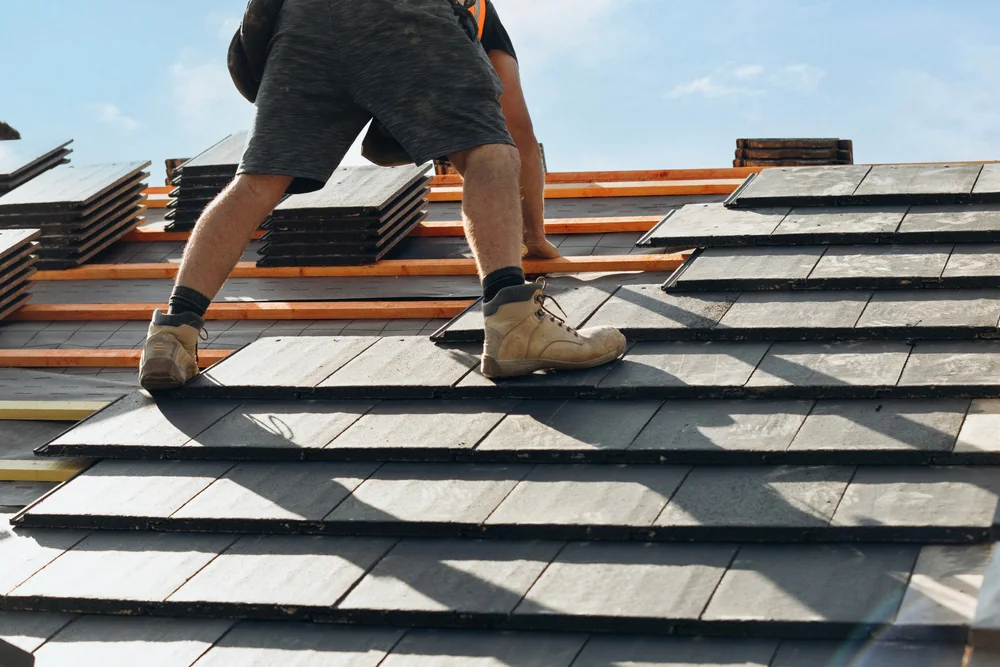
Wind damage starts at the edges and works inward. Coastal storms bring sustained winds that create uplift pressure on your roof, literally trying to peel it away from the structure. Standard shingles start lifting at corners and eaves, then progressive failure spreads across larger sections as wind gets underneath. During Hurricane Sandy, 100,000 residences on Long Island were destroyed or severely damaged, with roof failures being one of the primary entry points for catastrophic water damage.
Salt air corrodes metal components faster than most homeowners realize. Flashing around chimneys, skylights, and vents faces constant exposure to salt particles that settle on surfaces and create corrosive solutions when moisture arrives. This accelerates the deterioration of fasteners, metal flashing, and any exposed hardware. Over time, cracks develop, connections loosen, and gaps form where water penetrates.
Temperature swings create expansion and contraction cycles that standard materials can’t handle long-term. Your roof goes from freezing overnight to warming above freezing during the day, then freezing again. Water gets into every tiny crack during warm periods, then expands when it freezes. This slowly widens cracks with each cycle, turning minor imperfections into entry points for water. A roof that looked fine in October can develop leaks by February because the damage is cumulative.
Heavy snow loads add weight stress that coastal roofs must support repeatedly. Suffolk County gets nor’easters that dump significant snow in short periods. Your roof structure needs to handle this weight without sagging or compromising waterproofing membranes. When snow melts and refreezes at edges, ice dams form, backing water up under shingles and creating leaks that show up far from the actual problem area.
Asphalt shingles lose their protective granule coating faster in salt air. Those granules protect the underlying asphalt from UV damage and weathering. In coastal environments, salt accelerates granule loss, leaving shingles vulnerable to sun damage and brittleness. You’ll notice black streaks, bare spots, and shingles that curl or crack under stress they should normally handle.
Humidity and moisture create perfect conditions for algae, mold, and rot. Long Island’s coastal climate stays humid, especially during summer months. This constant moisture exposure means organic growth on roof surfaces, which traps additional moisture against materials. Wooden components in roof structures face rot risks that inland properties rarely see. Ventilation systems that work fine elsewhere struggle to manage the moisture levels coastal homes experience.
Standard fastening methods don’t provide adequate wind resistance for coastal conditions. Basic installation uses the minimum fasteners required by general building codes. Those codes assume average conditions, not the sustained winds and gusts that Suffolk County experiences during coastal storms. When wind speeds exceed what standard installations can handle, shingles lift, tear, or blow off entirely. The damage often spreads beyond what’s immediately visible from the ground.
Metal components corrode and fail prematurely without proper protective coatings. Standard galvanized steel flashing might last decades inland but fails in years when exposed to salt spray. Fasteners rust, connections weaken, and waterproofing fails at critical transition points around chimneys, vents, and roof valleys. By the time you see obvious rust stains or separated joints, the underlying damage often requires extensive repairs.
The economic reality hits hard when you’re replacing a roof every 15-18 years instead of the advertised 25-30. You’re paying for materials that can’t deliver their promised lifespan in coastal conditions. Each premature replacement costs thousands, and the cycle continues unless you upgrade to materials actually engineered for the environment your roof faces daily.
Want live answers?
Connect with a Home Team Construction expert for fast, friendly support.
Metal roofing systems deliver the best overall performance in coastal environments. Standing seam metal roofs withstand wind speeds of 130-160+ mph, well beyond what standard shingles can handle. The interlocking panel design prevents wind from getting underneath, and concealed fasteners eliminate the weak points that exposed screws create. Metal doesn’t absorb moisture, resists algae growth, and handles temperature swings without the expansion issues that plague other materials.
Aluminum and galvalume standing seam systems resist salt air corrosion that destroys steel within 1500 feet of saltwater. If your home sits close to the Sound or Atlantic, aluminum won’t rust even with constant salt spray exposure. The material costs more upfront, but you’re looking at 40-70 years of performance versus 15-20 for coastal asphalt installations. The math favors metal when you calculate total cost of ownership.
Impact-resistant architectural shingles offer a middle ground for homeowners who want enhanced protection without metal roofing costs. Class 4 rated shingles withstand impacts from hail and flying debris that would crack standard materials. These use SBS polymer-modified asphalt that creates flexibility and toughness under storm conditions. Wind ratings reach 110-130 mph when properly installed with enhanced fastening systems.
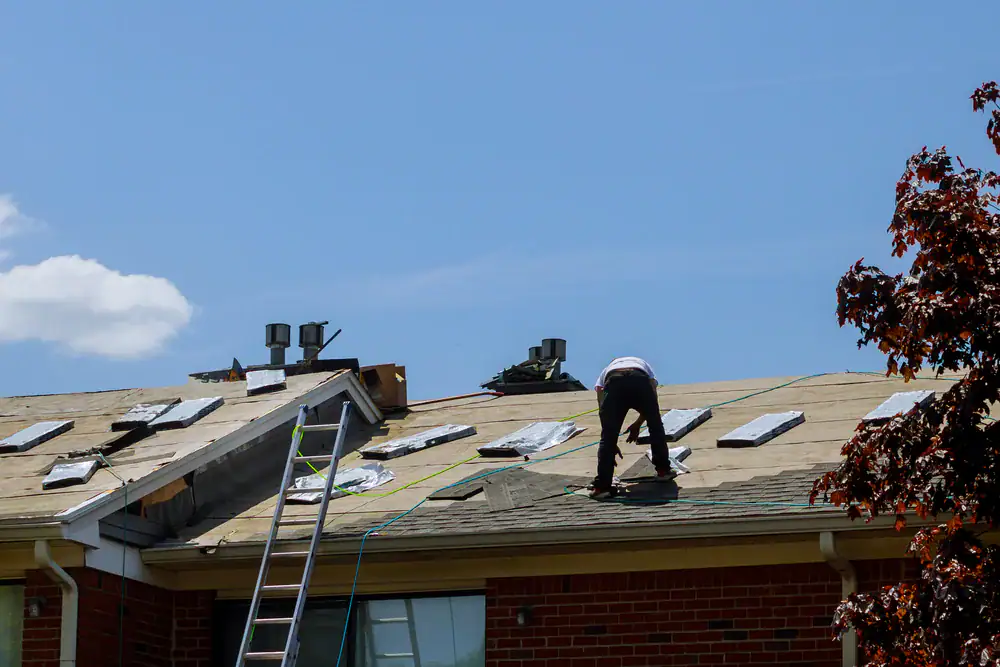
Class 4 represents the highest impact resistance rating available for roofing materials. The UL 2218 testing standard drops a 2-inch steel ball from 20 feet onto shingles multiple times. Materials that withstand this impact without cracking earn Class 4 certification. This matters in Suffolk County because coastal storms generate wind-blown debris that standard shingles can’t handle without damage.
Impact resistance and wind resistance are separate ratings that both matter for storm protection. Class 4 shingles resist the debris impacts that flying branches and objects create during high winds. Wind ratings measure how well materials stay attached to the roof structure under sustained wind pressure and gusts. You need both high impact resistance and high wind ratings for complete coastal storm protection.
Enhanced shingles can resist winds up to 110-130 mph when installed correctly with proper fastening density. This requires more fasteners than standard roof installations, placed at specific intervals that increase holding power. Edges, corners, and ridges experience the highest wind pressures during storms, so these areas need reinforced attachment methods. Professional roofer repair and installation following manufacturer specifications is critical because improper fastening voids warranties and creates failure points.
Insurance companies recognize the value of impact-resistant roofing in coastal areas. Many providers offer premium discounts for homes with Class 4 roofs because they see fewer claims after major storms. The discount varies by insurer and location, but it can offset some of the higher material costs over time. More importantly, you’re reducing the likelihood of filing claims that increase your premiums or risk policy cancellation after repeated storm damage.
The upfront cost difference between standard and impact-resistant shingles runs about 10-25% higher. For an average Suffolk County home, that might mean $1,500-$3,000 additional investment. When you factor in extended lifespan, reduced repairs, insurance savings, and avoiding emergency replacement costs during peak demand after major storms, the enhanced materials pay for themselves.
Even premium materials underperform when installation quality falls short. The best metal roofing or Class 4 shingles won’t protect your home if fasteners are spaced incorrectly, flashing is improperly sealed, or underlayment doesn’t meet coastal requirements. Installation quality determines whether your roof delivers its rated performance or fails during the next major storm.
Suffolk County building codes have specific requirements for coastal installations that exceed general standards. These codes recognize the enhanced wind loads, moisture exposure, and environmental stresses that coastal properties face. We work regularly in the area and understand these requirements and know how local building departments enforce them. Permits aren’t optional red tape—they ensure installations meet the standards that protect your home and maintain your insurance coverage.
Proper underlayment and waterproofing membranes create critical backup protection during wind-driven rain events. When coastal storms hit, rain doesn’t fall straight down—it comes sideways with enough force to find every gap and seam. Enhanced underlayment materials like self-adhering ice and water barriers provide secondary waterproofing at vulnerable areas. Valleys, eaves, and roof penetrations need this extra protection to prevent water infiltration when primary materials are stressed by extreme conditions.
Flashing installation requires precision that separates professional work from inadequate repairs. Metal flashing around chimneys, skylights, and vents must be installed with correct overlap, proper sealant application, and attachment methods that maintain integrity during thermal expansion and contraction. Coastal installations face accelerated corrosion, so material selection and protective coatings matter. A $500 flashing repair done right prevents the $5,000 water damage that develops when it’s done wrong.
Ventilation systems need proper design and installation to manage the moisture levels coastal homes experience. Inadequate attic ventilation creates condensation problems that mimic roof leaks, causing water stains and mold growth without any actual breach in the roof surface. Proper intake and exhaust ventilation moves humid air out before it condenses on cold surfaces. This extends material lifespan and prevents rot in roof decking and framing.
Warranty protection depends entirely on professional installation following manufacturer specifications. Material warranties from GAF, Owens Corning, CertainTeed, and metal roofing manufacturers require certified installation to remain valid. If your contractor cuts corners or doesn’t follow specifications, you lose warranty coverage when problems develop. Enhanced warranties that cover both materials and labor for 25-50 years only apply when certified contractors complete the work.
Your roof faces weather challenges that test materials and installation quality every season. Nor’easters, coastal storms, salt air, and temperature extremes create conditions where standard solutions simply don’t deliver long-term protection. Storm-resistant materials engineered for coastal environments, combined with professional installation that meets local codes and manufacturer specifications, provide the performance Long Island homes actually need.
The investment in proper materials and expert installation pays off through extended lifespan, reduced repairs, lower insurance costs, and peace of mind during storm season. You’re not just buying shingles or panels—you’re buying years without emergency repair calls, protection for everything inside your home, and freedom from the anxiety that comes with watching weather forecasts.
When you’re ready to discuss storm-resistant roofing options for your Suffolk County property, we bring the local experience and professional expertise that Long Island homeowners trust. We understand what coastal weather does to roofs because we’ve been fixing storm damage and installing lasting solutions for over a decade in this exact environment.
Article details:
Share:
Continue learning: