Hear From Our Clients
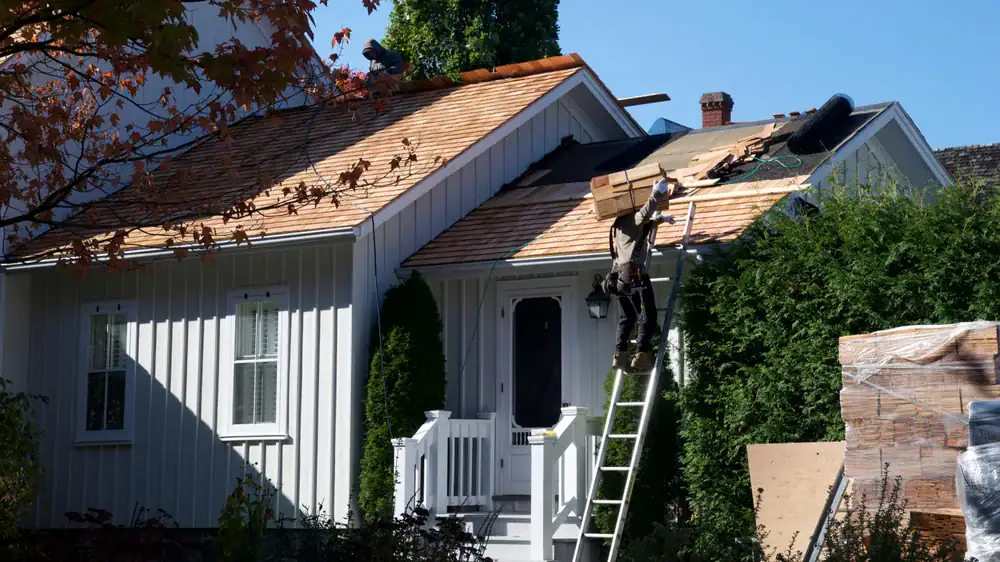
You’re not just replacing shingles. You’re buying back your peace of mind before the next hurricane warning hits your phone.
A new roof means your insurance company stops sending those threatening letters about policy cancellation. It means you’re not climbing into the attic with a flashlight every time it rains hard. It means your premiums drop 10-25% annually instead of climbing because your roof’s hitting that 15-year mark insurers hate.
When the forecast shows another nor’easter rolling up the coast, you’ll actually sleep through it. That’s what a proper roof installation does for North Sea homeowners—it removes the constant low-grade anxiety that comes with living near the Atlantic.
Your home’s value stays protected. Your family stays dry. And you stop being one bad storm away from a five-figure emergency.
Home Team Construction is a family-owned roofing company that’s spent over two decades installing and replacing roofs across Suffolk County. We’re the roofer contractor North Sea homeowners call when they need work done right—no runaround, no surprises.
We’re licensed and insured, and we live here. We know what Long Island weather does to roofing systems because we see it every day. We know which materials hold up against salt air and which ones fail in three years. We know what local building codes require and what insurance companies actually look for during inspections.
You’re not getting a crew that showed up from somewhere else chasing storm work. You’re getting professionals who’ve built our reputation one roof at a time in your community, and who’ll still be here when you need us five years from now.
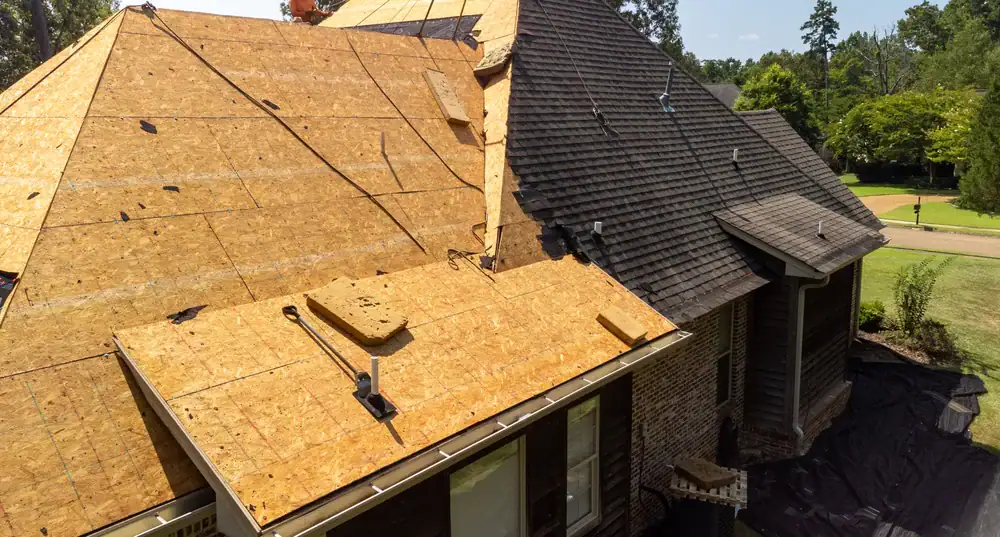
We start with a thorough inspection of your current roof—not a five-minute glance from the driveway. We’re looking at decking condition, ventilation, flashing, and any underlying issues that need addressing before new materials go on.
You get a detailed estimate that breaks down materials, labor, and timeline. No vague line items. No surprises when the work’s done. If we find something during tear-off that changes the scope, we talk to you before proceeding.
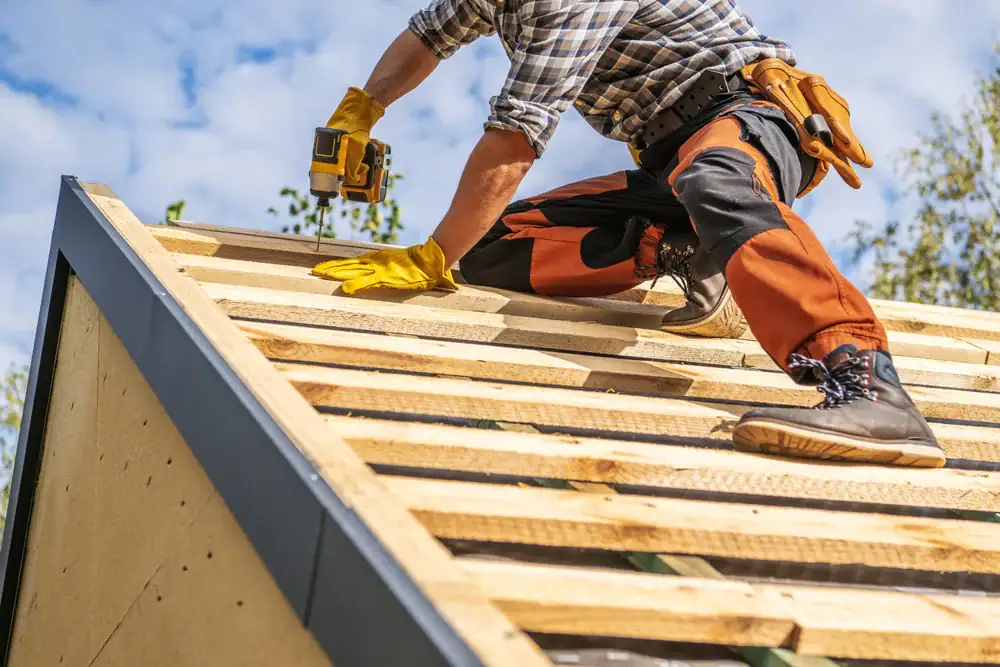
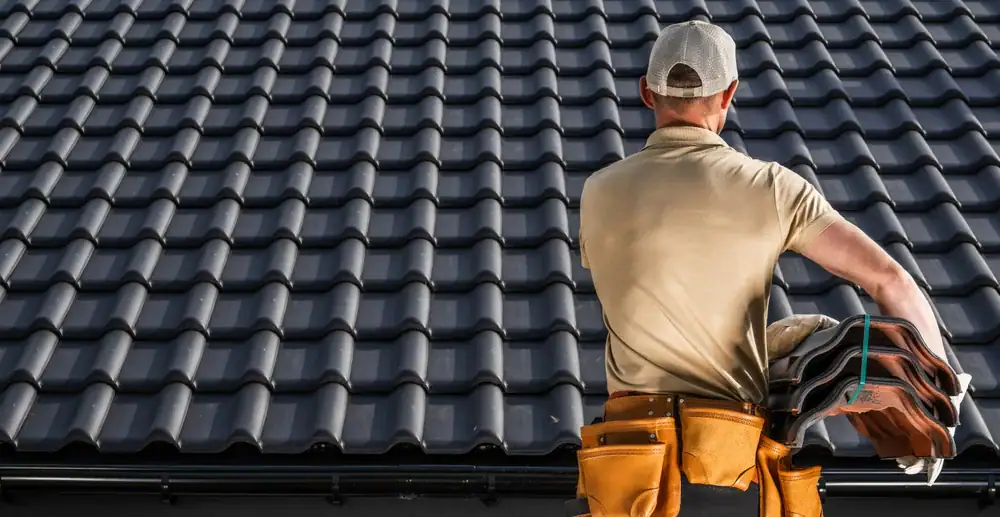
Installation starts with complete tear-off down to the decking. We inspect and replace any damaged sheathing, install proper underlayment and ice barriers, then install your new roofing system—whether that’s architectural shingles, metal roofing, or another material suited to coastal conditions. Every penetration gets properly flashed. Every valley gets extra protection.
We handle permits and inspections. When we’re done, you get photos of the completed work and documentation for your insurance company. Your property gets cleaned up like we were never there—except for the new roof overhead.
Ready to get started?
North Sea sits right on the Atlantic, which means your roof takes a beating most inland homes never see. Salt air corrodes standard materials faster. Hurricane-force winds test every fastener. Winter nor’easters dump heavy, wet snow that stresses structural elements.
That’s why we install impact-resistant shingles rated for high winds—the kind that qualify you for additional insurance discounts. We use corrosion-resistant flashing and fasteners designed for coastal environments. Proper ventilation gets built in to prevent moisture accumulation that leads to premature failure.
Your installation includes ice and water barriers in vulnerable areas, upgraded underlayment for secondary water protection, and custom-fabricated elements that fit tighter than pre-formed parts. We’re not just meeting code—we’re building to the standard Long Island’s weather actually demands.
You also get gutters, downspouts, and proper drainage solutions if needed. A new roof doesn’t help much if water’s pooling against your foundation or overflowing gutters during heavy rain. We look at the complete water management system, not just what’s overhead.
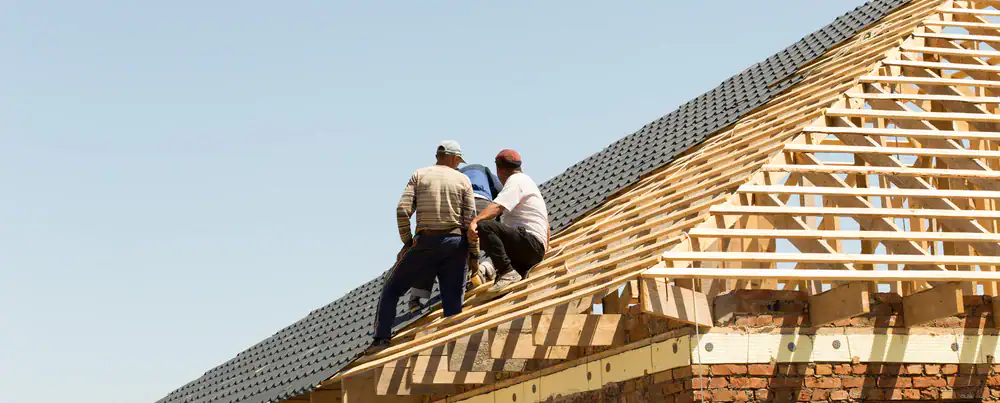
Most roof installations in North Sea run between $8,000 and $25,000 depending on size, pitch, material choice, and current condition. A typical 2,000 square foot home with architectural shingles usually lands in the $12,000-$18,000 range.
Metal roofing costs more upfront—often $18,000-$30,000 for the same home—but lasts 40-50 years instead of 20-25. For coastal properties dealing with salt air, that longevity often makes metal the smarter long-term investment despite higher initial cost.
Impact-resistant shingles add roughly 10-20% to material costs but can reduce your insurance premiums by 15-30% annually. On a $2,000 yearly premium, that’s $300-$600 back in your pocket every year. The upgrade pays for itself in 3-5 years, then keeps saving you money for the life of the roof.
Yes. Most insurance companies in New York reduce premiums by 10-25% for homes with new roofs, and you can stack additional discounts on top of that base reduction.
If you install Class 4 impact-resistant shingles—the highest rating for hail and impact resistance—you typically qualify for another 15-30% discount. Combined, you’re looking at potential savings of $400-$800 annually on a typical North Sea homeowner’s policy.
The bigger benefit might be avoiding the penalty. Insurance companies often increase premiums by 25-50% once your roof hits 15-20 years old, and some will non-renew your policy entirely if the roof’s condition fails inspection. A new roof removes that threat completely and can actually make your home insurable again if you’ve received cancellation notices.
Bring your contractor’s completion documentation and photos to your insurance agent. Most companies process the discount within one billing cycle.
Most residential roof installations take 2-4 days from tear-off to completion. A straightforward ranch with easy access might be done in two days. A larger two-story home with multiple valleys, chimneys, and skylights might take four.
Weather affects the timeline more than anything else. We don’t install roofing in rain or high winds—not because we don’t want to work, but because proper installation requires dry conditions for adhesives to bond and materials to seal correctly. If the forecast shows afternoon storms, we might start early and work a shorter day rather than risk compromising your roof’s integrity.
We’ll give you a realistic timeline upfront and keep you updated if weather or unexpected conditions change the schedule. Most homeowners are surprised how fast it goes—you leave for work with an old roof and come home to a nearly completed new one.
Your home stays protected throughout the process. We tarp any areas left exposed overnight and never leave your home vulnerable to weather.
Architectural shingles with algae-resistant properties and Class 4 impact ratings are the most popular choice for North Sea homes—they balance cost, durability, and insurance benefits well.
Metal roofing is the longest-lasting option for coastal environments. Salt air corrodes standard materials, but metal roofing with proper coatings resists corrosion and easily handles hurricane-force winds. You’re looking at 40-50 years of service life versus 20-25 for shingles. The higher upfront cost makes sense if you’re planning to stay in the home long-term.
Avoid basic three-tab shingles. They’re cheaper initially but don’t hold up to Long Island’s weather. You’ll replace them sooner, deal with more repairs, and won’t qualify for the same insurance discounts. The small savings upfront costs you more over time.
Whatever material you choose, proper installation matters more than the product itself. The best shingles in the world fail if they’re not installed correctly for coastal wind conditions. That means proper fastener placement, adequate underlayment, and attention to flashing details around every penetration.
Yes. Southampton Town requires building permits for roof replacement work, and the installation needs to pass inspection before it’s considered complete.
Your roofing contractor should handle the permit process—pulling permits, scheduling inspections, and ensuring the work meets current building codes. If a contractor suggests skipping permits to save money or time, that’s a red flag. Unpermitted work can cause serious problems when you sell the home or file an insurance claim.
The permit process typically adds 3-7 days to the project timeline while we wait for approval and schedule inspections, but it protects you. The building inspector verifies that decking is sound, flashing is installed correctly, and the roof meets wind rating requirements for coastal areas.
Permit costs in Southampton Town usually run $200-$500 depending on project scope. That’s a small price for the protection it provides—both from a legal standpoint and from ensuring the work meets the standards your home needs to withstand Long Island weather.
If your roof is under 12 years old and damage is isolated to one area—maybe a few missing shingles after a storm or a small leak around a chimney—repair usually makes sense. If you’re past 15 years or seeing problems in multiple areas, replacement is typically the smarter move.
Insurance companies start getting nervous about roofs once they hit 15-20 years old regardless of condition. You might face higher premiums, coverage limitations, or non-renewal notices even if the roof looks fine from the ground. At that point, replacement becomes a financial decision as much as a structural one.
Multiple leaks, widespread granule loss, curling shingles, or sagging areas all point toward replacement. So does finding out your decking has water damage or rot—that needs addressing before any surface repairs will hold.
The honest answer usually becomes clear during a thorough inspection. We’ll look at the roof’s age, current condition, extent of any damage, and what your insurance situation looks like. Sometimes repair buys you a few more years. Sometimes it’s throwing money at a roof that needs replacing anyway. We’ll tell you which situation you’re actually in.
Other Services we provide in North Sea