
Home Team Construction's Guides
Deciding between roof repair and replacement? Discover the key factors Suffolk County homeowners should consider for lasting protection.
Share:

Summary:
Damage that is contained to a small area of the roof will usually only warrant a repair, such as missing a few shingles in one spot or if a branch only hit one spot on the roof and didn’t leak. Minor repairs work when you’re dealing with isolated problems that haven’t compromised your roof’s overall integrity.
Roof repairs are ideal for small problem areas such as a puncture from a fallen branch or a single leak, requiring fewer materials and time, costing a fraction of the price of a new installation, and are the best option for newer roofs that still have years of good protection left. If your roof is relatively young and the damage is limited, repairs can buy you several more years of reliable protection.
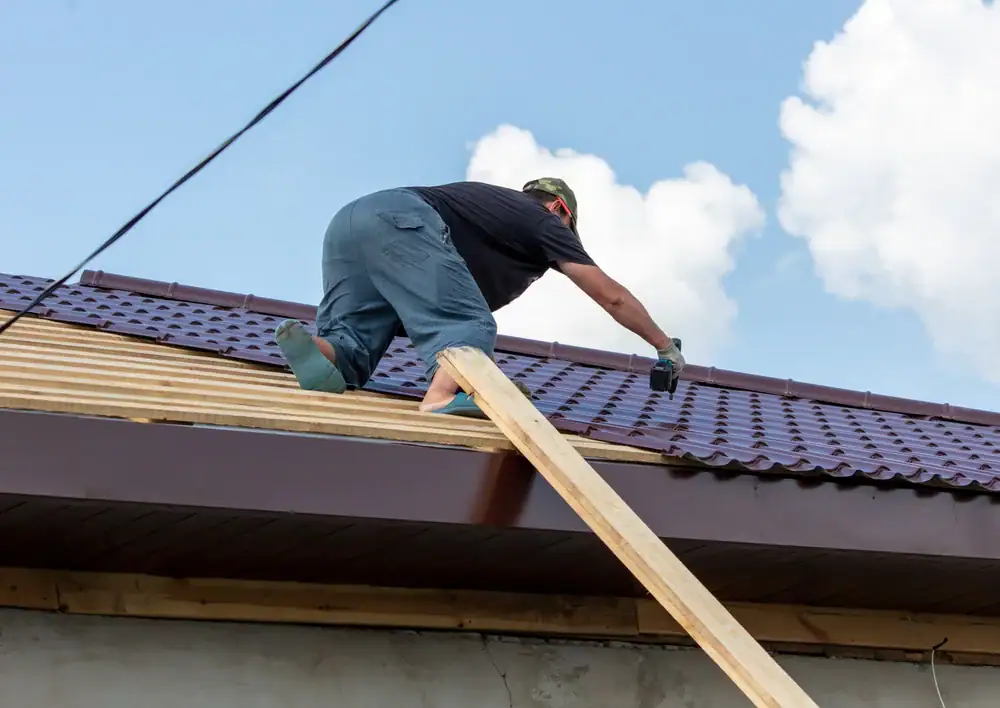
Replacement is needed when damage affects more than 30% of the roof surface, structural components (decking, rafters) are compromised, the roof was already near end-of-life before the storm, or repair costs exceed 50% of replacement cost. This industry standard helps you make objective decisions based on actual damage extent rather than emotions.
The general rule is that if more than 25 to 30% of the roof is damaged, replacement is often the best option because widespread damage compromises the overall integrity of the roofing system, making localized repairs ineffective or merely a short-term solution. When storms hit Suffolk County with the intensity we see regularly, damage often spreads beyond what’s immediately visible.
Having damage all over the roof or really extensive damage will likely require a full replacement, as your roof might’ve been hit by branches without you noticing, resulting in leaks. What looks like a few missing shingles from the ground often reveals itself as systemic damage once professionals inspect the underlayment and decking.
Some damage can be repaired, but when these signs appear, replacement is the better investment: multiple leaks with recurring water stains on ceilings or walls, and widespread missing shingles with large bare patches after a storm. These are clear indicators that your roof’s protective barrier has been fundamentally compromised.
The key is getting a professional assessment quickly. You should get your roof inspected as soon as safely possible, ideally within 24-48 hours, as many insurance policies have time limits for filing claims, and undetected damage can worsen over time, leading to leaks, mold, and structural issues.
Choosing roof repair after roof repair, or making multiple repairs over the years, often leads to spending more money in the long run than investing in a full replacement up front. This cycle traps many Long Island homeowners who think they’re saving money by avoiding the big expense.
It’s tempting to keep patching up an old roof to save money, but over time, repair costs can add up and exceed the cost of a full replacement, which is why replacing your roof is often the better financial decision. Each repair addresses symptoms without solving the underlying problem of an aging system.
Over time, weak spots compromise insulation, rot the decking, and reduce overall structural strength, which is why a post-storm inspection by a qualified roofing company helps homeowners catch early warning signs before costly repairs are needed. What starts as a small leak can spread through your roof’s layers, creating expensive structural damage.
Frequent repairs not only add up financially but also create ongoing inconvenience for you as a homeowner, while a one-time replacement eliminates the need for repeated visits from contractors and keeps your home protected long term. Consider the disruption to your daily life every time contractors need to return for another patch job.
The math becomes clear when you track total spending over time. Even if repairs can be performed, they may not extend the roof’s lifespan enough to justify the cost, as new leaks or failures could crop up in other areas soon after, making a full replacement provide a long-term solution that prevents ongoing repair expenses.
Want live answers?
Connect with a Home Team Construction expert for fast, friendly support.
Roof replacements should be considered if you have an older roof that is in need of multiple repairs, and while a new roof installation may be more expensive upfront, in the long term it can be cheaper than constant repairs. The decision point comes when repair costs start approaching replacement costs.
Age is one of the most common factors in determining when to schedule a roof replacement, as your roofing system can last from 25-100+ years on average, based on the material you choose. If your roof is approaching its expected lifespan, replacement becomes the logical choice even for moderate damage.

Complete replacement costs more initially—typically $15,000-$25,000 for average Long Island homes versus $10,000-$18,000 for roof-overs, with that $3,000-$7,500 savings looking significant until you factor in shorter lifespan, concealed problems, structural concerns, and reduced home value. Understanding true long-term costs helps you make better financial decisions.
Depending on shingle quality, roof complexity and size, cost of new roof replacements in Long Island vary between $5,000 to $31,000, with new asphalt roofing costs ranging from $5.00 to $9.00 per square foot and standard asphalt roof replacement cost for a 1,500 sf roof being $10,500. These numbers give you realistic budget expectations for Suffolk County projects.
Full replacement lasts 25-30 years with proper materials and installation, while roof-overs last only 15-20 years because trapped moisture, poor ventilation, and concealed damage accelerate deterioration, meaning over your ownership period, you’ll re-roof sooner with a roof-over, paying more total money for less protection.
A roof replacement does more than just fix leaks; it comes with a host of benefits that make it a valuable home improvement investment, providing a fresh start designed to withstand the elements and protect your home for decades, with new materials and modern construction methods offering better durability and reliability compared to older, worn-out roofs.
The return on investment extends beyond just protection. If you’re planning to sell your home, a fresh roof is one of the first things potential buyers will appreciate, showing that the home has been well-maintained and reducing concerns about future repairs, making your property more appealing on the market.
Many homeowners report a 10%–20% reduction in heating and cooling costs after upgrading to an efficient roof, with cool roofs and reflective materials reducing summer cooling costs significantly. These savings add up substantially over a roof’s 25-30 year lifespan.
A new roof installation is more energy-efficient and designed to prevent cold or hot air from leaking into your home, with recent roof installation options helping lower energy bills and providing comfort during extreme weather like storms. Modern roofing systems create better thermal barriers than older installations.
Modern roofing materials often come with improved energy-efficiency features, such as heat-reflecting coatings or better insulation, helping you save on your utility bills. These technological advances weren’t available when older roofs were installed, making replacement an upgrade in performance.
Metal roofs are more sustainable and energy-efficient, offering potential long-term savings on utility bills by reflecting solar radiant heat, meaning that your home stays cooler during hot summer months, reducing the need for air conditioning. For Suffolk County’s humid summers, this translates to meaningful savings.
Complete replacement allows inspecting and repairing hidden damage before it worsens, provides proper ventilation that extends roof life and reduces energy costs, maintains home values and prevents resale complications, and most importantly, delivers 25-30 years of reliable protection versus 15-20 years from roof-overs. The comprehensive approach addresses multiple issues simultaneously.
A replacement roof is an investment that pays off over time, with lower maintenance costs, energy savings, and higher resale value providing total return that far outweighs the upfront expense of continual repairs. When you factor in all benefits, replacement often proves more economical than the repair cycle.
The choice between roof repair and replacement ultimately depends on your roof’s age, extent of damage, and your long-term plans for the property. The best way to be sure about the condition of your roof and how repairing vs. replacing will impact it is by hiring a professional roofer to do an inspection.
Determining whether to repair or replace your roof after storm damage requires careful consideration of the extent of the damage, the roof’s age, insurance coverage, and the long-term benefits. Don’t make this decision based on upfront costs alone—factor in the total cost of ownership over the next decade.
When you’re ready for an honest assessment of your roof’s condition and your best options moving forward, we at Home Team Construction provide the expertise Suffolk County homeowners trust. Our experienced team will help you understand exactly what your roof needs and why, so you can make the decision that’s right for your home and budget.
Article details:
Share:
Continue learning: