
Hear From Our Clients
You’re not dealing with water stains spreading across your ceiling. You’re not smelling smoke in your living room when you light a fire. Your heating bills aren’t climbing because your chimney can’t draw properly.
When your chimney system works the way it should, your home stays warm without the constant worry. No more wondering if that crack in the crown is going to turn into a $4,000 rebuild. No more lying awake during storms hoping the flashing holds.
You get a chimney that handles what Long Island throws at it—salt air, freeze-thaw cycles, nor’easters. One that’s been repaired with materials designed for coastal conditions, not the standard stuff that fails in five years. You get to use your fireplace without second-guessing whether it’s safe. That’s what proper chimney repair does.
We’ve spent over a decade working on chimneys in Suffolk County. We’re licensed, insured, and we know exactly what coastal weather does to your chimney system. We’ve seen what happens when contractors use the wrong mortar mix or skip the marine-grade components that actually last here.
Shirley homeowners deal with unique challenges. The salt air eats through standard materials. Temperature swings crack mortar joints. Winter storms test every weak point in your flashing. We don’t use cookie-cutter solutions because they don’t work in this environment.
You’re getting honest assessments, clear explanations of what’s wrong, and repair options that make sense for your situation and budget. No pressure, no overselling. Just the work that needs to happen to keep your chimney safe and functional.
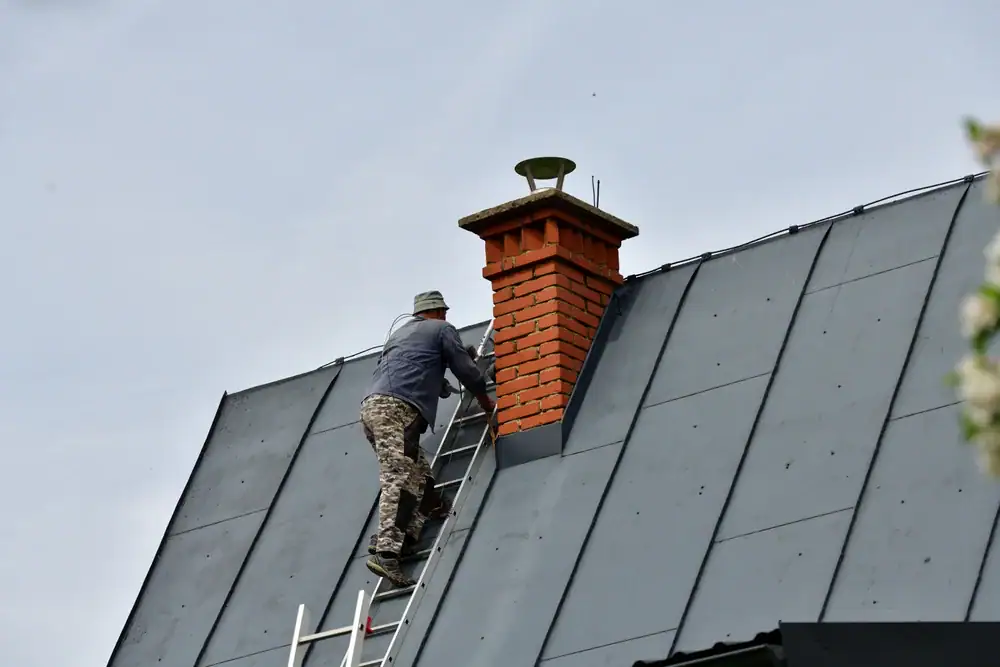
First, we inspect your entire chimney system. Not just the part you’re worried about—the whole thing. Crown, flashing, masonry, liner, cap. We’re looking for the obvious problems and the ones you can’t see yet. We take photos so you can see what we’re seeing.
Then we explain what’s actually wrong. What caused it, what happens if you don’t fix it, and what it costs to make it right. You get options, not a sales pitch. If you’ve got a small leak that needs flashing repair, we’re not going to tell you the whole chimney needs rebuilding.
Once you decide to move forward, we schedule the work around your life. We use materials designed for Suffolk County’s coastal conditions—the mortar mixes, sealants, and components that hold up to salt air and temperature extremes. When we’re done, you get documentation of everything we did and a warranty that covers both labor and materials. You know exactly what was fixed and what to expect going forward.

Ready to get started?
We handle chimney crown repair when cracks let water into your masonry. We fix chimney flashing that’s lifted or corroded from coastal weather. We replace caps that should be keeping water and animals out but aren’t doing their job anymore. We do masonry tuckpointing and brick repair when mortar joints have deteriorated from salt exposure and freeze-thaw cycles.
Shirley’s proximity to the coast means your chimney takes a beating. Salt penetrates brickwork. Water freezes in cracks and expands. Storms test every seal and joint. Standard repair materials don’t cut it here. We use marine-grade components, specialized sealants rated for coastal exposure, and mortar mixes with additives that resist salt and moisture damage.
You’re also getting chimney leak repair that addresses the actual source—not just the symptoms. Water damage spreads fast in Suffolk County homes, and the average repair bill runs $2,500 to $7,500 once it gets into your walls and insulation. We find where water’s getting in and stop it before you’re dealing with foundation issues and basement flooding. Every repair comes with a comprehensive warranty and detailed documentation for your records.
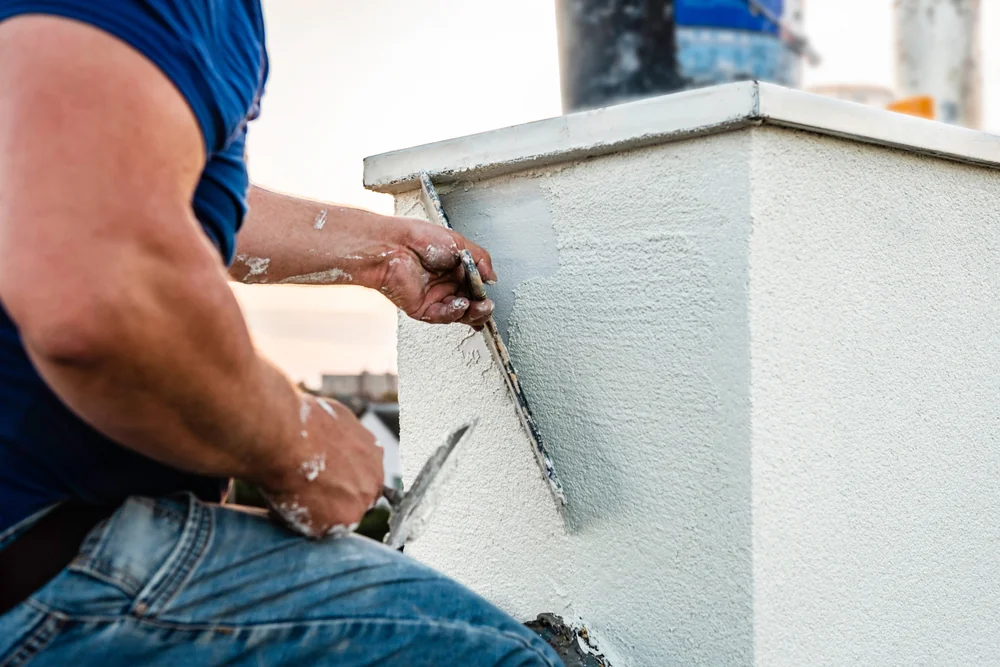
Basic chimney repairs in Suffolk County typically start around $350 for minor mortar work and can run up to $1,200 for repointing. Chimney flashing repair usually falls between $400 and $900 depending on how much needs replacing. Crown repairs range from $600 to $1,500. Full chimney rebuilds can exceed $4,000.
Long Island costs run higher than national averages because of regional labor rates and stricter building codes. Coastal areas like Shirley also require marine-grade materials that cost more but actually last in salt air and harsh weather.
The real cost comes from waiting. A $300 flashing repair turns into $3,000 in water damage when you put it off. A cracked crown that needs $800 in work becomes a $4,000 rebuild after a few freeze-thaw cycles. The longer you wait, the more expensive it gets—and the more of your home gets damaged in the process.
You need repair if you’ve got isolated problems—cracked crown, damaged flashing, deteriorating mortar joints, or a broken cap. These are fixable issues that don’t require tearing down the whole chimney. You’re looking at targeted work that addresses specific weak points.
You need replacement if the structural integrity is compromised. Major lean or tilt, extensive brick damage throughout, a failing liner that can’t be relined, or widespread deterioration from years of neglect. When more than 25% of your chimney has serious damage, replacement often makes more financial sense than trying to patch everything.
The only way to know for sure is a thorough inspection. We check the entire system—inside and out, top to bottom. We’re looking at mortar condition, brick integrity, flashing status, crown condition, cap function, and liner safety. You get photos of what we find and a clear explanation of whether you need targeted repairs or a full replacement. No guessing, no upselling.
Chimney leaks in Shirley usually come from four places. Failed flashing where the chimney meets your roof—coastal weather corrodes it and storms lift it. Cracked crowns that let water into the masonry. Missing or damaged caps that should be keeping rain out. Deteriorated mortar joints that salt air has eaten through.
Water doesn’t always show up where it’s getting in. You might see stains on your living room ceiling, but the leak’s actually at the flashing ten feet away. Water travels along rafters and through walls before you notice it. That’s why we inspect the whole system, not just the wet spot.
We fix leaks by addressing the actual entry point. If it’s flashing, we remove the old material and install new flashing with proper seals and marine-grade components. If it’s the crown, we repair or rebuild it with waterproof sealant designed for coastal exposure. If it’s mortar joints, we repoint with the right mix for salt air. We don’t just patch the visible damage—we stop water from getting in at all.
Most chimney repairs take one to three days depending on what needs fixing. Simple flashing repair or cap replacement might be done in a day. Crown repair and masonry tuckpointing usually take two days. Extensive brick repair or multiple issues can stretch to three days or more.
Weather affects the timeline in Suffolk County. We can’t do masonry work in freezing temperatures or heavy rain. Mortar needs proper conditions to cure, especially with the coastal humidity here. If we start a job and weather turns, we protect your chimney and resume when conditions are right. Rushing masonry work in bad weather just means it fails faster.
We schedule around your life and give you realistic timeframes upfront. You’ll know when we’re starting, how long it should take, and what could delay it. We don’t leave jobs half-finished or disappear for weeks between visits. Once we start your repair, we see it through to completion.
Yes, but only if the repair addresses ventilation issues. Carbon monoxide poisoning happens when combustion gases can’t vent properly—usually from blockages, damaged liners, or structural problems that restrict airflow. Over 200 people die every year from carbon monoxide related to heating systems, and most cases stem from poor maintenance or blocked flues.
During inspection, we check for obstructions, liner damage, and anything that could prevent proper venting. Cracked liners let carbon monoxide seep into your home instead of venting outside. Blocked flues from debris or animal nests trap gases. Damaged chimney structure can create backdrafts that push fumes into living spaces.
If we find ventilation problems, we fix them as priority work. Liner repair or replacement, blockage removal, structural repairs that restore proper draw. We don’t mess around with carbon monoxide risks—it’s colorless, odorless, and deadly. You get a clear explanation of what’s compromising your ventilation and what needs to happen to make your chimney safe. This isn’t optional work you can put off.
Coastal conditions destroy standard chimney materials faster than inland environments. Salt air penetrates brick and mortar, causing deterioration from the inside out. Constant moisture exposure from ocean humidity accelerates freeze-thaw damage. Temperature swings between summer heat and winter cold stress materials that aren’t designed for it.
Standard mortar mixes don’t have the additives needed to resist salt penetration. Regular chimney caps corrode quickly in coastal air. Basic sealants break down under constant moisture exposure. These materials might last fifteen years inland—they fail in five or less here in Suffolk County.
We use marine-grade components, mortar mixes with salt-resistant additives, stainless steel caps that won’t corrode, and sealants rated for coastal exposure. It costs more upfront, but you’re not redoing the same repairs every few years. The materials we use are designed for the environment your chimney actually lives in—not some generic national standard that doesn’t account for Long Island’s coastal reality.
Other Services we provide in Shirley