
Hear From Our Clients
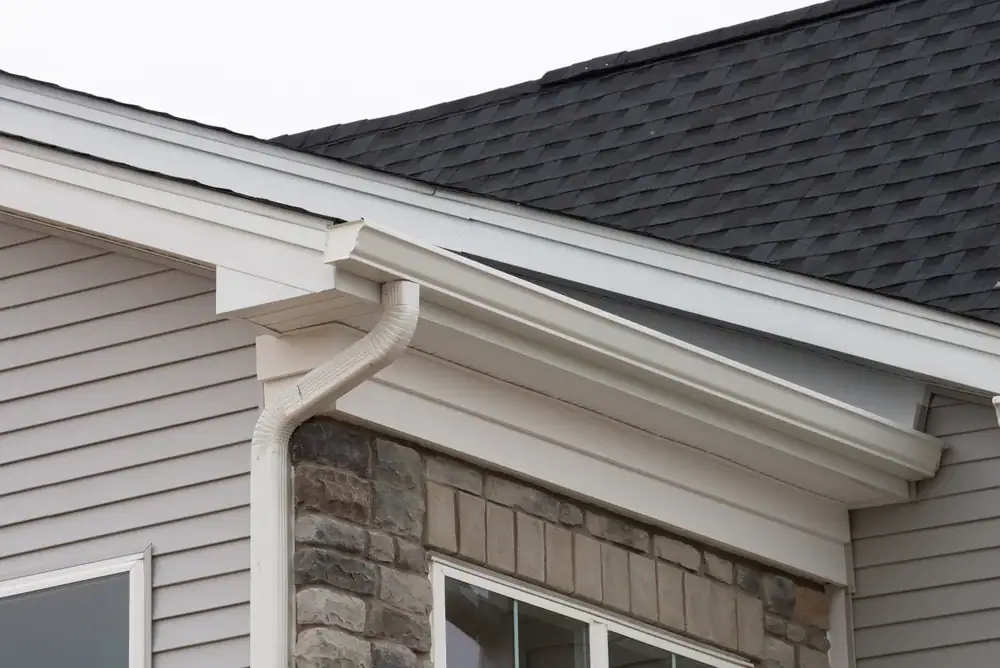
You’re not dealing with a small crack anymore. Water’s getting in through the crown, the flashing, or those crumbling mortar joints you’ve been watching deteriorate for two winters. Every rainstorm makes it worse, and now you’re seeing stains on the ceiling or smelling moisture in the walls.
Here’s what happens when we fix it right. The leaks stop completely because we address the actual entry points, not just the symptoms. Your heating system vents properly, which means no more carbon monoxide concerns or inefficient burning. The structural damage stops spreading before it reaches your roofline or interior walls.
Most importantly, you stop losing money. A $600 chimney flashing repair today prevents a $5,000 emergency rebuild next year. That’s not a sales pitch, that’s just how water damage works in Suffolk County. The salt air accelerates everything, and once moisture gets into your masonry, the freeze-thaw cycle does the rest.
You get a chimney that handles Long Island weather the way it should. No more worrying every time it rains. No more temporary fixes that fail after one season.
Home Team Construction handles exterior repairs throughout Suffolk County, and we’ve seen what Long Island’s coastal climate does to chimneys. The same patterns show up in Wyandanch homes: deteriorated mortar from salt air, cracked crowns from temperature swings, failed flashing from wind-driven rain.
We’re not a national franchise following a script. We’re local chimney contractors who understand that a repair done in Wyandanch needs to account for humidity, coastal storms, and the fact that your mortar won’t last as long here as it would inland. That’s why we use marine-grade materials and techniques designed for this specific environment.
You’re hiring people who’ve repaired hundreds of chimneys in this area. We know what works, what fails, and what you actually need versus what some companies will try to sell you.
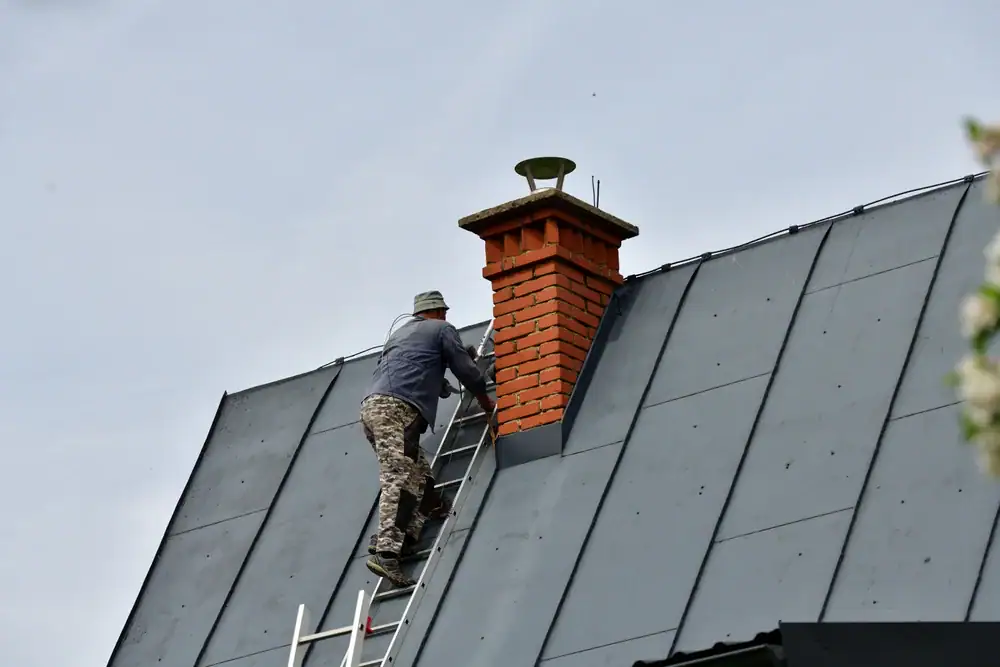
We start with a complete inspection of your chimney system, not just the obvious problem area. That means checking the crown, the flashing, the mortar joints, the cap, and the interior flue. Most leaks have multiple entry points, and fixing just one won’t solve your problem.
Once we identify everything that needs attention, you get a clear breakdown of what’s wrong and what it’ll cost to fix. No surprises, no upselling. If your mortar joints are failing, we’ll show you exactly where and explain why it’s happening faster here than it would in other parts of the country.
The actual repair depends on what your chimney needs. Chimney flashing repair involves removing the old flashing, properly sealing the intersection between your chimney and roof, and installing new flashing that’s actually rated for coastal environments. Masonry work means removing deteriorated mortar, repointing the joints with the right mix, and sealing everything against moisture intrusion.
We handle chimney leak repair by addressing every entry point we found during inspection. That might mean rebuilding the crown, replacing the cap, fixing the flashing, and repointing the mortar. Sounds like a lot, but it’s what actually stops the water.
You’ll know the timeline before we start, and we clean up completely when we’re done. Most repairs take one to three days depending on extent of damage.

Ready to get started?
Every chimney repair includes a full system inspection because you need to know everything that’s wrong, not just what’s visible from the ground. We document the damage, explain what caused it, and show you exactly what needs to happen.
The repair itself uses materials designed for Long Island’s climate. Standard mortar mixes and basic flashing materials fail faster here because of salt air and temperature extremes. We use marine-grade sealants, proper mortar ratios for coastal environments, and flashing that won’t corrode in two years.
You get specific solutions for Wyandanch conditions. Homes here face the same challenges as the rest of Suffolk County: salt air drawing moisture into brick, freeze-thaw cycles expanding that moisture and cracking masonry, coastal storms driving water into every gap and crack. Your repair accounts for all of that.
Most chimney repair companies will fix what you called about and leave. We fix what’s actually wrong. That includes the problems you can’t see yet but will cause issues within a year. It’s the difference between a repair that lasts and one that buys you six months.
You also get honest communication about costs. Chimney repairs in Suffolk County typically run $450 to $1,100 for crown work, $300 to $800 for flashing, and $500 to $2,000 for masonry repointing depending on extent. If your chimney needs a complete rebuild, that’s a different conversation, and we’ll tell you upfront.
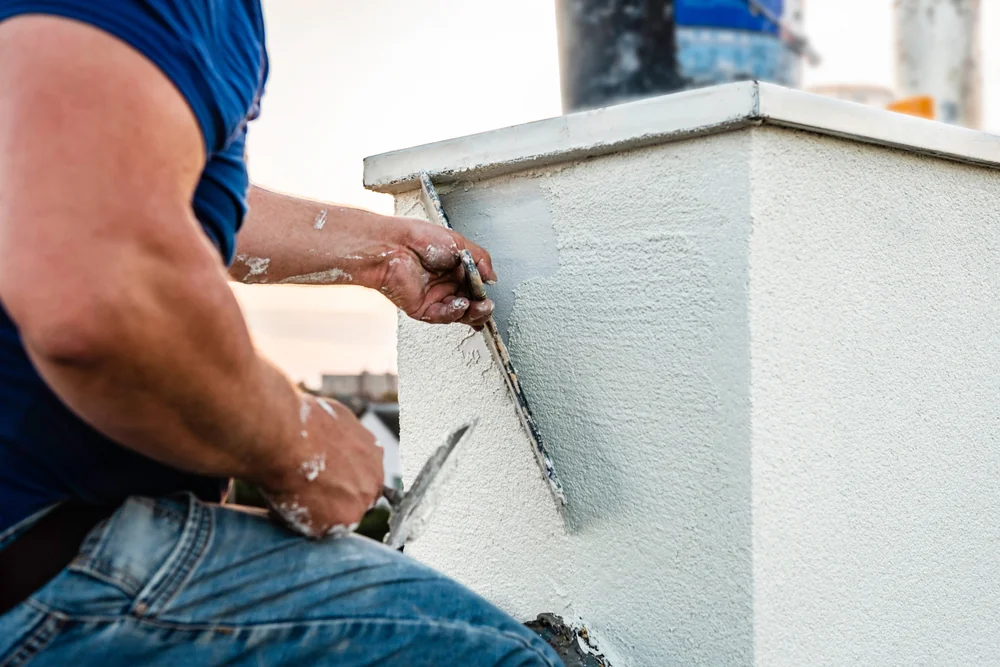
Most chimney repairs in Wyandanch run between $450 and $2,000 depending on what’s damaged and how far the deterioration has spread. Chimney flashing repair typically costs $300 to $800. Crown repairs range from $450 to $1,100, and complete crown rebuilds run $900 to $2,200. Masonry repointing costs $500 to $2,000 depending on how many joints need work.
Here’s what affects your actual cost: how long the damage has been happening, whether water has spread beyond the chimney into your roof structure, and what materials your chimney was built with. A small flashing leak caught early might cost $400. That same leak ignored for two years could mean $3,000 in combined chimney and roof repairs.
Long Island costs run slightly higher than inland areas because repairs here require marine-grade materials and techniques designed for salt air and coastal weather. Standard materials fail faster, so using them is actually more expensive long-term. You’ll get an exact price after we inspect your chimney and identify all the damage, not just the obvious problems.
Water gets into Long Island chimneys through four main entry points: cracked or deteriorated crowns, failed flashing, eroded mortar joints, and missing or damaged caps. Suffolk County’s coastal climate accelerates all of these problems faster than you’d see in other regions.
The crown is that concrete or mortar cap at the top of your chimney. Temperature swings cause it to crack, and once water seeps into those cracks, freeze-thaw cycles make them worse every winter. Salt air draws moisture into the cracks even when it’s not raining, which speeds up deterioration.
Flashing is the metal seal between your chimney and roof. It fails because of improper installation, corrosion from salt air, or movement from temperature changes. Once the seal breaks, water runs straight down into your walls and attic. Mortar joints erode because salt air is corrosive, and the sand-based mortar used in most chimneys literally dissolves over time in coastal environments. What should last 25 years inland might only last 15 years here.
Missing or damaged caps let rain pour directly down your flue, which causes interior damage and deteriorates the chimney from the inside out. Most Wyandanch chimney leaks involve multiple failed points, not just one problem.
A properly done chimney repair using marine-grade materials should last 15 to 20 years in Wyandanch and the rest of Suffolk County. That’s shorter than the 25 to 30 years you’d expect inland, but it’s realistic for coastal environments where salt air and weather are more aggressive.
The longevity depends entirely on materials and technique. Standard mortar mixes and basic flashing materials might only last 5 to 10 years here because they’re not designed for salt air corrosion and constant moisture exposure. Marine-grade sealants, proper mortar ratios for coastal climates, and corrosion-resistant flashing materials last significantly longer.
Your chimney’s exposure also matters. Chimneys on the windward side of your house take more abuse from wind-driven rain and salt air. Chimneys shaded by trees stay damper longer, which accelerates mortar deterioration. These factors affect lifespan, but proper materials and installation are still the biggest variables.
Regular maintenance extends the life of any repair. An annual inspection catches small issues before they become major problems. Resealing the crown every few years prevents water intrusion. Keeping your cap in good condition stops rain from getting inside. Most homeowners skip this maintenance and then wonder why their repair didn’t last.
You can handle minor tasks like installing a chimney cap or cleaning out debris, but actual chimney masonry repair and flashing work requires professional chimney contractors. Here’s why: most chimney leaks involve multiple failure points that aren’t obvious from the ground, and fixing just the visible damage won’t stop the water.
Proper flashing installation requires removing shingles, sealing the intersection correctly, and integrating the flashing with your roof’s water management system. Do it wrong and you’ve just created new leak points. Mortar repointing looks simple but requires the right mix ratio for coastal environments, proper joint preparation, and correct application technique. Use the wrong mortar or apply it incorrectly and it’ll fail within a year.
Crown repairs involve working at height on a sloped surface while mixing and applying materials that need to cure properly. Safety aside, most homeowners don’t have the equipment or experience to do this correctly. One improperly mixed crown repair can cost more to fix than hiring professionals in the first place.
The bigger issue is diagnosis. You might see water stains and assume it’s the flashing, but the actual entry point could be the crown, the mortar joints, or multiple areas. Professional chimney repair companies identify all the problems during inspection, which means the repair actually stops the leaks instead of just addressing symptoms. DIY repairs usually end up costing more because homeowners fix the wrong thing first, then call professionals after the problem gets worse.
Chimney repair fixes specific damaged components like the crown, flashing, mortar joints, or cap while leaving the main structure intact. Chimney replacement means tearing down the existing chimney and rebuilding it from the roofline up, or in some cases, from the foundation up.
You need repair when the damage is localized: deteriorated mortar joints, a cracked crown, failed flashing, or a damaged cap. These problems are fixable without touching the main chimney structure. Most Wyandanch chimneys fall into this category, even when the damage looks extensive.
You need replacement when the structural integrity is compromised: the chimney is leaning, the brick is spalling extensively throughout the structure, the interior flue is collapsing, or water damage has deteriorated the chimney beyond the point where repairs would hold. This is less common but does happen, especially in older homes where chimney maintenance was ignored for decades.
Cost difference is significant. Repairs typically run $500 to $2,500 depending on extent. Replacement starts around $4,000 and can exceed $10,000 for complete rebuilds from the foundation. That’s why accurate diagnosis matters. Some chimney repair companies will recommend replacement when repair would actually work, and some homeowners try to repair chimneys that genuinely need replacement.
We’ll tell you honestly which situation you’re dealing with. If your chimney can be repaired, we’ll explain exactly what needs to happen and how long it’ll last. If it needs replacement, we’ll show you why repair won’t work and what replacement involves.
You have an emergency if you’re seeing active water intrusion during rain, smelling gas or smoke inside your home when the fireplace is running, noticing visible structural movement or leaning, or seeing large pieces of brick or masonry falling from the chimney. These situations need immediate attention because they’re either causing ongoing damage or creating safety hazards.
Active leaks during rainstorms mean water is pouring into your walls, attic, or living spaces right now. Every hour it continues causes more damage to insulation, drywall, framing, and anything else in the water’s path. This spreads fast and turns a chimney repair into a chimney plus roof plus interior repair.
Smoke or gas smell inside your home means the flue isn’t venting properly, which creates carbon monoxide risk. This is a safety issue, not just a repair issue. Stop using the fireplace immediately and get it inspected.
Visible leaning or structural movement means the chimney’s stability is compromised. Chimneys are heavy, and if the foundation or structure is failing, you’re looking at potential collapse. Falling bricks or masonry pieces indicate advanced deterioration that’s accelerating.
Non-emergency damage includes old water stains that aren’t getting worse, minor mortar erosion, small crown cracks, or a missing cap when you’re not actively using the fireplace. These still need repair, but you have time to schedule it properly rather than paying emergency rates. That said, don’t wait too long. Non-emergency damage becomes emergency damage fast in Long Island’s climate, especially once winter freeze-thaw cycles start.
Other Services we provide in Wyandanch