
Hear From Our Clients
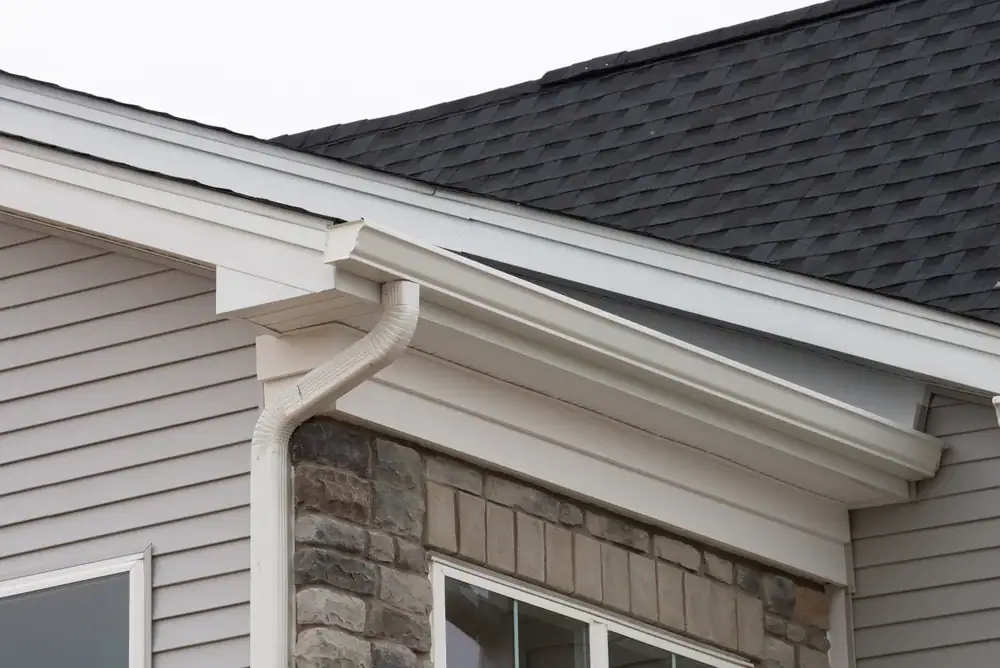
You shouldn’t have to wonder if your chimney is leaking into your walls or putting your family at risk. Water stains on your ceiling, crumbling mortar, or a smoky smell when you run your heat aren’t things you can ignore until spring.
Deer Park’s coastal climate is brutal on chimneys. Salt air corrodes metal flashing and caps faster than you’d expect. Freeze-thaw cycles crack mortar joints every winter. What starts as a small leak becomes structural damage that costs thousands to fix if you wait.
When we repair your chimney, you get marine-grade materials designed for Long Island’s conditions, proper flashing that actually keeps water out, and work that holds up against nor’easters and summer humidity. You’re not guessing whether it’s fixed. You know it is because we live here too, and our reputation depends on doing it right.
We’ve been serving Suffolk County homeowners for over 10 years. We’re licensed, insured, and local—not some crew that shows up from out of state, does questionable work, and disappears.
We understand Deer Park’s housing stock. Older homes with original masonry chimneys. Coastal exposure that accelerates deterioration. Homeowners who’ve been burned by contractors who didn’t show up or didn’t finish the job.
When you call us, you’re getting Alban and his team—people who live and work in your neighborhood. We show up when we say we will, explain what needs fixing and why, and clean up when we’re done. Our work reflects on us in the community, so we don’t cut corners.
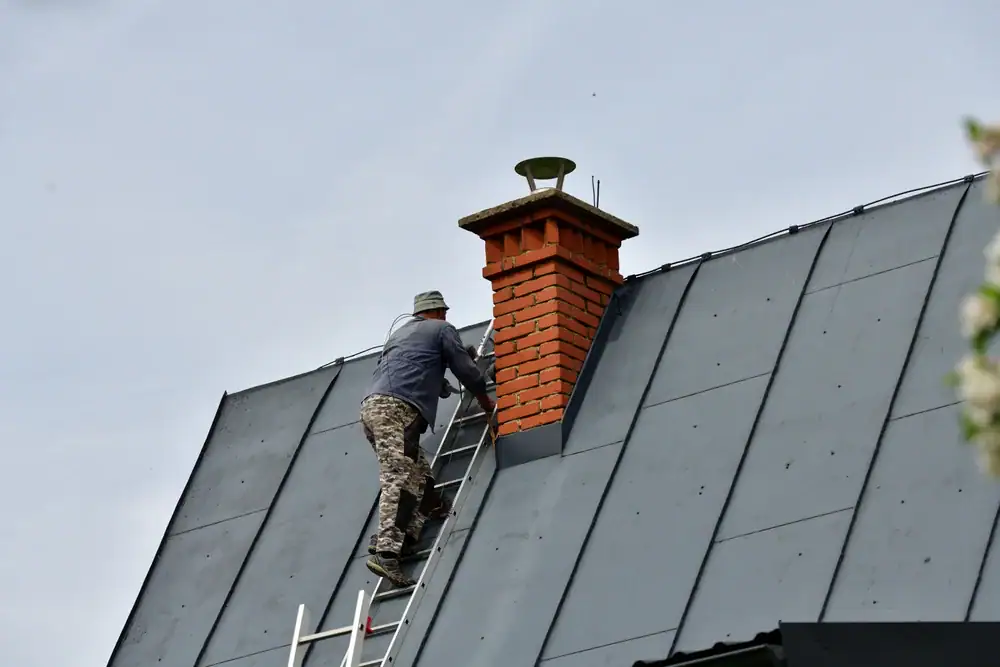
First, we come out and actually look at your chimney—inside and out. We’re checking for cracks in the crown, damaged flashing, spalling bricks, creosote buildup, and whether your cap is doing its job. We take photos so you can see what we’re seeing.
Then we give you a straightforward estimate. No pressure, no upselling services you don’t need. If your chimney just needs repointing and a new cap, that’s what we tell you. If the flashing is shot and water’s been getting into your walls, we’ll show you why that matters and what it costs to fix it properly.
Once you’re ready to move forward, we schedule the work around your life—not ours. We use marine-grade fasteners and materials rated for coastal conditions because standard materials fail early here. Every repair includes proper flashing, sealed joints, and a final inspection to make sure everything’s watertight. You get photo updates as we go, and we walk you through what we did before we leave.

Ready to get started?
Chimney flashing repair is one of the most common jobs we do in Deer Park. Flashing is the metal seal between your chimney and roof, and when it fails, water pours into your attic and walls. We remove old, corroded flashing and install new step flashing and counter flashing with marine-grade fasteners that won’t rust out in three years.
Masonry repair covers everything from repointing mortar joints to rebuilding chimney crowns. Salt air on Long Island penetrates brickwork and causes spalling—where the brick face pops off. We remove damaged bricks, repoint joints with weather-resistant mortar, and rebuild crowns using proper slope and sealant so water runs off instead of pooling.
Chimney caps and chase covers get replaced when they’re rusted through or missing. A good cap keeps rain, animals, and debris out of your flue while allowing smoke to vent properly. We install stainless steel caps designed for coastal exposure—not the cheap aluminum ones that corrode in two seasons. If your chimney has structural issues, a damaged liner, or needs a full rebuild, we’ll tell you upfront what’s required and why. Deer Park homeowners deal with unique challenges—older housing stock, coastal weather, and the reality that deferred maintenance gets expensive fast here.
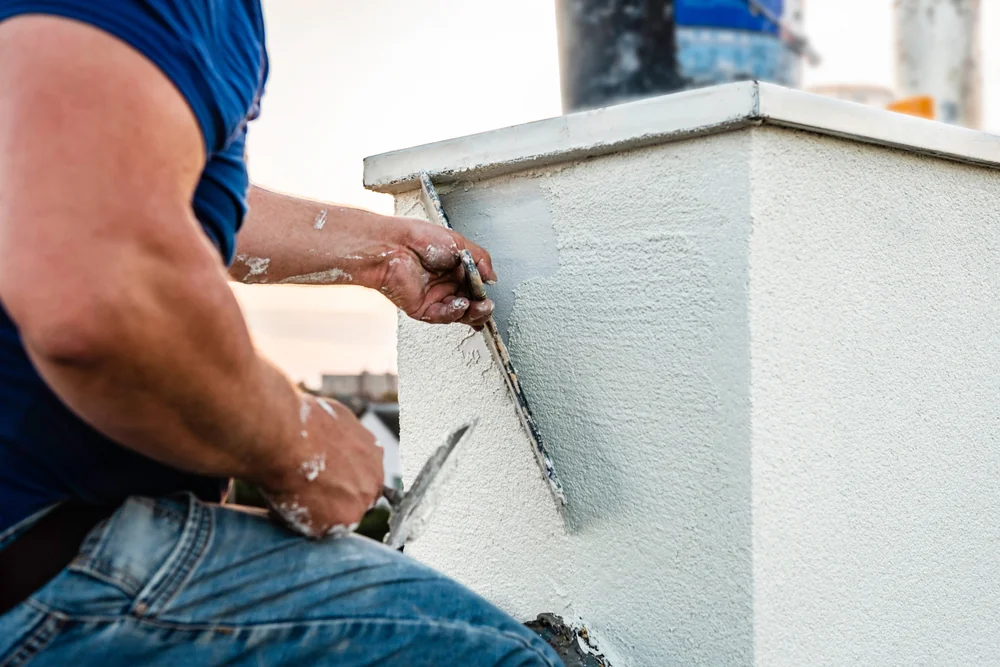
Minor repairs like repointing mortar joints or replacing a chimney cap typically run $350 to $1,200 in Deer Park. Chimney flashing repair costs $450 to $1,100 depending on the size of your chimney and how much flashing needs replacement. Crown repair averages $450 to $1,100, while a complete crown rebuild ranges from $900 to $2,200.
Major structural work—like rebuilding a collapsed chimney or replacing a damaged liner—can run several thousand dollars. Long Island costs run higher than national averages because of labor rates, material costs, and the marine-grade components required for coastal exposure.
The real cost question isn’t what repair costs now. It’s what you’ll pay if you wait. A $400 flashing repair today beats a $4,000 water damage repair next year. Emergency repairs during heating season can cost two to three times more than preventive work done in spring or summer when contractors aren’t slammed.
Cleaning removes creosote and soot from inside your flue. Repair fixes structural problems with the chimney itself. You need cleaning if you use your fireplace or wood stove regularly—ideally once a year, sometimes twice if you burn a lot of wood.
You need repair if you see water stains on your ceiling near the chimney, crumbling mortar between bricks, pieces of brick or concrete in your fireplace, white staining on the exterior bricks (efflorescence from salt and moisture), or a rusted or missing chimney cap. If your chimney smells musty or you notice drafting problems when you run your fireplace, that’s often a structural issue, not just a dirty flue.
Many Deer Park homeowners discover they need both. The chimney sweep finds cracks or damage during cleaning and recommends repair. Or we come out for a repair estimate and realize the flue hasn’t been cleaned in years, which creates a fire hazard. A chimney in poor condition costs more to clean because of heavy creosote buildup or blockages from animal nests—problems more common in neglected chimneys.
Water doesn’t stay in one place. A chimney leak starts at the flashing or crown, runs down inside your walls, soaks insulation, rots framing, and eventually shows up as ceiling stains or mold. By the time you see the stain, water’s been getting in for months.
Freeze-thaw cycles make it worse. Water seeps into small cracks, freezes, expands, and cracks the masonry further. What starts as a hairline crack becomes spalling bricks and failing mortar joints. Salt air accelerates the damage because salt particles absorb moisture and crystallize inside the brickwork, pushing it apart from the inside.
The longer you wait, the more expensive it gets. A $600 flashing repair becomes a $2,500 masonry rebuild plus $3,000 in water damage repairs to your attic and interior walls. Insurance often won’t cover gradual water damage from deferred maintenance—only sudden storm damage. Deer Park homeowners deal with coastal weather year-round, so small problems become expensive problems fast here.
Yes. Storm damage doesn’t wait for business hours, and neither do we. If a nor’easter knocks your chimney cap off or damages your flashing, we’ll get out there as quickly as possible to assess the damage and make temporary repairs to prevent further water intrusion.
That said, emergency repairs cost more—sometimes two to three times more than scheduled work. You’re paying for immediate response, after-hours labor, and the reality that we’re bumping other jobs to handle your emergency. The smarter play is preventive maintenance before storm season.
Most chimney emergencies in Deer Park are preventable. Homeowners ignore small problems until they become big problems, then call during a storm when every contractor is slammed. If your chimney cap is rusted, your flashing is lifting, or your mortar is crumbling, fix it in April or May—not during the first nor’easter in November. You’ll get better pricing, better availability, and you won’t be scrambling to find someone who can come out today.
Simple repairs like replacing a chimney cap or repointing a few mortar joints take a few hours. Flashing replacement usually takes half a day to a full day depending on chimney size and roof access. Crown repair or rebuild can take one to two days because the mortar needs time to cure properly.
Larger jobs—like rebuilding a section of chimney or replacing a liner—can take several days. Weather affects the timeline too. We can’t apply mortar or sealant in freezing temperatures or heavy rain, so winter repairs sometimes take longer than summer work.
We’ll give you a realistic timeline upfront based on what your chimney needs. Most Deer Park homeowners are more concerned about the work being done right than it being done fast. Rushing a chimney repair to save a few hours means callbacks, leaks, and redoing work that should’ve been done properly the first time. We’d rather take an extra day and know it’s watertight than rush through it and have you call us back next month.
Yes. We provide complete documentation for insurance claims—photos, detailed damage assessments, and repair estimates that insurance adjusters need to evaluate your claim. We’ve worked with every major insurance company serving Long Island, so we know exactly what they’re looking for.
Storm damage is usually covered if it’s sudden and accidental—like a tree falling on your chimney or wind tearing off your cap during a nor’easter. Gradual deterioration from deferred maintenance typically isn’t covered. Insurance companies want to see that you’ve maintained your chimney, so keep records of inspections and cleanings.
We’ll walk you through the process, but we don’t deal directly with your insurance company—that’s between you and them. Our job is giving you thorough documentation that supports your claim and helps you get fair compensation for necessary repairs. Some Deer Park homeowners are surprised to learn their chimney damage is covered when they thought it wasn’t, so it’s worth filing a claim even if you’re not sure.
Other Services we provide in Deer Park