Hear From Our Clients
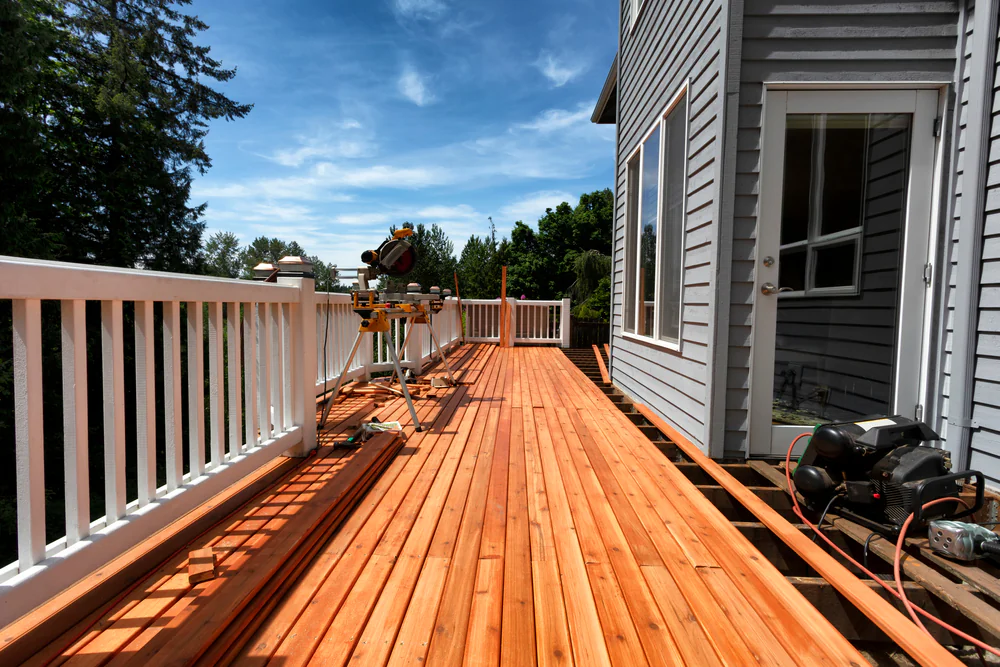
You’ve noticed the soft spots. Maybe a railing that moves when you lean on it. Boards that look darker than they should, or feel spongy underfoot.
Those aren’t cosmetic issues. They’re structural problems that get worse every season you wait. And in Deer Park, with our humid summers and freeze-thaw winters, “worse” happens fast.
Most deck problems don’t need a full rebuild. They need someone who knows what actually needs fixing and what doesn’t. We inspect the whole structure—posts, joists, ledger boards, railings, decking—and tell you exactly what’s compromised and why. Then we fix it with materials that’ll hold up to Long Island weather: pressure-treated lumber where it makes sense, composite where it doesn’t, and corrosion-resistant hardware that won’t fail in three years.
You get a deck you can use safely again. Your family isn’t stepping on rotted boards. Your guests aren’t gripping wobbly railings. And you’re not writing a check for a full replacement when a targeted repair would’ve done the job.
We’re Home Team Construction, and we’ve spent more than 10 years repairing decks across Suffolk County. We know what Long Island weather does to outdoor structures because we’ve seen it hundreds of times.
Deer Park homeowners deal with the same climate challenges as the rest of the island: salt air that corrodes fasteners, humidity that gets into wood and won’t leave, winters that freeze moisture inside boards and crack them from the inside out. Your deck takes a beating, and most contractors either want to replace the whole thing or patch it with materials that’ll fail again in two years.
We’re licensed, insured, and we’ve built our reputation on telling you what you actually need. Not what makes us the most money. If your deck can be repaired, we’ll repair it. If it can’t, we’ll tell you why and show you what’s wrong.
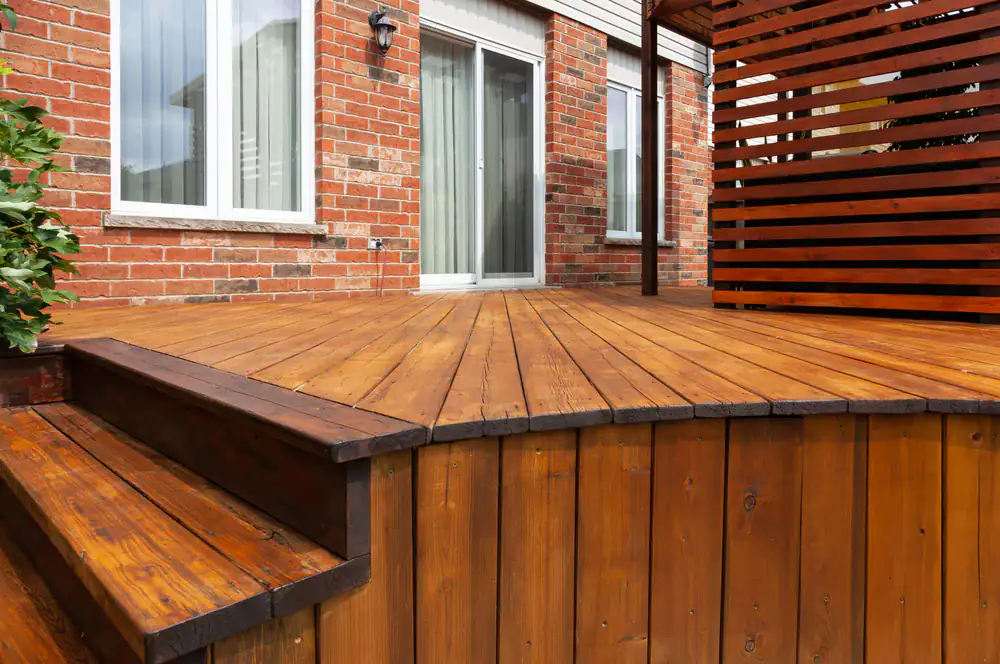
First, we come out and inspect your deck. Not just the surface—we’re looking at the structure underneath. We check the ledger board attachment, the posts and footings, the joists, the flashing, the railings, and every board on the surface. We’re looking for rot, loose connections, failing hardware, and moisture damage.
Then we explain what we found. We’ll show you what’s rotted, what’s loose, and what’s compromised by water or age. We tell you what needs to be fixed now, what can wait, and what doesn’t need to be touched. You get a clear breakdown of the work and the cost before we do anything.
Once you approve the plan, we get to work. Most repairs take one to three days depending on the scope. We replace rotted boards and posts with pressure-treated lumber or composite materials that match your existing deck. We reinstall railings with proper blocking and corrosion-resistant fasteners. We address any structural issues at the ledger board or joist level. And we clean up when we’re done.
You’re left with a deck that’s safe to use, built to last, and backed by our warranty on both labor and materials.
Ready to get started?
When we repair your deck, you’re getting a full structural assessment, not just a board swap. We replace any rotted or damaged decking boards with materials suited for Suffolk County’s coastal climate. We repair or rebuild railings that don’t meet code or have compromised connections. We address structural issues like rotted posts, failing joists, or ledger boards that aren’t properly flashed or attached.
In Deer Park, most of the deck damage we see comes from moisture. Water gets into the wood through cracks, gaps in the finish, or improper flashing at the ledger board. Once it’s in there, our humid summers keep it from drying out, and our freeze-thaw winters expand and contract that moisture until the wood splits or rots from the inside.
We use pressure-treated lumber for structural repairs and composite materials where it makes sense for longevity. All hardware is corrosion-resistant—no cheap fasteners that’ll rust out in a few years. If your deck has code violations or safety issues, we bring it up to current standards. And if we find small problems that aren’t urgent yet, we’ll point them out so you can address them before they become expensive.

Most deck repairs in Deer Park run between $1,000 and $5,000, depending on what’s wrong and how much of the structure is compromised. A simple repair—replacing a few rotted boards or tightening loose railings—might cost $1,000 to $2,000. More involved work, like replacing support posts, rebuilding sections of framing, or addressing ledger board issues, can run $3,000 to $5,000.
The cost depends on the scope of the damage and what materials we’re using. Pressure-treated lumber is less expensive than composite, but composite lasts longer in Long Island’s climate. If your deck has structural issues that weren’t caught early, the repair cost goes up because we’re fixing more than just the surface.
The longer you wait, the more expensive it gets. A $1,500 repair today can turn into a $10,000 replacement next year if water damage spreads to the joists or posts. We give you a clear estimate after the inspection so you know exactly what you’re paying for.
Most deck repairs take one to three days, depending on what needs to be fixed. If we’re replacing a few boards and tightening railings, that’s usually a one-day job. If we’re rebuilding a section of railing, replacing rotted posts, or addressing structural issues with the framing, it might take two to three days.
Weather can affect the timeline. We’re not working in the rain, and we need dry conditions for certain repairs to set properly. If we’re replacing a large section of decking or doing structural work, we’ll stage the job so your deck is safe and usable at the end of each day.
We’ll give you a timeline during the estimate so you know what to expect. We don’t drag jobs out, and we don’t leave your deck torn apart for weeks. We get in, fix what’s broken, and get out.
It depends on how much of the structure is compromised. If the damage is limited to the decking boards, railings, or a few isolated areas, repair makes sense. If the framing is rotted, the ledger board is failing, or more than 40% of the structure is compromised, replacement is usually the better option.
We’ll tell you which one makes sense after we inspect your deck. We’re not trying to sell you a replacement if a repair will do the job. But we’re also not going to patch a deck that’s structurally unsafe just to save you money in the short term.
Most decks we see in Deer Park can be repaired. The damage is usually surface-level or limited to a few problem areas where water got in and wasn’t addressed. If we catch it early, we can fix it before it spreads to the framing. If it’s been ignored for years, the repair cost starts to approach replacement cost, and at that point replacement makes more sense.
Most deck damage in Deer Park comes from moisture. Water gets into the wood through cracks in the finish, gaps between boards, or improper flashing where the deck attaches to your house. Once it’s in there, Long Island’s humid summers keep it from drying out, and the freeze-thaw cycles in winter expand and contract that moisture until the wood cracks or rots.
Salt air doesn’t help. If you’re anywhere near the coast, corrosion on fasteners and hardware is common. Cheap screws and nails rust out, connections loosen, and boards start to move. That movement creates more gaps, more water gets in, and the cycle continues.
You can slow it down by keeping your deck clean, resealing or staining it every two to three years, and making sure water drains off the surface instead of pooling. Check the flashing at the ledger board—that’s where most serious water damage starts. And if you see soft spots, discoloration, or loose boards, don’t wait. Small problems turn into structural issues fast, especially in our climate.
We repair both. Composite decks don’t rot like wood, but they still have problems. Fasteners can loosen, boards can crack or warp from temperature changes, and the framing underneath is usually still wood—which means it can rot even if the surface looks fine.
Most composite deck repairs involve replacing damaged boards, tightening or replacing fasteners, or addressing structural issues with the wood framing below. If your composite deck is sagging or feels bouncy, that’s usually a framing problem, not a surface problem. We’ll inspect the joists and supports to see what’s going on.
Composite boards can also fade, stain, or develop mold in humid climates like ours. We can replace individual boards if they’re damaged, but if the whole deck is discolored, that’s usually a cleaning or refinishing issue, not a structural one. We’ll tell you what’s actually wrong and whether it’s worth fixing or if you’re better off living with it.
Usually not. Most homeowners insurance policies don’t cover damage from wear and tear, neglect, or lack of maintenance. If your deck is rotting because it wasn’t sealed or maintained, that’s on you. If a tree falls on it during a storm, that might be covered—but even then, you’ll need to prove the damage was sudden and accidental, not the result of an existing problem.
If your deck collapses and someone gets hurt, your liability coverage might apply. But if the collapse was caused by obvious neglect—rotted boards, missing fasteners, structural issues you ignored—the insurance company can argue you were negligent and deny the claim.
The best approach is to keep your deck maintained and address problems when they’re small. It’s a lot cheaper to fix a few rotted boards now than to deal with a collapse, an injury, and a denied insurance claim later. We can inspect your deck and point out anything that’s a liability risk so you’re not caught off guard.
Other Services we provide in Deer Park