

Hear From Our Clients
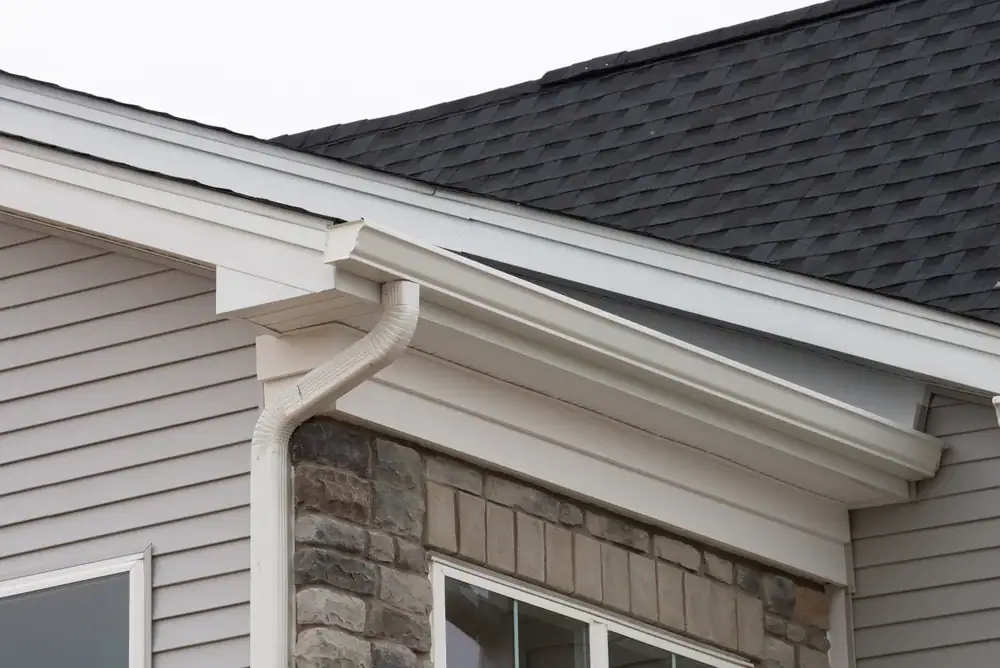
Most Mastic homeowners don’t think about their chimney until water shows up on the ceiling or smoke backs up into the living room. By then, what could’ve been a $400 flashing repair turns into $5,000 worth of structural damage to your masonry, framing, and drywall.
Long Island’s coastal climate doesn’t give you much room for error. Salt air corrodes metal components faster than you’d expect. Freeze-thaw cycles crack mortar joints every winter. One compromised crown or damaged flashing lets water in, and once it starts, it doesn’t stop on its own.
A properly repaired chimney keeps carbon monoxide outside where it belongs, prevents water from rotting your roof deck, and eliminates the fire hazard that comes with cracked flue liners. You’re not just fixing bricks—you’re protecting the structure of your home and keeping your family safe from risks most people don’t see until it’s too late.
We’ve spent more than 10 years repairing chimneys across Mastic and Suffolk County. We’re a family-owned company with licensed contractors who understand how coastal weather accelerates chimney deterioration in this area.
We don’t use subcontractors. Every crew member is trained and insured to our standards, which means you’re getting consistent quality whether we’re sealing a crown, replacing flashing, or rebuilding masonry from the roofline up.
Thousands of Suffolk County homeowners have trusted us because we show up when we say we will, we explain what’s wrong in plain language, and we fix it right the first time. You’re not getting a sales pitch—you’re getting an honest assessment and a repair that lasts.
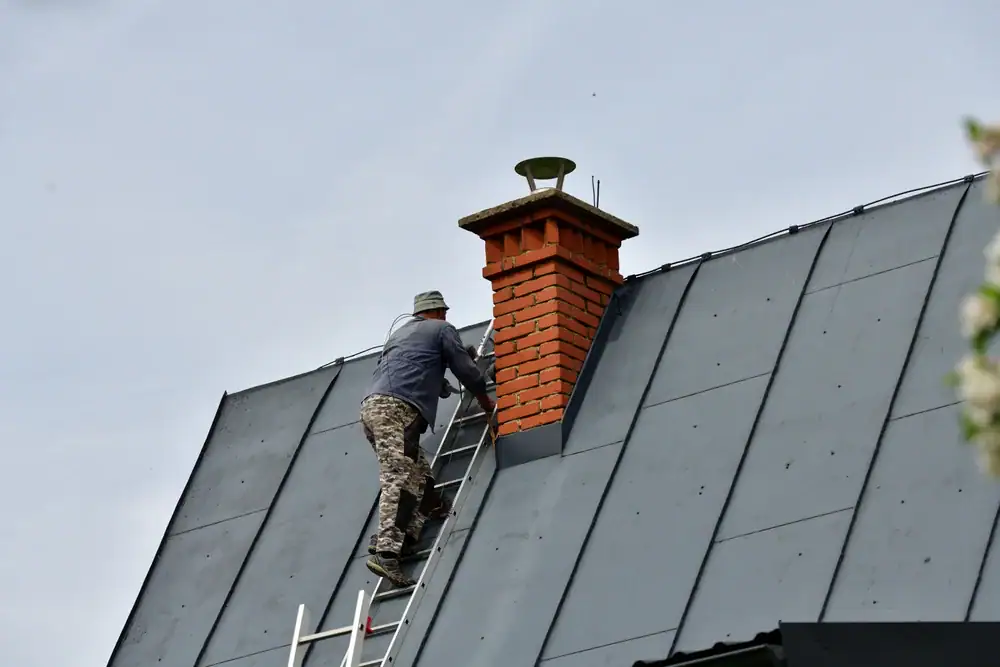
First, we inspect your chimney from the roofline to the firebox. We’re looking for damaged flashing, cracked crowns, deteriorated mortar joints, spalling bricks, and any signs that water’s already getting in. Most problems are visible once you know what to look for, and we’ll walk you through what we find.
Next, we give you a clear breakdown of what needs to be fixed and why. If your flashing is rusted through, we’re replacing it with materials designed for coastal climates. If your mortar joints are crumbling, we’re tuckpointing them before the freeze-thaw cycle makes it worse. If your crown is cracked, we’re sealing or rebuilding it so water stops pooling on top of your chimney.
Then we schedule the repair at a time that works for you. Most chimney repairs in Mastic take one to three days depending on the scope. We handle everything from setup to cleanup, and we don’t leave until the job’s done right. If it’s an emergency—active leak, structural damage, safety hazard—we’ll secure your home the same day and start repairs immediately.

Ready to get started?
Chimney flashing repair is one of the most common fixes we do in Mastic because coastal salt air corrodes metal faster than most homeowners expect. We remove the old flashing, install new corrosion-resistant materials, and seal every joint so water can’t sneak between your chimney and roof.
Masonry repair includes tuckpointing deteriorated mortar joints, replacing spalling bricks, and rebuilding sections of the chimney stack when necessary. Long Island’s freeze-thaw cycles crack mortar every winter, and once water gets into those cracks, the damage spreads fast. We use mortar mixes designed for coastal exposure so your repairs hold up longer.
Crown repair or replacement stops water from pooling on top of your chimney and seeping into the masonry below. A damaged crown is one of the fastest ways to let water destroy your chimney from the inside out. We either seal minor cracks or pour a new crown depending on the condition, and we slope it properly so water runs off instead of sitting there.
Chimney leak repair often involves multiple components—flashing, crown, mortar joints, or even the flue liner. We don’t guess. We find the source, fix it, and make sure it doesn’t come back. Most leaks in Mastic are preventable with regular maintenance, but if you’re already dealing with one, we’ll stop it and repair any damage it caused.
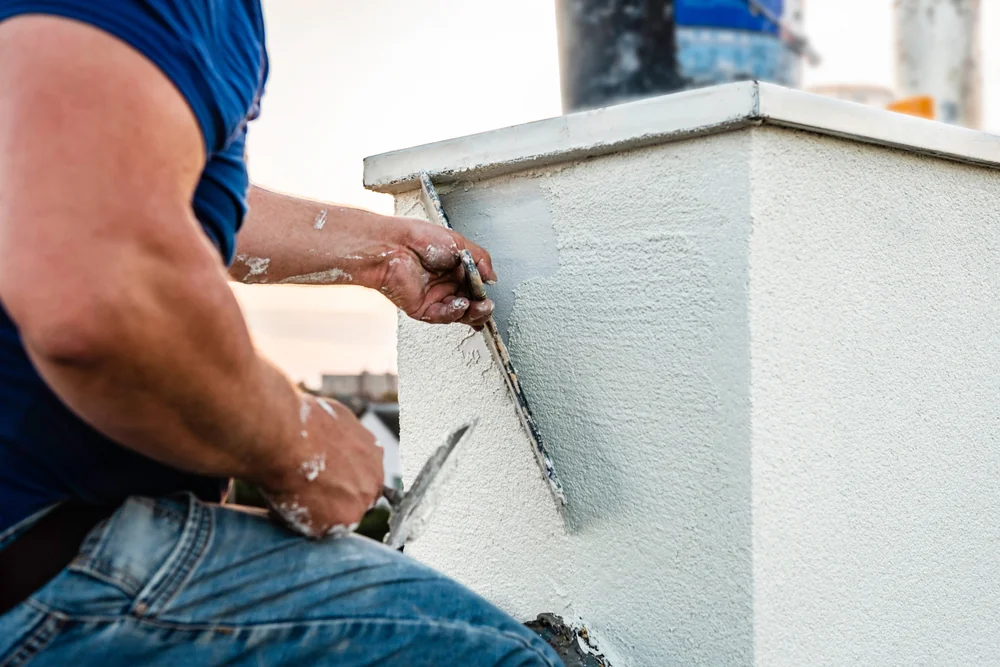
Most chimney repairs in Mastic range from $350 to $1,200 for standard work like tuckpointing mortar joints or replacing a chimney cap. Flashing repairs typically run $400 to $900 depending on the extent of corrosion and how much needs to be replaced. Crown repairs start around $500 for sealing minor cracks and can go up to $1,500 or more if we’re rebuilding the entire crown.
Larger jobs like rebuilding a section of the chimney stack or repairing significant structural damage can exceed $3,000, especially if water’s been getting in for a while and caused rot in the roof deck or framing. Emergency repairs cost more because we’re prioritizing your job and often working outside normal hours to secure your home.
The best way to avoid expensive repairs is to catch problems early. A $300 inspection in the spring can save you from a $5,000 emergency in the middle of winter when everyone else is calling too.
Quality chimney repairs using the right materials should last 15 to 25 years in Mastic’s coastal climate, but that depends on the type of repair and how well your chimney’s maintained. Flashing repairs using corrosion-resistant materials hold up longer than standard aluminum, which can corrode in just a few years near the coast.
Tuckpointing and masonry work last longer when we use mortar mixes designed for freeze-thaw cycles and salt exposure. Cheap mortar breaks down faster, which is why some repairs fail within five years while others are still solid two decades later. Crown repairs last as long as the materials and workmanship hold up—a properly sloped crown with quality sealant can protect your chimney for 20+ years.
The biggest factor is maintenance. Even the best repair won’t last if you ignore your chimney for another decade. Annual inspections catch small problems before they turn into big ones, and addressing minor issues as they come up extends the life of every repair we do.
Damaged or corroded flashing is the most common cause of chimney leaks in Mastic. Flashing seals the gap between your chimney and roof, and when it fails, water pours straight into your attic. Salt air accelerates corrosion, so flashing that might last 20 years inland can fail in 10 years or less near the coast.
Cracked chimney crowns let water pool on top of your chimney and seep into the masonry below. Once water gets inside the bricks and mortar, freeze-thaw cycles crack everything apart from the inside out. A small crown crack turns into a major structural problem faster than most homeowners expect.
Deteriorated mortar joints are another major source of leaks. Mortar breaks down over time, especially in coastal climates where salt penetrates the joints and freeze-thaw cycles do the rest. Water gets into those gaps, runs down inside the chimney, and shows up as stains on your ceiling or walls. Most leaks involve more than one failing component, which is why a thorough inspection matters.
Spring is the best time to inspect your chimney in Mastic because you’ve just put it through a full winter of freeze-thaw cycles, and any damage is fresh and visible. You also avoid the fall rush when every homeowner suddenly remembers they have a chimney and every contractor’s schedule is packed.
The National Fire Protection Association recommends annual inspections, and that’s not overkill in coastal areas like Mastic where salt air and harsh weather accelerate deterioration. An inspection catches small problems—minor mortar cracks, early flashing corrosion, small crown damage—before they turn into expensive structural repairs.
If you’re buying a home, get the chimney inspected before you close. Sellers don’t always disclose chimney problems, and a $300 inspection can reveal thousands of dollars in hidden damage. If you’ve had a storm with high winds or heavy rain, it’s worth having someone check for damage even if you don’t see an obvious leak yet.
Small jobs like replacing a chimney cap or applying sealant to minor cracks are doable if you’re comfortable working on a roof and know what you’re doing. But most chimney repairs require specialized knowledge, the right materials, and experience working at heights safely.
Flashing repairs involve cutting into your roof, installing new metal components, and sealing everything so water can’t get in. If you don’t do it right, you’re creating a bigger leak than you started with. Tuckpointing looks simple but requires matching the mortar to your existing chimney, removing old mortar to the right depth, and packing new mortar properly so it doesn’t just fall out in a few years.
Structural repairs—rebuilding masonry, replacing crowns, fixing damaged flue liners—aren’t DIY jobs. Mistakes compromise your chimney’s integrity and create serious safety risks including carbon monoxide leaks and house fires. Licensed chimney contractors carry insurance, use proper materials, and know how to fix problems so they don’t come back. You’re paying for expertise that protects your home and family, not just labor.
Chimney repair fixes specific problems—damaged flashing, cracked crowns, deteriorated mortar joints, spalling bricks—without tearing down the entire structure. Most chimneys in Mastic need repairs, not replacement, especially if the damage is caught early and the overall structure is still sound.
Chimney replacement means tearing down part or all of the chimney and rebuilding it from scratch. You’re looking at replacement when the masonry is so deteriorated that repairs won’t hold, when the chimney’s structurally unsound, or when the flue liner is damaged beyond repair and can’t be relined. Replacement costs significantly more—often $5,000 to $15,000 or higher depending on the height and complexity.
The decision comes down to how much of the chimney is damaged and whether repairs will actually solve the problem long-term. If 30% of your chimney needs rebuilding, replacement might make more sense than patching it together. A thorough inspection tells you what you’re dealing with, and an honest contractor will explain whether repair or replacement is the smarter investment for your situation.
Other Services we provide in Mastic