
Hear From Our Clients
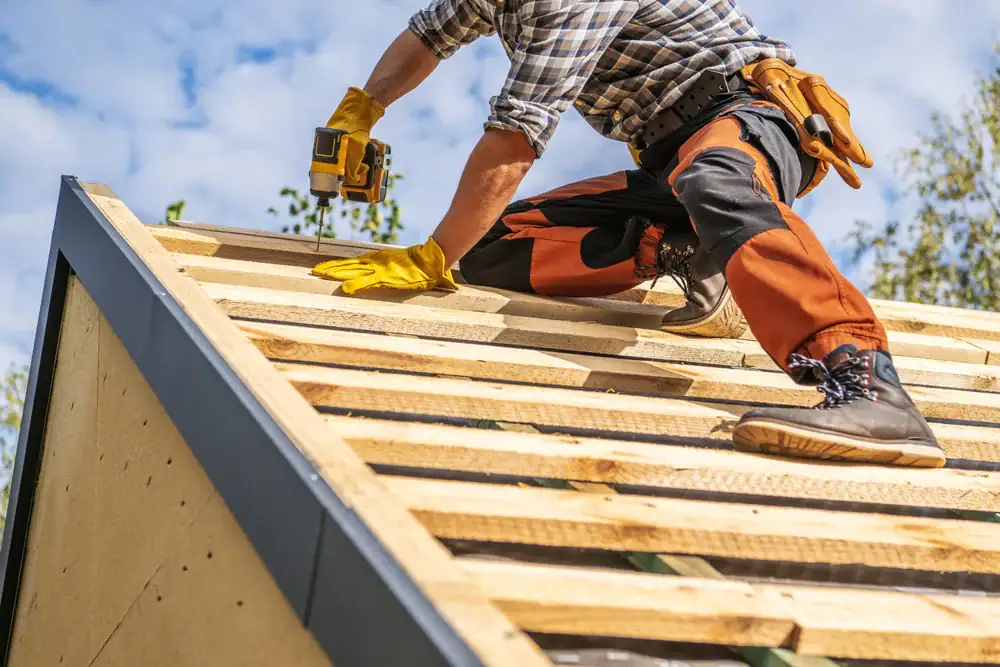
You’re not just getting new shingles. You’re getting a roof system that handles what Long Island throws at it—high winds that rip off inferior installations, salt air that corrodes cheap materials, and ice dams that form during those brutal nor’easters.
When your roof is installed correctly for this climate, you stop worrying every time the forecast calls for severe weather. You’re not dealing with emergency tarps at 2 AM or watching water stains spread across your ceiling. Your home stays dry, your family stays safe, and your investment holds its value.
The difference shows up in year five, year ten, year twenty—when your neighbors are calling roofers for the third time and you’re still solid. That’s what proper installation does in a place like Mastic, where weather doesn’t give you a break.
We’ve worked in Mastic since 2002. Alban and his crew know exactly what Suffolk County weather does to roofs because we’ve repaired the damage hundreds of times.
We’ve rebuilt roofs after Hurricane Irene, after Sandy, after every major nor’easter that’s torn through here. We know which materials fail in salt air and which installation techniques actually prevent wind damage. That knowledge comes from being here, not from reading a manual.
You’ll work directly with Alban from estimate to completion. No disappearing acts, no subcontractors you’ve never met. When we say we’ll be there Tuesday, we show up Tuesday—or we call you Monday to explain why weather pushed us to Wednesday.
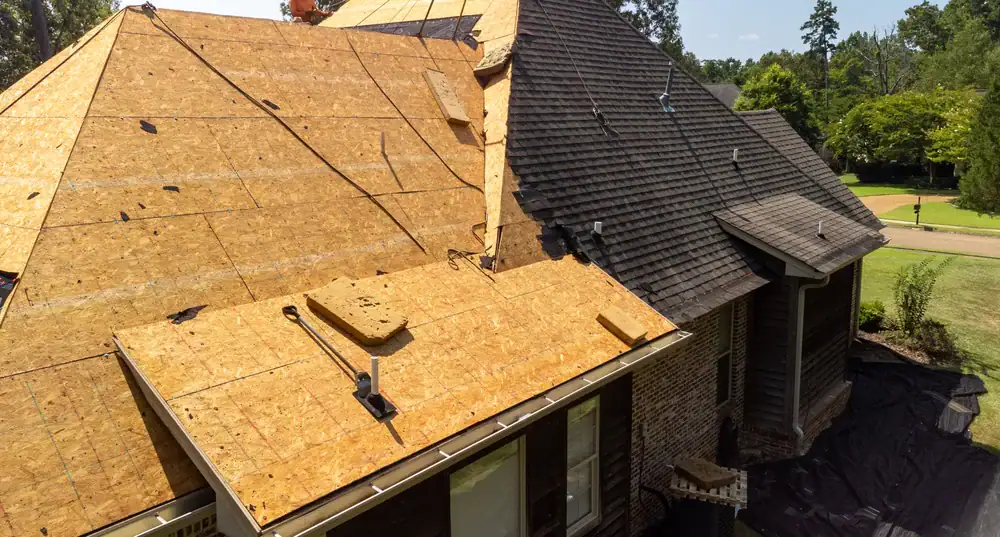
Alban comes out to look at your roof. He’ll get up there, check the decking, measure everything, and explain what needs to happen. You get a detailed quote that day or the next—no waiting weeks for a number.
Once you’re ready to move forward, we schedule around weather because rushing a roof job in bad conditions creates problems later. We protect your landscaping with tarps, tear off the old system down to the decking, and inspect for any structural issues that need addressing before new materials go on.
Installation uses weather-resistant materials rated for coastal conditions. We’re talking proper underlayment, correctly installed flashing, and shingles or metal roofing that won’t lift in 60 mph winds. Every penetration gets sealed right. Every valley gets extra protection.
We clean up completely—tarps catch the debris, nothing gets left in your yard. You get photos of the completed work and a clear explanation of your warranty coverage. The whole process typically takes two to four days depending on size and complexity.
Ready to get started?
Complete tear-off and disposal of your old roofing system. Deck inspection and repair of any damaged joists or sheathing—because new shingles over rotted wood is just expensive decoration.
New underlayment designed for Long Island’s freeze-thaw cycles. Proper ventilation to prevent ice dams and extend shingle life. Drip edge and flashing installed to manufacturer specs, not shortcuts. Your choice of architectural shingles rated for high winds or standing seam metal roofing for maximum durability.
We handle the whole envelope—if your gutters are shot, we replace those too. Skylights leaking? We’ll reseal or replace them during the roof job. Chimney flashing compromised? That gets rebuilt with the proper counter-flashing and step-flashing your home needs.
In Mastic, you’re dealing with weather that tests every weak point. Our installations address those vulnerabilities upfront. That means proper ice and water shield in valleys, extra fasteners in high-wind zones, and sealant rated for temperature extremes. You’re not getting the basic package that fails in three years—you’re getting the system that lasts decades.
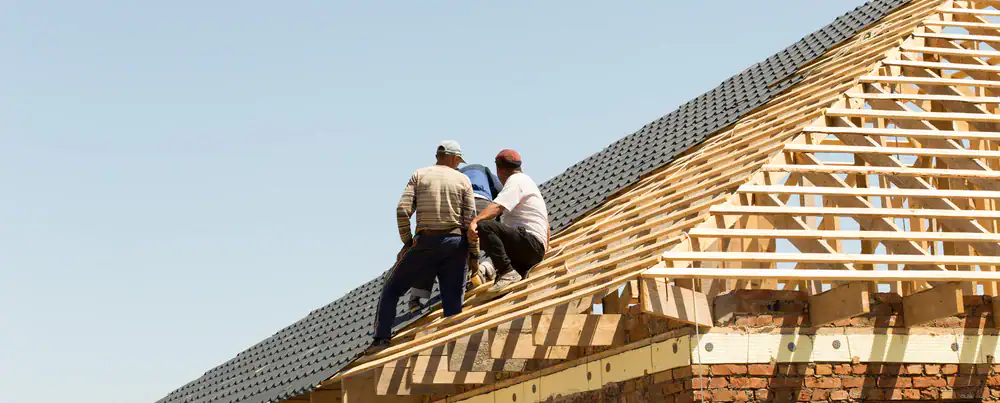
Architectural shingles properly installed typically give you 25 to 30 years here, though that assumes you’re using quality materials and correct installation techniques. The cheap three-tab shingles some contractors push? You’re looking at 15 to 20 years maximum, and that’s if they survive the first major hurricane without significant damage.
Metal roofing lasts longer—40 to 50 years isn’t unusual for standing seam systems. The upfront cost is higher, but you’re essentially done worrying about your roof for the rest of the time you own the home. Salt air doesn’t corrode properly coated metal the way it degrades organic shingle materials.
The real lifespan killer in Mastic is installation quality. We’ve torn off 10-year-old roofs that failed because someone skipped proper underlayment or didn’t seal the flashing. The materials were fine—the installation was garbage. That’s why who installs your roof matters as much as what goes on it.
Most homes in Mastic run between $12,000 and $25,000 for complete asphalt shingle replacement, depending on size, pitch, and complexity. A simple ranch with easy access costs less than a two-story colonial with multiple valleys and skylights.
Metal roofing runs higher—figure $18,000 to $35,000 for the same homes. You’re paying more upfront but getting significantly longer life and virtually zero maintenance. For homes in high-wind areas near the water, metal often makes more financial sense long-term.
Those numbers include everything: tear-off, disposal, new underlayment, proper flashing, installation, and cleanup. If someone quotes you $8,000 for a full roof replacement, they’re either missing square footage, planning to skip critical steps, or setting you up for change orders that double the price halfway through. We give you one number that covers the actual work your home needs.
Yes, and we’ve done hundreds of them. After major storms, we prioritize active leaks and structural damage—homes where water is coming in or where wind has compromised the roof’s integrity.
Emergency repairs typically involve temporary waterproofing with tarps and sealant, then permanent fixes once materials arrive and weather allows proper installation. We’re not talking about slapping some tar up there and calling it done. We’re talking about actual repairs that last until you’re ready for full replacement, or repairs that give you another 5 to 10 years if the rest of the roof is still solid.
Response time depends on storm severity and how many homes got hit. After a major nor’easter, everyone needs help at once. We work through the list as fast as we can while still doing the job right. If you call us during normal conditions with a leak, we’re typically out within a day or two to assess and stop the water intrusion.
We install both, and we’ll tell you honestly which makes more sense for your situation. Architectural shingles work great for most Mastic homes—they’re cost-effective, they look good, and they handle our weather when installed correctly.
Metal roofing makes sense if you’re planning to stay in the home long-term, if you’re in a high-wind zone near the water, or if you’re tired of worrying about roof maintenance. Standing seam metal is virtually maintenance-free and outlasts shingles by 20+ years. It’s also better for solar panel installation if that’s in your future plans.
Some contractors only push one type because that’s all they know how to install properly. We’ve been doing both for over 20 years. Your home, your budget, your timeline—we’ll explain the real pros and cons of each system for your specific situation and let you decide what makes sense.
Tarps go down before we start tearing anything off. They catch the debris and protect your landscaping, your AC unit, your deck—anything below the work zone. We’re not letting shingle fragments destroy your garden or dent your car.
Magnetic rollers pick up nails in your driveway and yard after we’re done. Roofing nails in your tire three weeks after the job is finished? That’s not happening with our cleanup process. We walk the entire property with magnets and visual inspection before we leave.
During the work, we’re careful about where materials get staged and how debris gets moved. You’re not going to have workers trampling through your flower beds or throwing trash wherever. This is your home—we treat it like it matters because it does. At the end of each day, the site is safe and reasonably clean. When we finish completely, you shouldn’t be able to tell we were there except for the new roof.
We stop, show you the damage, explain what needs to happen, and give you a price for the repair before we do anything. You’re not getting surprised with a bill for work you didn’t approve.
Rotted decking is common in older Mastic homes, especially around chimneys, valleys, and anywhere previous leaks went unnoticed. The rot has to be cut out and replaced with new plywood or OSB sheathing before new roofing goes on. There’s no shortcut here—you can’t install a new roof over compromised structure and expect it to last.
The cost depends on how much decking needs replacement. Small areas might add a few hundred dollars. Extensive rot can add a couple thousand. We carry materials on the truck for minor repairs so we can handle it same-day and keep your project moving. For larger structural issues, we’ll explain exactly what’s needed and why, then let you decide how to proceed.
Other Services we provide in Mastic