

Hear From Our Clients
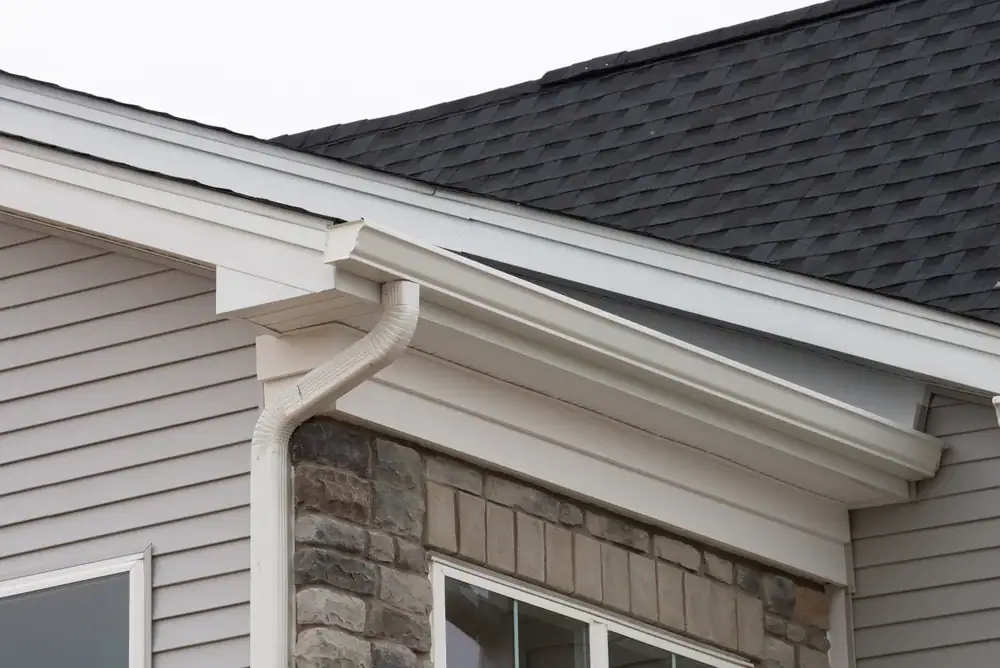
That water stain near your fireplace isn’t going away on its own. It’s telling you that your chimney’s weatherproofing has failed, and water is getting inside your home right now—damaging drywall, insulation, and structural elements you can’t see yet.
In Calverton and throughout Suffolk County, chimneys take a beating from coastal salt air, freeze-thaw cycles, and nor’easters that push water into every crack. What starts as a $500 chimney flashing repair can turn into $7,500 in water damage and mold remediation if you wait.
Early intervention saves thousands. A cracked chimney crown or failing mortar joints might only need repointing now, which adds 20-30 years to your chimney’s life for a fraction of replacement cost. But if water keeps getting in, you’re looking at spalling bricks, structural damage to your home’s framing, and safety risks from carbon monoxide entering living spaces through cracks in the flue liner.
The timing matters more than anything else. Spring is when most homeowners discover winter damage, giving you months to schedule repairs before you need your fireplace again. But if you’re seeing active leaks, stains spreading, or pieces of brick in your yard after a storm, that’s not a spring problem—that’s now.
We’ve spent over a decade working on chimneys throughout Calverton, Riverhead, and the surrounding Suffolk County area. We’re not a franchise or a referral service—we’re licensed contractors who show up, assess the damage, and fix it right.
Calverton homes face unique challenges. The average house here is over 50 years old, built when construction standards were different and materials weren’t designed for the coastal climate we deal with now. Salt air accelerates mortar deterioration. Freeze-thaw cycles crack crowns and flashing. Hurricane season brings wind-driven rain that finds every weak point.
We handle everything from emergency storm repairs to complete chimney masonry repair, and we don’t use subcontractors. Every crew member is trained and insured, held to the same standards, so you’re not rolling the dice on who shows up to your home. You get one reliable team that knows how to protect Suffolk County properties from the weather that wants to destroy them.
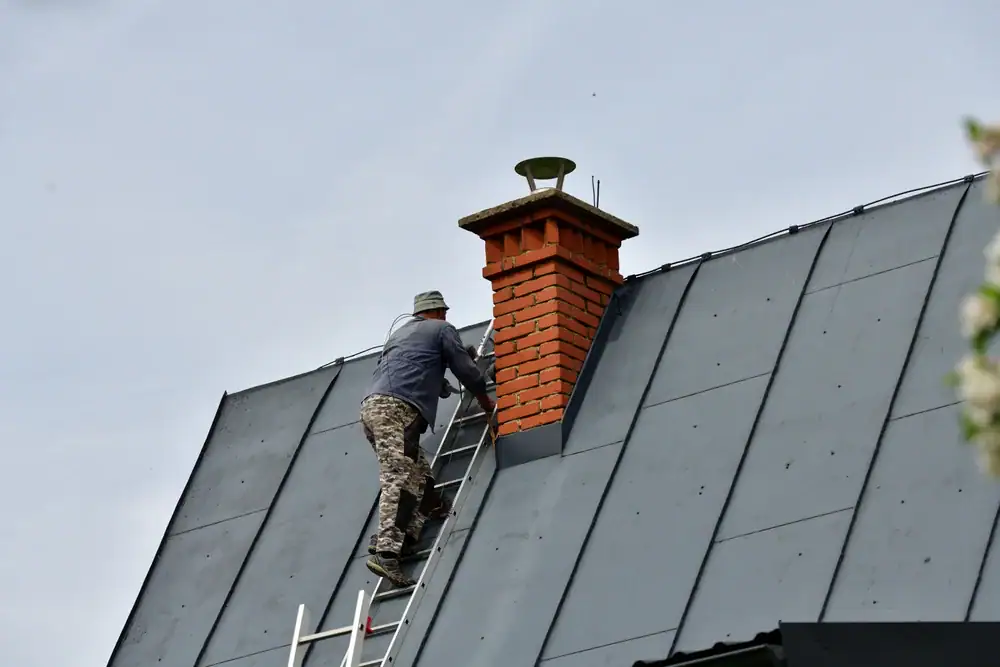
First, we inspect the entire chimney system—not just the part you’re worried about. We check the crown, flashing, mortar joints, flue liner, and interior firebox because problems rarely exist in isolation. If your flashing is leaking, there’s a good chance your crown has cracks too.
You get a clear explanation of what’s wrong, what needs to be fixed now, and what can wait. We’re not here to sell you a new chimney if repointing and flashing repair will solve the problem. But we’re also not going to patch something that’s structurally compromised and tell you it’s fixed.
Once you approve the work, we schedule based on urgency. Active leaks and storm damage get priority—we can often start within days. Preventive repairs and repointing projects get scheduled for the weather window that makes sense, usually spring through fall when materials cure properly.
During the repair, we protect your property with tarps and proper staging, use materials designed for coastal conditions, and clean up completely when we’re done. For chimney flashing repair, that means removing old flashing, installing new step flashing and counter flashing with proper overlap, and sealing everything with high-grade sealant that won’t crack in Suffolk County winters.
You’re not left guessing if the work is done right. We walk you through what we fixed, show you photos if needed, and explain what to watch for going forward.

Ready to get started?
Chimney repair in Calverton means addressing the specific problems that Suffolk County weather creates. We handle chimney leak repair by replacing failed flashing, sealing cracks in the crown, and repointing deteriorated mortar joints before water penetration causes structural damage.
For homes in Calverton’s suburban neighborhoods where properties average 50+ years old, masonry repair is often needed. Long Island’s freeze-thaw cycles cause spalling—when water gets into bricks, freezes, expands, and pops the brick face off. We remove damaged bricks, replace them with matching materials, and repoint surrounding areas to prevent the problem from spreading.
Chimney crowns take direct hits from rain, snow, and ice. When crowns crack, water runs down inside the chimney structure, rotting wood framing and damaging interior walls. We rebuild crowns with proper slope and reinforcement, using materials that handle temperature swings without cracking.
Flashing—the metal seal where your chimney meets the roof—fails faster in coastal areas because salt air corrodes cheaper materials. We install heavy-gauge flashing designed for marine environments, properly integrated with your roof’s water management system so leaks don’t come back in two years.
For homes with active fireplaces or those using gas furnaces vented through the chimney, flue liner integrity is critical. Cracks in the liner can allow carbon monoxide into your home—a safety issue that goes beyond property damage. We inspect liners with cameras when needed and recommend repair or replacement based on what we find, not what’s most profitable for us.
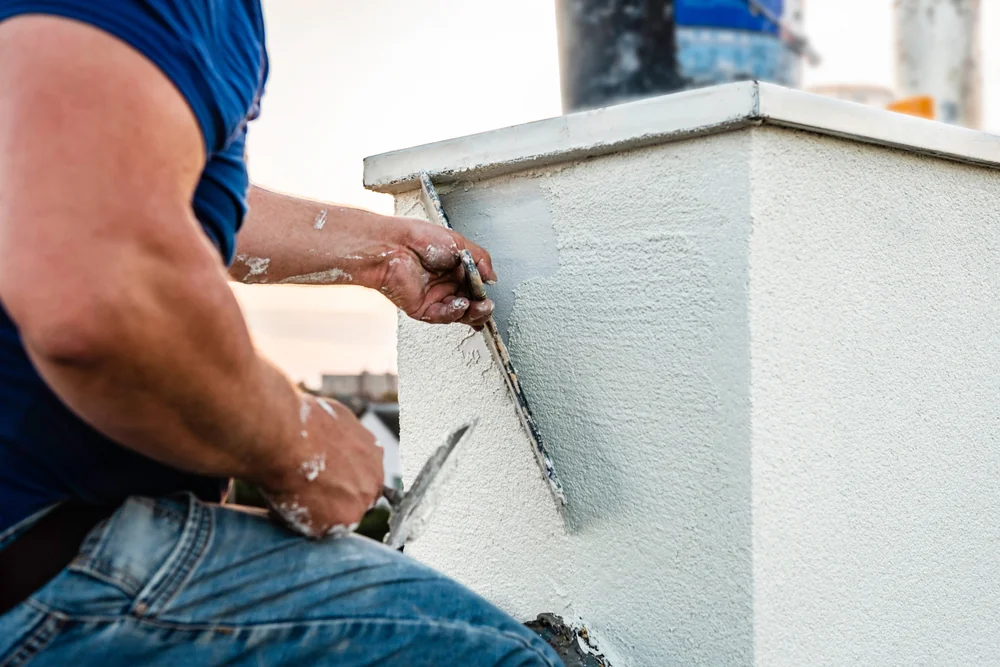
Most chimney repairs in Calverton run between $500 and $2,500, depending on what’s actually broken. Simple flashing repair or crown sealing sits on the lower end. Extensive repointing, brick replacement, or structural repairs push toward the higher range.
The real cost question is what happens if you don’t fix it. Water damage from a leaking chimney averages $2,500 to $7,500 for most Suffolk County homes once you factor in drywall replacement, insulation, mold remediation, and repainting. That’s on top of whatever chimney repair you’ll still need to do.
We give you an honest assessment after inspection. If your chimney needs $1,200 in repairs but the structure is sound for another 20 years, that’s worth doing. If you’re looking at $3,000+ in repairs on a chimney that’s going to need replacement in five years anyway, we’ll tell you that too. The goal is making a smart decision with complete information, not just fixing whatever you called about.
Repair makes sense when the structure is solid but specific components have failed—flashing, crown, some mortar joints, or a few damaged bricks. These are isolated problems that don’t indicate systemic failure.
Replacement becomes the better option when you’re seeing widespread deterioration: mortar crumbling throughout the chimney, multiple areas of spalling bricks, a leaning structure, or major cracks in the chimney body itself. At that point, you’re not fixing a problem—you’re trying to hold together something that’s failing.
In Calverton’s climate, chimneys in storm-exposed locations may need significant repairs every 5-10 years. If you’re facing your third major repair in a decade, replacement often makes more financial sense than continuing to patch. We’ll walk you through the math based on your specific situation, showing you what each option costs now and what you can expect long-term. Most homeowners know the right call once they see the real numbers.
Failed flashing causes most chimney leaks we see in Calverton. Flashing is the metal seal where your chimney meets the roof, and it takes constant abuse from water, temperature changes, and movement as your house settles. When flashing corrodes or pulls away from the chimney, water runs straight down inside your walls.
Cracked chimney crowns are the second major culprit. The crown is the concrete top that sheds water away from the chimney opening. Suffolk County’s freeze-thaw cycles crack crowns over time, and once water gets in, it travels down through the entire chimney structure—soaking insulation, rotting framing, and creating those water stains you see on interior walls.
Deteriorated mortar joints let water penetrate the chimney body itself. Long Island’s salt air and wet weather break down mortar faster than in other regions. Once mortar starts crumbling, water gets into the brick, freezes, expands, and causes spalling. What starts as cosmetic damage becomes structural as more bricks fail and the chimney loses integrity.
Insurance typically covers chimney damage from sudden events—a tree falling on it during a storm, lightning strikes, or damage from a covered roof leak. What insurance doesn’t cover is deterioration from age, weather, or lack of maintenance.
If your chimney is leaking because the flashing corroded over 20 years or the mortar joints crumbled from normal wear, that’s considered maintenance and you’re paying out of pocket. But if a nor’easter ripped your chimney cap off and rain damaged the interior, that’s usually covered under your policy’s storm damage provisions.
The key is documentation. Take photos of storm damage before making temporary repairs, and call your insurance company right away. We can provide detailed assessments and work directly with adjusters if needed. For maintenance issues, we’ll be straight with you about what insurance will and won’t cover, so you’re not filing claims that get denied and potentially raise your rates.
Most chimney repairs take one to three days depending on scope and weather. Simple flashing replacement or crown sealing can be done in a day if conditions are dry. Extensive repointing or brick replacement takes longer because mortar needs proper curing time between stages.
Weather controls the timeline more than anything else. We can’t apply mortar or sealants in freezing temperatures or during rain—the materials won’t cure properly and you’ll have the same problems again next year. That’s why spring and fall are ideal for chimney work in Suffolk County. Summer works too, though extreme heat can affect curing times.
For emergency repairs after storm damage, we can usually secure your chimney and stop active leaking within a day, then schedule the permanent repair for the next good weather window. You’re not left with water pouring into your house while we wait for perfect conditions. The temporary fix stops the damage; the permanent repair ensures it doesn’t come back.
Spring inspections actually work better for most Calverton homeowners. Winter weather causes the most chimney damage, so checking your system after heating season reveals new problems while giving you months to schedule repairs before you need the fireplace again.
That said, if you haven’t had your chimney inspected in several years, don’t wait. A professional inspection costs $150 to $300 in Suffolk County and identifies issues before they become expensive emergencies. Licensed technicians check the entire system—crown, flashing, mortar, flue liner, damper operation, and interior firebox—looking for safety hazards and developing problems.
If you’re buying a home in Calverton, get the chimney inspected regardless of what the general home inspector found. General inspectors don’t have the specialized equipment or training to assess chimney condition properly. They’ll note obvious problems but miss hidden issues like flue liner cracks or concealed water damage. For homes over 30 years old, a dedicated chimney inspection should be non-negotiable before closing.
Other Services we provide in Calverton