

Hear From Our Clients
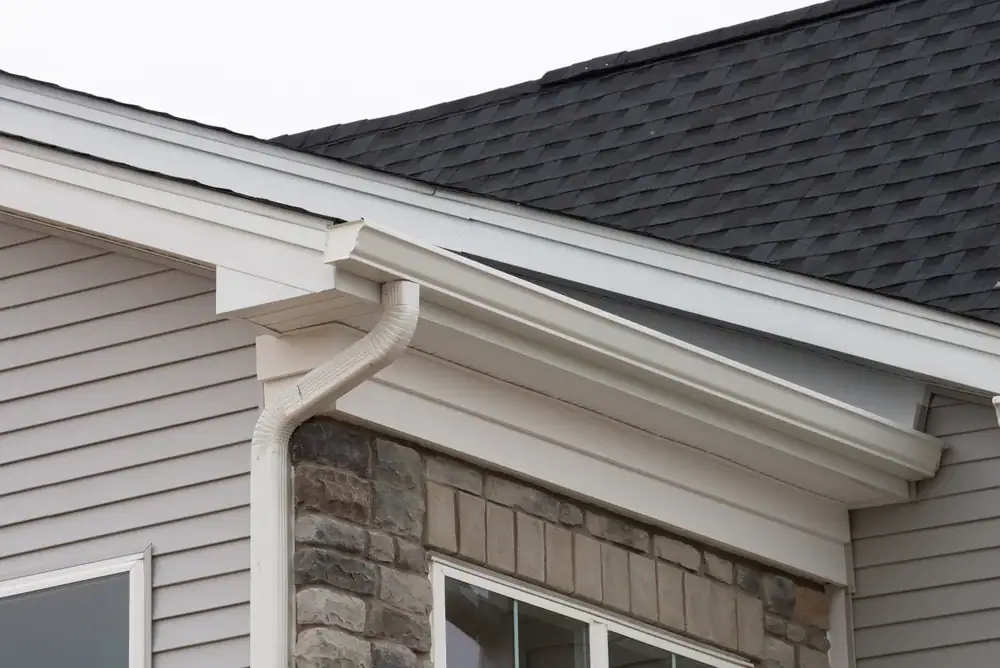
You’re not dealing with water stains on your ceiling anymore. The leak that showed up after that last nor’easter is sealed at the source, not just patched over. Your flashing is properly integrated with your roofline, so water can’t sneak behind it when the next freeze-thaw cycle hits.
The mortar joints that were crumbling aren’t going to let moisture in all winter. Your chimney crown is sealed and sloped correctly so rain runs off instead of pooling. If your flue liner had cracks, they’re repaired so carbon monoxide vents outside where it belongs, not back into your home.
This is what you get when chimney masonry repair is done by people who understand what Long Island weather does to chimneys. Coastal moisture, temperature swings, ice damming—these aren’t just talking points. They’re the reason your chimney needs specific fixes, not generic ones.
We’ve spent over a decade working on Long Island homes. We’re licensed contractors who’ve repaired chimneys through every kind of weather Suffolk County throws at us. When you’re dealing with freeze-thaw cycles that crack masonry and coastal humidity that accelerates deterioration, experience in this specific climate matters.
We’re not a national chain following a script. We live here. We know what happens to chimneys in Hauppauge when winter comes. The homes built before 1980 that make up a big chunk of the housing stock here weren’t always built with the best flashing or crown design. We’ve fixed those problems hundreds of times.
You’re hiring people who show up when we say we will, give you a clear price before starting, and don’t disappear when the job gets complicated. That’s it.
You call or fill out the form. We schedule a time that works for you, usually within a day or two. If it’s an emergency—like storm damage or an active leak—we can get there the same day.
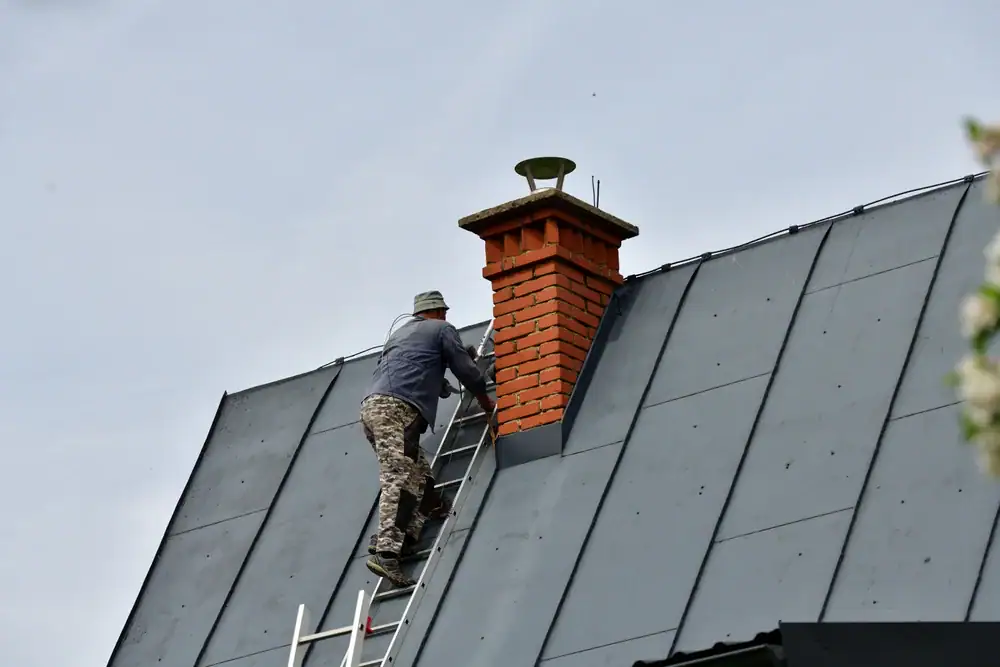
We inspect your chimney from top to bottom. That means getting on the roof to check the crown, flashing, and cap. We look at the masonry for cracks, loose bricks, and deteriorated mortar joints. We check inside for flue liner damage and creosote buildup. Then we tell you exactly what’s wrong and what it’ll cost to fix it. No surprises, no upselling.
Once you approve the estimate, we get the materials and schedule the repair. Most chimney leak repair and flashing work takes one to two days depending on the damage. Larger masonry restoration might take longer. We protect your property during the work, clean up completely when we’re done, and make sure everything’s sealed and secure before we leave. You get a walkthrough at the end so you can see exactly what was repaired.

Ready to get started?
Chimney flashing repair is one of the most common fixes we do. Flashing is what seals the gap between your chimney and roof. When it fails, water pours into your attic and down your walls. We remove the old flashing, install new corrosion-resistant material, and integrate it properly with your shingles and chimney so it actually stays watertight.
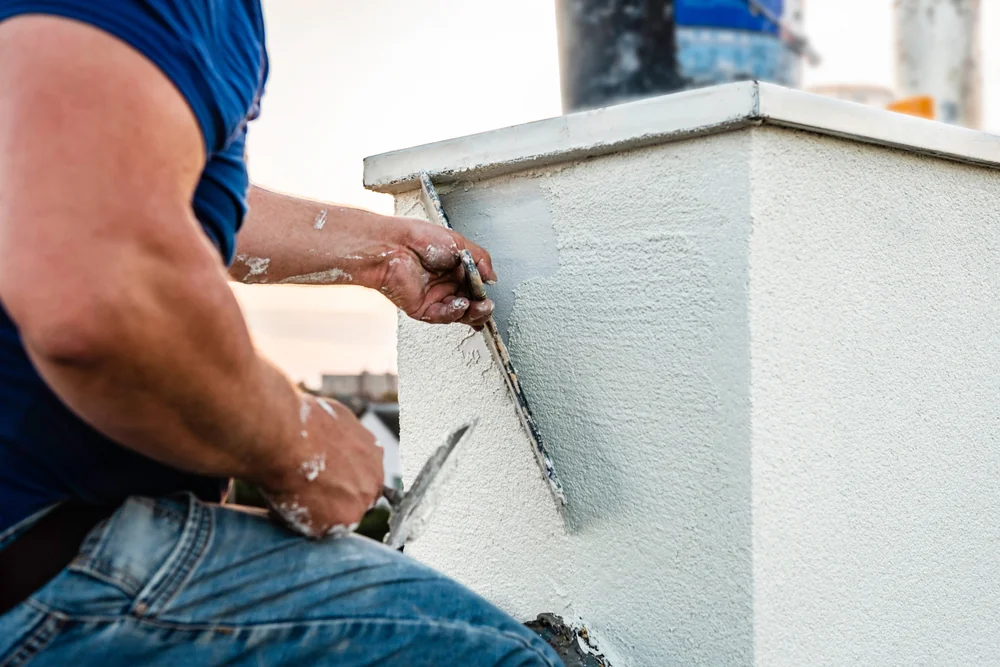
Masonry work covers cracked bricks, deteriorated mortar joints, and damaged chimney crowns. In Hauppauge, freeze-thaw cycles are brutal on masonry. Water gets into tiny cracks, freezes overnight, expands, and breaks the material apart. We remove damaged sections, repoint the mortar with weather-resistant mix, and rebuild crowns with proper slope and sealing. This isn’t cosmetic—it’s structural.
Flue liner repair keeps dangerous gases venting correctly. A cracked liner lets carbon monoxide seep into your home. We inspect the liner with a camera, identify damage, and either repair sections or recommend relining if the damage is extensive. For homes built decades ago, the original clay liners often have issues. We also handle chimney cap installation and replacement, which keeps animals out and rain from pouring straight down your flue. If your chimney is leaning or has horizontal cracks, that’s a structural problem that needs immediate attention before it gets worse.
It depends entirely on what’s broken. Minor mortar repointing might run a few hundred dollars. Chimney flashing repair typically costs between $500 and $1,500 depending on the size of your chimney and how much flashing needs replacement. If your crown is cracked and needs rebuilding, expect $500 to $1,500. Flue liner repairs range from $200 to $500 for small sections, but full relining can cost more if the damage is extensive.
Major structural work—like rebuilding a large section of masonry or addressing a leaning chimney—can run several thousand dollars. But here’s the thing: repair is almost always cheaper than waiting. A $300 mortar repair now prevents a $10,000 chimney rebuild later. We give you an upfront estimate after the inspection so you know exactly what you’re paying before we start.
The other factor is timing. If you wait until October when everyone suddenly remembers they have a fireplace, you’ll pay more and wait longer. Schedule your inspection in spring or summer and you’ll avoid the rush.
Water gets in through failed flashing, cracked crowns, damaged mortar joints, or missing chimney caps. Sometimes it’s a combination. Flashing fails when the sealant deteriorates or the metal corrodes. Crowns crack from freeze-thaw cycles. Mortar joints break down from age and weather exposure.
We find the entry point first. That means inspecting the entire chimney, not just assuming it’s one thing. Once we know where water’s getting in, we fix that specific problem. If it’s flashing, we remove the old material and install new flashing that’s properly integrated with your roof. If it’s the crown, we repair or rebuild it with the correct slope and sealing. If mortar joints are the issue, we repoint them with weather-resistant mortar.
The key is fixing the actual source, not just treating the symptoms. A lot of homeowners try to patch leaks from inside their attic or seal cracks with caulk. That might slow the leak temporarily, but it doesn’t solve the problem. Water will find another way in. We stop it at the source so it stays stopped.
Schedule your chimney inspection in spring or early summer, not fall. Here’s why: everyone waits until September or October when they’re about to start using their fireplace. That’s when chimney contractors are slammed. You’ll wait weeks for an appointment, pay more for rush service, and if we find a problem, you might not get it fixed before you actually need your chimney.
Inspect it in the first half of the year and you have time to address issues before heating season. If we find a crack in your flue liner or damaged flashing, you can get it repaired without the pressure of an approaching winter. You also avoid the price spike that comes with peak demand.
You should inspect your chimney annually, especially if you use it regularly. Even if you don’t use your fireplace, the chimney is still exposed to weather year-round. Freeze-thaw damage, water infiltration, and deteriorating mortar don’t stop just because you’re not burning wood. An annual inspection catches small problems before they become expensive emergencies.
It depends on what’s damaged. If you have a cracked flue liner, absolutely not. A damaged liner can let carbon monoxide leak into your home, which is deadly. If your chimney has structural cracks or is leaning, using it could make the damage worse and create a collapse risk.
If the problem is cosmetic—like minor mortar deterioration on the exterior—you might be okay to use it temporarily, but you shouldn’t wait long to fix it. Even small issues get worse fast when exposed to heat and weather. A minor crack becomes a major structural problem after a few freeze-thaw cycles.
When we inspect your chimney, we’ll tell you straight up whether it’s safe to use or not. If it’s not safe, we’ll explain why and what needs to happen before you can use it again. We’re not going to tell you it’s fine when it’s not, and we’re not going to scare you into unnecessary repairs. You’ll get an honest assessment based on what we actually see.
Repair means fixing specific damaged components—flashing, crown, mortar joints, flue liner, or bricks. Replacement means tearing down the chimney and rebuilding it from scratch. Repair costs hundreds to a few thousand dollars depending on what’s broken. Replacement costs $10,000 or more.
Most chimneys don’t need full replacement. Even if there’s significant damage, we can often repair or rebuild sections without tearing down the entire structure. You’d only need replacement if the chimney has severe structural failure, is leaning dangerously, or has damage so extensive that repair isn’t cost-effective.
We’ll always recommend repair over replacement when it makes sense. There’s no benefit to us pushing you toward a more expensive option if your chimney can be fixed properly for less. After the inspection, we’ll show you what’s damaged, explain whether repair or replacement is the right call, and give you pricing for both if it’s a judgment call. You make the final decision with all the information in front of you.
Yes. If a storm damages your chimney, you have an active leak, or something happens that makes your chimney unsafe, we can get there the same day in most cases. We’ll secure the damage immediately to prevent further problems, then schedule the full repair as soon as possible.
Emergency repairs usually involve temporary weatherproofing—tarping a damaged crown, sealing an active leak, or stabilizing loose masonry. That stops the immediate problem while we order materials and schedule the complete fix. You’re not waiting days with water pouring into your house or a chimney that’s a safety hazard.
Storm damage doesn’t wait, and neither do we. Call us when it happens and we’ll get someone out fast. We’ve handled plenty of emergency calls after nor’easters and heavy snow. You’re not going to get voicemail or a “we’ll call you back next week” response.
Other Services we provide in Hauppauge