

Hear From Our Clients
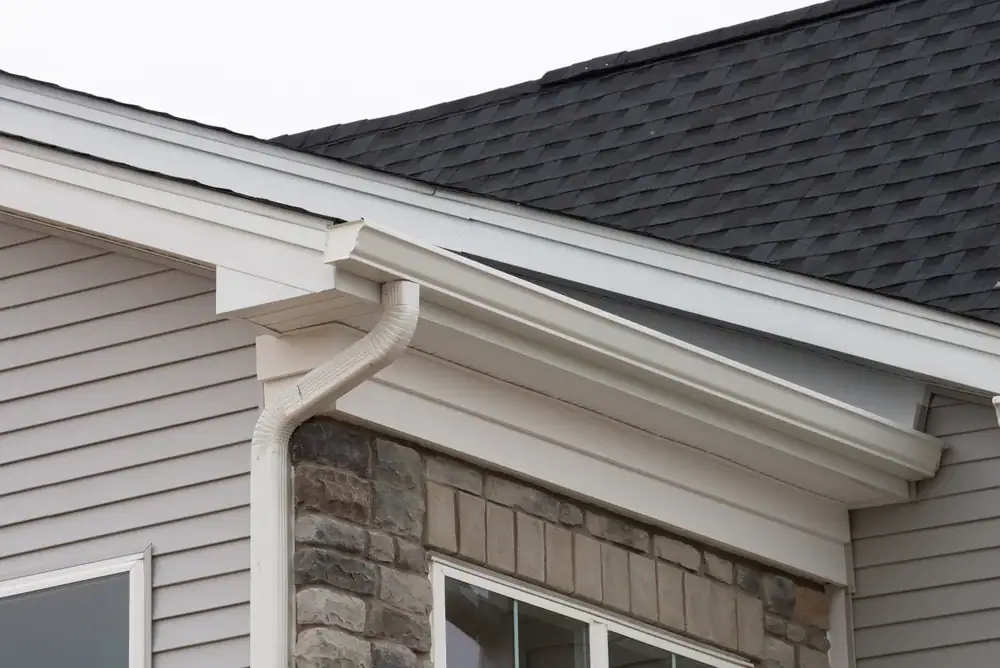
One or two small cracks in your chimney’s masonry is all it takes. Water gets in, freezes during winter, expands, and turns manageable repairs into structural nightmares. You’re not just dealing with a chimney problem anymore—you’re looking at rotted framing, damaged roof decking, and water stains spreading through your home.
Living near the Great South Bay means your chimney takes a beating. Salt air corrodes mortar joints. Coastal storms drive moisture deep into bricks. Freeze-thaw cycles crack clay liners from the inside out. These aren’t problems that fix themselves, and they don’t wait for convenient timing.
Catching damage early means you’re paying for repair work, not emergency reconstruction. A professional assessment finds what’s actually wrong—not just what you can see from the ground. You get a clear explanation of the damage, what caused it, and what it takes to fix it right so you’re not doing this again in two years.
We work exclusively in Suffolk County because we understand what North Amityville chimneys face. Your home deals with weather conditions that inland properties never see. We know how coastal climate, local building styles, and regional regulations affect your chimney—and we know what actually holds up here.
You’re not getting a crew that learned about chimney repair from YouTube. Our team has spent over a decade solving leaks, replacing damaged components, and using materials designed for marine environments. We’re licensed, insured, and we’re still here after the job’s done—which matters when you need warranty work or have questions down the road.
We don’t disappear after cashing your check. You’re working with a local company that has to maintain its reputation in this community.
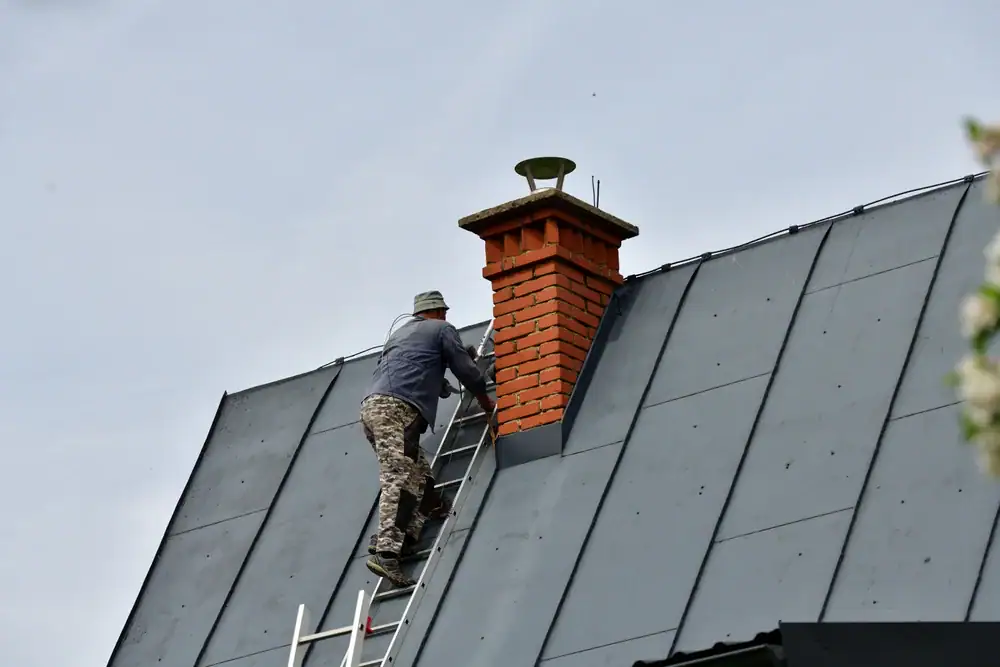
First, we assess the full extent of damage. That means getting up on your roof with inspection equipment—not guessing from the driveway. We check your chimney crown, flashing, mortar joints, bricks, and flue liner. You get a detailed explanation of what’s damaged, why it happened, and what needs to happen to fix it properly.
Once you approve the scope, we schedule the work around weather conditions that actually allow materials to cure correctly. Coastal repairs require marine-grade sealants and mortar mixes that can handle salt exposure—standard materials fail here. We remove damaged components, replace what can’t be repaired, and rebuild with materials that last in this environment.
After the work’s complete, we document everything so you know exactly what was done. You’re not wondering if corners were cut or if something was missed. The job comes with warranties covering both materials and workmanship, and we walk you through maintenance steps that extend the life of your repair.
You get a chimney that’s actually fixed—not temporarily patched with products that fail during the next nor’easter.

Ready to get started?
Chimney flashing repair is often the most critical part of stopping leaks. Flashing seals the joint where your chimney meets your roof—and it’s usually the first thing to fail during storms. We remove old, corroded flashing and install new step flashing and counter flashing that’s properly integrated with your roofing system. This isn’t caulk and tar paper. It’s engineered metal work that channels water away from vulnerable joints.
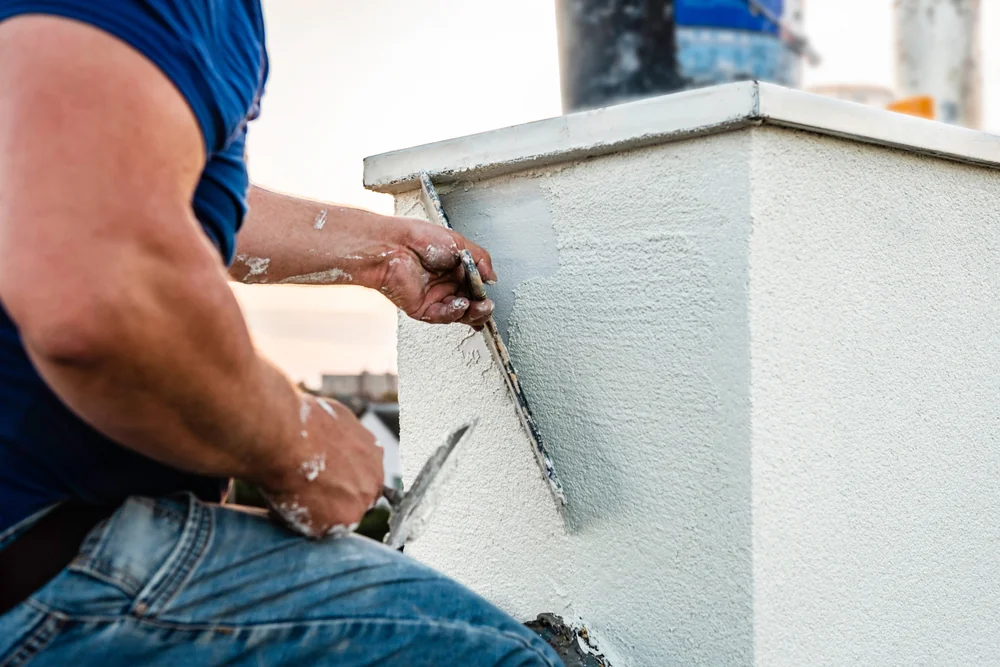
Masonry repair addresses cracked bricks, deteriorated mortar joints, and damaged chimney crowns. In North Amityville, freeze-thaw damage is inevitable if moisture gets into your masonry. We repoint mortar joints with mixes formulated for coastal exposure, replace cracked bricks, and rebuild crowns with proper slope and overhang. Your chimney crown is its first line of defense—when it cracks, everything below it is vulnerable.
Flue liner repair or replacement protects your home from carbon monoxide and prevents chimney fires. Clay tile liners crack when they absorb moisture and freeze. Damaged liners let dangerous gases into your living space and create fire hazards. We assess liner condition during inspection and recommend repair or replacement based on actual damage—not what’s most profitable for us.
You also get a thorough evaluation of your chimney’s structural integrity, waterproofing where appropriate, and documentation of all work performed for your records and future insurance claims.
If your chimney has isolated damage—cracked flashing, deteriorated mortar joints, or a damaged crown—repair usually makes sense. You’re fixing specific problems before they spread. But if you’re seeing widespread brick deterioration, major structural cracks, or a flue liner that’s failed in multiple places, replacement often costs less long-term than trying to patch everything.
Here’s what we look at: How much of the chimney is damaged? Is the foundation solid? Are we repairing 30% of the structure or 70%? If you’re approaching half the chimney needing work, replacement gives you a new system with full warranties instead of a heavily repaired old one that might need more work in a few years.
During inspection, we’ll tell you honestly which makes more sense for your situation. Sometimes repair is the smart move. Sometimes it’s throwing money at a chimney that’s going to keep failing. You’ll get a clear recommendation based on actual conditions—not a sales pitch.
Salt air is corrosive. Your chimney sits exposed to moisture-laden coastal air that accelerates mortar deterioration and metal corrosion. Inland chimneys don’t face constant salt exposure, so their materials last longer. Yours are under attack year-round.
Freeze-thaw cycles hit harder here because your masonry absorbs moisture from coastal humidity and rain. When temperatures drop, that trapped water freezes, expands, and cracks bricks and mortar from the inside. This happens repeatedly throughout winter. Each cycle makes existing damage worse.
Coastal storms also drive wind and rain horizontally into your chimney with force that inland properties rarely experience. Water penetrates deeper into masonry during nor’easters, and your flashing takes more abuse. These aren’t occasional events—they’re regular occurrences that wear down even well-built chimneys faster than normal weathering would.
Water damage spreads. A small crack in your chimney crown lets moisture into the masonry. That moisture travels down into your chimney structure, then into your roof decking, then into your attic framing. What started as a $500 crown repair becomes a $3,000 chimney reconstruction plus roof repairs plus interior water damage remediation.
Structural damage gets worse with every freeze-thaw cycle. Cracks widen. Mortar joints crumble. Bricks loosen. Eventually you’re not looking at repair anymore—you need partial or full chimney rebuilding because the structure has deteriorated beyond the point where repairs hold.
Safety risks increase as damage progresses. Damaged flue liners can allow carbon monoxide into your home. Cracks in masonry can let sparks reach combustible materials in your walls or attic. Water damage can rot the wooden framing that supports your chimney. These aren’t theoretical risks—they’re documented causes of house fires and carbon monoxide poisoning. The difference between addressing damage now versus later isn’t just cost. It’s safety.
Most chimney repairs take one to three days depending on scope. Simple flashing replacement might be done in a day. Extensive masonry repointing, crown rebuilding, and flue liner work might take three days. Weather affects timeline because we can’t apply certain materials in rain or when temperatures are too low for proper curing.
We schedule work when conditions allow materials to perform correctly. Marine-grade sealants and mortar mixes need specific temperature ranges and dry conditions to cure properly. Rushing work in bad weather means repairs that fail prematurely. You’d rather wait a few days for proper conditions than pay for the same repair twice.
You’ll get a realistic timeline during estimate. We don’t overpromise and underdeliver. If we say three days, that’s accounting for proper prep, material curing time, and quality control. Your timeline also depends on how quickly we can schedule—fall is busy season for chimney work, so booking during summer often means faster scheduling and completion.
Yes. Standard mortar mixes and sealants don’t hold up in salt air. We use mortar formulated for marine environments with additives that resist salt corrosion and improve water resistance. The mix ratio matters—too much Portland cement makes mortar harder than old bricks, which causes new cracking. We match mortar strength to your existing masonry.
Flashing materials also matter. We typically use copper or heavy-gauge aluminum that resists coastal corrosion better than standard galvanized steel. Copper flashing can last 50+ years in marine environments. Cheap galvanized flashing corrodes in a fraction of that time, especially near the ocean.
Sealants and waterproofing products need to be vapor-permeable while blocking water. Your masonry needs to breathe—trapped moisture causes more damage than external water. We use penetrating sealers that let water vapor escape while preventing liquid water intrusion. These products are specifically rated for coastal applications and salt exposure. Using the right materials costs more upfront but means you’re not redoing this work in five years because everything failed prematurely.
Minor repairs like flashing replacement or small crown fixes typically run $800 to $2,000. Moderate repairs involving masonry repointing, crown rebuilding, and flashing work usually cost $2,000 to $5,000. Extensive repairs with flue liner replacement and significant masonry reconstruction can reach $5,000 to $10,000. Full chimney replacement ranges from $10,000 to $15,000 depending on height and complexity.
Your actual cost depends on damage extent, chimney height, accessibility, and materials needed. A two-story chimney costs more than a single-story ranch chimney. Chimneys requiring scaffolding cost more than those accessible from standard ladders. Marine-grade materials cost more than standard products but last significantly longer in coastal conditions.
We provide detailed written estimates that break down labor, materials, and what specific work is included. You’ll know exactly what you’re paying for before work starts. We don’t hit you with surprise charges or “unforeseen damage” fees that should have been caught during inspection. The estimate reflects the actual work needed based on thorough assessment—not a lowball number that balloons once we’re on your roof.
Other Services we provide in North Amityville