Hear From Our Clients
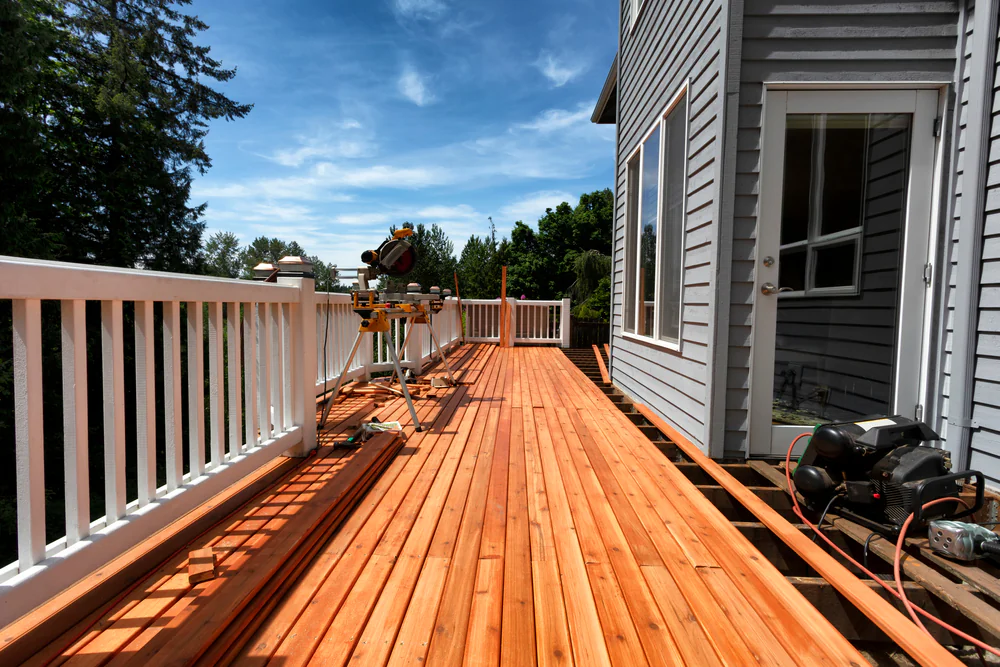
That hesitation you feel when you step onto your deck? That’s your instinct telling you something’s wrong. Soft boards, loose railings, or sections that feel unstable aren’t just annoying—they’re safety risks waiting to happen.
Professional deck repair fixes what’s broken and identifies what’s about to break. We replace rotting boards, reinforce weak framing, tighten loose fasteners, and address the water drainage issues that caused the damage in the first place. You get a deck that’s safe for your family and guests, not just patched over until next season.
Most North Amityville homeowners don’t realize how much damage Long Island’s coastal climate does to wood decks. Salt air holds moisture in fasteners and framing. Freeze-thaw cycles crack boards and loosen screws. What starts as a small soft spot becomes a structural problem if you wait too long. Catching it early means repairs stay affordable and your deck lasts years longer.
Home Team Construction has spent over a decade repairing and rebuilding decks across Long Island. We’re licensed contractors who understand how North Amityville’s weather—humid summers, wet winters, and constant salt exposure—accelerates deck deterioration faster than most other climates.
We’ve worked in this area long enough to know which materials hold up and which ones fail within a few seasons. We’ve seen what happens when homeowners ignore early warning signs, and we’ve helped plenty of families decide whether repair or replacement makes more financial sense. Our job is to give you the straight answer, not upsell you on work you don’t need.
North Amityville homeowners value transparency and quality work that lasts. That’s what we deliver—no runaround, no surprises, just honest assessments and repairs done right the first time.
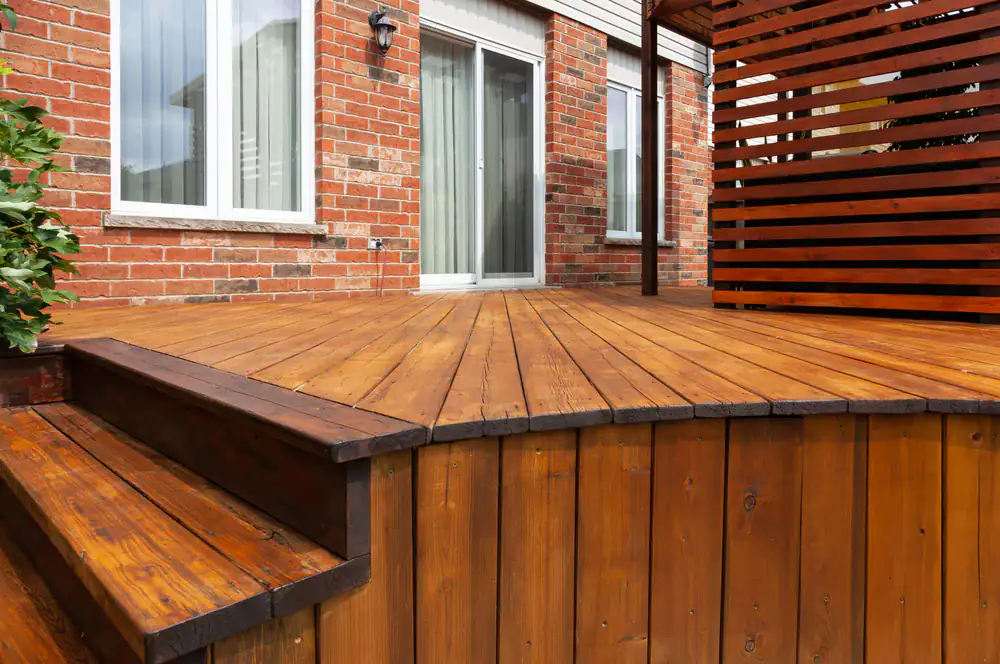
First, we inspect your deck to find out what’s actually wrong. That means checking boards, railings, joists, posts, and fasteners—not just the obvious damage you can see. We look for soft spots, rust, rot, and signs of water intrusion that indicate bigger problems underneath.
Next, we explain what we found and what needs fixing. If it’s a few boards and some loose screws, we’ll tell you that. If the framing is compromised or the ledger board is pulling away from your house, we’ll tell you that too. We also let you know if repair costs are approaching replacement costs, because sometimes replacing makes more sense than pouring money into a deck that’s too far gone.
Once you approve the work, we handle the repairs using materials built for Long Island’s coastal environment. We don’t just swap out bad boards—we fix the underlying issues so the problem doesn’t come back next year. After the work is done, your deck is safe, stable, and ready for whatever you throw at it.
Ready to get started?
Deck repair services cover everything from minor board replacement to major structural fixes. We replace rotting or cracked boards, reinforce weak joists and beams, secure loose railings, replace rusted fasteners, and repair or replace damaged posts. If your deck has drainage problems causing water to pool and accelerate rot, we address that too.
North Amityville sits in a coastal zone where salt air and moisture do serious damage over time. Pressure-treated wood decks in this area typically last 12 to 20 years, but that lifespan shortens fast if maintenance gets ignored. Composite decks last longer—25 to 35 years—but even those need occasional repairs when fasteners fail or boards crack from impact.
The most expensive mistake homeowners make is waiting too long. Surface damage is cheap to fix. Structural damage is not. A cracked board costs a fraction of what you’ll pay to replace compromised framing or rebuild sections of your deck. Getting a professional inspection now, in late winter, means you catch problems before they become emergencies and before contractors get booked solid in spring.

If repair costs exceed 50% of what a full replacement would cost, replacement usually makes more sense. That’s the general rule most deck repair contractors follow, and it’s a good financial benchmark.
Start by getting a professional inspection. We’ll assess the condition of your boards, framing, posts, and fasteners to determine how much of the structure is still sound. If the damage is isolated—a few rotting boards, some loose railings, or surface-level issues—repair is almost always the better option. But if the joists are sagging, the ledger board is pulling away from your house, or more than half the boards are soft, you’re looking at replacement.
Another factor is age. If your deck is already 15 to 20 years old and showing multiple problems, putting money into repairs might just delay the inevitable. On the other hand, if your deck is only 5 to 10 years old and the damage is limited, repairing it protects your investment and extends its life for years.
Long Island’s coastal climate is tough on wood decks. Salt air retains moisture in fasteners, boards, and framing, which accelerates rot and rust. Add in freeze-thaw cycles during winter, and you’ve got a recipe for rapid deterioration.
Water is the main culprit. When decks don’t have proper drainage or when boards trap moisture against joists, rot spreads fast. Pressure-treated wood resists rot better than untreated lumber, but it’s not invincible—especially in a humid, salty environment like ours. Composite decks handle moisture better, but even those can develop problems if the substructure is wood and it starts to decay.
The damage often hides beneath the surface. You might see one or two soft boards, but underneath, the joists and beams could be compromised. That’s why professional inspections matter. We catch the hidden rot before it becomes a safety hazard or a massive repair bill.
Deck repair costs vary widely depending on what’s wrong and how much of the structure is damaged. Minor repairs—replacing a few boards or tightening loose railings—might cost a few hundred dollars. Major structural repairs—replacing joists, beams, or posts—can run into the thousands.
The most affordable repairs are the ones you do early. A cracked board costs far less to replace than a compromised joist. Waiting until the damage spreads means higher costs and longer timelines. That’s especially true in spring and summer when contractors are booked solid and material costs are higher.
We give you a clear estimate after inspecting your deck. No surprises, no upselling. If repairs don’t make financial sense compared to replacement, we’ll tell you that upfront. Our goal is to help you make the smartest decision for your budget and your home, not to push you toward the most expensive option.
You can handle minor cosmetic repairs—replacing a few boards, tightening screws, or resealing the surface. But structural repairs require professional expertise, especially if the damage involves joists, beams, posts, or the ledger board attached to your house.
Deck safety isn’t something to guess at. If the framing is compromised, improper repairs can make the problem worse or create new safety hazards. Licensed contractors know how to assess load-bearing structures, identify hidden damage, and use the right materials and techniques to restore stability. We also understand local building codes, which matter if you ever sell your home or need permits for future work.
DIY repairs might save money upfront, but they often cost more in the long run if the problem wasn’t fully addressed. If you’re unsure whether your deck issue is cosmetic or structural, get a professional inspection. It’s a small investment that gives you clarity and peace of mind.
Late winter and early spring are the best times to schedule deck repairs in North Amityville. That’s when we have availability before the busy season hits, and you can get your deck ready before summer gatherings start.
Most Long Island decks get installed or repaired between April and August, which means if you wait until May or June, you’re competing with everyone else for contractor time and materials. Booking in February or March gives you better scheduling options, faster turnaround, and sometimes better pricing before demand spikes.
Late winter is also when damage from freeze-thaw cycles becomes obvious. Boards that survived fall might crack or soften over winter, and fasteners that were loose in November are now completely rusted or missing. Catching those issues now means you’re not scrambling to fix them when you’re trying to host a barbecue in July.
Look for licensed contractors with experience in your area. Long Island’s coastal climate requires specific knowledge about materials, moisture management, and how salt air affects wood and fasteners. A contractor who understands those challenges will deliver better results than someone who treats every deck the same.
Ask about their inspection process. Good contractors don’t just fix what you can see—they check the entire structure for hidden damage. That includes looking at joists, beams, posts, ledger boards, and drainage. If a company offers to replace boards without inspecting the framing, that’s a red flag.
Finally, get a clear estimate that explains what’s included and why. Avoid contractors who pressure you into unnecessary work or who can’t explain the difference between repair and replacement costs. You want someone who gives you honest advice, not a sales pitch.
Other Services we provide in North Amityville