

Hear From Our Clients

Your basement stays completely dry during the heaviest Long Island storms and spring melts. Foundation cracks and costly erosion become problems of the past when your gutters actually direct water away from your home instead of dumping it straight down your foundation walls.
Ice dams that damage roof structures won’t form when gutters flow freely all winter. Your landscaping and flower beds stay beautiful instead of washing away each storm season. Siding and exterior paint last years longer without constant water exposure and staining.
You avoid the $5,000+ emergency repair bills that come with ignored gutter problems. When you notice sagging sections, persistent leaks, or water pooling near your foundation, fast residential gutter repair prevents small issues from becoming structural nightmares. That’s what proper gutter repair does for Mastic homeowners dealing with our region’s 46 inches of annual rainfall combined with nor’easters and freeze-thaw cycles.
We’ve spent over 10 years repairing gutters exclusively in Nassau and Suffolk County. We’re a local family business, not a franchise operation that rotates crews through different states. Every repair we do addresses Long Island’s specific challenges—coastal salt air corrosion, heavy oak and maple leaf debris, and the freeze-thaw cycles that crack inferior repairs within months.
We don’t use subcontractors. Every crew member is trained, insured, and held to our exact standards. When storm damage happens, we secure your home immediately and start repairs the same day because we understand Mastic’s weather doesn’t wait for convenient scheduling.
You’re hiring people who live here, raise families here, and stake our reputation on work that holds up against the same weather conditions affecting your home right now.
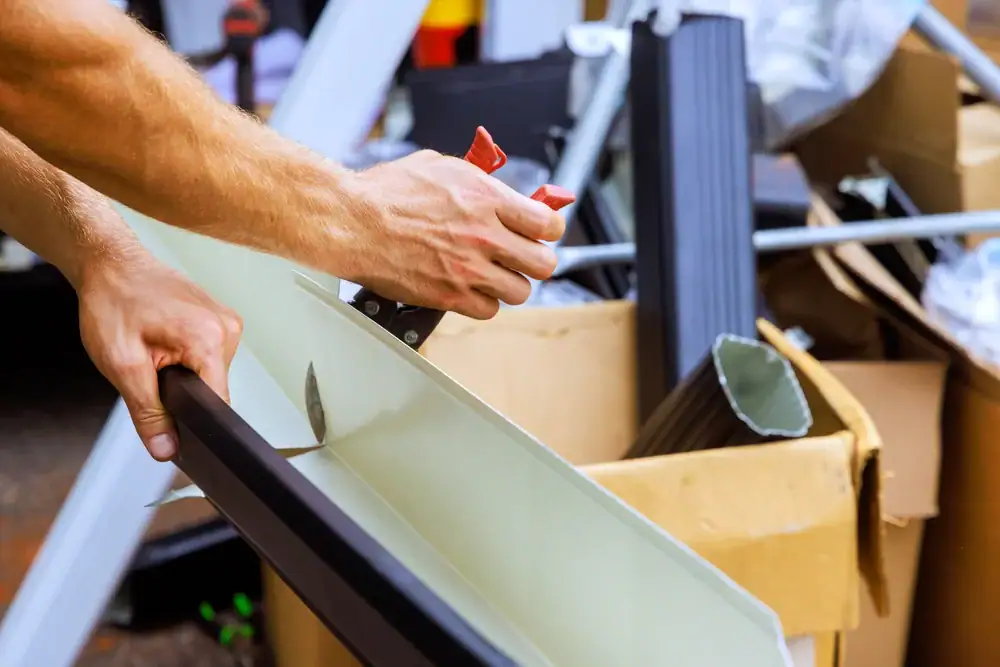
We start with a complete gutter inspection to identify the root cause, not just visible symptoms. Sagging sections usually mean failed hangers or rotted fascia boards. Persistent leaks often indicate separated seams or holes from rust and corrosion. We check pitch and drainage flow because even intact gutters fail when water can’t reach downspouts.
Our repair work includes professional leak sealing using commercial-grade sealants that withstand Long Island winters. We replace damaged sections with matching materials and reinforce hangers to proper spacing. When fascia boards show rot or water damage, we repair or replace them before reattaching gutters—because mounting hardware on compromised wood guarantees failure within months.
We adjust pitch for optimal drainage and ensure downspouts direct water at least six feet from your foundation. Before we leave, we test the entire system with running water to verify proper flow and confirm zero leaks. You see the repair work, understand what we fixed, and know exactly what to expect during the next heavy rain.

Ready to get started?
Professional leak sealing addresses separated seams, rusted-through sections, and corner joints that fail under Long Island’s temperature swings. Section replacement handles areas too damaged for effective repair—we match your existing gutter material and color so repairs blend seamlessly with your current system.
Hanger reinforcement and replacement stops sagging before it creates standing water and ice dam conditions. Suffolk County’s tree coverage means your gutters carry heavier debris loads than average, requiring properly spaced support every 24 inches maximum. Pitch adjustment corrects drainage issues causing water to pool instead of flowing to downspouts.
Fascia board repair or replacement happens when the wood behind your gutters shows rot, water damage, or structural compromise. Mastic’s humidity and rainfall accelerate wood deterioration, and mounting gutters to damaged fascia guarantees premature failure. Downspout repair and repositioning ensures water discharges far enough from your foundation to prevent the basement flooding and foundation erosion common in our area’s sandy soil conditions.
Storm damage response covers emergency repairs after severe weather—temporary securing followed by permanent restoration using coastal-grade materials specifically chosen for Suffolk County’s demanding climate.

If you’re seeing isolated problems—a sagging section, a persistent leak at one seam, or a few loose hangers—you likely need targeted repairs, not a full replacement. Gutter systems typically last 20-30 years depending on material, but specific sections fail earlier due to tree damage, ice buildup, or concentrated water flow.
Complete replacement makes sense when you have widespread rust, multiple failing sections across different areas, or significant fascia damage requiring extensive carpentry work. It also makes financial sense when repair costs approach 50% of replacement cost. During our inspection, we’ll show you exactly what’s failing and give you honest numbers for both options.
Most Mastic homeowners we work with need repairs, not replacement. A $400-$800 repair that adds 5-10 years to your gutter system beats a $2,200 replacement when the underlying structure is still sound. We make money either way—our recommendation is based on what actually makes sense for your situation.
Sagging happens when hangers fail, fascia boards rot, or gutters carry more weight than the mounting system can handle. In Mastic, the combination of heavy leaf debris from oak and maple trees plus standing water from clogged sections creates weight loads that exceed standard hanger spacing.
Freeze-thaw cycles make it worse. Water trapped in gutters freezes, expands, and pulls hangers loose from fascia boards. When this happens repeatedly over winters, even properly installed systems eventually sag. Coastal humidity also accelerates wood rot in fascia boards, and once that wood deteriorates, hangers have nothing solid to grip.
The fix involves replacing failed hangers with heavy-duty hardware, spacing them properly for Long Island’s debris loads, and repairing any fascia damage before remounting. We also adjust pitch to eliminate standing water that contributes to the problem. A proper repair addresses the cause, not just the visible sag—otherwise you’re looking at the same problem within a year.
We repair gutters year-round, including winter, though the specific repair methods vary with temperature. Sealants and adhesives require minimum temperatures to cure properly—typically above 40°F for most commercial-grade products. When temperatures drop below that threshold, we use cold-weather formulations or mechanical fastening methods that don’t rely on chemical curing.
Emergency repairs happen regardless of season because storm damage and ice dam situations can’t wait months for warmer weather. We secure failing sections immediately to prevent further damage, then complete permanent repairs when conditions allow proper material application.
Winter repairs actually make sense for Mastic homeowners because you’re seeing exactly how your gutters handle snow, ice, and freeze-thaw cycles. Problems that hide during summer become obvious in January. Fixing them before spring’s heavy rainfall prevents the basement flooding and foundation damage that happen when compromised gutters face 4-5 inches of typical spring precipitation combined with snowmelt runoff.
Most residential gutter repairs take 2-4 hours depending on the extent of damage and accessibility. A simple leak seal or hanger replacement on a single-story ranch goes faster than fascia board replacement on a two-story colonial with landscaping blocking ladder access.
We give you an accurate time estimate after inspection because every repair situation differs. Emergency storm damage repairs prioritize securing your home immediately—we stop active leaking and prevent further damage within hours, then schedule follow-up work for permanent restoration.
The timeline also depends on material availability. Standard aluminum sections and common colors we stock on our trucks. Custom colors, copper components, or specialty profiles may require ordering, adding a few days to the schedule. We’re upfront about timing before starting work. You’ll know when we’re arriving, how long we’ll be there, and exactly when your gutter system will be fully functional again. No surprises, no vague “we’ll get to it eventually” responses.
Leak sealing works for small holes, separated seams, and minor corrosion damage where the surrounding gutter material remains structurally sound. We clean the area thoroughly, apply commercial-grade sealant designed for exterior exposure and temperature extremes, and reinforce if needed. Proper sealing stops leaks for years when the damage is truly isolated.
Section replacement becomes necessary when rust has compromised structural integrity, when holes are too large for effective sealing, or when the gutter material has deteriorated beyond reliable repair. We also replace sections when previous amateur repairs have failed multiple times—at that point, you’re spending more on repeated seal attempts than a permanent section replacement costs.
During inspection, we test the metal thickness and check for widespread corrosion that indicates broader system failure. If the leak is isolated and the surrounding material is solid, sealing makes sense. If we’re seeing rust patterns, thin spots, or multiple problem areas in the same section, replacement gives you a lasting fix instead of a temporary patch that fails next winter. The decision is based on what actually holds up against Long Island weather, not what generates the biggest invoice.
Yes, fascia repair is included when necessary because mounting gutters to rotted or damaged wood guarantees failure. The fascia board is what holds your entire gutter system to your house—when that wood deteriorates from water exposure, even new gutters with perfect hangers will sag and pull away within months.
Mastic’s humidity and rainfall accelerate fascia deterioration, especially on north-facing sections that stay damp longer. We inspect fascia during every gutter repair because hidden rot is common. You might see a simple gutter sag, but the real problem is compromised wood behind it. We remove the damaged section, install new pressure-treated or PVC fascia board that resists moisture damage, then properly mount your gutters to solid backing.
Fascia repair adds to project cost and time, but skipping it means your gutter repair fails prematurely. We show you the damage, explain why replacement is necessary, and give you a clear price before proceeding. Some homeowners are surprised their gutter problem is actually a carpentry issue, but fixing it right the first time beats repeated gutter repairs that never address the underlying cause.
Other Services we provide in Mastic