Hear From Our Clients
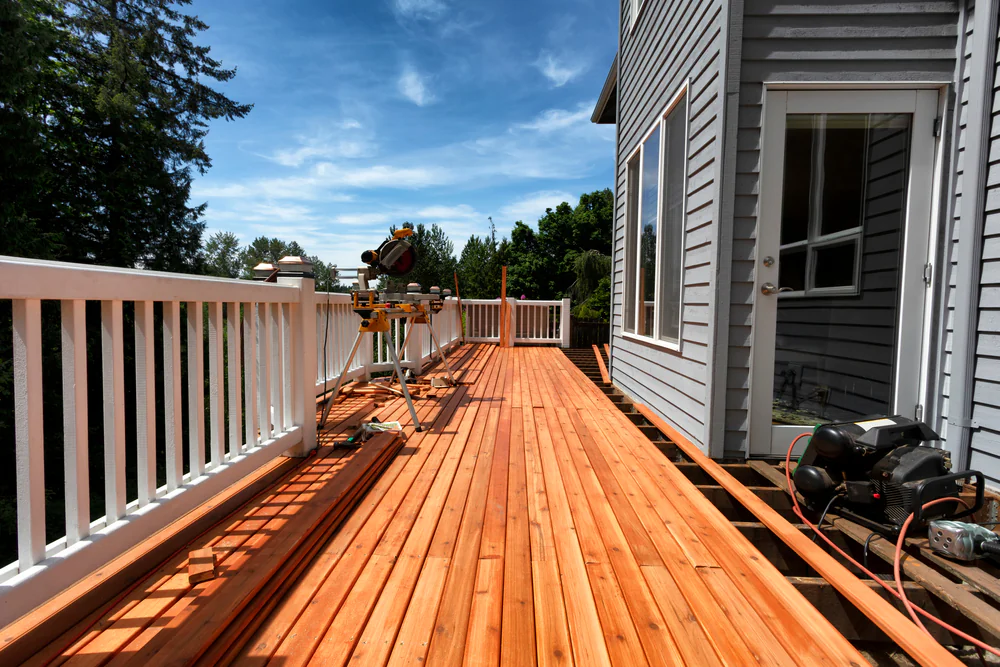
That loose board you’ve been stepping over? The railing that wobbles when someone leans on it? Those aren’t just annoyances—they’re your deck telling you it needs attention before someone gets hurt.
Here’s what changes after we fix it. You stop worrying every time the kids run outside. You actually use your deck again instead of avoiding certain spots or warning guests to watch their step. Your outdoor space handles Long Island’s humid summers and harsh winters without falling apart in two years.
Most importantly, you avoid the massive expense of full replacement while getting years of safe use from repairs that actually last. We’re not here to sell you a new deck if yours can be fixed properly. We use marine-grade fasteners, pressure-treated lumber, and proper drainage techniques that work with Suffolk County’s coastal climate—not against it.
Home Team Construction has been handling deck repairs across Suffolk County since before composite decking became the standard. We’ve seen what winter freeze-thaw cycles do to support posts, how salt air corrodes fasteners faster than you’d expect, and which shortcuts lead to callbacks six months later.
We’re fully licensed and insured, and we understand Brookhaven’s building codes inside and out. That matters when you’re dealing with structural repairs that need to pass inspection and actually hold up long-term.
Most of our work in Centereach comes from referrals—homeowners who had a good experience and told their neighbors. That’s how we’ve built this business, and it’s why we don’t pressure you into repairs you don’t need or replacements that don’t make sense for your situation.
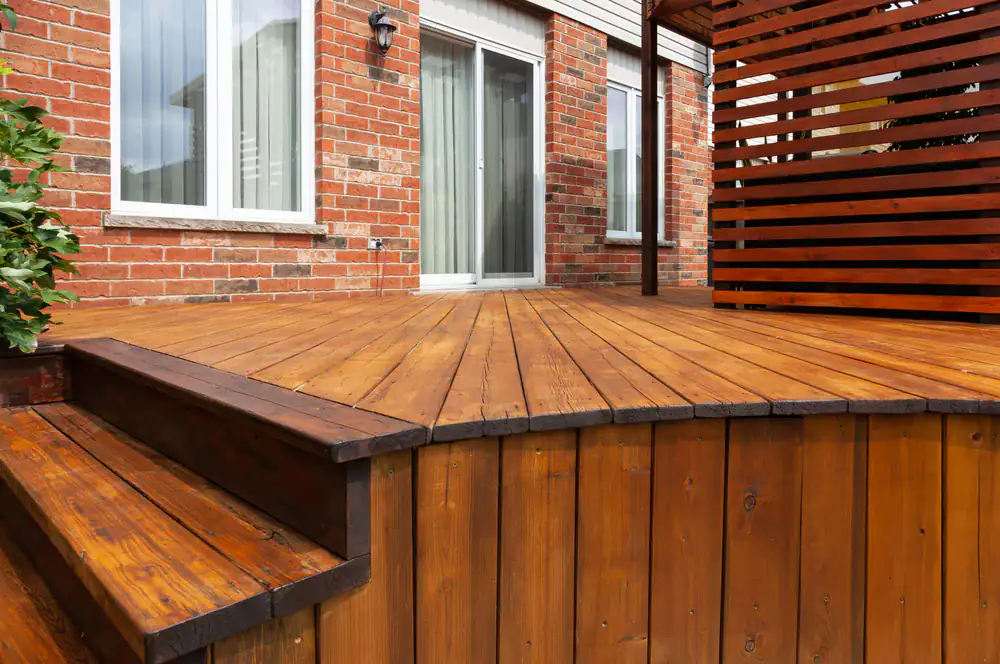
We start with a free inspection of your entire deck structure—not just the obvious problem areas. We’re checking support posts, joists, ledger boards, flashing, and fasteners because most deck failures start where you can’t see them. You get a clear breakdown of what’s wrong, what needs immediate attention for safety, and what can wait.
If repairs make sense, we give you a detailed estimate with no surprise costs. You’ll know exactly what materials we’re using and why they’re the right choice for coastal Long Island conditions. Most deck repairs in Centereach take one to three days depending on scope—simple fixes like replacing boards or tightening railings can be done in a day.
We handle permits if your repair requires them, and we clean up completely when we’re done. You’re left with a deck that’s safe, stable, and built to handle whatever weather comes next. We provide a warranty on our workmanship and honor all manufacturer warranties on materials we install.
Ready to get started?
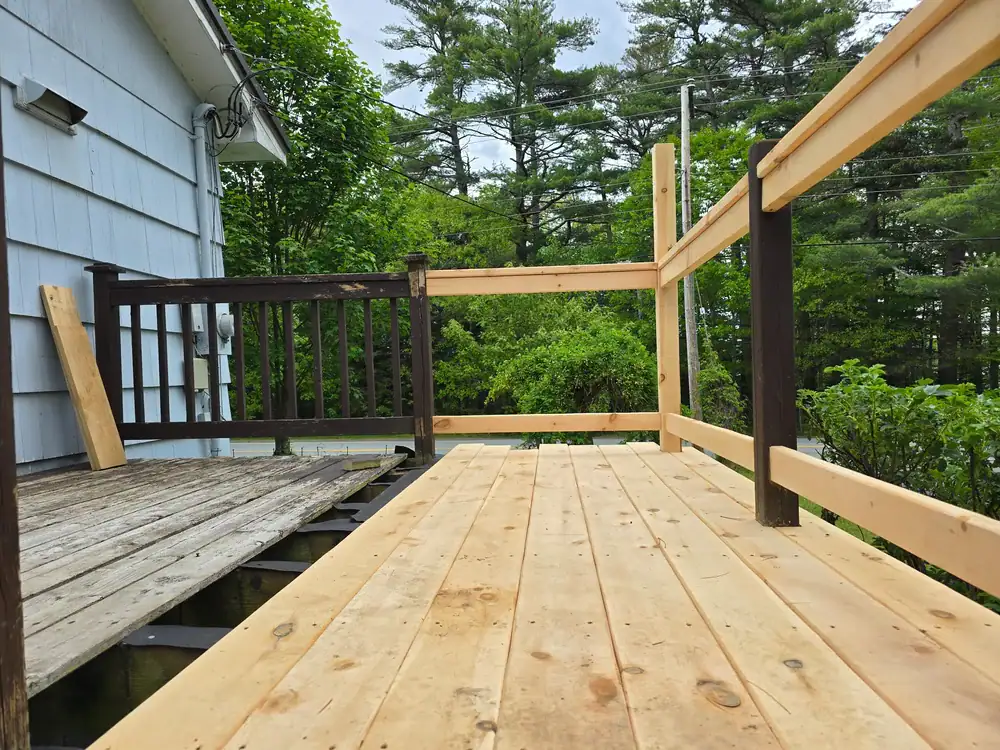
We repair and replace rotting deck boards, damaged joists, unstable support posts, loose or broken railings, corroded fasteners, and failing ledger board connections. If your deck has soft spots, visible rot, rust stains from failing hardware, or sections that feel bouncy when you walk on them, those are all fixable problems.
For Centereach homeowners, we pay special attention to how coastal humidity and salt air affect different materials. Pressure-treated lumber needs proper end-sealing. Composite boards require specific fastening techniques. Railings take the most abuse from weather and need corrosion-resistant hardware that actually lasts.
We also handle structural issues that aren’t obvious from the surface—inadequate flashing that’s letting water into your house, support posts that are rotting at ground level, or joists that have lost their load-bearing capacity. These are the problems that turn into safety hazards if you ignore them, and they’re exactly what we look for during inspections.
The goal isn’t just to patch what’s broken. It’s to fix the underlying issue so you’re not calling us back in six months. That means proper drainage, appropriate materials for Long Island’s climate, and installation techniques that meet current building codes even if your deck was built before those standards existed.

Most deck repairs in Centereach run between $1,000 and $5,000 depending on what needs fixing and how much of your deck is affected. Replacing a few rotting boards and tightening railings might cost $1,200. Rebuilding stairs, replacing support posts, and fixing structural issues could run $4,000 or more.
The real question isn’t the total cost—it’s whether repair makes more sense than replacement. If your repair estimate comes in above 50% of what a full replacement would cost, replacement usually makes more financial sense. You get a completely new structure with modern materials and decades of life ahead instead of pouring money into a deck that’s failing in multiple areas.
We’ll tell you honestly which direction makes sense for your situation. Sometimes the smart move is fixing what’s broken. Sometimes it’s starting fresh. We don’t make more money either way—we make money by doing good work that leads to referrals.
If the structural frame is solid—your joists, beams, and support posts are in good shape—then repairing the surface boards and railings usually makes sense. You’re looking at a fraction of replacement cost for years of additional safe use.
If the frame itself is compromised—rotting posts, failing joists, inadequate ledger board connections—replacement often makes more sense. You can’t build a safe deck on a failing foundation, and trying to patch structural problems usually costs more in the long run than starting over.
Here’s what we look at during inspections: how old is your deck, what condition is the framing in, how much of the surface needs work, and are there code violations that need addressing. A 10-year-old deck with some bad boards? Repair it. A 20-year-old deck with soft spots throughout and wobbly posts? Probably time to replace. We’ll walk you through the math so you can make the right call for your budget and timeline.
Done right with appropriate materials, deck repairs in Suffolk County should last 10 to 15 years before needing attention again. That assumes you’re using pressure-treated lumber or composite materials, marine-grade fasteners, and proper installation techniques that account for our coastal humidity and temperature swings.
The biggest factor is material choice. Standard galvanized screws corrode fast in salt air—you need stainless steel or coated fasteners rated for coastal environments. Untreated lumber rots quickly in our climate—you need pressure-treated or naturally rot-resistant wood like cedar. Improper drainage accelerates every problem—you need correct joist spacing and board gaps that let water escape.
We see plenty of repair jobs that failed in two or three years because someone used the wrong materials or cut corners on installation. That’s why we’re specific about what goes into your deck. It’s not about upselling premium products—it’s about using what actually works long-term in Centereach’s weather conditions. You’re paying for the labor either way. Might as well use materials that last.
Loose or wobbly railings are the biggest red flag—if your railing moves when you put weight on it, someone could fall. Soft or spongy boards mean rot has set in and those boards could break through when stepped on. Visible cracks in support posts or beams indicate structural problems that will only get worse. Rust stains from fasteners mean your hardware is corroding and losing holding power.
You should also watch for boards that are pulling away from joists, nails or screws that are popping up, large splinters or splits in walking surfaces, and any section of deck that feels bouncy or unstable when you walk on it. These aren’t cosmetic issues—they’re safety hazards that need professional attention.
Long Island’s winter freeze-thaw cycles make existing problems worse fast. That small crack in February becomes a major split by April. That slightly soft board in March is rotted through by June. If you’re noticing any of these signs now, get an inspection before the problem spreads to surrounding boards or structural members. Early repairs cost a fraction of what you’ll pay if you wait until something fails completely.
Replacing a few surface boards is a reasonable DIY project if you’re comfortable with basic carpentry and have the right tools. You’re removing old boards, cutting new ones to length, and fastening them properly—straightforward work that doesn’t require specialized knowledge.
Structural repairs are different. If you’re dealing with support posts, joists, ledger boards, or anything that affects your deck’s load-bearing capacity, you need professionals who understand building codes and proper installation techniques. Getting these repairs wrong creates serious safety hazards, and most homeowners insurance won’t cover damage from improper DIY structural work.
There’s also the permit question. Many deck repairs in Brookhaven require permits and inspections, especially if you’re touching structural elements or doing work that affects how your deck connects to your house. Licensed contractors know what requires permits, how to get them, and what inspectors expect to see. That’s not knowledge you want to learn through trial and error when your family’s safety is on the line.
Suffolk County’s coastal climate is particularly hard on decks. Humid summers promote mold and rot. Winter freeze-thaw cycles cause boards to expand and contract, which loosens fasteners and creates cracks. Salt air from the ocean corrodes metal hardware faster than inland locations. Heavy snow loads stress structural members.
This means decks in Centereach typically need repairs sooner than the same deck would in a drier, less extreme climate. A pressure-treated deck that might last 20 years in Arizona might need significant repairs at 12 to 15 years here. Fasteners that would be fine inland for decades start corroding in five to seven years near the coast.
The good news is that we know exactly how to build and repair decks for these conditions. We use materials rated for coastal exposure, install proper drainage to prevent water accumulation, and apply techniques that account for seasonal expansion and contraction. Your deck still faces harsh weather—but it’s built to handle what Long Island throws at it instead of fighting a losing battle against the elements.
Other Services we provide in Centereach