

Hear From Our Clients
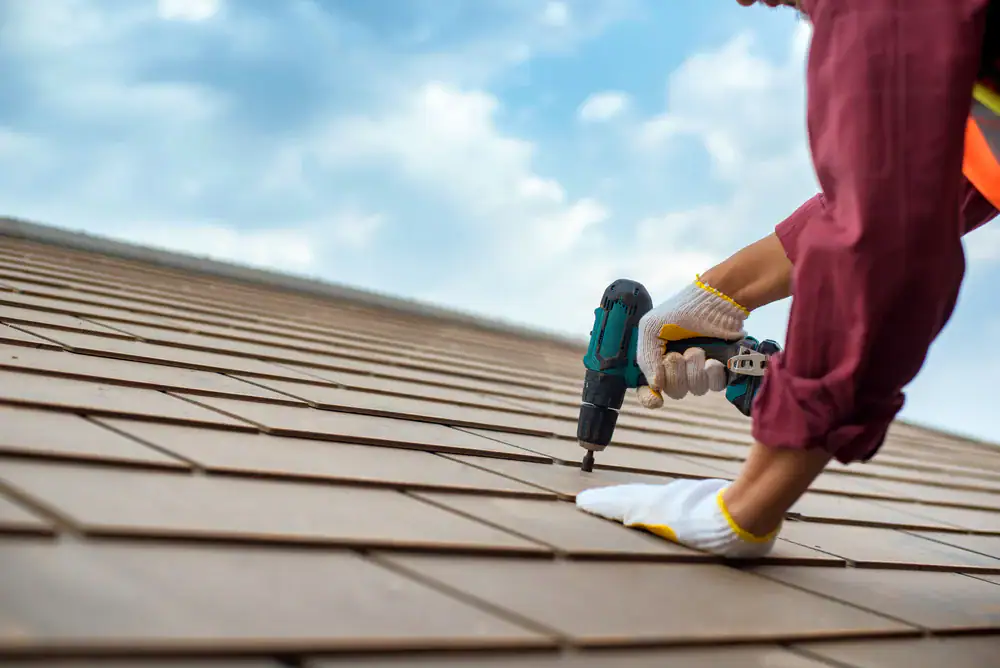
A roof replacement isn’t just about new shingles. It’s about knowing that the next nor’easter, the next freeze-thaw cycle, the next heavy snow isn’t going to find a weak spot and turn into a ceiling stain, a mold problem, or an insurance headache. When it’s done right, you stop thinking about your roof entirely and that’s exactly where you want to be.
Nearly half of Centereach’s homes were built between the 1940s and 1960s. The original capes and ranches in Dawn Estates and Eastwood Village are beautiful, solid homes but they’ve been through a lot of Long Island winters. Asphalt shingles in this climate last 15 to 20 years, not the 25 to 30 you might see quoted for milder parts of the country. If your Centereach home was re-roofed before 2010, you’re likely already in the window where small problems are quietly becoming bigger ones.
The other thing that changes when a replacement is done properly: your home’s value is protected. Centereach median home values have climbed past $534,000. A compromised roof is one of the fastest ways to erode that equity through water intrusion, structural damage, or a buyer’s inspector flagging it at closing. A properly installed, documented replacement removes that risk entirely.
We’re based in Mastic, right on the same Route 25 corridor that runs directly through Centereach. That’s not a coincidence it means our crew driving to your home already knows the roads, knows the housing stock along Middle Country Road, and has been working in the same Suffolk County weather you’ve been living in for over a decade.
This is a family-owned operation. When you call for an estimate, you’re likely talking to Alban, the owner, who shows up personally and is accountable for every job that goes out under the Home Team name. That’s not a talking point it’s how we’ve built this business, and it’s why customers in Centereach and surrounding communities keep referring their neighbors.
Every job we complete comes with itemized pricing, photo documentation of what’s under the old shingles, and all required Town of Brookhaven building permits pulled as a standard part of the process. No shortcuts, no surprises.

It starts with a free inspection. We send someone out, get on the roof, and give you an honest read on what’s actually going on up there. If a repair makes sense, that’s what you’ll hear. If the roof is genuinely at the end of its life and on a 1960s Centereach ranch, that’s not an unusual finding we’ll give you a clear explanation of why, with photos to back it up, not just a sales pitch.
From there, you receive a fully itemized written estimate. Every line item is broken out: tear-off and disposal, deck inspection and any repairs needed, underlayment, ice and water shield at all eaves and valleys, flashing, ridge ventilation, shingles, and post-job cleanup. Nothing is buried in a lump sum. Before work begins, you know exactly what you’re paying for and why.
Once the job is scheduled, we handle the Town of Brookhaven permit filing as part of the process you don’t have to chase that down yourself. Installation typically runs one to two days for a standard Centereach cape or ranch. When our crew leaves, the yard is clean, a magnet sweep has been done for nails, and you receive photo documentation of the completed work, including what we found under the old roofing materials.

Ready to get started?
Most Centereach homes the capes, the ranches, the split-levels that define the neighborhoods off Middle Country Road are ideal candidates for architectural asphalt shingles. Unlike the 3-tab shingles that were standard in the 1970s and 1980s, architectural shingles are thicker, heavier, and rated for 110 to 130 mph winds. That wind rating matters on Long Island, where nor’easters don’t ask permission before they arrive.
Every replacement we perform includes ice and water shield installed at all eaves and in all valleys not as an upgrade, but as a standard line item. This is the layer that prevents the ice dams that Centereach homeowners deal with every winter from turning into interior water damage. Paired with proper ridge-and-soffit ventilation, it addresses the root cause of ice dams rather than just covering over the symptom. Flashing is inspected and replaced wherever needed, and all debris is removed and disposed of before our crew leaves your property.
If your home has a chimney, skylights, or gutters that need attention, we can handle those under the same project one contractor, one schedule, one point of contact. We cover the full exterior, which means you’re not coordinating three separate companies to get your home where it needs to be. Financing at 18 months interest-free is available for qualifying projects, which makes timing a replacement on your terms instead of waiting until damage forces your hand.
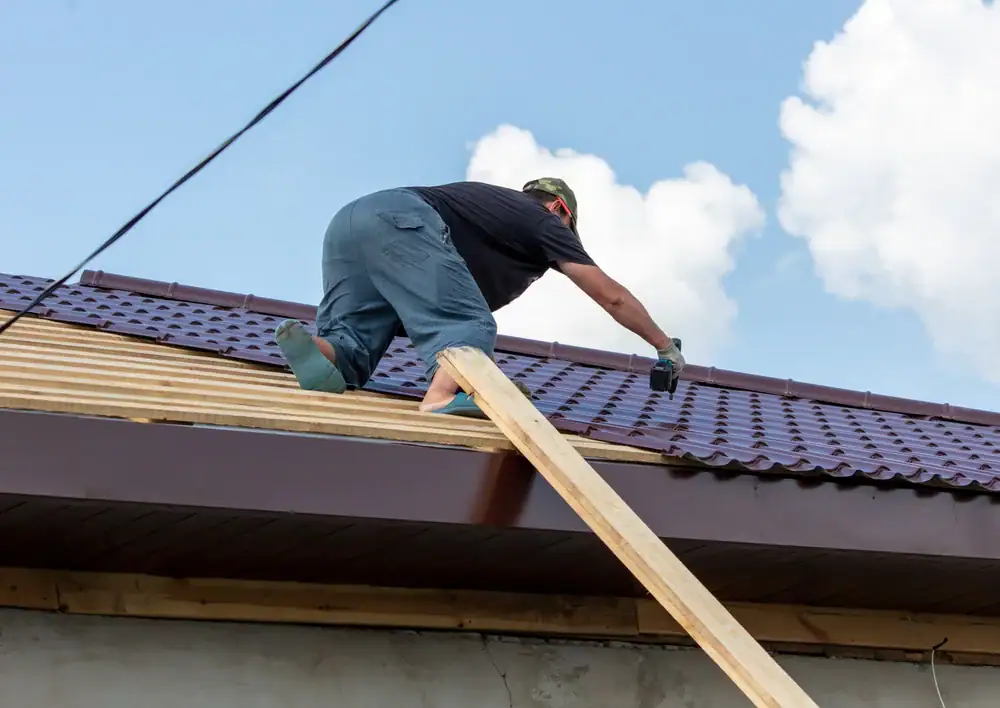
Yes a full roof replacement in Centereach requires a building permit from the Town of Brookhaven Building Division. This applies to virtually all complete tear-offs and re-roofing projects, and to any work that involves replacing plywood or structural decking underneath. The permit fee typically runs between $150 and $400 depending on the scope of the project, and Brookhaven does offer an online portal that can speed up processing.
The reason this matters beyond just legal compliance: unpermitted roofing work creates real problems at resale. A buyer’s attorney or home inspector will flag missing permits, and it can complicate or delay a closing. It can also affect your ability to file an insurance claim if a future storm causes damage and an adjuster determines the prior work wasn’t done to code. We pull all required permits as a standard part of every job in Centereach it’s included in the estimate, and you don’t have to manage any of that paperwork yourself.
In Long Island’s climate, a realistic lifespan for an asphalt shingle roof is 15 to 20 years not the 25 to 30 years you’ll see on manufacturer spec sheets, which are based on much milder inland conditions. Centereach gets the full range of what Long Island can deliver: hot, humid summers that bake and blister shingles, hard winters with freeze-thaw cycles that work at every seal and fastener, and coastal storm systems that push wind-driven rain into every gap.
If your Centereach home was built or last re-roofed in the 1990s or early 2000s, it’s worth having someone take a look not to sell you something, but to give you an honest read on where things stand. Granule loss in your gutters, shingles that are lifting or curling at the edges, and dark staining on the ceiling inside are the most common early indicators. Catching it before it becomes an active leak is almost always less expensive than dealing with the water damage after.
A complete replacement covers more than just new shingles. The process starts with a full tear-off of the existing roofing materials down to the decking. The deck is then inspected for any soft spots, rotted plywood, or damaged sheathing and on older Centereach homes from the 1950s and 1960s, finding some deteriorated decking is not unusual. Any deck repairs needed are documented and discussed with you before work continues.
From there, the installation layers are: a synthetic underlayment across the entire deck surface, ice and water shield at all eaves and valleys, new drip edge and flashing at all penetrations and transitions, and the shingles themselves. Ridge ventilation is installed or updated as part of the project to ensure the attic breathes properly which directly affects how long the new roof lasts and whether ice dams form in winter. Cleanup and debris removal are included, and you receive photo documentation of the completed work before our crew leaves.
For a typical single-story cape or ranch in Centereach the most common home style in the area a full replacement generally falls somewhere between $9,000 and $18,000, depending on the size of the roof, the pitch, how many penetrations like chimneys or skylights are involved, and what condition the decking is in once the old shingles come off. Homes with more complex rooflines, multiple dormers, or significant deck damage will land toward the higher end.
Long Island roofing costs have risen meaningfully over the past few years material costs and skilled labor are both up. That’s not unique to Centereach, but it does mean that estimates from a few years ago are no longer a reliable baseline. The most useful thing you can do is get a current, itemized estimate that breaks out every component so you understand exactly what you’re paying for. That way, if you’re comparing quotes from multiple contractors, you’re comparing apples to apples not trying to figure out why one number is $4,000 lower than another.
The honest answer depends on a few things: the age of the roof, how widespread the damage is, and what the underlying deck looks like. If the roof is under 10 years old and the damage is isolated a few missing shingles after a storm, a flashing issue around a chimney a targeted repair often makes sense and can add several more years of life. That’s a legitimate option and one worth exploring before committing to a full replacement.
Where it gets more complicated is with roofs that are 15-plus years old and showing multiple failure points. At that stage, repairing one area frequently just shifts the problem somewhere else within a season or two. On a Centereach home from the 1960s or 1970s that’s already had one or two previous roofing jobs, you may also be dealing with layers of old materials that are masking deck issues underneath. A free inspection with photo documentation gives you an honest picture of what’s actually going on which is the only real basis for making that call.
Call immediately don’t wait to see if the damage is “bad enough.” Water intrusion that goes unaddressed for even a few days can lead to mold growth in the attic, damage to insulation, and structural issues that cost significantly more to remediate than the original roof repair would have. We offer 24/7 emergency response with real crew dispatch, not an answering service which matters when a nor’easter rolls through Centereach at midnight and you’ve got a ceiling stain appearing by morning.
On the insurance side, it’s worth knowing that carriers have become more aggressive about denying or reducing claims when pre-existing deterioration contributed to the damage. If your roof was already in poor condition before the storm, an adjuster may argue that the damage was partly due to deferred maintenance rather than the storm event itself. Getting an emergency tarp in place quickly, documenting the damage with photos, and working with a licensed local contractor who can provide a detailed written assessment gives you the strongest possible footing when you file your claim.
Other Services we provide in Centereach