
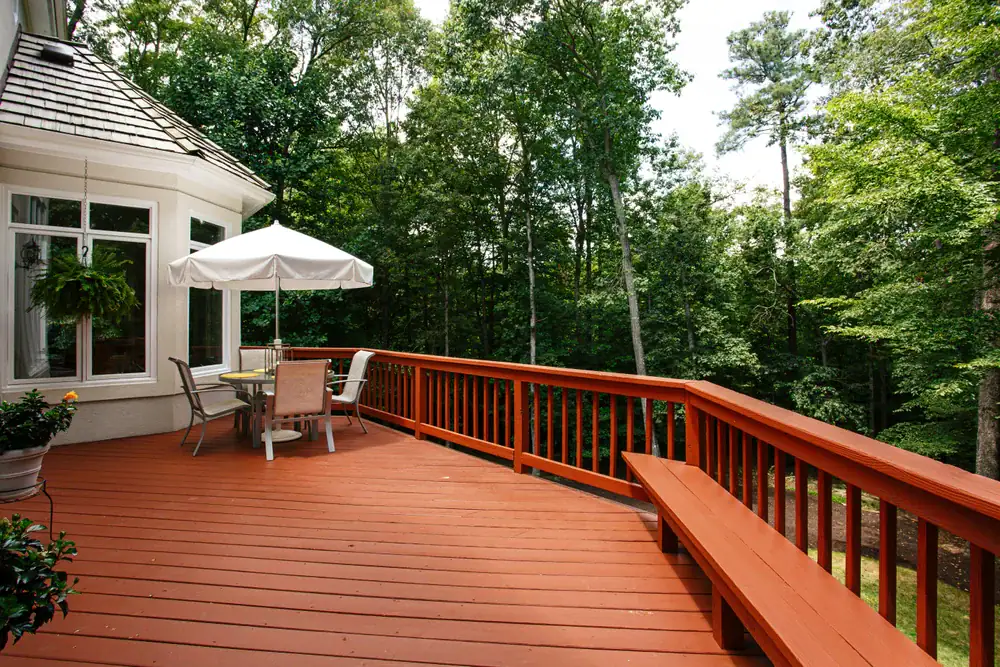
Hear From Our Clients
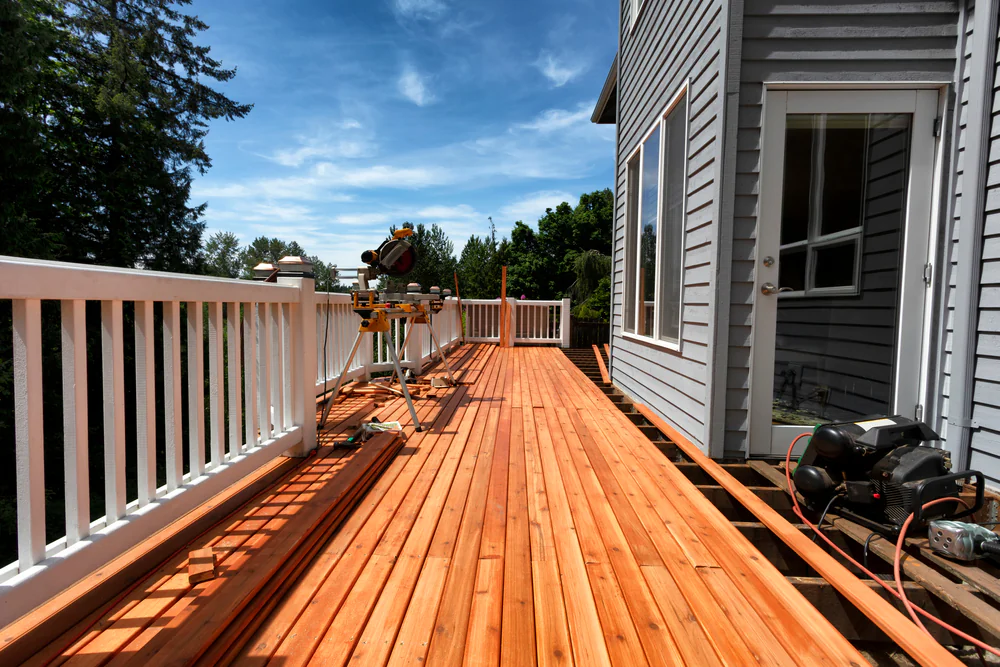
You stop testing boards before stepping on them. The bounce is gone. The creak is gone. Your railing doesn’t shift when you lean on it.
That’s what happens when deck repair addresses the actual problem, not just the surface. Most Long Island decks showing damage right now weren’t built wrong—they’ve just been sitting in Suffolk County weather for 15 to 20 years. Salt air corrodes fasteners. Freeze-thaw cycles loosen connections. Moisture finds its way into joints and sits there until the wood gives up.
We replace what’s compromised. We reinforce what’s weakened. And we use materials that hold up in coastal conditions—pressure-treated lumber, stainless steel fasteners, galvanized hardware. You get a deck that feels stable again, looks clean, and doesn’t make you nervous when the kids are running around on it.
Home Team Construction has been handling deck repairs across North Lindenhurst and the surrounding Suffolk County area for more than 10 years. We’re not new to how Long Island weather beats up outdoor structures. We’ve seen what happens when decks are built with standard galvanized screws in a coastal environment. We’ve pulled apart enough rotted framing to know when the problem is drainage, when it’s material choice, and when it’s just age.
North Lindenhurst sits in a part of Suffolk County where homeownership is high and properties are well-maintained. Most of the homes here were built post-WWII, and a lot of those decks are original or close to it. That means they’re hitting the end of their lifespan right around now. If your deck is 20-plus years old and showing multiple issues, you’re not alone. And you’re not overreacting by wanting it fixed before someone gets hurt.
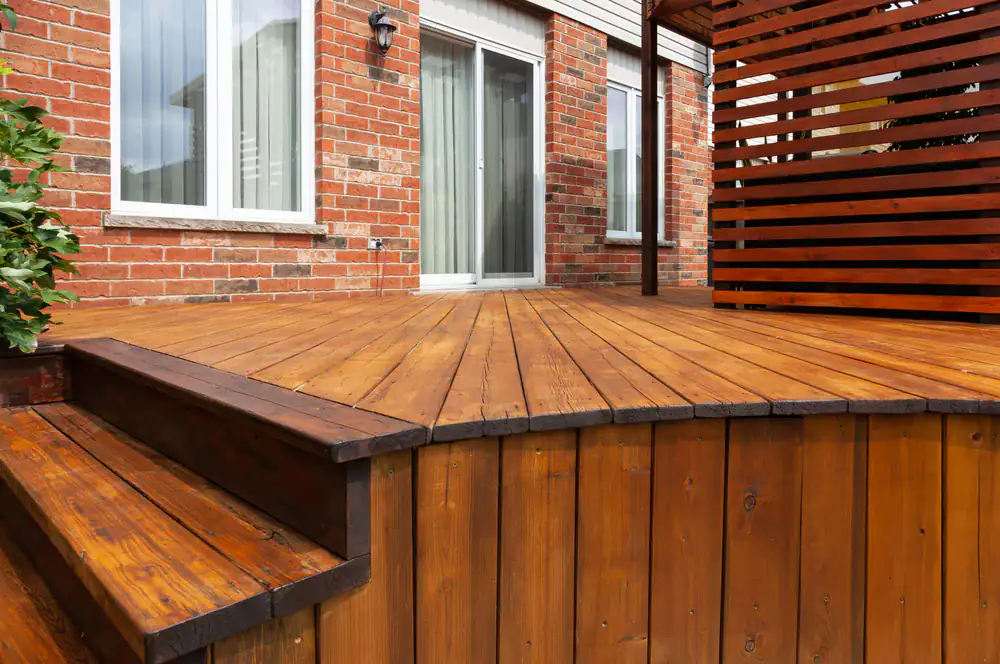
We start with an inspection. Not a sales pitch—an actual look at what’s failing and why. We check the framing, the fasteners, the ledger board, the joists. We look for rot, rust, movement, and water damage. Then we tell you what needs to be fixed and what doesn’t.
If it’s a simple board replacement, we swap out the damaged sections and make sure the underlying structure is sound. If the problem runs deeper—rotted joists, compromised support posts, failing ledger attachments—we address that first. There’s no point putting new decking over bad bones.
Once the structural work is done, we replace boards, tighten or rebuild railings, and make sure everything meets current code. We don’t patch around problems. We fix them. And because we’re working in Suffolk County, we account for the conditions here—materials that resist salt air, fasteners that won’t corrode in two years, and proper drainage so water doesn’t pool where it shouldn’t.
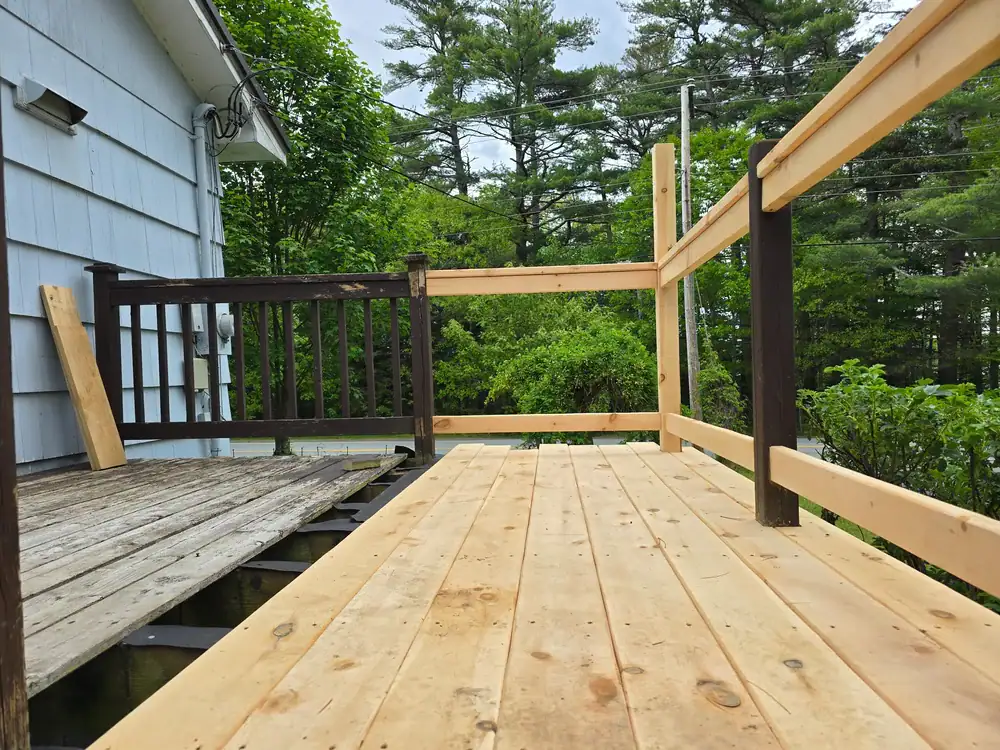
Ready to get started?
Every deck repair we do starts with safety. If your railing is loose, that gets fixed first. If there’s a structural issue—sagging joists, rotted support beams, compromised ledger boards—that gets handled before anything cosmetic.
From there, we replace rotting or damaged decking boards with pressure-treated lumber that’s rated for outdoor use in coastal areas. We don’t reuse old fasteners. Everything gets new stainless steel or coated screws designed to resist corrosion in Long Island’s salt air and humidity. If your railing system is outdated or failing, we rebuild it to current code, which means proper spacing, solid attachment points, and no wobble.
North Lindenhurst is close enough to the coast that moisture and salt exposure accelerate wear. A deck that might last 25 years in a drier climate might only give you 15 to 18 here. That’s not a flaw in the construction—it’s just the reality of the environment. So when we repair a deck, we’re thinking about how it’s going to hold up in the next freeze-thaw cycle, the next summer storm, the next stretch of humid, salty air that sits over Suffolk County in July. The goal isn’t just to make it look better. It’s to make it last.

If the damage is isolated—a few rotted boards, some rusted fasteners, one section of railing that’s loose—repair makes sense. You’re looking at a few hundred to a few thousand dollars depending on scope, and you get another 10 to 15 years out of the deck if it’s done right.
If the framing is compromised in multiple areas, if there’s widespread rot in the joists or support structure, or if the deck is 20-plus years old and showing problems everywhere you look, replacement is usually the better move. At that point, you’re not just fixing what’s broken—you’re buying time on a structure that’s near the end of its lifespan.
We’ll tell you honestly which direction makes sense after we look at it. There’s no benefit to us recommending a repair that’s going to fail in two years, and there’s no benefit to you spending money on a replacement if a solid repair will do the job.
Salt air and moisture. North Lindenhurst is far enough from the water that you’re not dealing with direct coastal exposure, but you’re still in Suffolk County, and the air here carries salt and humidity year-round. That accelerates corrosion on metal fasteners and promotes rot in wood, especially in joints and connections where water can sit.
Freeze-thaw cycles make it worse. Water gets into cracks, freezes, expands, and loosens fasteners or splits wood. Do that 30 or 40 times over a winter, and connections that were solid in October are failing by March.
A lot of decks built here 15 to 20 years ago used standard galvanized screws, which aren’t rated for long-term coastal exposure. Those screws rust out faster than the wood rots, and once the fasteners go, the deck starts moving. That movement creates more gaps, more moisture intrusion, and more damage. It’s a cycle, and it speeds up every year.
We can handle emergency repairs year-round if there’s a safety issue—loose railing, a board that’s punched through, something that can’t wait. But for non-emergency work, we’d rather wait until temperatures are consistently above freezing.
Wood contracts in the cold, and some adhesives and sealants don’t cure properly in low temperatures. Fasteners can be harder to set correctly, and if there’s ice or snow on the deck, we can’t see what we’re working with. It’s not impossible to do winter repairs, but the quality suffers, and we’re not interested in doing work that won’t hold up.
Late winter and early spring are good times to schedule an inspection, though. That way, we can identify problems, plan the repair, and get it done as soon as the weather cooperates. Most of the damage that shows up in March happened over the winter, so that’s when people start noticing it.
Simple board replacement usually runs $200 to $500, depending on how many boards need to come out and whether there’s any underlying damage. If we’re rebuilding a railing section or replacing a few joists, you’re looking at $1,000 to $3,000. Full structural repairs—ledger board replacement, support post work, extensive framing repairs—can run $3,000 to $5,000 or more.
The cost depends on how much is damaged and what’s causing the damage. If it’s just surface wear, the fix is straightforward. If water’s been getting into the framing for years and the rot has spread, the scope gets bigger.
We don’t give estimates over the phone because we can’t see what’s actually happening under the decking or behind the fascia. Once we inspect it, we’ll give you a clear breakdown of what needs to be done and what it’ll cost. No surprises, no upselling, no vague “depends on what we find” pricing after we’ve already started.
New pressure-treated lumber is going to look different than boards that have been weathering for 10 or 15 years. The color won’t match right away. Over time—usually six months to a year—the new wood will weather and blend in, especially if the deck isn’t stained or sealed.
If your deck is stained, we can apply stain to the new boards to get them closer to the existing color, but it’s never going to be a perfect match immediately. Wood ages, and new wood just looks new.
Some people use that as an opportunity to refinish the whole deck after the repair is done. That way, everything matches, and you’re adding a layer of protection to the entire surface. It’s not required, but it’s an option if the appearance difference bothers you. We’re focused on making the deck safe and structurally sound first. Aesthetics are secondary, but we’ll work with you to get it as close as possible.
If the repair is done correctly and the underlying cause is addressed, you should get 10 to 15 years out of it. That assumes normal maintenance—keeping debris off the deck, making sure water drains properly, checking fasteners and connections every couple of years.
If we replace rotted boards but don’t fix the drainage issue that caused the rot, you’ll be replacing those boards again in a few years. If we rebuild a railing but the ledger board it’s attached to is failing, the railing won’t stay solid for long. The repair only lasts if the root problem gets fixed, not just the symptom.
Long Island weather is hard on decks. Salt air, humidity, freeze-thaw cycles—it all adds up. A deck that’s maintained consistently will outlast one that’s ignored, even if they were built the same way. We’ll tell you what to keep an eye on after the repair is done so you’re not back in the same spot five years from now.
Other Services we provide in North Lindenhurst