
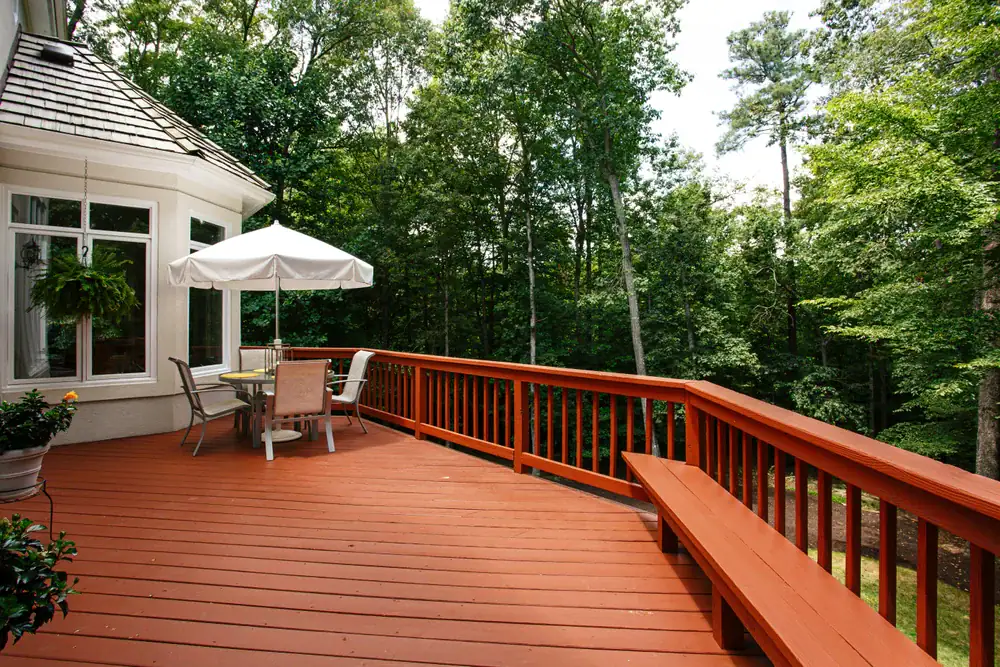
Hear From Our Clients
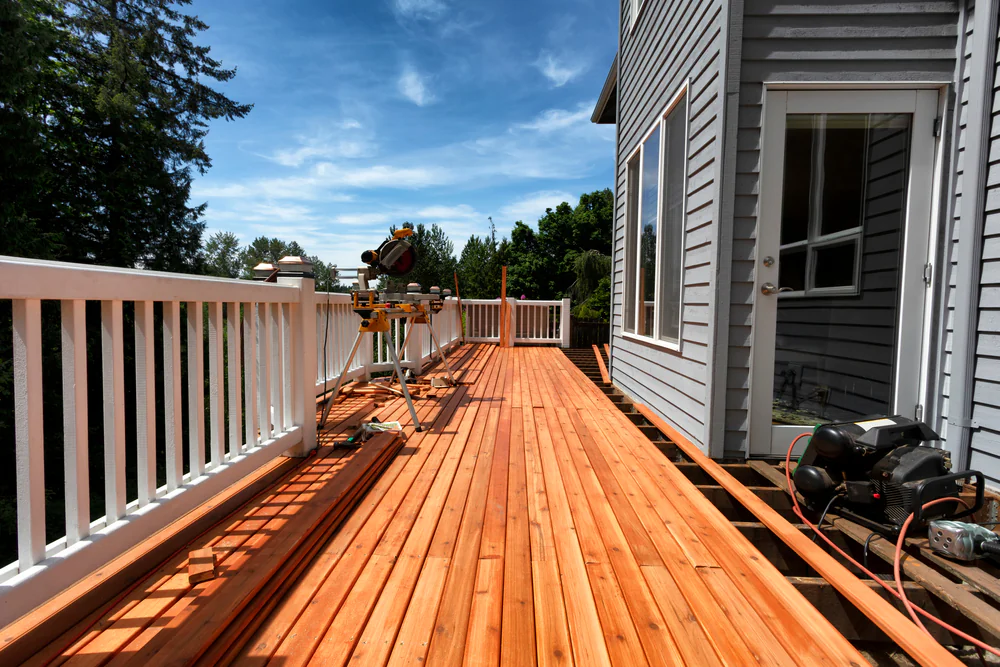
You shouldn’t have to avoid your own backyard because the deck feels unsafe. Loose boards, wobbly railings, soft spots near the posts—these aren’t just eyesores. They’re liabilities waiting to happen during a family barbecue or when kids are playing outside.
Most deck problems don’t require a full teardown and rebuild. A rotting support post can be reinforced. Warped boards can be replaced. Corroded fasteners can be swapped with marine-grade hardware that actually holds up in salt air. Strategic repairs add 10 to 15 years to your deck’s life while keeping everyone safe and your property value intact.
The difference between a $400 repair now and a $4,000 problem next year often comes down to catching issues early. Mastic’s coastal climate doesn’t give you much margin—salt air finds weak points, humidity gets into poor drainage areas, and temperature swings stress anything installed incorrectly. When you address problems while they’re still manageable, you’re not just saving money. You’re getting back to using your outdoor space the way it’s meant to be used.
Home Team Construction has been fixing decks across Suffolk County for over 20 years. We’re not a crew that shows up, quotes a full replacement, and disappears. We’re licensed, insured contractors who deal with the same coastal weather you do—because we live and work in these same neighborhoods.
When Mastic homeowners call us, they’re usually dealing with one of three things: boards that have rotted through from trapped moisture, railings that don’t meet current code, or structural issues that started small and got worse. We’ve seen what happens when repairs get delayed in this climate. We’ve also seen how much longer a deck lasts when it’s fixed correctly the first time with materials that can handle salt air and humidity.
You’ll get a straight answer about what needs fixing and what doesn’t. No runaround, no upselling a replacement when repairs will do the job. Just honest work with upfront pricing from people who’ve been doing this long enough to know the difference.
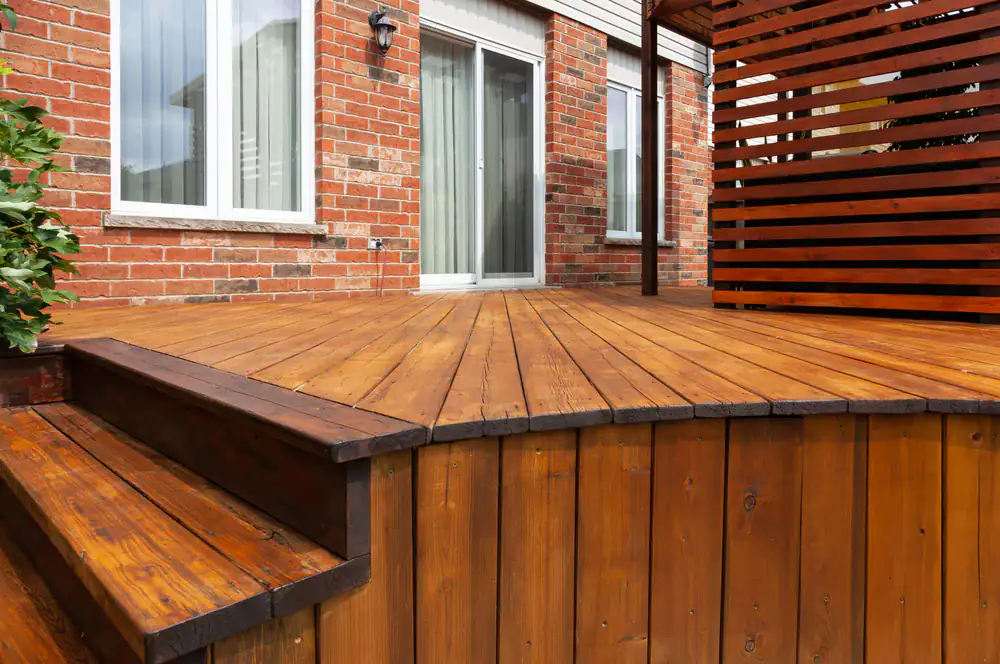
Every repair starts with a safety inspection. We check railing height and baluster spacing against current Long Island building codes. We look at structural connections, support posts, joists, and flashing. We’re checking for rot, corrosion on fasteners, and any areas where water isn’t draining properly.
Once we know what’s wrong, you get a detailed estimate that breaks down materials and labor. No vague line items, no surprises when the work’s done. If we find additional problems during the repair—and sometimes we do once boards come up—we talk to you before moving forward. You’ll know what it costs and why it matters.
Repairs are scheduled based on weather and material availability. Some fixes, like replacing a few deck boards, take a few hours. Structural work like reinforcing posts or replacing joists takes longer. We use pressure-treated lumber rated for ground contact, marine-grade fasteners that resist corrosion, and sealers designed for coastal conditions. When the work’s finished, you’ll know exactly what was done and how to keep it in good shape moving forward.
Ready to get started?
Deck repairs in Mastic typically involve board replacement, railing repairs, structural reinforcement, or a combination of all three. Board replacement addresses surface issues—warped, cracked, or rotting decking that’s become a tripping hazard. We match existing materials when possible or recommend upgrades if the original lumber wasn’t suited for coastal exposure.
Railing work focuses on safety and code compliance. Older decks often have railings that don’t meet current height requirements or have balusters spaced too far apart. We bring railings up to code and make sure connections are solid. If metal brackets or fasteners have corroded from salt air, those get replaced with stainless steel or coated hardware that lasts.
Structural repairs address what’s underneath—support posts, joists, beams, and ledger boards. This is where problems get expensive if ignored. A post sitting in trapped moisture will rot from the bottom up. A ledger board that’s pulling away from the house creates a collapse risk. We reinforce or replace structural components using proper flashing, drainage, and fasteners designed for Long Island’s climate. Most structural repairs, when done right, last the life of the deck. It’s the kind of work that doesn’t look like much from the surface but makes all the difference in how long your deck stays safe and functional.

Deck repairs in Mastic typically run between $570 and $2,600 depending on what needs fixing. Simple board replacement costs around $15 to $25 per square foot. Railing repairs range from $200 to $800 depending on how much needs replacing and whether you’re bringing things up to current code. Structural work—like reinforcing posts or replacing joists—runs $50 to $100 per linear foot because it’s more labor-intensive and requires proper materials for coastal conditions.
The biggest factor in cost is how far the damage has progressed. A few rotting boards caught early might cost $300 to $500. Wait until moisture gets into the joists and support structure, and you’re looking at $2,000 to $4,000 or more. Mastic’s salt air and humidity accelerate deterioration, so problems that might take years to develop inland happen faster here.
You’ll get an upfront estimate that breaks down materials and labor before any work starts. If we find additional issues once boards come up—which happens sometimes—we’ll walk you through what’s needed and what it costs before moving forward. No surprises, no vague pricing. Just a clear number based on what actually needs fixing.
Most decks don’t need full replacement unless the structural frame is compromised beyond repair or the cost to fix everything approaches 60% to 70% of replacement cost. If your deck’s frame is solid—posts, beams, and joists are in good shape—you can replace surface boards and railings for a fraction of what a new deck costs. Repairs typically run 30% to 60% less than full replacement.
The decision comes down to what’s actually wrong. Surface issues like warped boards, faded stain, or loose railings are straightforward repairs. Even some structural problems, like a rotting post or failing ledger board, can be fixed without tearing everything down. But if the entire frame is rotted, if the deck wasn’t built to code originally, or if you’re dealing with widespread structural failure, replacement makes more sense.
We’ll give you an honest assessment after inspecting your deck. If repairs will get you another 10 to 15 years of safe use, we’ll tell you that. If the deck’s too far gone and you’d be throwing money at a losing battle, we’ll tell you that too. You’re not getting pushed toward replacement because it’s more profitable for us. You’re getting the truth about what makes sense for your situation and your budget.
Quality deck repairs in Mastic last 10 to 15 years or longer when done with the right materials and techniques. Structural repairs—like post reinforcement or joist replacement—typically last the life of the deck if installed correctly with proper flashing and drainage. Surface repairs like board replacement depend on the lumber grade and how well the deck’s maintained, but you should expect at least a decade from pressure-treated wood rated for ground contact.
The key is using materials designed for coastal conditions. Standard fasteners corrode quickly in salt air. We use stainless steel or coated hardware that resists corrosion. Lumber needs to be pressure-treated and rated for the moisture exposure it’ll face. Sealers and stains need reapplication every two to three years to protect against UV damage and moisture penetration. Skip the maintenance, and even good repairs won’t last as long as they should.
Mastic’s climate is harder on outdoor structures than areas further inland. Salt air, high humidity, freeze-thaw cycles in winter—it all adds up. But when repairs are done right and you stay on top of basic maintenance like cleaning, sealing, and checking for new problem areas, you’re looking at years of safe, functional use before anything needs attention again.
The most common issues we see in Mastic are rotting boards and posts from trapped moisture, corroded fasteners and brackets from salt air exposure, and railings that don’t meet current building codes. Wood rot usually starts where water collects—around posts, under planters, or anywhere drainage is poor. Once rot starts, it spreads quickly in humid coastal conditions.
Fastener corrosion is almost inevitable with standard hardware. Salt air corrodes nails, screws, and metal brackets faster than most homeowners expect. You’ll see rust stains on the wood, and eventually the fasteners lose their holding power. That’s when boards start pulling loose and railings get wobbly. It’s not just cosmetic—it’s a structural problem that gets worse the longer it’s ignored.
Railing issues often come down to older decks built before current codes. Railings might be too low, balusters spaced too far apart, or connections weakened by rot or corrosion. These are safety hazards, especially if you have kids or elderly family members using the deck. Bringing railings up to code isn’t optional if you’re doing any major repair work—it’s required. But even if it’s not required, it’s the smart move for keeping people safe.
Yes. If you’ve got a safety hazard—a collapsed section, a railing that’s pulled loose, a board that’s rotted through—we can often handle emergency repairs the same day you call. Deck problems don’t wait for convenient timing, and we’re not going to leave you with a dangerous situation while you wait weeks for an appointment.
Emergency repairs focus on making the deck safe to use or securing it so no one gets hurt. That might mean temporarily reinforcing a failing post, replacing boards that have become tripping hazards, or removing access to a section that’s not safe until full repairs can be done. Once the immediate danger is handled, we’ll schedule a complete inspection and give you a detailed estimate for permanent repairs.
Not every repair qualifies as an emergency, and we’ll be straight with you about that. A few boards that need replacing soon isn’t the same as a railing that’s about to give out. But if there’s a real safety risk, we treat it like one. You’ll get a fast response, temporary fixes if needed, and a clear plan for getting everything properly repaired. That’s how we’d want to be treated if it was our deck, so that’s how we handle it for you.
We use pressure-treated lumber rated for ground contact, marine-grade stainless steel or coated fasteners, and sealers designed for coastal exposure. The lumber grade matters because standard pressure-treated wood isn’t always rated for the moisture levels you get in Mastic. Ground-contact rated lumber has higher chemical retention, which means better rot resistance in high-humidity environments.
Fasteners are where a lot of deck repairs fail prematurely. Standard galvanized screws and nails corrode quickly in salt air. We use stainless steel or specially coated fasteners that resist corrosion even with constant salt exposure. It costs more upfront, but it’s the difference between a repair that lasts 15 years and one that starts failing in three.
For structural components like posts and joists, we make sure everything’s properly flashed and that water can drain away instead of pooling around connections. We use joist tape on top of beams to prevent moisture from getting trapped between wood surfaces. Sealers get applied to cut ends and any exposed wood to prevent moisture penetration. These aren’t extras—they’re standard practice for repairs that need to hold up in Long Island’s coastal climate. You’re not paying for unnecessary upgrades. You’re paying for materials and methods that actually work where you live.
Other Services we provide in Mastic