
Hear From Our Clients
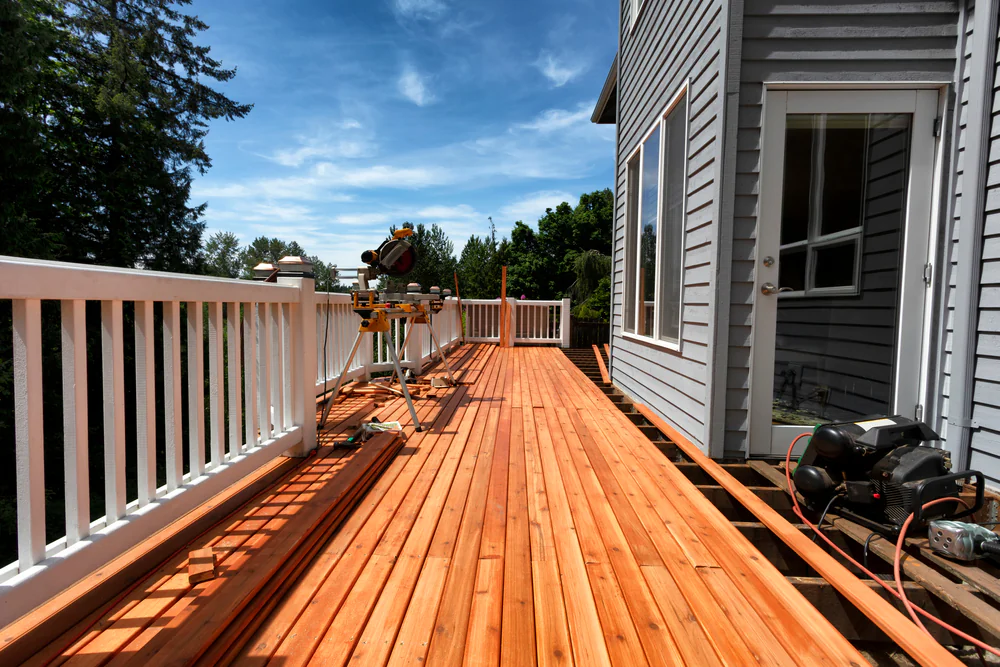
You’re not looking to replace your entire deck. You just need the rotting boards fixed, the wobbly railing secured, and the peace of mind that your family can use it safely again.
That’s exactly what professional deck repair does. We replace what’s damaged, reinforce what’s weak, and use materials that actually hold up to Hauppauge’s humid summers and salty air. Most repairs take one to three days, cost a fraction of replacement, and can extend your deck’s life by 10 to 15 years.
The difference between a quick fix and a real repair comes down to what happens underneath. We check the structure—posts, joists, connections, fasteners—because that’s where most problems start. Loose boards on top usually mean corroded hardware below. Fix both, and you’re done worrying.
Home Team Construction has spent over a decade working on homes across Suffolk County. We’re licensed, insured, and we’ve seen what happens to decks in Hauppauge—especially the ones built 15 or 20 years ago with hardware that wasn’t rated for coastal conditions.
Most of the decks we repair were built during Hauppauge’s housing boom in the ’60s and ’70s. They’re solid structures, but the salt air and freeze-thaw cycles take a toll. We know which materials last here and which ones fail fast.
You’re not getting a crew that learned deck repair on YouTube. You’re getting contractors who’ve done this work in your neighborhood, on homes like yours, dealing with the same weather and the same problems.
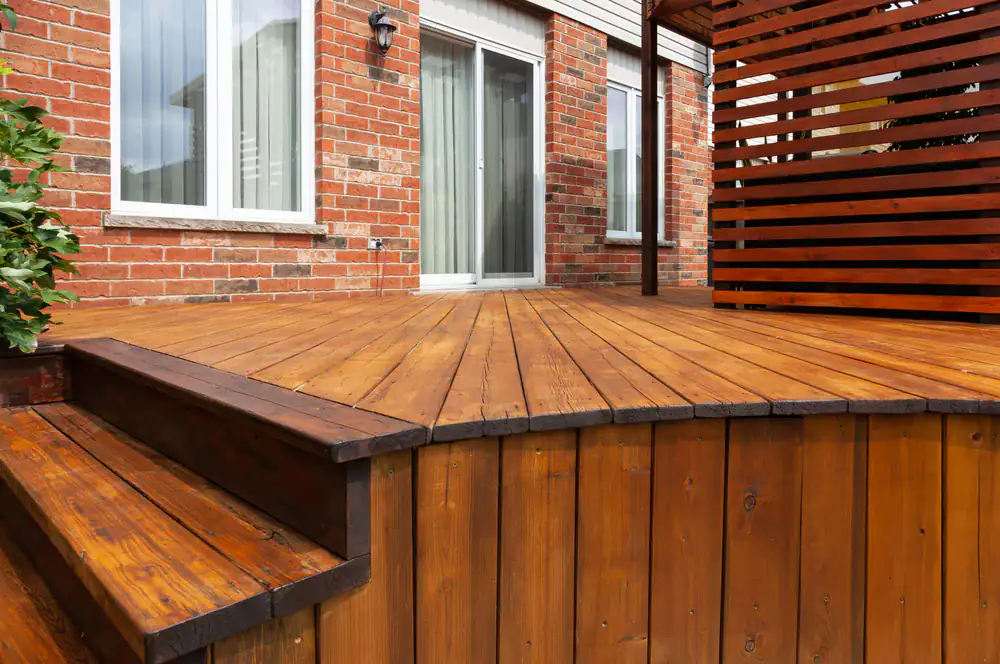
First, we inspect the entire deck. Not just the boards you can see, but the structure underneath—the posts, beams, joists, ledger board, and all the fasteners holding everything together. Most deck failures start with problems you can’t see from the surface.
We’ll tell you exactly what needs fixing and why. If your deck just needs new boards and tightened railings, that’s what we’ll quote. If there’s structural damage from corroded fasteners or rotting posts, we’ll show you and explain what happens if you leave it alone.
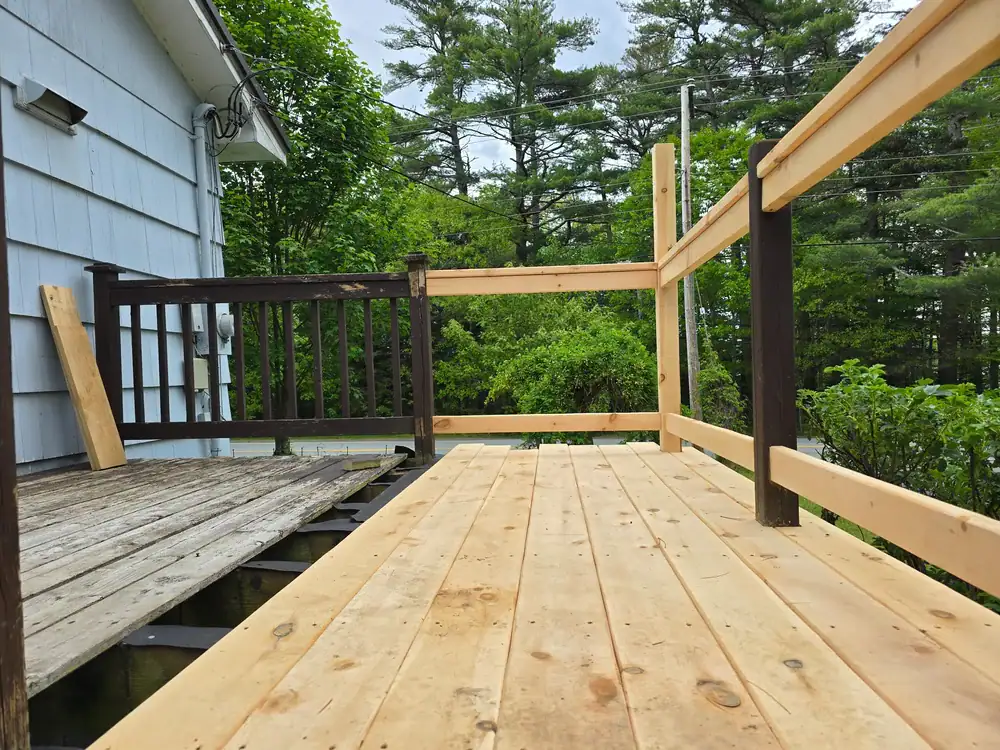
Once you approve the estimate, we get to work. We remove damaged materials, replace them with pressure-treated lumber or composite boards (depending on what you have), and use only corrosion-resistant fasteners designed for coastal environments. Everything gets checked against current building codes.
Most repairs wrap up in one to three days. You’ll know the timeline upfront, and we clean up completely when we’re done. No surprise costs, no dragging it out, no debris left in your yard.
Ready to get started?
Every deck repair starts with a full safety inspection. We’re checking for loose or rotting boards, unstable railings, corroded fasteners, structural damage to support posts and joists, and any code violations that could become problems later.
Hauppauge’s coastal location means your deck faces challenges that inland decks don’t. Salt air corrodes standard galvanized screws and nails in half the time. Humidity causes wood to swell and contract more aggressively. Freeze-thaw cycles in winter create cracks that trap moisture and accelerate rot.
That’s why we only use marine-grade fasteners and corrosion-resistant hardware. It costs a bit more upfront, but it’s the difference between a repair that lasts two years and one that lasts fifteen. We also match your existing materials—if you have composite decking, we source the same product line. If it’s cedar or pressure-treated wood, we match the grade and finish.
You’re getting a detailed estimate that breaks down exactly what we’re fixing, what materials we’re using, and how long it’ll take. No vague line items, no “we’ll see when we get in there” pricing. Just clear numbers based on a thorough inspection.

Most deck repairs in Hauppauge run between $1,000 and $5,000, depending on what’s damaged and how much of the structure needs work. Simple repairs—like replacing a few rotting boards or tightening loose railings—might cost $500 to $1,500. Larger jobs that involve structural repairs, joist replacement, or extensive board replacement can push toward $5,000 or more.
The cost depends on the size of your deck, the materials you’re using, and how much damage the coastal weather has caused. Decks with corroded fasteners throughout the structure cost more to repair because we’re essentially rebuilding the connections that hold everything together.
Here’s the thing: waiting makes it more expensive. A $1,200 repair today can turn into a $4,000 repair next year if the structural damage spreads. We’ll give you a detailed estimate after inspecting your deck so you know exactly what you’re paying for and why.
If the structure underneath is still solid, repair almost always makes more sense. You’ll spend a fraction of what replacement costs and get another 10 to 15 years of use.
Replace if the main support posts are rotting, the ledger board is pulling away from your house, or more than half the joists are damaged. At that point, you’re rebuilding most of the deck anyway, and replacement becomes the smarter investment.
Most decks in Hauppauge don’t need full replacement—they just need the right repairs with the right materials. We’ll inspect your deck and tell you honestly which route makes sense. If replacement is the better call, we’ll say so. If repair will get you another decade of safe use, we’ll show you why.
Most deck repairs take one to three days, depending on the scope. Replacing a few boards and securing railings might only take a day. Structural repairs that involve replacing joists, posts, or a large section of decking usually take two to three days.
Weather can affect the timeline—we’re not working in heavy rain or when temperatures drop too low for materials to set properly. But once we start, we work straight through until it’s done.
You’ll know the timeline before we begin. We’re not the kind of contractors who start a job and then disappear for a week. We schedule your repair, show up when we say we will, and finish on time. If something unexpected comes up during the repair, we’ll tell you immediately and explain how it affects the schedule.
Salt air is the biggest culprit. Hauppauge sits close enough to the coast that salt exposure accelerates corrosion on any metal fasteners that aren’t marine-grade. Standard galvanized screws and nails rust out in 10 to 15 years here, while they might last 25 years inland.
Once the fasteners corrode, connections loosen. Boards start shifting, railings wobble, and the structural integrity weakens. Most homeowners notice the loose boards first, but the real problem is happening underneath where corroded screws and brackets are failing.
Moisture is the second issue. Long Island’s humid summers and wet winters are hard on wood. Water gets into cracks, freezes in winter, expands, and creates bigger cracks. That cycle repeats every year, and eventually the wood rots. Decks built with pressure-treated lumber hold up better, but even those need proper fasteners and regular maintenance to last in this climate.
Yes, if that’s what your deck is made of. We work with all the major composite brands—Trex, TimberTech, Azek—and we can source matching boards for most product lines, even older ones.
Composite boards don’t rot like wood, but they can still crack, warp, or fade over time. And the structure underneath is almost always wood, which means you can still have problems with rotting joists or corroded fasteners even if the surface looks fine.
If you’re repairing a wood deck and want to switch to composite boards, we can do that too. Just know that composite costs more upfront—usually two to three times the price of pressure-treated wood. It lasts longer and requires less maintenance, but it’s a bigger investment. We’ll walk through the cost difference and help you decide what makes sense for your situation and budget.
Usually not, unless the damage was caused by a specific covered event like a storm or falling tree. Normal wear and tear from weather, age, and use isn’t covered by most homeowners policies.
If you had storm damage—like a tree branch that crashed through your deck or wind that ripped off railings—your insurance might cover the repairs. You’ll need to file a claim and have an adjuster assess the damage. We can provide documentation and photos to support your claim if needed.
For typical repairs caused by rotting wood, corroded fasteners, or general aging, you’re paying out of pocket. The good news is that most repairs cost far less than your insurance deductible anyway, so filing a claim wouldn’t make financial sense even if it were covered. We’ll give you a clear estimate upfront so you know exactly what you’re spending.
Other Services we provide in Hauppauge